
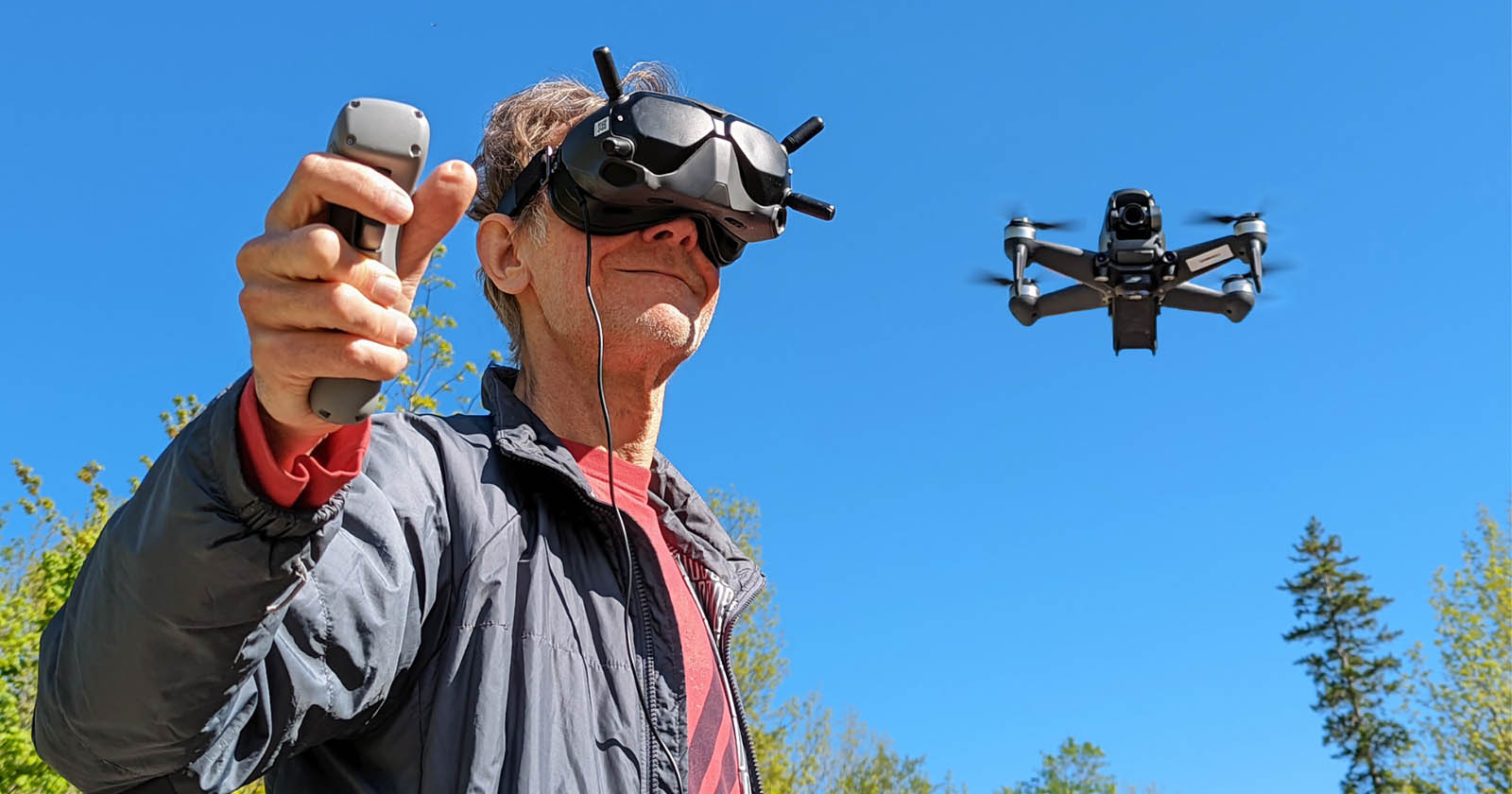
In the rapidly evolving landscape of modern electronics, few technologies have captured the imagination of hobbyists, professionals, and engineers quite like First-Person View (FPV). At its core, FPV is a method used to control a radio-controlled vehicle—most commonly a drone, though it also applies to cars, boats, and planes—from the driver or pilot’s perspective. By utilizing an onboard camera and a high-speed wireless transmission system, FPV allows the operator to see what the vehicle sees in real-time, typically through a pair of dedicated video goggles or a monitor.
What began as a niche experiment among radio-control enthusiasts has blossomed into a multi-million-dollar industry, fueling advancements in digital signal processing, camera miniaturization, and low-latency wireless protocols. To understand FPV is to understand a sophisticated convergence of hardware and software designed to bridge the gap between human intent and machine execution.
The Core Components of the FPV Ecosystem
The magic of FPV technology lies in its ability to transmit visual data with such minimal delay that a human can react to obstacles at speeds exceeding 100 miles per hour. This requires a specialized “ecosystem” of components working in perfect harmony.
The Camera and Image Sensor
The journey begins at the lens. Unlike traditional photography cameras, FPV cameras are designed for speed and dynamic range. Most FPV cameras utilize CMOS or CCD sensors optimized for “Global Shutter” or high-frame-rate output. Because a pilot might fly from a sunlit field into a dark parking garage in seconds, the camera’s firmware must handle Light-to-Dark transitions instantaneously. Tech enthusiasts often look at TVL (Television Lines) and latency figures when selecting these components, ensuring the visual feedback is crisp enough to spot a thin tree branch before it’s too late.
Video Transmitters (VTX) and Receivers (VRX)
The Video Transmitter (VTX) is the powerhouse of the FPV setup. It takes the raw video feed from the camera and broadcasts it over a specific frequency—most commonly 5.8GHz. The sophistication of a VTX is measured by its “milliwatt” (mW) output and its thermal management. High-end units can push up to 1000mW or more, allowing for long-range penetration through walls and foliage. On the receiving end, the Video Receiver (VRX) captures this signal and decodes it for the display. Modern systems often use “Diversity” or “RapidMix” receivers, which use two separate antennas to pick the cleanest signal, drastically reducing “static” or visual “snow.”
Goggles and Immersive Displays
For the “First Person” experience to be complete, the display must occupy the pilot’s entire field of view (FOV). FPV goggles are sophisticated wearable monitors containing two micro-displays (often OLED or LCD). These goggles are packed with tech, including built-in DVRs (Digital Video Recorders) to save the flight footage, head-tracking sensors that can move the camera in sync with the pilot’s head, and adjustable IPD (Interpupillary Distance) sliders to ensure the image is perfectly focused for the user’s eyes.
Digital vs. Analog: The Great Technical Divide
One of the most significant debates within the tech community involves the transmission protocol: Analog or Digital. This choice defines the hardware stack and the overall flight experience.
The Reliability of Analog Systems
Analog FPV has been the industry standard for over a decade. It works by transmitting a raw radio signal that degrades gracefully. As you fly further away, the image gets grainier, but it never “freezes.” The primary advantage of analog is its near-zero latency. For racing pilots, where a 10-millisecond delay can mean the difference between winning and crashing, analog remains the gold standard. From a technical standpoint, analog hardware is also more “open,” allowing for cross-brand compatibility and lower entry costs.
The High-Definition Revolution of Digital Systems
In recent years, companies like DJI, Fat Shark (Dominator), and Walksnail have introduced high-definition digital FPV systems. These systems use complex compression algorithms to transmit 720p or 1080p video at 60 or 120 frames per second. The visual clarity is transformative, offering a “God-eye” view of the world. However, digital systems come with a trade-off: “variable latency.” Because the system must “packetize” and “buffer” data, the delay can fluctuate based on signal strength. For cinematic pilots and explorers, the trade-off is well worth the breathtaking visual fidelity.
Choosing the Right Protocol for Your Use Case
The decision between analog and digital often comes down to the “mission profile.” If the goal is professional drone racing or ultra-low-cost “whoop” flying (small indoor drones), analog is the technological choice. If the goal is professional cinematography, long-range mountain surfing, or pure immersion, digital systems represent the pinnacle of current FPV technology.
Specialized Applications and Industry Use Cases
While FPV started as a hobby, its technical utility has seen it integrated into several professional sectors. It has moved beyond the “toy” category and into the realm of essential industrial and creative tools.
FPV Drone Racing and Freestyle
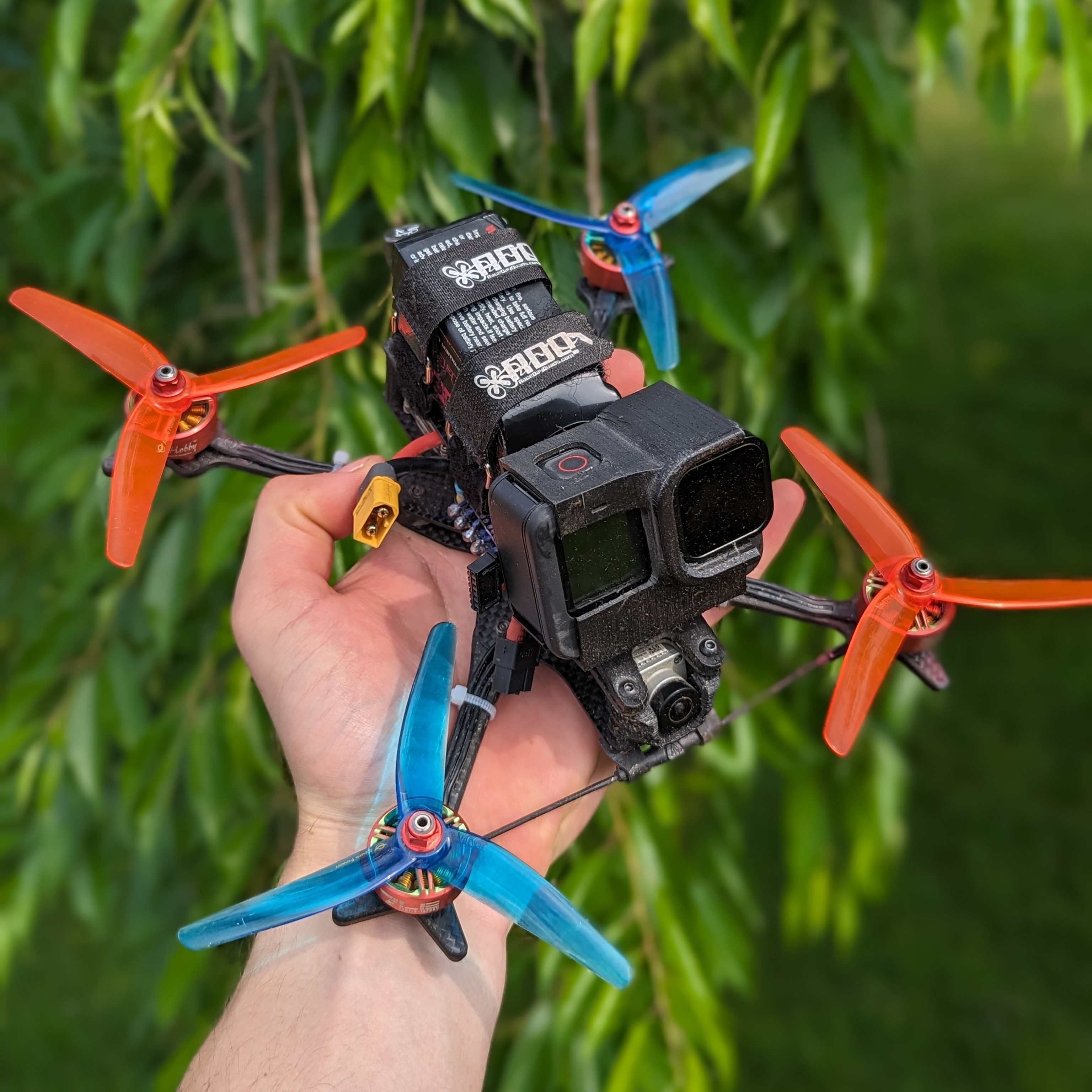
FPV racing is a high-speed sport where pilots navigate complex 3D gates at incredible speeds. This has pushed the development of “Flight Controllers” (FC)—the onboard computers that use gyroscopes and accelerometers to keep the craft stable. Parallel to racing is “Freestyle,” where pilots use FPV to perform acrobatic maneuvers that defy physics. The technology required for this involves high-discharge Lithium Polymer (LiPo) batteries and high-torque brushless motors capable of spinning at over 30,000 RPM.
Cinematic FPV: A New Era in Filmmaking
Hollywood has embraced FPV as a replacement for expensive crane and helicopter shots. “CineWhoops”—small, ducted FPV drones—can fly through windows, under cars, and inches away from actors’ faces, providing a perspective that a traditional camera operator could never achieve. The tech here involves “Gimbal-less” stabilization; high-end software like ReelSteady or GyroFlow uses the drone’s internal gyroscope data to smooth out the footage in post-production, resulting in buttery-smooth 4K video.
Industrial and Search-and-Rescue Applications
FPV isn’t just for cameras. In industrial settings, FPV drones equipped with thermal sensors are used to inspect power lines, bridges, and cell towers. The first-person perspective allows the inspector to see cracks or heat anomalies in real-time. In search-and-rescue (SAR) operations, FPV allows teams to fly into collapsed buildings or dense forests, providing a literal “eye in the sky” where human entry is too dangerous.
Navigating the Technical Learning Curve
Entering the world of FPV requires more than just buying a gadget; it requires an understanding of electronics, radio frequencies, and software configuration.
Understanding Flight Controllers and ESCs
The brain of an FPV craft is the Flight Controller (FC). Most run open-source firmware like Betaflight, INAV, or ArduPilot. These software suites allow users to “tune” the PID (Proportional, Integral, Derivative) loops of the drone. Tuning is the process of adjusting how the software reacts to wind and stick inputs. Coupled with the FC is the Electronic Speed Controller (ESC), which manages the power sent to the motors. Modern ESCs use protocols like DShot600 to communicate with the FC thousands of times per second.
The Importance of Radio Links and Latency
The link between the handheld remote controller and the craft is as vital as the video link. Technologies like ExpressLRS (ELRS) and TBS Crossfire have revolutionized this space. Using LoRa (Long Range) modulation, these protocols offer incredible range (sometimes over 30km) and extremely high update rates (up to 1000Hz). This ensures that the pilot’s input is reflected by the drone almost instantaneously, a critical factor for high-speed FPV flight.
Safety, Regulation, and Firmware
As FPV technology becomes more powerful, regulatory bodies like the FAA (in the US) and EASA (in Europe) have introduced rules to ensure airspace safety. This includes the implementation of “Remote ID,” a digital license plate for drones. From a technical perspective, this has led to the integration of GPS modules and specialized broadcast hardware within the FPV stack. Furthermore, maintaining an FPV fleet requires regular firmware updates to cameras, VTXs, and flight controllers to ensure compatibility and patch security vulnerabilities.
The Future of FPV Technology
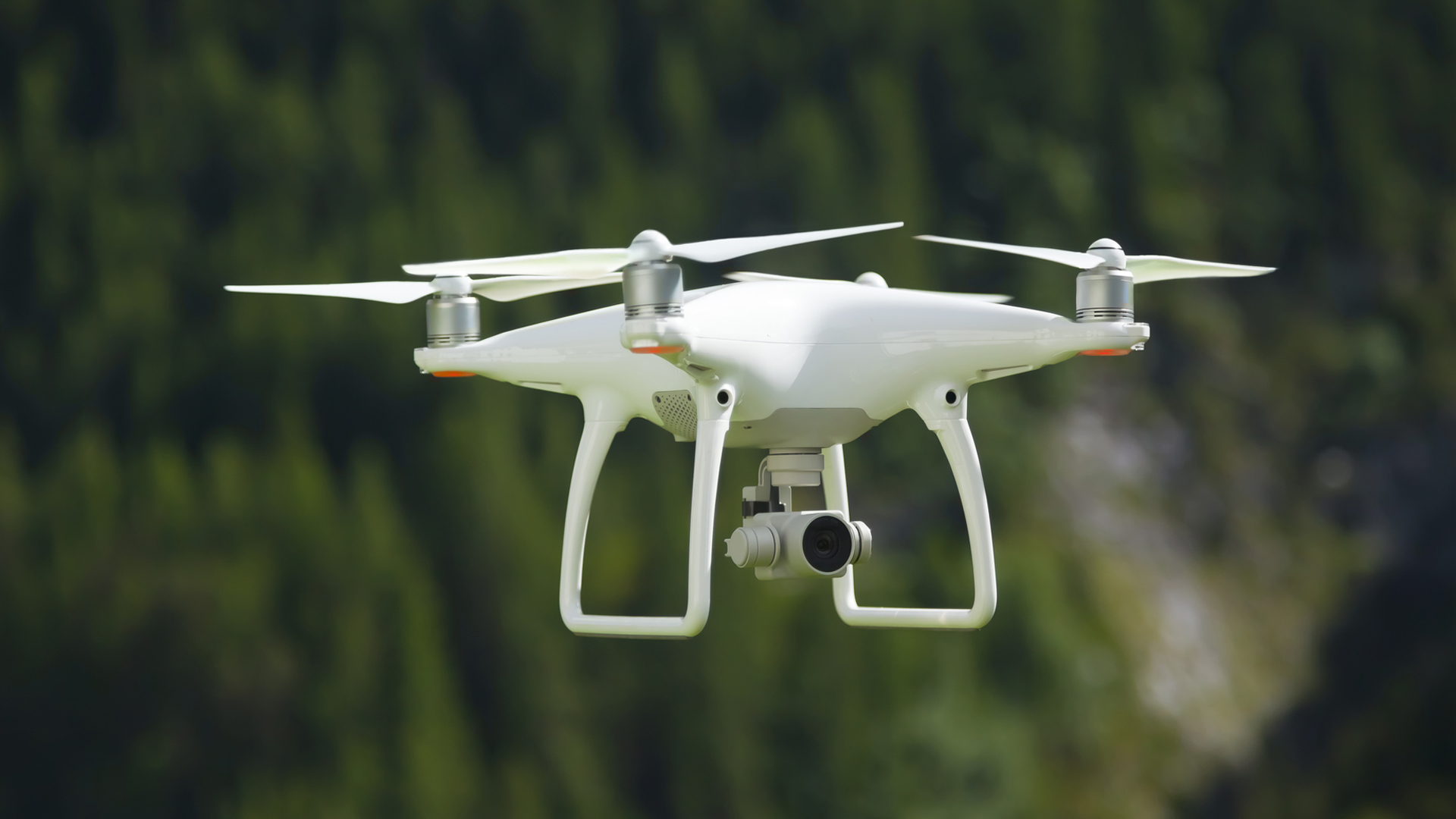
Looking ahead, the trajectory of FPV technology is aimed toward further integration with Augmented Reality (AR) and Artificial Intelligence (AI). We are already seeing the emergence of “Object Tracking” where the FPV system can identify and follow a subject autonomously while the pilot focuses on the creative framing.
As 5G and 6G networks expand, we may see FPV transition from local radio frequencies to cellular-based transmission, allowing for virtually unlimited range. Furthermore, improvements in battery chemistry, such as Solid-State batteries, promise to double or triple flight times, which currently hover around 5 to 10 minutes for high-performance craft.
FPV is more than just a perspective; it is a sophisticated marriage of high-speed telecommunications, aerospace engineering, and digital imaging. Whether it is used for the adrenaline of a race, the beauty of a cinematic shot, or the utility of an industrial inspection, FPV technology continues to push the boundaries of how we interact with the digital and physical worlds.
aViewFromTheCave is a participant in the Amazon Services LLC Associates Program, an affiliate advertising program designed to provide a means for sites to earn advertising fees by advertising and linking to Amazon.com. Amazon, the Amazon logo, AmazonSupply, and the AmazonSupply logo are trademarks of Amazon.com, Inc. or its affiliates. As an Amazon Associate we earn affiliate commissions from qualifying purchases.