
The automotive industry is filled with specific terminology that can often confuse the average consumer. Among the most misunderstood designations is the “one-ton pickup.” When looking at a heavy-duty truck, you will often hear references to “half-ton,” “three-quarter-ton,” and “one-ton” classifications. Understanding these labels is essential, particularly when evaluating business finance, fleet management, and the long-term return on investment for capital equipment. From a financial perspective, choosing the right truck is not just about power; it is about aligning your operating expenses with your operational requirements.
The Evolution of Truck Payload Classifications
The classification of pickups by “tonnage” is a historical legacy that has evolved significantly over the last century. Originally, these designations referred directly to the actual payload capacity of the truck bed—the amount of weight the vehicle could safely carry in the cargo area. A one-ton pickup was literally built to haul 2,000 pounds of cargo.
Historical Context and Modern Reality
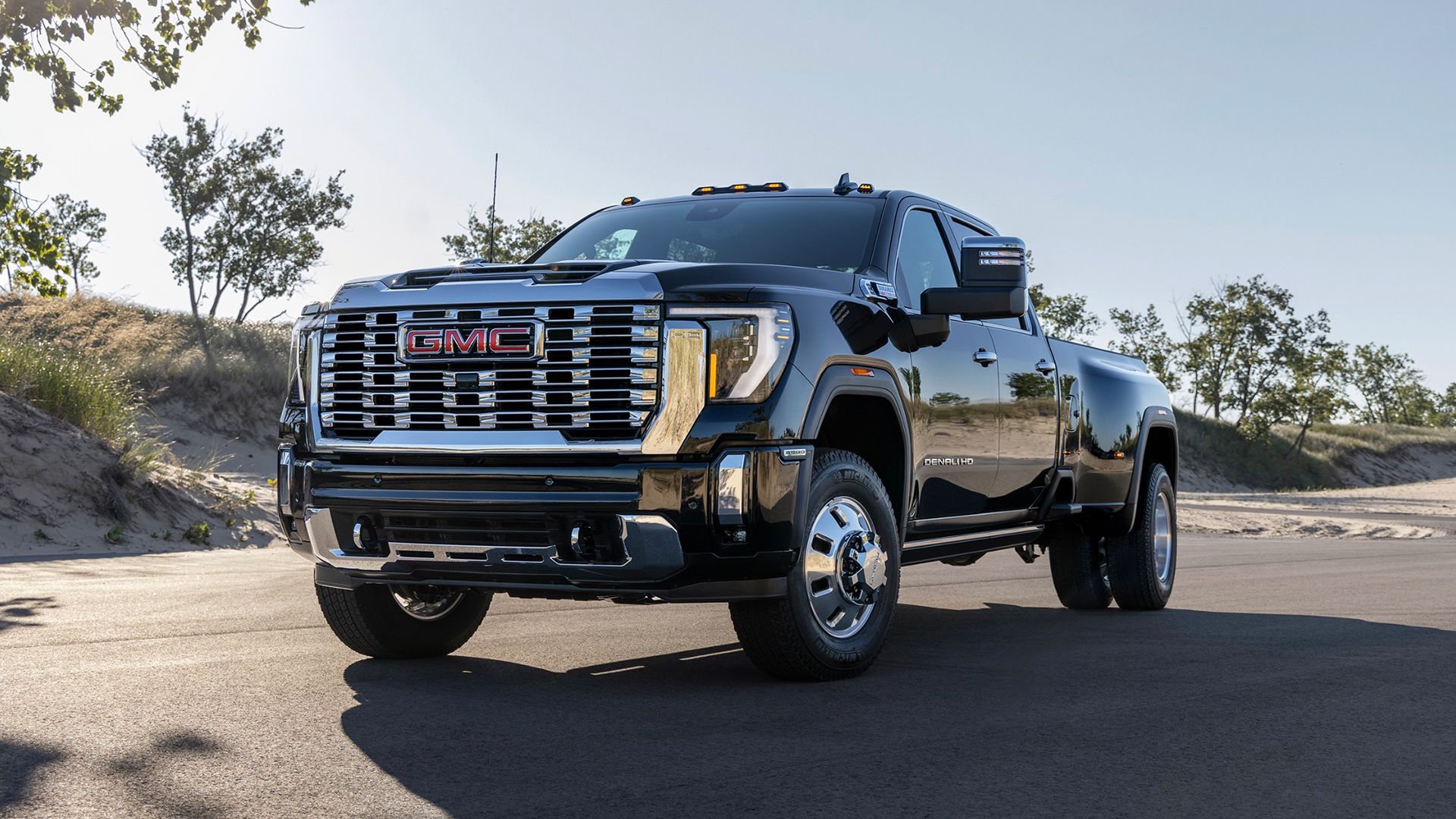
In the early days of automotive manufacturing, the distinction between a half-ton (e.g., Ford F-150) and a one-ton (e.g., Ford F-350) truck was rigid. Today, however, these terms serve more as brand-level hierarchy markers than literal descriptions of bed capacity. Modern manufacturing techniques, advancements in high-strength steel, and sophisticated suspension engineering mean that a contemporary “one-ton” truck can often handle significantly more than its name implies.
Why the Terminology Persists
Despite the evolution in actual capacity, the industry retains the one-ton moniker because it provides a clear, standardized language for commercial buyers. For business owners and finance departments, these buckets allow for rapid segmentation of vehicles into insurance tiers, tax brackets, and capability groups. When you see a vehicle marketed as a “one-ton,” you are looking at the pinnacle of a manufacturer’s light-duty commercial lineup—a vehicle built to withstand the rigors of heavy-duty labor without requiring the specialized licensing often associated with semi-trucks.
Financial Considerations for Commercial Operators
From a business finance perspective, investing in a one-ton pickup is a significant capital expenditure. Unlike a standard consumer vehicle purchase, acquiring a one-ton truck is an investment in a revenue-generating asset. Therefore, the financial strategy behind the acquisition must be calculated differently than that of a personal commuter car.
Depreciation and Asset Lifecycle
One-ton trucks typically hold their value exceptionally well compared to lighter-duty vehicles, especially if they are equipped with diesel engines. Because they are often utilized in commercial sectors like construction, agriculture, and logistics, their utility keeps demand consistently high in the used market. When calculating your total cost of ownership (TCO), it is vital to account for this slower depreciation curve. A high-quality one-ton truck can often be liquidated at a favorable price after several years of service, effectively lowering the annual depreciation expense for the business.
Tax Implications and Depreciation Schedules
For business owners, a one-ton pickup frequently qualifies for distinct tax advantages. Under Section 179 of the Internal Revenue Code, vehicles with a Gross Vehicle Weight Rating (GVWR) of over 6,000 pounds—a category into which almost all one-ton pickups fall—may qualify for significant first-year depreciation deductions. This allows companies to front-load the tax benefits of their equipment purchase, thereby improving cash flow in the initial year of ownership. Consult with a qualified tax professional to ensure that your specific vehicle configuration and business usage meet the criteria for these significant financial incentives.
Engineering and Operational Capability
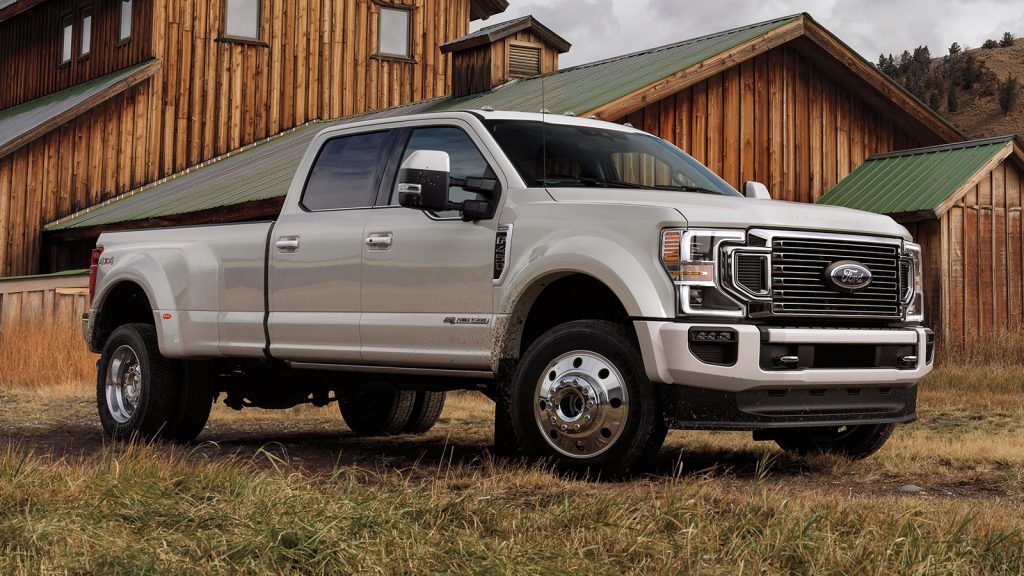
The one-ton pickup represents a fundamental shift in chassis engineering. These vehicles are designed with a “frame-first” mentality, prioritizing structural integrity and towing capacity over cabin comfort or fuel economy. For a business, this translates to reduced downtime and lower maintenance costs over the vehicle’s lifespan, provided the asset is matched correctly to the workload.
Chassis and Suspension Strength
The defining characteristic of a one-ton truck is its reinforced chassis. You will typically find larger frame rails, thicker steel gauges, and heavy-duty suspension components, such as solid front axles or significantly stiffer leaf springs. These enhancements are engineered to prevent frame flex under extreme loads. For a business owner, this durability is the primary justification for the higher initial purchase price compared to a half-ton or three-quarter-ton variant.
Towing and Hauling Capacity
One-ton trucks are the standard-bearers for towing. Equipped with specialized hitches—including fifth-wheel and gooseneck configurations—these vehicles are designed to manage extreme tongue weights. If your business model involves transporting heavy equipment, large trailers, or palletized materials, the one-ton pickup provides the necessary braking capacity, transmission cooling, and axle strength to perform these tasks safely and efficiently. Failure to use the appropriate vehicle class for your load size can result in premature component failure and increased safety risks, both of which are catastrophic for operational finance.
Strategic Fleet Management and Procurement
Integrating one-ton pickups into your company’s fleet requires a strategic approach to procurement. It is tempting to default to the highest capability model for every task, but this often leads to wasted capital.
Over-Specification and Capital Efficiency
A common pitfall in business finance is over-specification. While the one-ton truck is an incredibly capable machine, it also comes with higher fuel consumption, higher maintenance costs (such as more expensive tires and larger oil capacities), and higher insurance premiums. If your operations do not require the specific payload or towing advantages of a one-ton truck, that capital would be more efficiently deployed elsewhere in the business. Always conduct a thorough analysis of the specific weight requirements of your daily operations before finalizing the procurement of a heavy-duty fleet.
The Role of Diesel Versus Gasoline
The debate between gasoline and diesel powerplants in one-ton pickups is a classic financial dilemma. Diesel engines typically carry a higher initial purchase price, but they offer superior torque for heavy towing and often boast better resale value. Gasoline engines in one-ton trucks have seen significant advancements, offering lower maintenance costs and better performance in cold climates. When deciding between the two, factor in your fuel usage projections, expected annual mileage, and the specific nature of your hauling requirements. A high-mileage towing operation will almost always justify the higher upfront cost of a diesel powertrain due to fuel efficiency and engine longevity.

Conclusion: Balancing Performance with Profitability
The “one-ton” designation is much more than a historical relic; it is a critical category in the world of commercial vehicles that serves as a cornerstone for many industries. For the business owner or financial decision-maker, viewing the one-ton pickup through the lens of utility and asset management is essential.
By understanding the structural advantages—such as increased GVWR, frame rigidity, and towing capacity—and marrying those capabilities with the right financial strategies, such as Section 179 tax deductions and rigorous TCO analysis, you can ensure that your fleet procurement supports your bottom line rather than draining it. Whether you are scaling a construction firm or optimizing a logistics chain, the one-ton pickup remains one of the most vital tools in the modern industrial landscape. Approach your acquisition with the same due diligence you would apply to any major capital investment, and your fleet will become a reliable engine for your business growth.
aViewFromTheCave is a participant in the Amazon Services LLC Associates Program, an affiliate advertising program designed to provide a means for sites to earn advertising fees by advertising and linking to Amazon.com. Amazon, the Amazon logo, AmazonSupply, and the AmazonSupply logo are trademarks of Amazon.com, Inc. or its affiliates. As an Amazon Associate we earn affiliate commissions from qualifying purchases.