
In the intricate world of real estate, acronyms often serve as shorthand for foundational systems that underpin daily operations. Among these, “MLS” stands as one of the most significant, yet its full technological scope and impact are often misunderstood. Far more than just a list of homes for sale, the Multiple Listing Service (MLS) is the technological backbone of the modern real estate industry, a sophisticated data exchange platform that enables efficiency, transparency, and collaboration among professionals.
This article will delve into the technological essence of the MLS, exploring its structure, functionality, evolution, and the critical role it plays in leveraging technology to streamline real estate transactions. We will uncover how this powerful system functions as a central nervous system for property data, driving everything from agent-to-agent cooperation to consumer-facing property search portals.
The Technological Backbone of Modern Real Estate
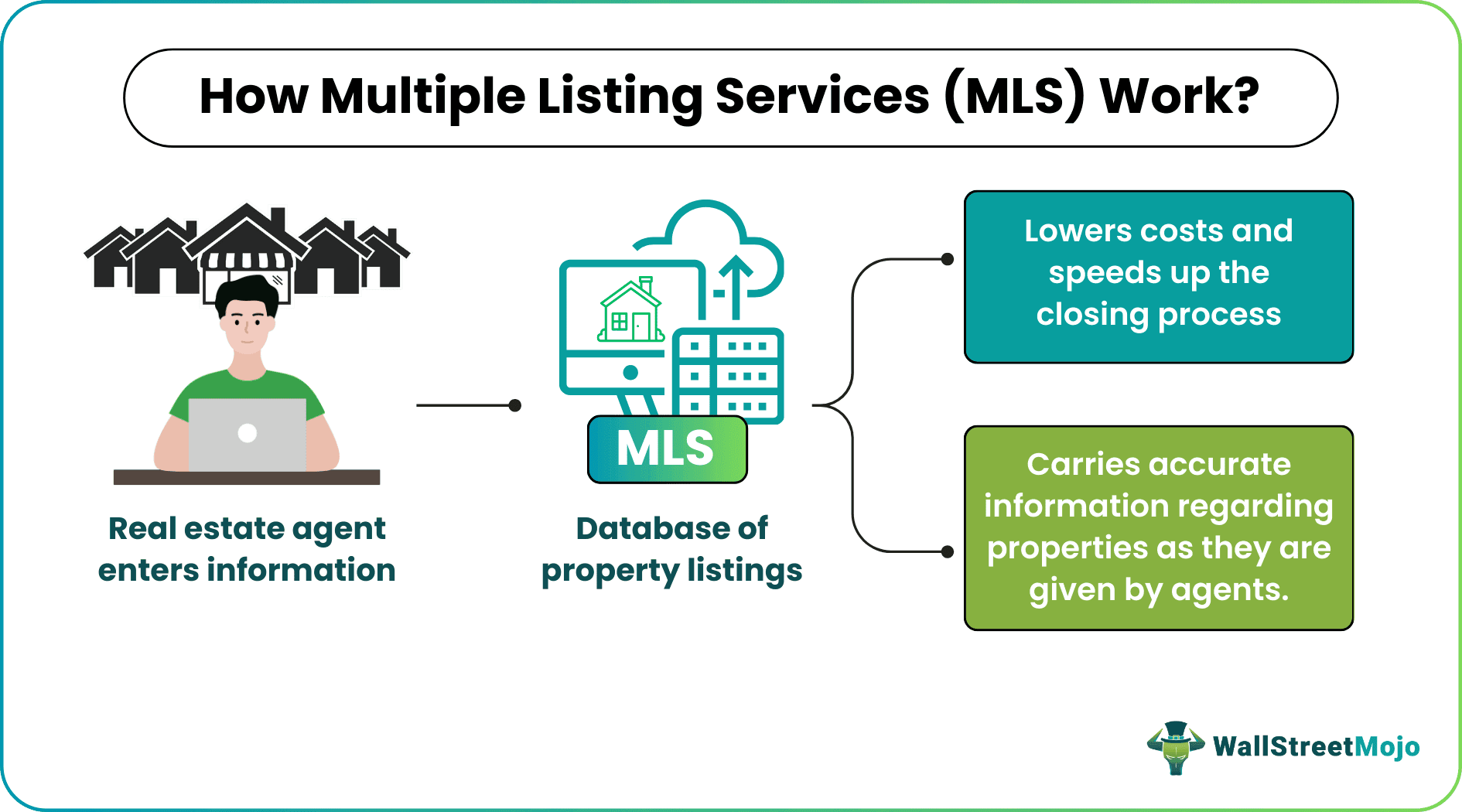
At its heart, the MLS is a cooperative private database and software system designed by and for real estate brokers to share information about properties for sale. This system allows brokers to offer compensation to other brokers who bring qualified buyers, fostering cooperation and expanding the market reach for listed properties. From a technological perspective, it represents a highly specialized application of database management, networking, and information architecture tailored specifically for the real estate domain.
Defining the Multiple Listing Service (MLS)
The MLS is not a single, monolithic entity but rather a collection of hundreds of regional systems across North America, each governed by local real estate associations or boards. Despite regional variations, their core technological purpose remains consistent: to provide a centralized, standardized repository of property information. This includes detailed data points like property specifications, pricing, listing status, agent contact information, showing instructions, and historical sales data. Without a robust, secure, and accessible database, the very concept of an MLS would be impossible.
From Manual Listings to Digital Databases
The origins of the MLS trace back to the late 19th century when real estate brokers in local communities would gather in their offices to share information about properties they had for sale. These were essentially manual, paper-based “listing services.” The advent of computers and networking technologies in the late 20th century transformed this rudimentary process into the sophisticated digital systems we know today.
This transition from physical files to networked digital databases marked a paradigm shift. It eliminated geographical barriers, significantly accelerated information dissemination, and introduced powerful search and analysis capabilities previously unimaginable. The digitization of listings not only made real estate more efficient but also laid the groundwork for the industry’s subsequent explosion onto the internet.
The Core Functionality: Data Aggregation and Dissemination
The primary function of MLS technology is the efficient aggregation and dissemination of vast amounts of real estate data. When a property is listed, the agent inputs a comprehensive set of data into the MLS system. This data is then immediately available to all other authorized agents and brokers subscribing to that particular MLS. This instantaneous sharing is crucial for a fast-paced market.
Technologically, this involves:
- Robust Data Entry Interfaces: User-friendly yet secure portals for agents to input detailed property information, often including photo uploads and virtual tour links.
- Complex Database Queries: Sophisticated search algorithms and filters that allow agents to quickly find properties matching specific buyer criteria (e.g., number of bedrooms, school district, price range, architectural style).
- Automated Data Feeds (IDX/VOW): Mechanisms like Internet Data Exchange (IDX) and Virtual Office Website (VOW) feeds that allow MLS data to be systematically exported to authorized public real estate websites and agent sites, albeit with specific rules and limitations.
How MLS Technology Streamlines Real Estate Operations
The technological framework of the MLS is engineered to optimize every stage of the real estate transaction process for professionals, from initial listing to closing. It acts as a force multiplier, enhancing agents’ capabilities and market reach.
Centralized Data Management and Standardization
One of the most significant technological contributions of the MLS is its enforcement of data standardization. Each MLS system has defined data fields, categories, and input rules. This uniformity ensures that all listings provide comparable information, making it easier for agents to compare properties accurately. From a software perspective, this standardization facilitates data integrity, reduces errors, and makes it possible to perform complex data analysis and reporting across diverse properties. This disciplined approach to data entry is a cornerstone of the system’s reliability.
Enhanced Search Capabilities for Buyers and Agents
Modern MLS systems are powerhouses of search technology. Beyond basic filters, they offer advanced capabilities such as:
- Geographic Searches: Pinpointing properties within specific boundaries, school zones, or even custom drawn shapes on a map interface.
- Categorical Filtering: Refining searches by property type, architectural style, amenities, green features, and more.
- Historical Data Access: Providing agents with access to past sales data, days on market, price changes, and expired listings, which are invaluable for market analysis and valuation.
These capabilities are driven by sophisticated database indexing and search algorithms, allowing agents to deliver highly targeted property recommendations to their clients.
Facilitating Collaboration Among Real Estate Professionals
The MLS is intrinsically a collaborative platform. By centralizing listings and offering compensation structures, it removes barriers to cooperation. Technologically, this is supported by:
- Secure Agent Dashboards: Personalized interfaces where agents can manage their listings, track client inquiries, and communicate with other agents.
- Internal Messaging Systems: Built-in communication tools that allow agents to schedule showings, ask questions about properties, and negotiate offers privately and securely within the system.
- Shared Calendars and Scheduling Tools: Some MLS systems integrate or interface with showing management software, streamlining the coordination of property visits.
This fosters a highly interconnected professional network, leveraging technology to build trust and efficiency in transactions.
Integration with Agent CRMs and Marketing Tools
Many modern MLS platforms are designed for interoperability, offering APIs (Application Programming Interfaces) that allow seamless integration with other vital real estate technologies. This includes:
- Customer Relationship Management (CRM) Systems: Agents can often import MLS data directly into their CRM to track client interests, send automated alerts for new listings, and manage communication workflows.
- Marketing Automation Tools: MLS data can feed into automated email campaigns, social media marketing platforms, and website content management systems, ensuring that marketing efforts are always current with the latest property information.
- Comparative Market Analysis (CMA) Software: Integration with CMA tools allows agents to quickly generate professional reports comparing a subject property to similar recently sold, pending, and active listings, essential for pricing strategies.
These integrations extend the power of the MLS beyond its native interface, creating a holistic technological ecosystem for real estate professionals.
The Architecture and Evolution of MLS Systems
Understanding the MLS requires a glance at its underlying architecture and how it continues to evolve with technological advancements. It’s a testament to continuous innovation in data management and information sharing.
Database Structures and Data Fields
At the core of every MLS is a robust relational database. These databases are meticulously designed with thousands of specific data fields to capture every conceivable detail about a property. These fields are organized into tables and linked through relationships, allowing for complex queries and reporting. The integrity and consistency of data within these fields are paramount, often enforced by strict input rules and validation checks, crucial for the reliability of the entire system.
Interoperability and API Integrations
The concept of interoperability – the ability of different information systems, devices, or applications to access, exchange, integrate, and cooperatively use data – is vital for the modern MLS. This is primarily achieved through APIs (Application Programming Interfaces). APIs allow approved third-party applications (like agent websites, CRM systems, or analytics tools) to “talk” to the MLS database, requesting and receiving specific data in a structured format. This open, yet controlled, access is what fuels the vast ecosystem of real estate technology that sits atop the MLS.
Challenges in Data Synchronization and Consistency
Despite advancements, MLS systems face ongoing technological challenges. One significant hurdle is data synchronization and consistency across different platforms and regional MLS databases. With hundreds of independent MLSs, ensuring uniform data standards and real-time updates across multiple systems remains complex. Efforts by organizations like the Real Estate Standards Organization (RESO) aim to standardize data fields and formats, improving the efficiency of data exchange and reducing discrepancies.
Emerging Technologies: AI, Predictive Analytics, and Blockchain in MLS
The future of MLS technology is being shaped by cutting-edge innovations:
- Artificial Intelligence (AI): AI can enhance search algorithms to provide more personalized recommendations to buyers, automate the generation of property descriptions, and even assist in preliminary property valuations.
- Predictive Analytics: By analyzing vast datasets within the MLS, predictive models can forecast market trends, identify properties likely to sell quickly, or predict optimal listing prices.
- Blockchain Technology: While still nascent in real estate, blockchain could potentially offer a decentralized, immutable ledger for property records, transaction history, and smart contracts, enhancing security and transparency in future MLS iterations. This could revolutionize how property ownership and transfers are recorded and verified.
MLS in the Digital Age: Adapting to New Consumer Behaviors
The digital revolution has profoundly altered how consumers search for homes. The MLS, while traditionally a broker-centric tool, has adapted to this shift, becoming an indirect but vital source for public-facing platforms.
Bridging the Gap: MLS Data to Public Portals (Zillow, Realtor.com)
A significant technological evolution of the MLS has been its ability to feed data to public real estate portals. Websites like Zillow, Trulia, and Realtor.com are not MLSs themselves; rather, they license or receive data feeds (primarily IDX feeds) from hundreds of individual MLSs. This technological bridge allows consumers to access a vast array of listed properties online, bringing MLS data directly to their fingertips in user-friendly formats. The challenge here is data freshness and accuracy, as public portals rely on the timely updates from the various MLSs they integrate with.
Mobile Access and On-the-Go Functionality
With smartphones becoming ubiquitous, modern MLS platforms offer robust mobile applications or responsive web interfaces. This allows agents to:
- Access listings and agent remarks on the go: Critical for showings and immediate client inquiries.
- Input data from the field: Streamlining the listing process.
- Receive real-time notifications: For new listings, price changes, or showing requests.
This mobile functionality is powered by sophisticated cloud computing infrastructure and responsive design principles, ensuring seamless access across devices and locations.
Enhancing Data Security and Privacy within MLS
Given the sensitive nature of real estate data – including personal information, financial details, and property specifics – data security and privacy are paramount concerns for MLS systems. Technologically, this involves:
- Advanced Encryption: Protecting data both in transit and at rest.
- Multi-Factor Authentication (MFA): Securing agent access to the system.
- Robust Access Controls: Ensuring only authorized individuals can view certain types of information (e.g., agent-only remarks vs. public data).
- Regular Security Audits: Proactively identifying and mitigating vulnerabilities.
Maintaining these standards is an ongoing technological commitment to protect both professionals and consumers.
The Future of MLS: Personalized Experiences and Smart Integration
The MLS is poised for further evolution, moving towards even more personalized and integrated experiences. This includes:
- Hyper-Personalized Search: Leveraging AI and machine learning to understand buyer preferences beyond simple filters, suggesting properties based on lifestyle, commute patterns, and even social media activity (with consent).
- Smart Home Integration: Future MLS systems might directly integrate with smart home technologies to provide agents and buyers with detailed information on a property’s smart features and energy efficiency.
- VR/AR Enhancements: Integrating virtual and augmented reality capabilities directly into listings, offering immersive property tours that redefine the showing experience.
These advancements will require continuous technological upgrades to the MLS infrastructure, focusing on scalability, processing power, and intelligent data interpretation.
Maximizing MLS Technology: Best Practices for Real Estate Professionals
For real estate professionals, merely having access to the MLS is not enough; leveraging its full technological potential is key to success. This requires an understanding of best practices for its optimal use.
Data Integrity: The Foundation of Effective MLS Use
The reliability of the MLS hinges on the accuracy of the data entered by agents. Best practices include:
- Meticulous Data Entry: Ensuring all fields are accurately and completely filled out.
- Timely Updates: Promptly updating listing statuses, price changes, and showing availability.
- Compliance with Rules: Adhering to local MLS rules and regulations regarding data input and usage, which often have technological implications for how data is formatted and shared.
This commitment to data integrity ensures the system remains a trustworthy and efficient resource for all users.
Leveraging Advanced Search Filters and Reporting Tools
Agents should invest time in mastering the advanced search and reporting functionalities of their MLS. This includes:
- Utilizing all available filters: Going beyond basic criteria to pinpoint niche properties.
- Setting up automated alerts: For new listings that match specific client profiles.
- Generating comprehensive market reports: Using built-in tools to provide clients with data-driven insights.
A deep understanding of these tools allows agents to work smarter, not harder, leveraging the technology to its fullest.
Staying Current with MLS System Updates and Features
MLS providers regularly roll out updates, new features, and integrations. Professionals should:
- Participate in training sessions: To learn about new functionalities.
- Read release notes: To understand system changes.
- Experiment with new tools: To discover how they can enhance their workflow.
Staying abreast of these technological advancements ensures agents can continually optimize their use of the platform.
The Role of Training and Support for Optimal Technology Adoption
To truly maximize MLS technology, ongoing training and robust technical support are essential. Real estate boards and MLS providers typically offer a wealth of resources, from online tutorials to in-person workshops. For agents, actively engaging with these resources can bridge the gap between basic usage and expert-level command of the system, transforming the MLS from a simple listing database into a powerful technological engine for their business.

Conclusion
The Multiple Listing Service (MLS) is far more than a simple database; it is a sophisticated technological marvel that serves as the core operating system for the modern real estate industry. From its foundational role in aggregating and disseminating property data to its continuous evolution with AI, blockchain, and mobile integration, the MLS stands as a testament to how technology can foster cooperation, enhance efficiency, and ultimately empower real estate professionals. Understanding “what MLS means in real estate” is to appreciate the complex, dynamic, and ever-advancing technological infrastructure that drives billions of dollars in property transactions annually and shapes the very landscape of how we buy and sell homes. As technology continues to evolve, so too will the MLS, remaining an indispensable tool at the forefront of real estate innovation.
aViewFromTheCave is a participant in the Amazon Services LLC Associates Program, an affiliate advertising program designed to provide a means for sites to earn advertising fees by advertising and linking to Amazon.com. Amazon, the Amazon logo, AmazonSupply, and the AmazonSupply logo are trademarks of Amazon.com, Inc. or its affiliates. As an Amazon Associate we earn affiliate commissions from qualifying purchases.