
An obelisk, at its most fundamental, is a tall, four-sided, narrow tapering monument which ends in a pyramid-like shape or pyramidion at the top. Typically monolithic, meaning carved from a single piece of stone, these majestic structures primarily originated in ancient Egypt. There, they stood as potent symbols deeply intertwined with religious belief, royal power, and dynastic identity. Far more than mere architectural embellishments, obelisks served as grand declarations, communicating authority, divine connection, and an enduring legacy to both subjects and future generations. While their initial purpose was to honor the sun god Ra and commemorate pharaohs’ achievements, their inherent qualities—immense scale, precise craftsmanship, and remarkable durability—offer profound insights into the foundational elements of branding.

Ancient Icons of Identity and Authority
In the annals of antiquity, long before the advent of logos, mission statements, or marketing campaigns, obelisks functioned as the ultimate brand markers for the pharaohs and their empires. These towering monoliths were not simply decorative elements; they were meticulously crafted instruments of state-sponsored communication, embodying the core identity and strategic ambitions of their builders.
The Pharaohs’ Monumental Brand Statements
For the pharaohs of Egypt, an obelisk was the tangible manifestation of their divine right to rule and their individual legacy. Each towering shaft was an unparalleled exercise in personal and dynastic branding. Carved hieroglyphs detailed the pharaoh’s name, titles, and accomplishments, proclaiming their piety, military victories, and the prosperity brought under their reign. These inscriptions served as permanent testimonials, visible from afar, reinforcing the ruler’s authority and solidifying their place in history.
Consider the meticulous placement of obelisks at the entrances to temples or in grand public squares. This strategic positioning ensured maximum visibility and impact, much like a modern flagship store or a prominent billboard. They were designed to inspire awe, convey stability, and project an image of immutable power—qualities that any contemporary brand aspires to cultivate in the minds of its audience. The sheer scale and enduring nature of these monuments created an indelible impression, associating the pharaoh’s “brand” with permanence, strength, and divine favor. This was sophisticated identity management on an epic scale, a clear statement that this ruler, this dynasty, was here to stay.
Engineering Marvels as Demonstrations of Power
Beyond their symbolic inscriptions, the very existence of an obelisk was a testament to the immense power, wealth, and organizational capabilities of the pharaoh who commissioned it. The process of quarrying, transporting, carving, and erecting a multi-ton stone monolith required unparalleled logistical prowess, advanced engineering knowledge, and the mobilization of vast resources and labor. This was an undeniable public display of a kingdom’s capacity.
From a branding perspective, the construction of an obelisk was akin to a modern corporation investing in groundbreaking R&D or executing a complex, large-scale project. It demonstrated competence, innovation (for its time), and an ability to overcome significant challenges. It was a tangible proof point of strength and capability. A brand that can consistently deliver on complex promises, that can innovate and execute with precision, naturally builds trust and credibility. The obelisk, therefore, not only communicated what the pharaoh achieved but how they achieved it, implicitly reinforcing their brand as a formidable and highly capable entity. It was an experiential brand statement—the very act of its creation reinforced the brand message of power and control.
Enduring Principles of Brand Building from the Obelisk
The ancient obelisk, seemingly a relic of a bygone era, contains timeless lessons for modern brand strategy. Its success as a symbol lay in principles that remain highly relevant to building enduring and impactful brands today.
Crafting a Timeless Visual Identity
The distinctive silhouette of an obelisk—its verticality, tapering form, and pyramidal cap—is instantly recognizable. This iconic shape has transcended millennia, universally understood as a monument of significance. This speaks directly to the power of a strong, unique visual identity. Just as the obelisk’s form instantly communicated its purpose and origin, a powerful brand logo or visual system creates immediate recognition and recall.
A timeless visual identity is one that is simple, distinctive, and adaptable, capable of communicating its core message across various contexts and over long periods. The obelisk’s design eschewed transient trends, opting for a geometric purity that resonated across cultures and centuries. For brands, this means investing in design that is not merely fashionable but foundational, representing core values and remaining relevant as market landscapes evolve. The enduring power of the obelisk’s visual brand is a masterclass in design longevity.
Communicating Value Through Scale and Permanence
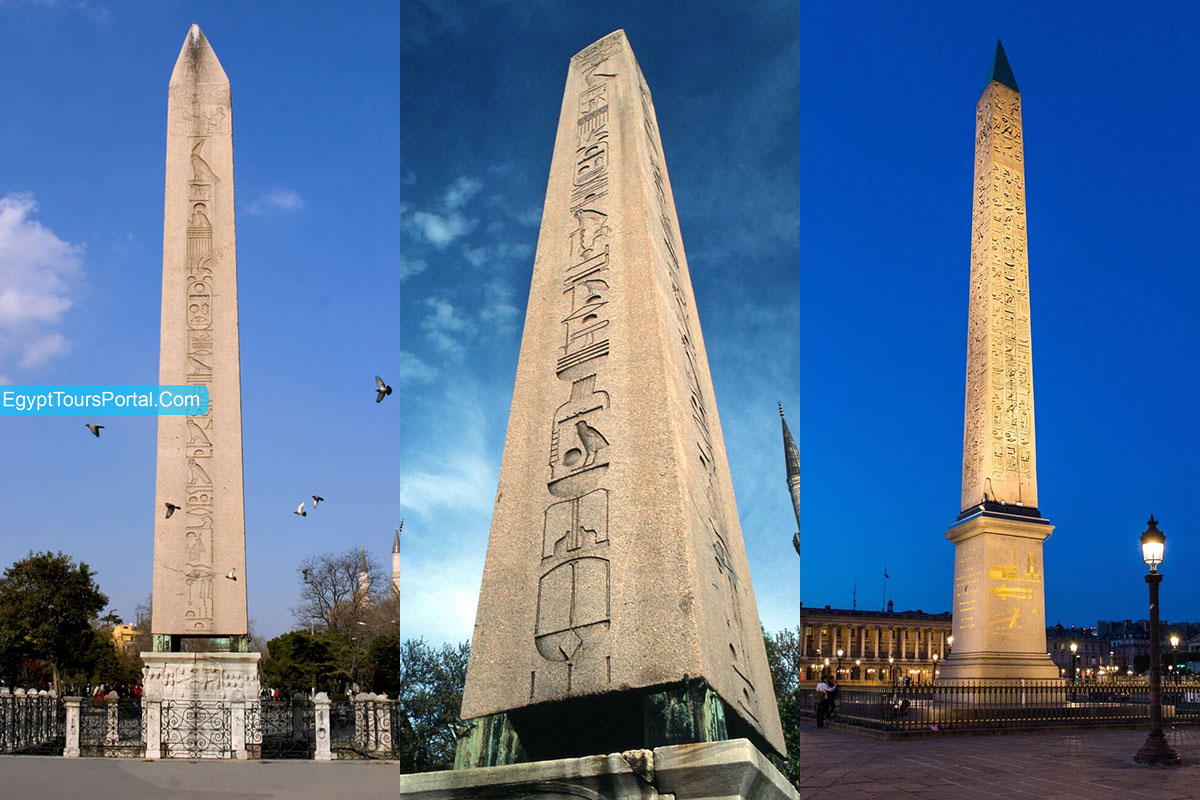
The colossal scale and monolithic nature of obelisks were not arbitrary choices; they were deliberate strategic decisions to communicate profound value and permanence. A brand’s perceived value is often tied to its perceived stability, reliability, and long-term commitment. An obelisk, by its very existence, projected these qualities. It was a commitment in stone, signaling that the pharaoh’s reign, and by extension the Egyptian empire, was stable, powerful, and meant to endure indefinitely.
For modern brands, this translates into consistent quality, reliable service, and a clear, unwavering vision. A brand that demonstrates permanence through its consistent presence, its commitment to its founding principles, and its ability to withstand market fluctuations cultivates a similar sense of trust and value. The “weight” and “solidity” of a brand, much like an obelisk, can communicate a deep-seated commitment to its promises, fostering consumer confidence that extends beyond fleeting trends. It’s about building a brand that feels as unshakeable and reliable as a monumental stone pillar.
Translating Obelisk Legacy to Modern Brand Strategy
The strategic thinking behind ancient obelisks offers a compelling framework for understanding and implementing effective brand strategies in the contemporary world. Their core purpose – to establish, project, and maintain an identity of power and longevity – directly maps to objectives of modern branding.
Building an Unshakeable Corporate Identity
Just as an obelisk cemented a pharaoh’s identity, a strong corporate identity is the bedrock of a successful brand. This isn’t just about a logo; it encompasses a company’s vision, mission, values, culture, and its distinctive voice. An unshakeable corporate identity ensures consistency across all touchpoints, from product design to customer service, creating a cohesive and memorable brand experience. The ancient Egyptians understood that every aspect of the obelisk, from its material to its inscriptions, had to align with the pharaoh’s identity. Similarly, modern brands must ensure every element reflects their core ethos, fostering internal cohesion and external clarity. This consistency builds familiarity and trust, making the brand recognizable and reliable, much like the steadfast obelisk.
Projecting Trust, Credibility, and Vision
Obelisks were designed to inspire trust and demonstrate credibility through their sheer presence and the implicit message of capability and stability. For brands today, projecting trust and credibility is paramount in a crowded and often skeptical marketplace. This involves transparency, ethical practices, quality products or services, and consistent communication. A brand’s vision, much like the aspirational message inscribed on an obelisk, defines its future trajectory and inspires confidence. By clearly articulating where it’s going and why, a brand can rally customers, employees, and stakeholders around a shared purpose, much as a pharaoh used an obelisk to unify their kingdom under a grand vision.
The Power of Iconic Design in Brand Recall
The enduring visual impact of an obelisk highlights the critical role of iconic design in brand recall. A distinctive and memorable design cuts through noise, embeds itself in the public consciousness, and becomes synonymous with the brand’s identity. Think of the world’s most recognizable brand symbols—they often possess a simplicity and timelessness akin to the obelisk’s form. Iconic design is not merely aesthetic; it’s functional, acting as a shortcut to memory and meaning. It encapsulates the brand’s essence in a visually compelling way, ensuring that even a fleeting glance evokes recognition and associated values. The obelisk stands as a powerful reminder that investing in a strong, unique, and lasting visual identity is crucial for long-term brand equity and recall.
The Obelisk as a Metaphor for Brand Resilience and Longevity
The sheer survival of obelisks, often standing for thousands of years despite the ravages of time, nature, and human conflict, makes them a powerful metaphor for brand resilience and longevity. They embody the aspiration of any brand: to not just exist, but to endure and remain relevant across generations.
Standing Strong Against the Sands of Time
A resilient brand, much like an obelisk, possesses core strength and adaptability that allows it to withstand challenges—economic downturns, shifts in consumer preferences, or disruptive technologies. While the physical obelisk literally stands against the elements, a brand’s resilience is built on its foundational values, its ability to innovate without losing its essence, and its unwavering connection with its audience. It’s about maintaining a clear, consistent identity while intelligently evolving its offerings and communication. Brands that possess this obelisk-like resilience are those that have cultivated deep loyalty and have a profound understanding of their purpose, allowing them to navigate turbulence and emerge stronger.

A Foundational Narrative: Purpose and Storytelling
Every obelisk tells a story—of a ruler, a deity, a moment in history. This foundational narrative gives the structure its meaning and purpose. Similarly, compelling brand storytelling is crucial for longevity. A brand’s narrative—its origin story, its mission, its values, and its impact—creates an emotional connection with consumers, making it more than just a product or service. This narrative provides context, evokes empathy, and differentiates the brand in a crowded market. Like the hieroglyphs etched into an obelisk, a brand’s story is etched into its identity, giving it depth, resonance, and a reason for being that transcends transactional interactions. It’s the shared history and future vision that keeps a brand standing tall, a beacon of its purpose, much like the ancient obelisks continue to tell their tales to all who behold them.
aViewFromTheCave is a participant in the Amazon Services LLC Associates Program, an affiliate advertising program designed to provide a means for sites to earn advertising fees by advertising and linking to Amazon.com. Amazon, the Amazon logo, AmazonSupply, and the AmazonSupply logo are trademarks of Amazon.com, Inc. or its affiliates. As an Amazon Associate we earn affiliate commissions from qualifying purchases.