
In the vast and intricate world of finance, few instruments are as fundamental and versatile as the note loan. Often an overlooked concept by the general public, it forms the bedrock of countless transactions, from personal borrowings between friends to multi-million dollar corporate financing and even government debt. At its core, a note loan is a formal agreement, typically legally binding, where one party (the borrower or maker) promises to pay another party (the lender or payee) a specific sum of money, either on demand or at a specified future date, usually with interest. It’s more than just a casual promise; it’s a meticulously crafted document outlining the terms, conditions, and obligations of both parties, providing clarity, security, and enforceability to financial arrangements. Understanding the intricacies of a note loan is crucial for anyone engaging in borrowing, lending, or investing, as it underpins much of our modern financial system.

Deconstructing the Note Loan: The Core Mechanics
To truly grasp the essence of a note loan, one must first dissect its fundamental components and understand the roles played by each participant. It is a contractual agreement that, while seemingly straightforward, carries significant legal and financial weight.
Definition and Basic Structure
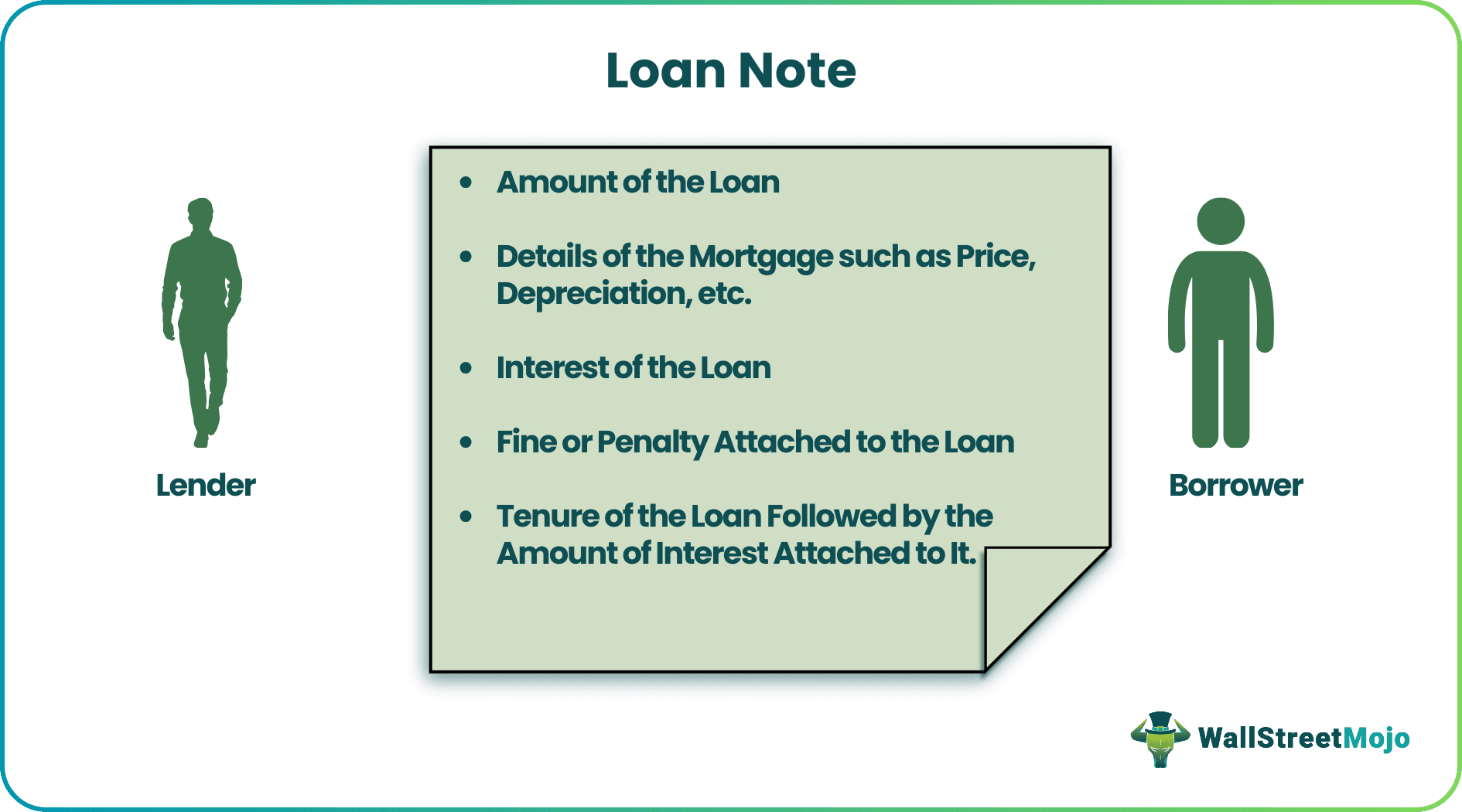
A note loan is primarily defined by its accompanying document: the promissory note. A promissory note is a written, unconditional promise by one party (the maker or borrower) to pay a definite sum of money to another party (the payee or lender) or to their order, either on demand or at a specified future date. This note serves as legal evidence of the debt.
The basic structure involves:
-
The Maker (Borrower): The entity or individual who owes the money and makes the promise to pay.
-
The Payee (Lender): The entity or individual to whom the money is owed and who will receive the payments.
-
Principal Amount: The original sum of money borrowed.
-
Interest Rate: The cost of borrowing the principal, usually expressed as an annual percentage.
-
Repayment Schedule: Details of how and when the principal and interest will be repaid (e.g., monthly installments, balloon payment).
-
Maturity Date: The date on which the entire loan, including any remaining principal and interest, becomes due.
-
Terms and Conditions: Any other specific clauses related to the loan, such as prepayment penalties, late fees, or events of default.
The Promissory Note as a Financial Instrument
Beyond being a mere promise, a promissory note functions as a legitimate financial instrument. It can be transferred or assigned to a third party, much like a check or a bond. This transferability allows lenders to sell their interest in a loan to another investor, creating a secondary market for debt. When a note is transferred, the new holder acquires the right to receive payments from the original borrower, subject to the original terms of the note. This characteristic makes note loans an attractive asset class for investors seeking fixed income.
Key Elements of a Promissory Note
A legally sound promissory note must contain several critical elements to ensure clarity and enforceability:
-
Date: The date the note is created.
-
Parties: Full legal names and addresses of both the maker and the payee.
-
Promise to Pay: A clear and unambiguous statement of the maker’s promise to pay.
-
Principal Sum: The exact amount of money borrowed.
-
Interest Rate and Calculation: How interest is calculated (e.g., simple, compound) and the specific annual percentage rate.
-
Payment Terms: The frequency (e.g., weekly, monthly, annually), amount of each payment, and where payments should be sent.
-
Maturity Date: The final due date for the loan.
-
Default Clause: What constitutes a default (e.g., missed payments) and the consequences, such as acceleration of the entire loan balance.
-
Collateral (if applicable): A detailed description of any assets pledged by the borrower to secure the loan.
-
Signatures: The legal signatures of all parties involved. In some cases, notarization may be required for added legal weight.
Types of Note Loans and Their Applications
The versatility of note loans means they appear in various forms across different financial sectors, tailored to specific needs and circumstances. Understanding these distinctions is key to appreciating their widespread application.
Secured vs. Unsecured Notes
One of the most crucial distinctions lies in whether a note loan is secured or unsecured.
-
Secured Notes: These are backed by collateral, an asset pledged by the borrower that the lender can seize and sell if the borrower defaults on the loan. Common collateral includes real estate, vehicles, equipment, or even inventory. Mortgage loans, for instance, are secured notes where the property itself serves as collateral. Secured notes generally carry lower interest rates because the lender’s risk is mitigated.
-
Unsecured Notes: These are not backed by any specific asset. The lender’s recourse in case of default is limited to the borrower’s general creditworthiness and legal action. Personal loans, credit card debt, and many corporate bonds are examples of unsecured notes. Due to the higher risk for the lender, unsecured notes typically command higher interest rates.
Mortgage Notes
Perhaps the most common type of note loan encountered by individuals is the mortgage note. When you take out a mortgage to buy a home, you sign a promissory note obligating you to repay the loan, typically over 15 to 30 years, with interest. This note is secured by the property itself. Mortgage notes are also significant in the secondary market, where they are often bundled together and sold as mortgage-backed securities (MBS), playing a crucial role in the global financial system.
Business Notes
Businesses frequently use note loans for a myriad of purposes. They might issue notes to secure working capital, finance equipment purchases, fund expansion projects, or manage cash flow. A business note can be secured by business assets (e.g., machinery, accounts receivable) or unsecured, based on the company’s credit strength. Small business loans, lines of credit, and even certain types of venture debt often take the form of business notes.
Personal Notes
Less formal but equally valid are personal notes, often used for loans between individuals, such as family members, friends, or even private lenders. While these can be simpler in structure, it is always advisable to have a detailed promissory note, especially when significant sums are involved, to avoid misunderstandings and provide legal recourse if needed. These can be used for anything from car purchases to tuition fees.
Investment Notes (e.g., Corporate Bonds, Treasury Notes)
On a larger scale, various investment instruments are essentially sophisticated forms of note loans.
-
Corporate Bonds: When a corporation issues bonds, it is essentially borrowing money from investors and promising to pay them back (the principal) on a specific date, along with periodic interest payments. These are unsecured notes, relying on the corporation’s credit.
-
Treasury Notes (T-Notes): Issued by national governments, like the U.S. Treasury, to finance public debt. These are highly liquid and considered very safe investment notes, paying fixed interest rates over periods typically ranging from two to ten years.
The Role of Note Loans in Investment and Finance
Beyond their function in facilitating borrowing, note loans also represent a significant asset class for investors, offering opportunities for income and portfolio diversification.
Investing in Notes
Investors can directly or indirectly invest in note loans. This can range from purchasing individual mortgage notes or business notes (often through specialized platforms) to investing in funds that hold portfolios of various debt instruments, such as bond funds or private debt funds. The primary appeal for note investors is the fixed income stream – predictable interest payments over a set period. This makes notes attractive for income-seeking investors, retirees, or those looking to balance a more volatile equity portfolio with stable returns.
The Secondary Market for Notes
The existence of a secondary market for notes is a crucial aspect of their financial utility. Lenders don’t always want to hold a loan until maturity; they may need liquidity or wish to reallocate capital. They can sell their promissory notes to other investors (e.g., institutional investors, hedge funds, or even individual accredited investors). This market allows for the efficient pricing and trading of debt, providing liquidity to lenders and offering diverse investment opportunities to buyers. Mortgage-backed securities (MBS) are a prime example of a highly liquid secondary market for bundled mortgage notes.
Risks and Rewards for Note Investors
Like any investment, notes come with their own set of risks and rewards:
-
Rewards:
-
Predictable Income: Regular interest payments provide a steady cash flow.
-
Diversification: Notes can offer a low correlation with equity markets, providing portfolio diversification.
-
Potentially Higher Yields: Certain notes, especially those from smaller businesses or private loans, can offer higher yields than traditional savings accounts or even some public bonds, compensating for higher risk.
-
-
Risks:
-
Credit Risk (Default Risk): The primary risk is that the borrower may default on payments, leading to a loss of principal and interest. Thorough due diligence on the borrower’s creditworthiness is essential.
-
Interest Rate Risk: If market interest rates rise after you’ve purchased a fixed-rate note, the value of your existing note may decline in the secondary market because new notes offer higher yields.
-
Liquidity Risk: Some notes, especially private ones, may not have a readily available secondary market, making them difficult to sell before maturity.
-
Inflation Risk: The fixed payments received may lose purchasing power if inflation is higher than anticipated.
-
Advantages and Disadvantages of Note Loans
Note loans present a unique set of benefits and drawbacks for both the borrowers seeking capital and the lenders providing it. A balanced understanding is crucial for effective financial decision-making.
For Borrowers
Advantages:
-
Access to Capital: Note loans provide a structured way for individuals and businesses to access necessary funds for personal needs, growth, or operational expenses.
-
Predictable Payments: Fixed-rate note loans offer stable, predictable monthly payments, making budgeting easier.
-
Flexible Terms: Depending on the lender and borrower’s negotiation power, note loans can often be tailored with flexible repayment schedules, interest structures, and maturity dates.
-
Collateral Leverage: For secured notes, borrowers can leverage existing assets to obtain more favorable interest rates or larger loan amounts.
Disadvantages:
-
Interest Costs: Borrowers must pay interest on the borrowed principal, increasing the total cost of the loan.
-
Collateral Requirements: Secured notes require borrowers to pledge valuable assets, risking their loss in case of default.
-
Default Consequences: Failure to repay can lead to severe consequences, including damage to credit scores, legal action, seizure of collateral, and even bankruptcy.
-
Debt Burden: Excessive reliance on note loans can lead to an unsustainable debt burden, particularly if income streams are inconsistent.
For Lenders/Investors
Advantages:
-
Predictable Income Stream: Notes generate regular interest payments, providing a steady and reliable source of income.
-
Potential for Higher Yields: Depending on the risk profile of the borrower, notes can offer higher returns compared to traditional savings accounts or low-yield bonds.
-
Portfolio Diversification: Investing in notes can help diversify an investment portfolio, reducing overall risk by including assets with different risk-return characteristics than stocks.
-
Legal Enforceability: The promissory note provides a clear legal framework for collecting the debt, offering recourse in case of borrower default.
Disadvantages:
-
Credit Risk (Borrower Default): The primary risk is the potential for the borrower to fail in repaying the loan, leading to capital loss.
-
Interest Rate Risk: Rising market interest rates can diminish the relative value of existing fixed-rate notes.
-
Liquidity Risk: Some notes, particularly private and illiquid ones, may be difficult to sell quickly at fair market value before maturity.
-
Servicing Challenges: For direct lenders, managing payments, collections, and potential defaults can be time-consuming and resource-intensive.
-
Inflation Risk: Fixed interest payments may lose purchasing power over time if inflation outpaces the yield.
Legal Considerations and Best Practices
Given the contractual nature of note loans, legal precision and diligent practices are paramount for all parties involved to ensure clarity, enforceability, and protection.
Enforceability and Legal Recourse
The enforceability of a promissory note hinges on its clear articulation of terms, proper execution, and adherence to relevant laws. In the event of a dispute or default, the note serves as the primary legal document to define obligations and rights. Lenders can pursue legal recourse, such as suing for breach of contract, foreclosing on collateral (for secured notes), or initiating collection actions. For borrowers, a well-drafted note protects them from arbitrary changes in terms and clearly outlines their responsibilities. Engaging legal counsel to draft or review significant note loans is a best practice to ensure compliance and mitigate future disputes.
Due Diligence
For Borrowers: Before signing a note loan, borrowers must perform thorough due diligence. This includes fully understanding all terms and conditions, interest rates, repayment schedules, fees, and default clauses. They should assess their ability to meet the repayment obligations comfortably and consider the implications of pledging collateral.
For Lenders/Investors: Lenders must conduct rigorous due diligence on potential borrowers. This involves assessing creditworthiness (credit scores, financial history, income verification), reviewing business plans (for business loans), and evaluating the value and marketability of any proposed collateral. Understanding the borrower’s capacity and willingness to repay is critical in mitigating credit risk.
Regulatory Landscape
The issuance and trading of note loans are subject to various financial regulations, which can differ based on the type of note and the jurisdiction. For instance, mortgage notes are heavily regulated to protect consumers, while corporate bonds are subject to securities laws enforced by bodies like the Securities and Exchange Commission (SEC) in the U.S. Private notes between individuals may have fewer direct regulations but are still subject to general contract and lending laws. Being aware of the relevant regulatory framework is essential for both compliance and protection, particularly for larger or publicly traded notes.

Conclusion
A note loan, embodied by the promissory note, is a deceptively simple yet profoundly powerful instrument that underpins much of our global financial architecture. From the individual borrowing for a personal expense to a multinational corporation issuing billions in bonds, the fundamental promise to repay a defined sum, with interest, forms the backbone of countless financial interactions. For borrowers, it represents access to capital, while for lenders and investors, it offers predictable income and opportunities for portfolio diversification.
However, its power comes with inherent responsibilities and risks. Both parties must engage with diligence, clarity, and an understanding of the legal implications. By meticulously crafting the terms, performing thorough due diligence, and respecting the underlying legal framework, note loans can effectively facilitate capital flow, drive economic activity, and provide crucial financial stability and growth for all participants. Understanding “what is a note loan” is not just an academic exercise; it’s a fundamental step toward financial literacy and intelligent engagement with the world of money.
aViewFromTheCave is a participant in the Amazon Services LLC Associates Program, an affiliate advertising program designed to provide a means for sites to earn advertising fees by advertising and linking to Amazon.com. Amazon, the Amazon logo, AmazonSupply, and the AmazonSupply logo are trademarks of Amazon.com, Inc. or its affiliates. As an Amazon Associate we earn affiliate commissions from qualifying purchases.