
In the era of smartphones, high-resolution DSLRs, and instant social media sharing, the definition of a “normal” size photo has become increasingly fluid. Historically, a normal photo was defined by the physical dimensions of a print held in one’s hand. Today, “normal” is dictated by pixel density, aspect ratios, and the specific technical requirements of digital platforms. Understanding these dimensions is crucial for photographers, developers, and tech enthusiasts who want to ensure their visual content maintains its integrity across various hardware and software environments.
The Evolution of Standard Photo Sizes in the Tech Landscape
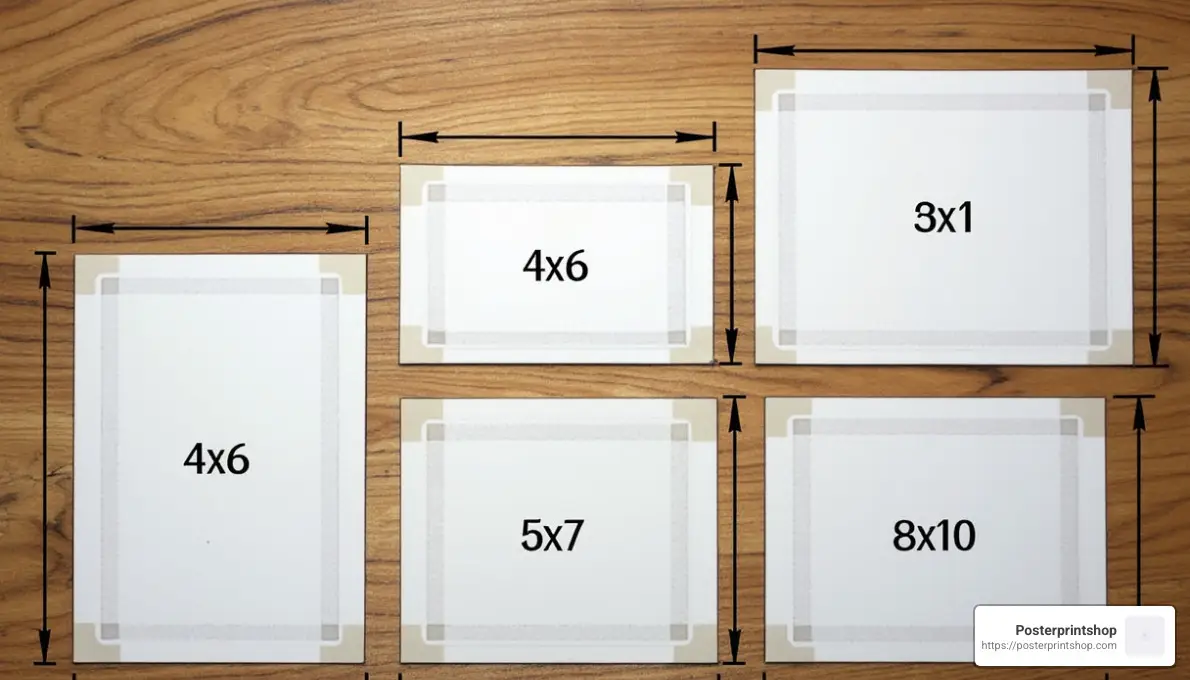
To understand what constitutes a normal size photo today, we must first look at the legacy of analog photography and how it translated into the digital binary. For decades, the 4×6 inch print was the universal standard. This dimension wasn’t arbitrary; it was derived from the 35mm film format, which possesses a 3:2 aspect ratio.
The Legacy of Film: Why 4×6 Remains the Gold Standard
The 4×6 inch (10×15 cm) photo remains the most common size for physical prints. In the tech world, this translates to a 3:2 aspect ratio. Most full-frame and APS-C mirrorless cameras and DSLRs are engineered with sensors that natively capture images in this ratio. When a professional photographer speaks of a “normal” photo, they are often referring to this 3:2 frame, as it mirrors the field of view that has dominated the industry for nearly a century.
Understanding Aspect Ratios: From 3:2 to 16:9
An aspect ratio is the proportional relationship between an image’s width and height. While 3:2 is the standard for professional photography, the tech industry has introduced several other “normal” ratios:
- 4:3 Aspect Ratio: This is the native format for most smartphones (including iPhones) and Micro Four Thirds cameras. It was also the standard for older television monitors.
- 16:9 Aspect Ratio: Known as “Widescreen,” this is the standard for modern computer monitors, televisions, and high-definition video. Many smartphones now offer a 16:9 capture mode to fill the entire screen during playback.
- 1:1 Aspect Ratio: Popularized by Instagram and digital Polaroid emulators, the square format has become a digital “normal” for social media profile icons and feed posts.
Digital Resolution and Pixel Density: What Makes a Photo “High Quality”?
In the digital realm, physical inches matter less than pixels. The “size” of a photo is often measured in megapixels (MP) or pixel dimensions (e.g., 1920×1080). To determine what is normal for digital use, we must look at the display technology the image will be viewed on.
Megapixels vs. PPI: Deciphering the Technical Jargon
A “normal” digital photo size for high-quality viewing is generally considered to be one that aligns with the resolution of a 4K monitor. A 4K image is approximately 8.3 megapixels (3840 x 2160 pixels). While modern smartphones capture at 12MP, 48MP, or even 108MP, much of this data is “binned” or compressed to create a manageable file size that still looks sharp on a screen.
PPI, or Pixels Per Inch, determines the density of those pixels. For a photo to look “normal” and sharp to the human eye when printed, the industry standard is 300 PPI. For web display, 72 PPI was the historical standard, though modern Retina and OLED displays have pushed this requirement much higher to ensure images do not appear “pixelated” or blurry.
Standard Resolutions for Modern Displays and Devices
When designing apps or websites, developers often target specific “normal” resolutions:
- Full HD (1080p): 1920 x 1080 pixels. This is the baseline for high-quality web images.
- QHD (1440p): 2560 x 1440 pixels. Common in high-end gaming monitors.
- UHD (4K): 3840 x 2160 pixels. The current gold standard for professional photography portfolios and streaming.
The Impact of Compression and File Formats on Image Size
Technically, the “size” of a photo also refers to its footprint on a hard drive or cloud storage. A photo’s normal file size depends heavily on the file format and the level of compression applied by the software.
Lossy vs. Lossless: JPEG, PNG, and HEIC
The most common format, JPEG, is a “lossy” format. It reduces the file size by permanently discarding some data that the human eye is less likely to notice. A “normal” 12MP JPEG usually weighs between 3MB and 7MB.
PNG is a “lossless” format often used in web tech for graphics that require transparency. These files are significantly larger because they retain every bit of data.
HEIC (High-Efficiency Image Container) is the standard format for Apple devices. It uses advanced compression algorithms to provide the same quality as a JPEG but at roughly half the file size. This has become a new “normal” for mobile tech users, allowing for thousands of high-resolution photos to be stored on a single device.
Why RAW Files are the Industry Standard for Professionals
For tech-savvy photographers, the “normal” way to capture data is in RAW. A RAW file is not an image in the traditional sense; it is a data dump of everything the sensor saw. While a standard JPEG might be 5MB, a RAW file from the same camera could be 30MB to 100MB. This format allows for maximum flexibility in post-processing software like Adobe Lightroom or Capture One, enabling the recovery of highlights and shadows that would be lost in a compressed format.
Optimized Sizes for Web and Social Media Platforms
In the world of social media and web development, a “normal” size photo is one that balances visual fidelity with loading speed. Large files slow down websites, which negatively impacts SEO and user experience.
Instagram, Facebook, and the Shift to Vertical Media
Social media platforms have their own standardized “normal” dimensions to which they crop uploaded content:
- Instagram Feed: 1080 x 1350 pixels (4:5 ratio) is the optimized size for vertical posts to occupy the most screen real estate.
- Stories and Reels: 1080 x 1920 pixels (9:16 ratio). This has become the “new normal” for mobile-first consumption.
- Facebook Cover Photos: 820 x 312 pixels. This wide, short format is a specific tech requirement for desktop branding.
Web Performance: Balancing Image Dimensions with Load Speed
For web tech, “normal” is about optimization. A photo meant for a hero banner on a website should typically be no wider than 2000 pixels and compressed to stay under 500KB. Tech tools like Google’s WebP format are now the standard for web images, offering superior compression and quality compared to traditional JPEGs, ensuring that high-quality visuals do not compromise page load times.
Future Trends: AI Upscaling and High-Efficiency Encoding
The concept of a “normal” size photo is currently being disrupted by Artificial Intelligence. We are moving toward a future where the initial capture size matters less than the computational power available to process it.
How AI is Redefining “Normal” Resolution
Through a process known as Super Resolution or AI Upscaling, software can now take a small, low-resolution “normal” photo and intelligently fill in the missing pixels to create a 4K or 8K version. This technology, utilized in tools like Adobe’s Enhance feature or Topaz Photo AI, means that “normal” is no longer a fixed ceiling. A thumbnail-sized image can theoretically be expanded to a billboard-sized print without the traditional loss of clarity.
The Rise of AVIF and Next-Gen Codecs
As we look toward the future of digital imaging, the AVIF (AV1 Image File Format) is poised to replace JPEG and WebP. AVIF offers even higher compression efficiency and supports a wider color gamut (HDR). As browser support for AVIF becomes universal, the “normal” file size for a high-definition photo on the internet will likely drop by another 30-50%, allowing for an even richer visual web experience without taxing bandwidth or storage.
In conclusion, a “normal” size photo is defined entirely by its destination. Whether it is a 4×6 physical print, a 1080×1920 smartphone story, or a 45MP RAW file, understanding the technical specifications behind these dimensions is essential. As display technology and AI continue to evolve, the standards for resolution and compression will continue to shift, making adaptability the only true constant in the world of digital imaging.
aViewFromTheCave is a participant in the Amazon Services LLC Associates Program, an affiliate advertising program designed to provide a means for sites to earn advertising fees by advertising and linking to Amazon.com. Amazon, the Amazon logo, AmazonSupply, and the AmazonSupply logo are trademarks of Amazon.com, Inc. or its affiliates. As an Amazon Associate we earn affiliate commissions from qualifying purchases.