
The concept of a “normal” mortgage interest rate is, by its very nature, elusive. Unlike a fixed constant, mortgage rates are dynamic, influenced by a complex interplay of economic forces, geopolitical events, and individual financial circumstances. For anyone embarking on the journey of homeownership or considering refinancing, understanding what constitutes a reasonable rate is paramount. It’s not about finding a universal benchmark, but rather comprehending the factors that shape these rates and how to assess what’s competitive and appropriate for your unique situation in a given market. This article will demystify the intricacies of mortgage interest rates, offering a comprehensive guide to understanding their fluctuations, historical context, and how to position yourself for the most favorable terms.
Understanding the Dynamics of Mortgage Interest Rates
Mortgage interest rates are not arbitrarily set figures; they are a direct reflection of a multifaceted economic landscape. To truly grasp what a “normal” rate entails, one must first appreciate the powerful levers that cause them to rise and fall.
The Role of Macroeconomic Indicators
Several broad economic indicators exert significant influence over mortgage rates. Inflation, perhaps the most prominent, is a major driver. When inflation is high or expected to rise, lenders demand higher interest rates to compensate for the erosion of their future purchasing power. Conversely, periods of low inflation often correlate with lower rates. Economic growth, measured by Gross Domestic Product (GDP), also plays a role. A strong, growing economy often brings inflationary pressures and can lead to higher rates as demand for money increases. Conversely, an economic slowdown might prompt central banks to lower rates to stimulate activity. Employment data, such as the unemployment rate and job growth, provides further insights into economic health, indirectly affecting consumer spending and inflationary expectations. Strong employment typically signals a robust economy, potentially leading to higher rates.
Federal Reserve Policy and the Bond Market
At the heart of interest rate movements in the United States is the Federal Reserve. While the Fed doesn’t directly set mortgage rates, its actions profoundly impact them. The Fed influences the federal funds rate, which is the target rate for overnight lending between banks. Changes to this rate ripple through the entire financial system. When the Fed raises the federal funds rate, it generally makes borrowing more expensive, pushing other interest rates, including mortgage rates, upward. The Fed’s actions around quantitative easing (QE) or quantitative tightening (QT)—buying or selling government bonds—also significantly affect long-term interest rates. Buying bonds injects liquidity into the market, often lowering rates, while selling bonds does the opposite.
Crucially, long-term mortgage rates are most closely tied to the 10-year Treasury yield. The bond market is a forward-looking entity; investors buy and sell government bonds based on their expectations for future inflation and economic growth. When bond yields rise, mortgage rates typically follow suit, as mortgage-backed securities (MBS) compete with Treasuries for investor attention. Lenders need to offer competitive rates to attract investors to MBS, which are the underlying assets for most mortgages.
Personal Financial Profile: A Key Determinant
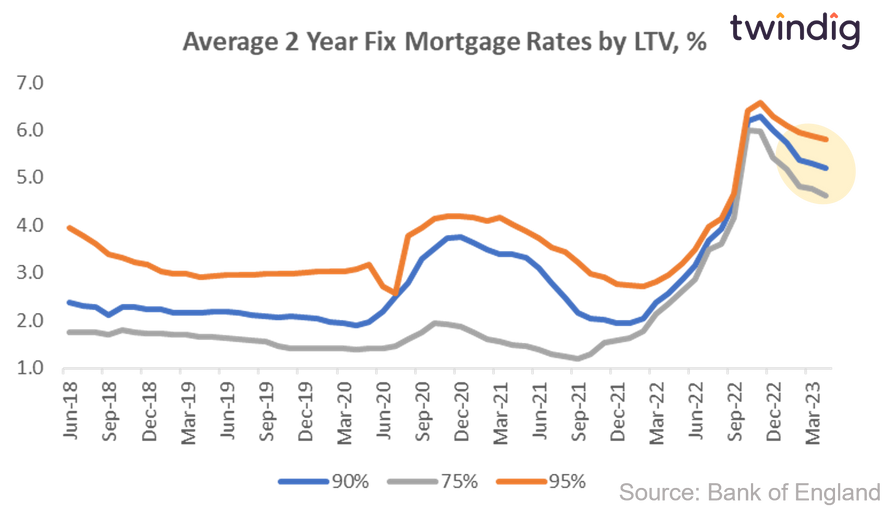
While macroeconomic factors set the broad market rate, your individual financial profile is a critical determinant of the specific rate you’ll be offered. Your credit score is paramount; a higher score (generally 740+) indicates lower risk to lenders, translating into more favorable interest rates. Debt-to-income (DTI) ratio, which compares your monthly debt payments to your gross monthly income, also matters. A lower DTI suggests you have ample income to cover your mortgage payments. The loan-to-value (LTV) ratio, calculated by dividing your loan amount by the home’s appraised value, is another factor. A larger down payment results in a lower LTV, signaling less risk for the lender and potentially securing a better rate. Finally, the type of loan (e.g., FHA, VA, USDA, conventional) and loan term (e.g., 15-year, 30-year) will also influence the rate, with shorter terms typically offering lower interest rates due to reduced long-term risk for the lender.
A Historical Perspective on “Normal”
Understanding current rates requires context. What was considered normal in one decade might be an anomaly in another. Mortgage rates have experienced dramatic swings throughout history, reflecting major economic shifts and policy changes.
Decades of Fluctuation: From Peaks to Troughs
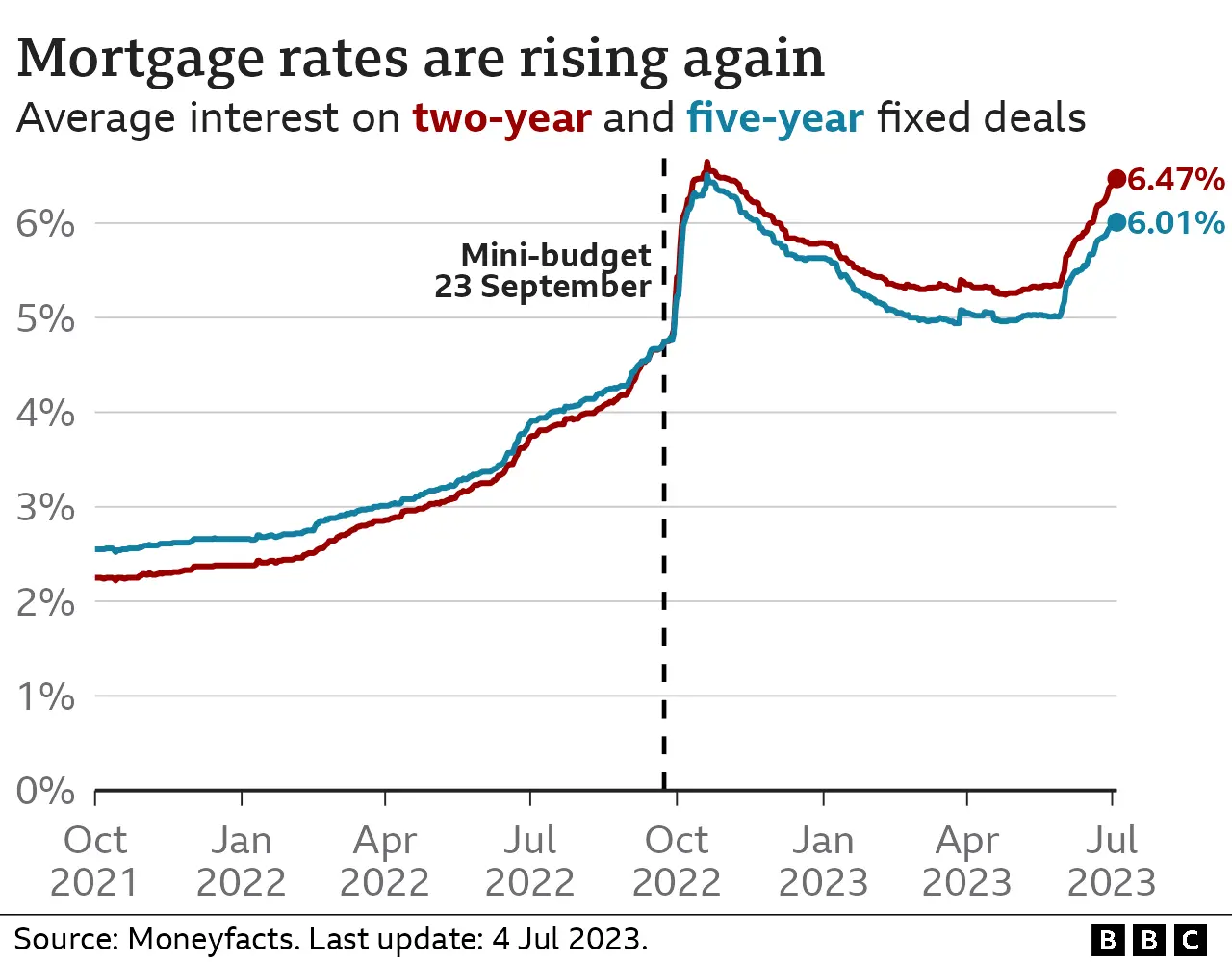
Looking back, we see that the 30-year fixed mortgage rate has been anything but static. In the 1970s and early 1980s, the U.S. experienced periods of high inflation, pushing mortgage rates into double digits, famously peaking at over 18% in 1981. This era was characterized by aggressive monetary policy aimed at curbing runaway inflation. As inflation was brought under control in the late 1980s and 1990s, rates steadily declined, settling into the 7-9% range. The early 2000s saw rates continue their descent, often hovering in the 5-7% range. Following the 2008 financial crisis, the Federal Reserve implemented extraordinary measures, including near-zero interest rates and extensive quantitative easing, which drove mortgage rates to historic lows, often below 4% and even dipping under 3% in the early 2020s.
The Impact of Economic Cycles
These historical trends underscore that “normal” is entirely relative to the prevailing economic cycle. Periods of robust economic expansion, often accompanied by higher inflation, tend to push rates higher as demand for credit increases and lenders seek greater returns. Conversely, economic downturns, recessions, or periods of low inflation often lead to lower rates as central banks try to stimulate growth and liquidity. Geopolitical events, such as wars or international crises, can also inject volatility, driving rates up as investors seek safer assets or down due to economic uncertainty. The key takeaway is that the “normal” rate is a moving target, constantly recalibrated by the forces of supply, demand, and monetary policy.
Fixed vs. Adjustable: Choosing Your Rate Structure
Beyond understanding what the rate is, it’s equally important to understand how the rate is structured. The choice between a fixed-rate and an adjustable-rate mortgage (ARM) fundamentally impacts your financial predictability and exposure to future market fluctuations.

Fixed-Rate Mortgages: Predictability in a Volatile Market
A fixed-rate mortgage offers an interest rate that remains constant for the entire life of the loan, typically 15 or 30 years. This provides unparalleled stability and predictability in your monthly housing payments. Regardless of how economic conditions or the broader interest rate environment change, your principal and interest payment will not. This certainty is highly valued by homeowners who prioritize budget stability and want to protect themselves from potential rate hikes in the future. In periods of rising rates, a fixed-rate mortgage becomes particularly attractive, locking in a lower rate for the long term. However, the trade-off is that initial fixed rates are often slightly higher than the introductory rates of ARMs, and you won’t benefit if market rates fall significantly unless you refinance.
Adjustable-Rate Mortgages (ARMs): Balancing Risk and Reward
An adjustable-rate mortgage (ARM) begins with an initial fixed interest rate for a set period, typically 3, 5, 7, or 10 years (e.g., a 5/1 ARM means the rate is fixed for 5 years, then adjusts annually). After this introductory period, the interest rate fluctuates based on a pre-selected market index (like the Secured Overnight Financing Rate – SOFR, or the Constant Maturity Treasury – CMT), plus a fixed margin set by the lender. ARMs often start with a lower interest rate than comparable fixed-rate mortgages, making them appealing to buyers who plan to sell or refinance before the fixed period ends, or those who expect their income to increase substantially.
The primary risk with an ARM is that the interest rate, and consequently your monthly payment, could increase significantly once the adjustment period begins. While most ARMs have caps (per-adjustment, annual, and lifetime) to limit how much the rate can change, the possibility of higher payments introduces an element of uncertainty. ARMs can be a strategic choice in a declining rate environment or for borrowers with specific short-term financial goals, but they demand a greater tolerance for risk and careful financial planning.
Navigating Today’s Market: What’s “Normal” For You?
Given the dynamic nature of mortgage rates, the question shifts from “what is the normal rate?” to “what is a normal and achievable rate for me in today’s market?” This requires a personalized approach, combining market awareness with a deep understanding of your financial readiness.
Beyond the Average: Personalizing Your Rate Search
Market averages, while informative, can be misleading if not viewed through your personal lens. A reported national average mortgage rate is exactly that: an average. Your specific rate offer will be tailored to your credit score, DTI, LTV, loan type, and even the nuances of your chosen lender. For example, if your credit score is in the lower range of “good” but not “excellent,” your “normal” rate might be a quarter to half a percentage point higher than someone with a pristine credit profile. Therefore, a truly “normal” rate for you is one that is competitive given your specific financial circumstances and the prevailing market conditions on the day you apply. It’s crucial to understand that even small differences in interest rates can lead to significant savings or additional costs over the lifespan of a mortgage.
Strategies for Securing a Competitive Rate
To ensure you secure the most favorable rate possible, consider these proactive strategies:
- Enhance Your Credit Score: Prioritize paying down debts, especially credit card balances, and ensure there are no errors on your credit report. A higher score directly translates to lower perceived risk and better rates.
- Reduce Your Debt-to-Income Ratio: Before applying, try to pay off other loans or credit card balances to lower your monthly debt obligations relative to your income.
- Increase Your Down Payment: A larger down payment (e.g., 20% or more) reduces your LTV, signaling less risk to lenders and potentially allowing you to avoid private mortgage insurance (PMI).
- Shop Around Extensively: Do not settle for the first offer. Contact multiple lenders—banks, credit unions, and mortgage brokers—to compare rates, fees, and terms. Lenders often have different pricing models, and even minor differences can add up. Most credit inquiries for a mortgage within a short window (typically 14-45 days, depending on the scoring model) are counted as a single inquiry, minimizing impact on your credit score.
- Consider Mortgage Points: You can sometimes “buy down” your interest rate by paying upfront fees known as discount points. Each point typically costs 1% of the loan amount and can reduce your interest rate by 0.125% to 0.25%. Calculate whether the long-term savings justify the upfront cost, especially if you plan to stay in the home for many years.
- Lock in Your Rate: Once you receive a favorable rate offer, inquire about a rate lock. This guarantees your interest rate for a specific period (e.g., 30, 45, or 60 days) while your loan processes, protecting you from potential market rate increases.
The Future of Mortgage Rates: What to Expect
Predicting the precise trajectory of mortgage rates is notoriously difficult, even for seasoned economists. However, understanding the factors that will likely shape future trends can help prospective homebuyers and refinancers make informed decisions.
Expert Predictions and Market Forecasts
Most financial institutions and housing market analysts publish regular forecasts for mortgage rates. These predictions are typically based on expectations for inflation, economic growth, and the Federal Reserve’s monetary policy decisions. For instance, if inflation remains stubbornly high, the Fed might continue or resume tightening monetary policy, which would likely push mortgage rates upward. Conversely, a significant economic slowdown or recession could prompt the Fed to lower rates to stimulate the economy, potentially leading to a decrease in mortgage rates. Geopolitical stability or instability can also play a role, as global events often have ripple effects on financial markets. While these forecasts offer valuable insights, they are not guarantees and should be viewed as probabilities rather than certainties.
Preparing for Rate Changes
Given the inherent uncertainty, the best approach is to prepare for potential rate changes rather than trying to perfectly time the market.
- For Buyers: If rates are on an upward trend, it might suggest locking in a rate sooner rather than later. If rates are declining, waiting patiently for slightly better terms might be an option, but be mindful of how long you’re willing to wait. Always consider what you can comfortably afford, not just the lowest possible rate.
- For Refinancers: Continuously monitor market rates relative to your current mortgage rate. Even a slight decrease could make refinancing worthwhile, especially if you can reduce your loan term or switch from an ARM to a fixed rate for stability. Use online refinance calculators to estimate potential savings and break-even points for closing costs.
- Financial Flexibility: Maintain a strong credit score, a low DTI, and a healthy emergency fund. This financial preparedness not only helps you secure better rates but also provides a buffer against any adverse economic shifts or unexpected payment increases, particularly for ARM holders.
In conclusion, “what is a normal mortgage interest rate?” is a question with a dynamic answer. It is a figure constantly molded by global economies, central bank policies, and the specifics of your personal financial health. By diligently educating yourself on these forces, actively improving your financial standing, and shrewdly shopping for your loan, you empower yourself to secure a rate that is not only “normal” but truly optimal for your financial future.
aViewFromTheCave is a participant in the Amazon Services LLC Associates Program, an affiliate advertising program designed to provide a means for sites to earn advertising fees by advertising and linking to Amazon.com. Amazon, the Amazon logo, AmazonSupply, and the AmazonSupply logo are trademarks of Amazon.com, Inc. or its affiliates. As an Amazon Associate we earn affiliate commissions from qualifying purchases.