
For millions of Americans, Social Security represents a cornerstone of their retirement planning, a vital safety net designed to provide financial stability in their later years. However, a common misconception, or at least a significant area of confusion, arises when retirees or those nearing retirement consider continuing to work while simultaneously claiming their Social Security benefits. The question isn’t whether it’s possible, but rather, “how much can you earn and still receive Social Security?” and, crucially, “what are the implications for your benefits?”
This article delves into the intricacies of Social Security’s earnings test, demystifying the rules that govern how your work income can affect your retirement or survivor benefits. We’ll explore the various thresholds, the impact of your age, and strategic considerations to help you navigate this complex financial landscape, ensuring you make informed decisions that maximize your financial well-being.
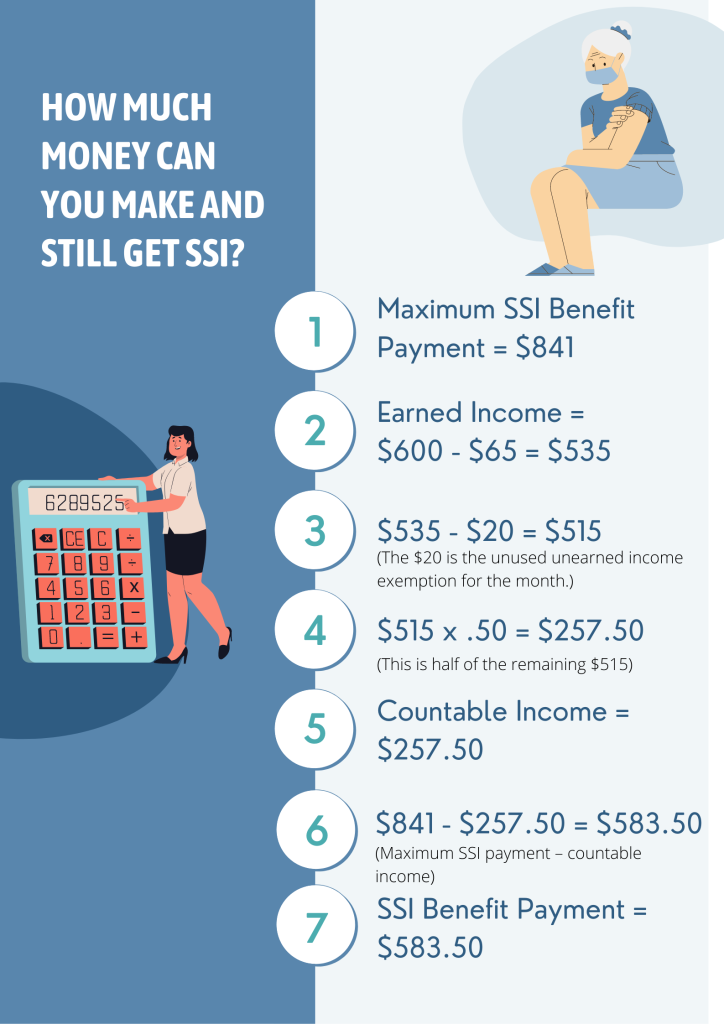
Understanding Social Security’s Earnings Limit
The Social Security Administration (SSA) implements an “earnings test” for beneficiaries who are below their Full Retirement Age (FRA) and continue to work. This test dictates how much you can earn from employment or self-employment before your Social Security benefits are reduced. It’s a critical concept to grasp, as misunderstanding it can lead to unexpected reductions in your monthly payments.
The Rationale Behind Earnings Limits
The primary purpose of Social Security retirement benefits is to provide income replacement for individuals who have largely or entirely stopped working due to age. The earnings test, therefore, serves as a mechanism to balance the program’s objectives. It ensures that benefits are primarily directed towards those who are truly retired or significantly reducing their work hours, while still allowing some flexibility for beneficiaries to supplement their income without losing all their benefits. It’s not intended as a penalty but rather a structural component designed to manage the program’s solvency and equitable distribution.
Annual Earnings Limits and Their Thresholds
The earnings limits are subject to change annually, typically adjusted for inflation. It’s crucial to check the most current figures from the Social Security Administration. However, the general structure remains consistent:
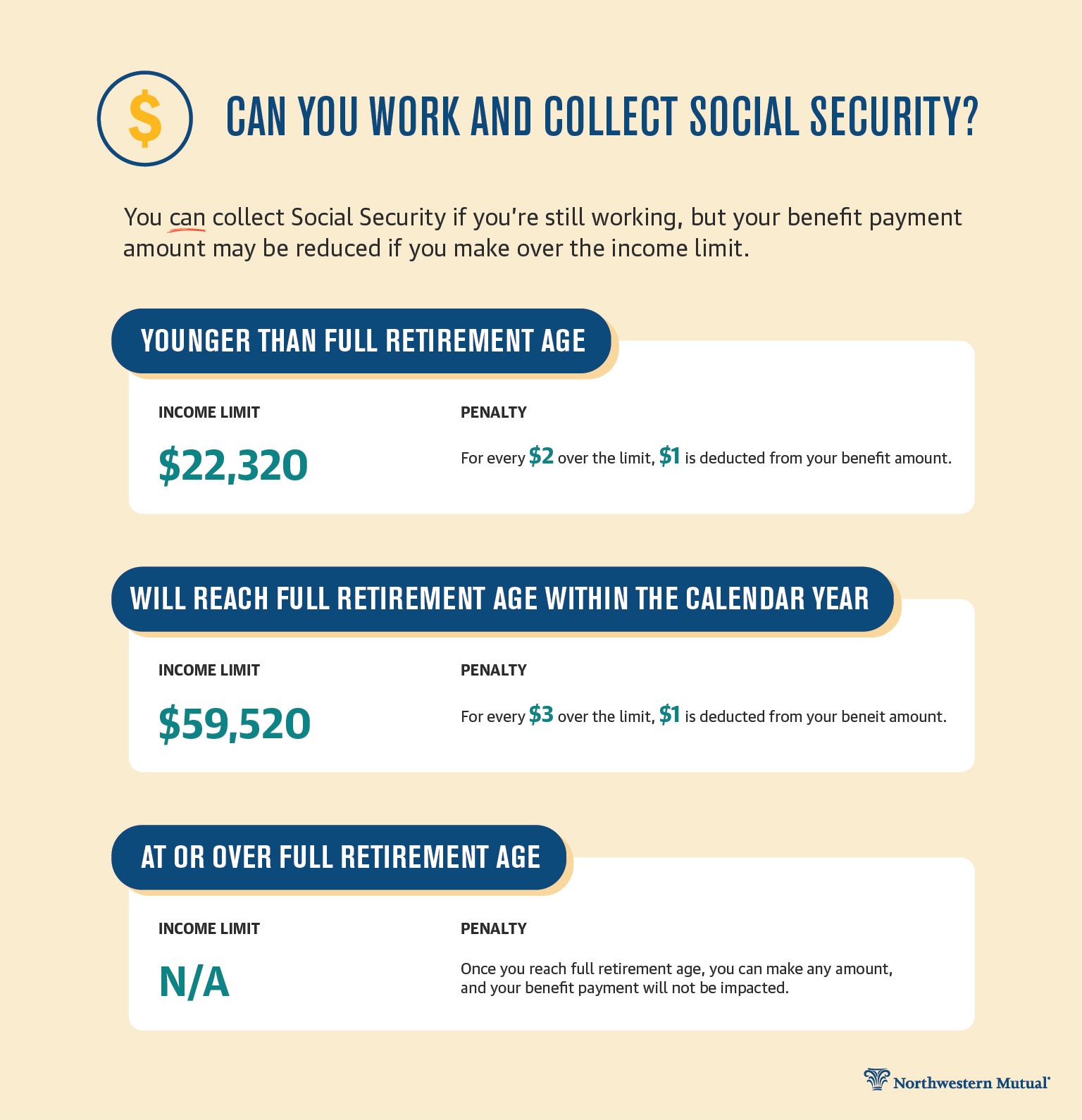
- Before the Year You Reach Full Retirement Age: For beneficiaries who are under their FRA for the entire year, there’s a relatively lower annual earnings limit. If your earnings exceed this limit, the SSA will deduct a certain amount from your benefits for every dollar you earn above the threshold. For example, in recent years, for every $2 earned over the limit, $1 in benefits is withheld.
- In the Year You Reach Full Retirement Age: In the calendar year you will attain your FRA, a higher earnings limit applies. Additionally, the withholding rate changes for earnings above this limit. For instance, in recent years, for every $3 earned over this higher limit, $1 in benefits is withheld, but only for the months before your FRA. Once you reach your FRA, the earnings test no longer applies.
It’s important to note that these limits apply to your gross earned income – wages from an employer or net earnings from self-employment. Investment income, pensions, annuities, and government retirement benefits generally do not count toward these limits.
How Benefits Are Withheld
When your earnings exceed the annual limit, the SSA does not simply stop your benefits altogether. Instead, they withhold a portion of your monthly payment until the total amount withheld equals the calculated reduction. This means you might receive smaller checks for several months or even have your benefits stopped entirely for a few months until the full reduction amount is recovered. The SSA will typically notify you if they expect your earnings to trigger a reduction, and it’s your responsibility to report your estimated earnings to them.
The Impact of Age on Earnings Limits
Age is the most significant factor determining how the earnings test will affect your Social Security benefits. The rules become progressively more lenient as you approach and pass your Full Retirement Age (FRA).
Before Full Retirement Age (FRA): The Strictest Limits
If you begin receiving Social Security retirement benefits before your FRA and continue to work, you will be subject to the most stringent earnings limits. Your Full Retirement Age depends on your birth year. For those born between 1943 and 1954, FRA is 66. For those born in 1960 or later, FRA is 67. There’s a gradual increase for birth years in between.
During this period, if your earnings surpass the annual limit, $1 in benefits will be withheld for every $2 you earn above that limit. This can lead to a substantial reduction in your overall Social Security income for the year, making it crucial to carefully plan your work income if you claim benefits early. Many individuals decide to delay claiming benefits precisely to avoid these early earnings restrictions.
In the Year You Reach FRA: A Higher Threshold
The year you attain your Full Retirement Age offers a transitional period with more generous rules. The annual earnings limit for this year is significantly higher than for years prior to your FRA. Furthermore, the withholding rate changes: $1 in benefits will be withheld for every $3 you earn above this higher limit, but crucially, this only applies to earnings in the months before you reach your FRA.
Once you hit your birthday month that marks your FRA, the earnings test completely disappears. You can earn any amount of money from that point forward without any reduction in your Social Security benefits. This provision is designed to ease the transition into full retirement while acknowledging that some individuals might continue working part-time or even full-time as they reach their FRA.
At or After Full Retirement Age: No Earnings Limit
This is the golden rule for many retirees: once you reach your Full Retirement Age (FRA) and beyond, the Social Security earnings limit no longer applies. You can earn an unlimited amount of money from employment or self-employment, and it will not affect your Social Security retirement or survivor benefits. Your benefits will be paid in full, regardless of your work income.
This is a significant milestone for those who wish to remain active in the workforce or pursue new income-generating ventures in retirement. It removes a major financial constraint and allows retirees to supplement their Social Security income without penalty, providing greater financial flexibility and security.
Navigating the Earnings Test: Strategies and Considerations
Understanding the rules is the first step; strategically applying them to your personal financial situation is the next. There are several considerations and planning strategies that can help you optimize your income and Social Security benefits.
Strategic Timing for Claiming Benefits
The decision of when to claim Social Security benefits is often intertwined with your work plans.
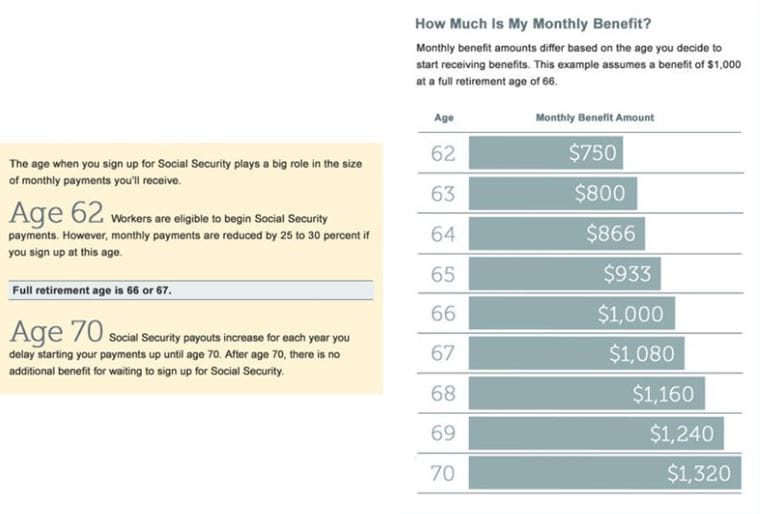
- Delaying Benefits: Many financial advisors recommend delaying Social Security benefits until your FRA or even until age 70, primarily because your monthly benefit amount increases for each year you delay past your earliest eligibility (age 62) up to age 70. This strategy also completely bypasses the earnings test, as by the time you claim, you’ll likely be at or past your FRA. If you plan to work significant hours well into your 60s, delaying benefits can be a highly effective way to maximize your lifetime Social Security income.
- Claiming Early with Reduced Work: If you decide to claim benefits at age 62 or shortly thereafter, you’ll need to be mindful of the earnings limits. This might involve reducing your work hours, shifting to lower-paying part-time roles, or otherwise managing your earned income to stay below the annual thresholds. The goal is to receive as much of your early benefits as possible without triggering significant withholding.
Understanding What Counts as “Earnings”
Not all income counts toward the Social Security earnings limit. It’s crucial to differentiate:
- Counted Earnings: These include wages from an employer (before taxes and deductions) and net earnings from self-employment (after business expenses). Bonuses, commissions, and severance pay often count in the year they are received.
- Non-Counted Income: This category is broad and includes pensions, annuities, investment income (e.g., dividends, interest, capital gains), rental income (unless you are actively involved in the real estate business), veterans’ benefits, and other government retirement benefits. Understanding this distinction allows retirees to potentially generate substantial income from sources that will not impact their Social Security payments.
Maximizing Your Benefits While Working
Even if you have benefits withheld due to the earnings test, it’s important to remember that this isn’t necessarily “lost” money forever. The SSA keeps a record of the months benefits were withheld. When you reach your Full Retirement Age, your monthly benefit amount will be recalculated to account for these withheld benefits. You’ll receive credit for the months you didn’t receive benefits, effectively increasing your future monthly payments. This recalculation is a key feature often misunderstood; it means you’re generally not losing money, but rather deferring it and potentially receiving a higher monthly payment later.
The Benefit of Future Recalculations
As mentioned, any benefits withheld before your FRA are not lost permanently. When you reach your Full Retirement Age, the SSA performs an automatic recalculation of your benefit amount. They effectively give you credit for the months you didn’t receive benefits due to the earnings test. This results in an upward adjustment of your future monthly payments, often making it seem as if you had delayed claiming your benefits for those months. This feature helps mitigate the impact of the earnings test, transforming a temporary reduction into a long-term increase in your monthly benefit.
Common Misconceptions and Important Nuances
Navigating Social Security requires more than just knowing the earnings limits. Several nuances and common misunderstandings can influence your financial planning.
It’s Not a “Penalty,” It’s a “Withholding”
One of the most common misconceptions is viewing the earnings test as a “penalty.” In reality, it’s more accurately described as a “withholding.” As discussed, the benefits withheld before your FRA are typically credited back to you in the form of increased monthly payments once you reach your FRA. This distinction is vital for a positive financial outlook and helps retirees understand that their hard-earned benefits are not simply disappearing.
Spousal and Survivor Benefits
The earnings test also applies to individuals receiving spousal or survivor benefits, with the rules generally mirroring those for retirement benefits. If a spouse or survivor is below their FRA and working, their earnings can reduce their own spousal/survivor benefit. However, the earnings of the worker receiving benefits generally do not affect the benefits of their spouse or dependent children, unless the worker’s benefits are entirely withheld for a period. It’s a complex area that often requires individual consultation with the SSA or a financial advisor.
Social Security Disability Insurance (SSDI) vs. Retirement Benefits
It’s crucial to distinguish between Social Security Disability Insurance (SSDI) and retirement benefits. While both are administered by the SSA, the rules regarding working are very different for disability beneficiaries. SSDI has strict rules regarding “substantial gainful activity” (SGA), which is a defined income threshold. Earning above the SGA limit typically indicates you are no longer considered disabled, and your benefits may cease. The earnings test discussed in this article pertains specifically to retirement and survivor benefits, not SSDI.
Tax Implications of Social Security Benefits
Beyond the earnings test, it’s important to remember that your Social Security benefits themselves can be subject to federal income tax if your “combined income” exceeds certain thresholds. Combined income includes your adjusted gross income, tax-exempt interest, and one-half of your Social Security benefits. This is a separate consideration from the earnings limit, but it’s another factor that influences your net Social Security income, particularly if you have significant other sources of income in retirement.
Conclusion
The question of “how much can you earn and still receive Social Security” is multi-faceted, with answers that vary significantly based on your age, the amount of your earnings, and the specific type of Social Security benefit you’re receiving. While working in retirement can provide substantial financial and personal benefits, it’s imperative to understand the Social Security Administration’s earnings test to avoid unexpected reductions in your payments.
By carefully planning your work income, understanding what counts as “earnings,” and considering the strategic timing of your benefit claims, you can effectively navigate these rules. Remember that benefits withheld due to exceeding earnings limits before your Full Retirement Age are typically not lost but rather lead to higher payments in the future.
Ultimately, maximizing your retirement income requires proactive planning and a clear understanding of these regulations. For personalized advice tailored to your unique situation, consulting with a qualified financial advisor or directly with the Social Security Administration is always recommended. This ensures you can enjoy your retirement with the financial security you’ve worked hard to build, whether you choose to work or fully embrace leisure.
aViewFromTheCave is a participant in the Amazon Services LLC Associates Program, an affiliate advertising program designed to provide a means for sites to earn advertising fees by advertising and linking to Amazon.com. Amazon, the Amazon logo, AmazonSupply, and the AmazonSupply logo are trademarks of Amazon.com, Inc. or its affiliates. As an Amazon Associate we earn affiliate commissions from qualifying purchases.