
The question “what is a normal blood oxygen level?” once exclusively belonged to the domain of clinical diagnostics, answered by healthcare professionals using specialized medical equipment. Today, however, technology has radically democratized the answer, placing the ability to measure and monitor blood oxygen saturation (SpO2) directly into the hands of consumers. From advanced hospital apparatus to sleek smartwatches, the tools that track this vital physiological parameter have evolved dramatically, transforming our understanding and proactive management of personal health.
This article delves into the technological landscape surrounding blood oxygen monitoring, exploring how these devices work, what their data means in a non-clinical context, and the fascinating innovations that are continually pushing the boundaries of personal health tech. We’re not merely defining a “normal” range; we’re dissecting the digital ecosystem that allows us to track, interpret, and leverage this crucial metric.

The Dawn of Ubiquitous SpO2 Monitoring: From Hospital to Home
For decades, blood oxygen monitoring was a procedure largely confined to hospitals and clinics, a critical tool for anesthesiologists, pulmonologists, and emergency responders. The advent of accessible, user-friendly technology has fundamentally shifted this paradigm, bringing sophisticated monitoring capabilities into the everyday lives of millions.
The Pulse Oximeter: A Medical Breakthrough Goes Mainstream
The pulse oximeter, initially a complex and expensive piece of medical equipment, revolutionized patient care by providing a non-invasive, continuous measure of SpO2. Its principle, developed in the 1970s and commercialized in the early 1980s, offered a vital window into a patient’s respiratory and circulatory function, significantly reducing the risks associated with anesthesia and critical care.
Over time, miniaturization and cost reduction transformed the pulse oximeter from a hospital staple into a household item. Finger-clip devices, once considered cutting-edge, are now affordable, widely available, and simple enough for anyone to operate. This transition empowered individuals to take a more active role in managing chronic conditions like asthma, COPD, and sleep apnea, or simply to monitor their health during high-altitude activities or illness. The move from clinic to home marked the first significant step in democratizing this technology, setting the stage for even more integrated solutions.
Smart Wearables: Integrating SpO2 into Daily Life
The true revolution in personal blood oxygen monitoring arrived with the integration of SpO2 sensors into smart wearables. Modern smartwatches and fitness trackers are no longer just pedometers or heart rate monitors; many now boast sophisticated SpO2 tracking capabilities. This integration shifts the monitoring from an occasional, intentional measurement to a seamless, often continuous, background process.
Smart wearables leverage their constant presence on the wrist or finger to collect data throughout the day and night. This continuous data stream allows users to observe trends, identify potential dips during sleep (which can be indicative of conditions like sleep apnea), and gauge their recovery or adaptation to exercise. The value proposition here is not just about a single measurement but about the ongoing accumulation of data points, creating a comprehensive digital health profile that was once unimaginable outside a specialized medical facility. The engineering challenge involves packing sensitive optical sensors, powerful microprocessors, and sophisticated algorithms into a compact, power-efficient form factor, all while maintaining a reasonable degree of accuracy and user experience.
The Science Behind the Sensor: How Technology Measures SpO2
Behind the simple percentage displayed on a screen lies a sophisticated interplay of light, optics, and computational power. Understanding how these devices work reveals the ingenuity embedded in modern health tech.
Photoplethysmography (PPG): The Core Principle
The vast majority of consumer and medical SpO2 devices rely on a technique called photoplethysmography (PPG). This non-invasive optical method measures the volumetric changes in blood in the periphery, such as the finger or wrist. The core idea is simple yet brilliant: oxygenated and deoxygenated hemoglobin absorb different wavelengths of light differently.
A typical PPG sensor consists of two main components: light-emitting diodes (LEDs) and a photodetector. The LEDs emit two specific wavelengths of light – usually red light (around 660 nm) and infrared light (around 940 nm). These wavelengths are chosen because red light is absorbed more by deoxygenated hemoglobin, while infrared light is absorbed more by oxygenated hemoglobin. As these light waves pass through the tissue (e.g., finger or wrist), they are partially absorbed by the blood and other tissues. The remaining light is detected by the photodetector on the other side or reflected back to it. By measuring the amount of red and infrared light that passes through or reflects off the tissue, and specifically the pulsatile component caused by arterial blood flow, the device can calculate the ratio of oxygenated to deoxygenated hemoglobin. This ratio is then translated into the SpO2 percentage.
Advanced Algorithms and Signal Processing
The raw optical signals collected by the photodetector are far from a clean SpO2 reading. They are noisy, susceptible to interference, and require substantial processing. This is where advanced algorithms and signal processing techniques come into play, representing a significant technological challenge and a key differentiator between devices.
The pulsatile component of the signal, which represents arterial blood flow, is isolated from the non-pulsatile components (tissue, bone, venous blood). Sophisticated filtering algorithms are employed to remove noise caused by motion artifacts (like a moving hand), ambient light interference, and variations in skin tone or perfusion. Modern devices often incorporate machine learning (ML) models trained on vast datasets to enhance the accuracy of signal extraction and interpretation. These algorithms are continually refined to improve performance in various real-world scenarios, making the measurement more robust and reliable even in less-than-ideal conditions. The computational power required for this real-time analysis, especially in a power-constrained wearable device, is a testament to current chip design and software optimization.
Interpreting Your SpO2 Data: Beyond the Number
While the number itself—the SpO2 percentage—is the headline, the real power of modern SpO2 monitoring technology lies in its ability to provide context, identify trends, and offer actionable insights. The technology doesn’t just give you a snapshot; it builds a narrative of your health.
App Integration and Data Visualization

The digital heart of most consumer SpO2 monitoring systems is its companion application. Whether it’s the health app on a smartphone paired with a smartwatch, or dedicated software for a standalone pulse oximeter, these platforms are crucial for data visualization and interpretation. These apps transform raw data points into easily digestible graphs, charts, and historical logs.
Users can typically view their SpO2 readings over hours, days, weeks, or even months, allowing them to identify patterns that might otherwise go unnoticed. For example, consistent dips in SpO2 during specific times of the night might suggest sleep-disordered breathing, while a gradual decline over several days could indicate the progression of an illness. The intuitive design of these interfaces, often featuring color-coded zones for normal, low, and critical readings, makes complex physiological data accessible to the average user, empowering them to monitor their well-being proactively.
AI-Driven Insights and Anomaly Detection
Moving beyond simple data display, advanced SpO2 monitoring systems are increasingly leveraging artificial intelligence (AI) and machine learning (ML) to provide deeper insights and detect anomalies. AI algorithms can analyze continuous SpO2 data streams, correlating them with other biometric data (like heart rate, activity levels, and sleep stages) to identify subtle patterns that human observation might miss.
For instance, AI can be trained to recognize the characteristic SpO2 desaturation events associated with sleep apnea or to detect patterns indicative of respiratory distress during exercise. Some systems can even provide personalized alerts if SpO2 drops below a user-defined threshold or if a trend suggests a potential health concern. This capability transforms the device from a mere data collector into a proactive health assistant, offering predictive insights and timely nudges, encouraging users to consult medical professionals when potentially significant deviations from their baseline are observed.
The Concept of “Normal” in a Technological Context
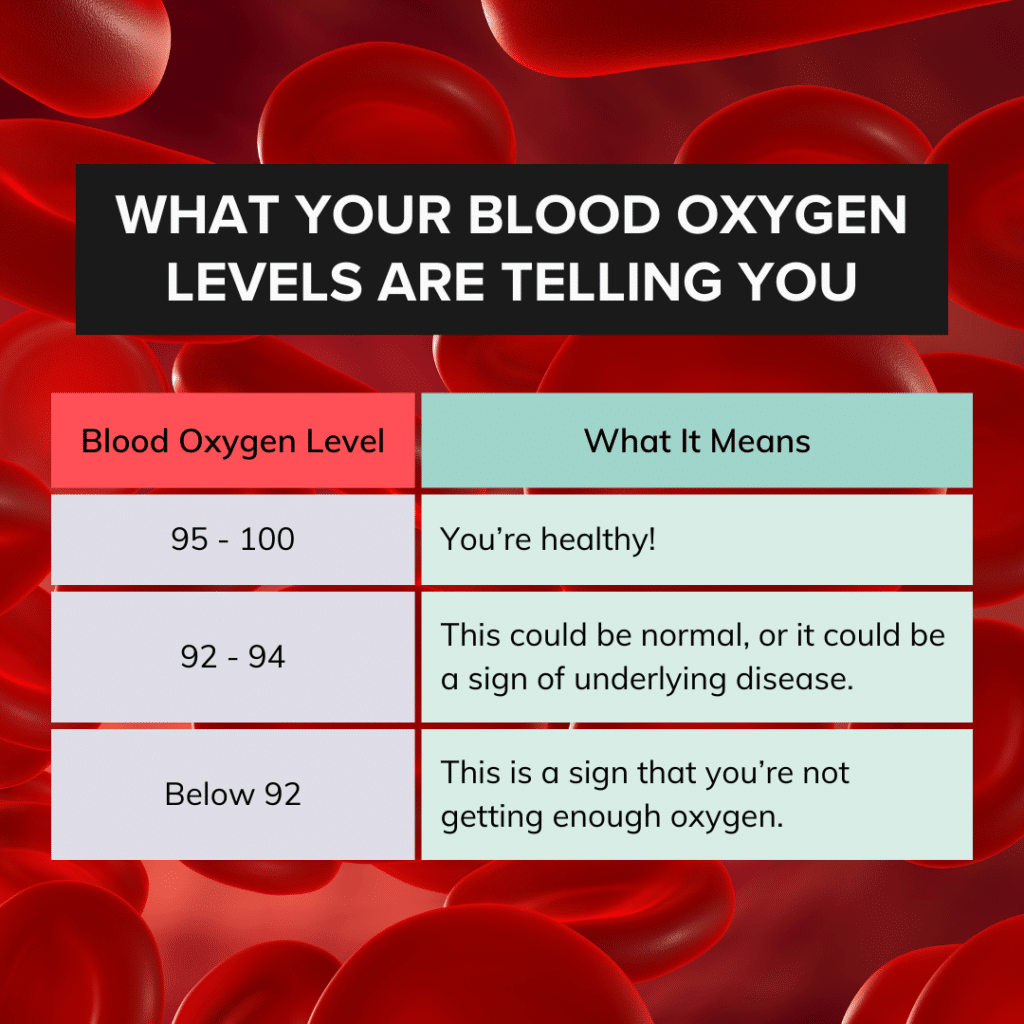
When a device displays an SpO2 reading, the question of “what is normal?” inevitably arises. In a clinical setting, a normal SpO2 level typically ranges from 95% to 100%. Readings below 90% are generally considered clinically significant and warrant medical attention. However, in the context of consumer technology, “normal” also encompasses the device’s accuracy, the user’s individual baseline, and the conditions under which the measurement is taken.
Consumer-grade devices, while increasingly accurate, may have a margin of error that differs from medical-grade equipment. Furthermore, an individual’s “normal” can slightly vary based on factors like altitude, lung health, or even transient conditions like a cold. Therefore, the technology primarily serves to establish a personal baseline and to identify significant deviations from that baseline. The AI-driven insights are particularly useful here, as they can learn an individual’s unique physiological patterns over time, providing a more personalized definition of “normal” and flagging deviations from your typical range, rather than a generalized population average. The tech provides data and flags, not diagnoses, emphasizing the importance of human interpretation in conjunction with professional medical advice.
Accuracy, Limitations, and the Future of SpO2 Tech
While the advancements in SpO2 monitoring technology are remarkable, it’s crucial to understand their inherent limitations and the ongoing efforts to enhance their capabilities. The journey towards perfectly accurate, universally applicable personal health monitoring is still evolving.
Understanding Device Accuracy and Variability
The accuracy of SpO2 devices can vary significantly between medical-grade instruments and consumer wearables. Medical pulse oximeters undergo rigorous testing and regulatory approval (e.g., FDA clearance) to ensure high accuracy within specified clinical ranges. Consumer wearables, while improving, may not always meet these stringent medical standards. Factors such as skin tone, motion during measurement, nail polish, cold extremities (poor perfusion), and even ambient light can all influence the reliability of a reading.
Users must be aware of these potential sources of variability. For instance, individuals with darker skin tones have sometimes experienced less accurate readings from optical sensors due to how melanin absorbs light. Manufacturers are continuously working on algorithms and sensor designs to mitigate these issues, but proper device usage and understanding its limitations are key to deriving meaningful data. The “normal” reading on a consumer device should always be considered in context, and persistent low readings or concerning symptoms should prompt consultation with a healthcare professional, irrespective of the device’s reading.
The Ethical and Privacy Landscape of Health Data
The proliferation of personal health monitoring devices raises significant ethical and privacy concerns. SpO2 data, along with other biometric information, is highly sensitive. Who owns this data? How is it stored? Who has access to it? These questions are paramount.
Companies producing these devices have a responsibility to implement robust security measures to protect user data from breaches and unauthorized access. Users, in turn, must be educated about privacy policies and settings, ensuring they understand how their data is collected, used, and shared. As AI models become more sophisticated, the ethical implications of using this data for predictive health insights also come into play, necessitating transparent guidelines and user consent. The design of these technologies must not only prioritize accuracy but also secure and respect individual privacy.
Emerging Trends and Innovations
The future of SpO2 monitoring technology is dynamic and promising, driven by continued advancements in sensor technology, AI, and integration with broader digital health ecosystems.
One key trend is the move towards more continuous and less obtrusive monitoring. Smart rings, discreet patches, and even smart fabrics could offer continuous SpO2 tracking without the bulk of a smartwatch. Enhanced AI and machine learning will lead to more personalized baseline analyses, predictive health insights, and earlier detection of subtle physiological changes before symptoms become apparent. This could mean AI-powered nudges that suggest lifestyle adjustments or prompt a visit to the doctor based on complex data correlations.
Integration with telehealth platforms is another significant development. Imagine your SpO2 data seamlessly (and securely) flowing to your physician, enabling remote monitoring of chronic conditions or post-operative recovery. This could revolutionize personalized medicine and preventative care, allowing for timely interventions and reducing the burden on traditional healthcare systems. Further miniaturization, improved battery life, and enhanced durability will also make these devices more ubiquitous and reliable, further embedding SpO2 monitoring as a standard feature in our connected lives.
Conclusion
The journey from bulky clinical pulse oximeters to elegant wrist-worn devices that track blood oxygen levels around the clock is a testament to the transformative power of technology in healthcare. What was once a specialist’s query—”what is a normal blood oxygen level?”—is now a metric readily accessible to millions, empowering individuals with a deeper understanding of their own physiology.
Technology has not just provided a number; it has created an entire ecosystem of sensors, algorithms, applications, and AI that contextualizes that number, offering trends, insights, and timely alerts. While these innovations offer unprecedented opportunities for self-awareness and proactive health management, it’s crucial to remember that they are tools. They provide data, raise flags, and offer insights, but they do not replace professional medical advice. The ongoing evolution of SpO2 monitoring tech promises an even more integrated and intelligent future, where our digital companions play an increasingly vital role in helping us navigate the intricate landscape of our health, always emphasizing the powerful synergy between human intelligence and technological innovation.
aViewFromTheCave is a participant in the Amazon Services LLC Associates Program, an affiliate advertising program designed to provide a means for sites to earn advertising fees by advertising and linking to Amazon.com. Amazon, the Amazon logo, AmazonSupply, and the AmazonSupply logo are trademarks of Amazon.com, Inc. or its affiliates. As an Amazon Associate we earn affiliate commissions from qualifying purchases.