
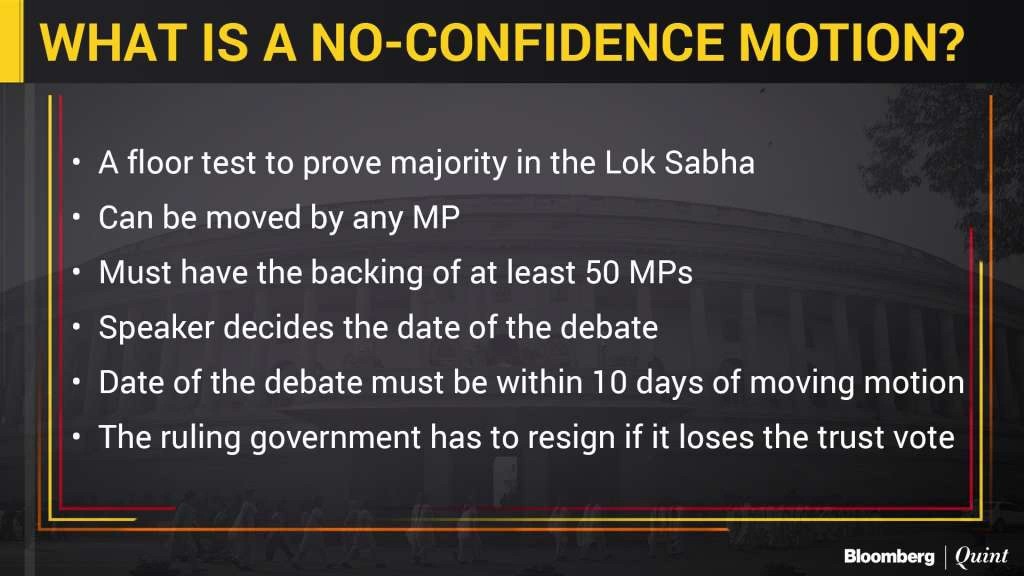
A no confidence motion, at its core, represents a legislative challenge to the incumbent government or a specific minister, asserting that they no longer command the support of the majority in parliament. While fundamentally a political process, its ramifications extend profoundly into the economic and financial spheres, directly influencing market stability, investor confidence, business strategy, and even personal finance. For individuals and businesses operating within any economy, understanding this mechanism is crucial for navigating periods of political uncertainty and safeguarding financial interests. It signifies not merely a political spat but a potential recalibration of national economic direction and stability.
The Core Mechanism: A Challenge to Financial Stewardship
The concept of a no confidence motion is rooted in parliamentary democracies, designed to hold the executive accountable to the legislative branch. From a financial perspective, a government that loses the confidence of parliament is effectively deemed unfit to manage the nation’s fiscal policy, economic agenda, and overall financial stewardship.
Definition in a Financial Context
In a financial lens, a no confidence motion can be seen as a vote by the shareholders (the elected representatives) on the performance and continued mandate of the board of directors (the government) regarding their management of the company (the nation’s economy). If the motion passes, it signifies that the current management is perceived as failing to deliver on its financial promises, mismanaging resources, or creating an environment detrimental to economic prosperity. This can lead to a collapse of the government, often necessitating new elections or the formation of a new administration, both of which introduce significant uncertainty into economic forecasts and market behavior.
How It Unfolds and Its Immediate Economic Tremors
The process typically begins when an opposition party or a significant bloc of parliamentarians formally tables a motion of no confidence. This triggers a parliamentary debate, culminating in a vote. The period leading up to and immediately following such a vote is often characterized by heightened market sensitivity. Financial markets, being inherently forward-looking, will begin to price in the potential outcomes.
Should the motion pass, the immediate economic tremors can be profound:
- Market Sell-offs: Domestic stock markets may react sharply, with investors pulling out capital due to uncertainty about future policy and stability.
- Currency Devaluation: The national currency might weaken as foreign investors lose confidence in the country’s economic outlook, leading to capital flight.
- Spike in Sovereign Bond Yields: The cost of government borrowing can increase as lenders perceive a higher risk associated with political instability and potential changes in fiscal policy.
- Halting of Key Economic Legislation: Important financial bills, budget approvals, or economic reforms might be stalled, creating a policy vacuum that further exacerbates market apprehension.
These immediate reactions underscore how tightly interwoven political stability is with economic confidence. A government’s ability to govern effectively and predictably is a cornerstone for economic planning and investment.
Economic Ripple Effects: Markets, Investment, and Currency
The impact of a no confidence motion extends far beyond immediate market reactions, creating persistent ripple effects across various economic sectors. These effects can reshape investment landscapes, alter government fiscal strategies, and influence a nation’s position in global trade.
Market Volatility and Investor Sentiment
The specter of a no confidence motion, or its successful passage, injects substantial volatility into financial markets. Domestic and international investors alike become cautious, often adopting a “wait and see” approach or reallocating capital to perceived safer assets. This decline in investor sentiment can manifest as:
- Reduced Foreign Direct Investment (FDI): Multinational corporations may postpone or cancel plans for new investments, fearing an unpredictable regulatory environment or potential shifts in economic policy.
- Domestic Investment Freeze: Local businesses, facing uncertainty about future tax policies, subsidies, or economic growth prospects, may defer expansion plans, capital expenditure, and hiring.
- Sectoral Disruption: Industries heavily reliant on government contracts, specific regulatory frameworks (e.g., energy, infrastructure), or consumer confidence (e.g., retail, tourism) can experience disproportionate impacts.
Periods of sustained political uncertainty can erode long-term investor confidence, potentially leading to a persistent discount on asset valuations within the affected economy.
Impact on Government Fiscal Policy and Spending
A government facing or falling due to a no confidence motion often enters a period of constrained fiscal action. Crucial budget proposals might be delayed or abandoned, and long-term spending plans can be thrown into disarray. This can lead to:
- Budgetary Paralysis: The inability to pass a full budget can force the government to operate on temporary measures, hindering its capacity to fund essential services or stimulate the economy.
- Delayed Infrastructure Projects: Major public works projects, which typically require consistent funding and long-term planning, may be put on hold, affecting employment and economic growth in related sectors.
- Policy Inconsistency: A new government, or even an interim one, may reverse previous fiscal policies, leading to a lack of continuity that can be challenging for businesses to navigate. For example, tax incentives for certain industries might be withdrawn, or new taxes might be introduced without sufficient notice.
Such shifts in fiscal policy can have profound implications for business profitability, consumer purchasing power, and the overall trajectory of economic development.
Currency Fluctuations and International Trade Confidence
The national currency is often a direct barometer of international confidence in an economy. A no confidence motion can lead to significant currency depreciation due to:
- Capital Flight: International investors may sell off domestic assets, converting their proceeds into more stable foreign currencies.
- Speculative Trading: Currency traders may bet against the national currency, anticipating further instability.
- Reduced Exports/Increased Imports: While a weaker currency generally makes exports cheaper and imports more expensive, the overall instability can disrupt supply chains, trade agreements, and foreign consumer demand, potentially negating any competitive advantage.
For businesses engaged in international trade, currency volatility presents both risks and opportunities. Hedging strategies become more critical, and companies with significant import or export dependencies must adjust their financial planning to account for unpredictable exchange rates. A perceived lack of political stability can also damage a nation’s reputation as a reliable trading partner, potentially impacting future trade agreements and foreign investment flows.

Business Finance Under Scrutiny: Planning and Risk Management
For businesses, a no confidence motion translates directly into heightened financial risk and necessitates a re-evaluation of strategic and operational plans. Proactive financial management and robust risk assessment become paramount.
Corporate Strategy and Long-Term Investments
Strategic planning in times of political uncertainty requires agility. Businesses must consider various scenarios when a no confidence motion is on the table or has passed:
- Scenario Planning: Developing contingency plans for different political outcomes (e.g., new government, snap election, coalition) helps businesses anticipate changes in regulation, taxation, and economic growth forecasts.
- Diversification: Reducing reliance on a single market, regulatory framework, or government contract can mitigate exposure to political shocks.
- Postponement of Major Capital Expenditures: Large-scale investments with long payback periods might be put on hold until there is greater clarity on the political and economic landscape. This can include new factory builds, significant equipment purchases, or expansion into new regions.
- Review of Supply Chains: Assessing the resilience of supply chains to potential trade disruptions or changes in import/export policies is crucial.
The long-term vision of a company, from market expansion to product development, must be flexible enough to absorb potential shocks emanating from shifts in governmental policy.
Access to Capital and Borrowing Costs
Political instability directly impacts the financial markets from which businesses raise capital:
- Increased Interest Rates: Lenders, perceiving higher risk in an unstable political environment, may charge higher interest rates on loans, increasing the cost of borrowing for businesses.
- Reduced Availability of Credit: Banks and financial institutions might tighten lending criteria or reduce the overall amount of credit available, making it harder for businesses to secure financing for operations or expansion.
- Equity Market Challenges: For publicly traded companies, a depressed stock market due to political uncertainty can make it difficult to raise capital through new share issuances. Private companies seeking venture capital or private equity funding may also face more stringent conditions.
Businesses with significant debt or those planning to raise capital must closely monitor the political climate and factor potential changes in borrowing costs and access to funding into their financial models.
Sector-Specific Vulnerabilities and Opportunities
While instability is generally negative, its impact is rarely uniform. Some sectors might be disproportionately vulnerable, while others could, paradoxically, find opportunities:
- Vulnerable Sectors: Industries heavily regulated by the government (e.g., utilities, healthcare, telecommunications), those reliant on government subsidies or contracts (e.g., defense, infrastructure), and sectors highly exposed to consumer confidence (e.g., luxury goods, tourism) are often the most susceptible to political shifts.
- Resilient Sectors: Essential services (e.g., basic food and beverage, utilities, essential healthcare) tend to be more resilient as demand remains relatively stable.
- Opportunistic Sectors: Periods of uncertainty can create opportunities for niche service providers, such as financial advisors specializing in risk management, cybersecurity firms (as digital infrastructure becomes more critical), or businesses offering alternative solutions to disrupted supply chains. Distressed asset investors might also find opportunities in undervalued companies.
Understanding a business’s specific exposure to government policy and economic sentiment is key to formulating an effective financial response to a no confidence motion.
Personal Financial Implications: From Savings to Side Hustles
The macroeconomic turbulence ignited by a no confidence motion inevitably trickles down to impact personal finances. Individuals, from salaried employees to entrepreneurs running side hustles, must be cognizant of these shifts and adapt their financial strategies.
Job Security and Consumer Confidence
One of the most immediate personal financial concerns during political instability is job security. When businesses delay investments, reduce expansion, or face declining revenue due to economic uncertainty, layoffs can follow.
- Employment Risk: Sectors particularly vulnerable to political changes or economic downturns may see increased job losses or reduced hiring, impacting household income.
- Consumer Confidence: Heightened political uncertainty typically erodes consumer confidence. Individuals become more hesitant to make large purchases (e.g., cars, homes, major appliances) and may cut back on discretionary spending, further dampening economic activity.
- Side Hustle Impact: Even those pursuing online income or side hustles can be affected, as overall economic slowdowns may reduce demand for freelance services, online courses, or e-commerce products.
Having an emergency fund covering several months of living expenses becomes even more critical during such periods to buffer against potential income disruptions.
Interest Rates and Mortgage Markets
Political instability and subsequent market reactions can influence interest rates, which directly affect borrowers and savers.
- Mortgage Rates: If central banks respond to inflation concerns (potentially exacerbated by currency depreciation) or try to stabilize the economy, interest rates can change. This can impact variable-rate mortgages, making monthly payments more expensive for homeowners. Prospective homebuyers might face higher borrowing costs.
- Savings Accounts: While higher interest rates might seem beneficial for savers, they are often a response to underlying economic stress. The real return on savings, considering inflation, might still be negligible or negative if the economic environment deteriorates significantly.
- Personal Loans and Credit Cards: Other forms of credit, such as personal loans and credit card rates, can also be influenced, potentially increasing the cost of consumer debt.
Understanding how interest rate movements interact with personal debt and savings strategies is crucial for financial planning.
Protecting Your Portfolio in Uncertain Times
For investors, a no confidence motion can introduce significant volatility, requiring a disciplined approach to portfolio management.
- Diversification: A well-diversified portfolio across different asset classes (stocks, bonds, real estate, commodities) and geographies can help mitigate the impact of localized political and economic shocks.
- Reviewing Asset Allocation: Reassessing risk tolerance and adjusting asset allocation may be prudent. Shifting a portion of investments to less volatile assets, like government bonds from stable economies or gold, can act as a hedge.
- Long-Term Perspective: While short-term market fluctuations can be alarming, maintaining a long-term investment horizon and avoiding impulsive selling based on political news can often lead to better outcomes.
- Professional Advice: Consulting with a financial advisor can provide personalized strategies for navigating market volatility and protecting wealth during periods of political uncertainty.
Ultimately, while a no confidence motion originates in the halls of parliament, its echoes resonate through every facet of the economy, demanding attention from businesses and individuals committed to sound financial management and long-term prosperity.
aViewFromTheCave is a participant in the Amazon Services LLC Associates Program, an affiliate advertising program designed to provide a means for sites to earn advertising fees by advertising and linking to Amazon.com. Amazon, the Amazon logo, AmazonSupply, and the AmazonSupply logo are trademarks of Amazon.com, Inc. or its affiliates. As an Amazon Associate we earn affiliate commissions from qualifying purchases.