
In the modern digital economy, niche markets frequently defy traditional financial expectations, carving out billion-dollar industries from subcultures once considered peripheral. One of the most fascinating, yet least understood, economic sectors is the anthropomorphic costume industry—specifically the market surrounding “murrsuiters.” While the term originates from a specific subset of the “furry” community, from a financial and business perspective, it represents a high-capital consumer class that drives a sophisticated ecosystem of custom manufacturing, luxury artisanal labor, and complex secondary markets.
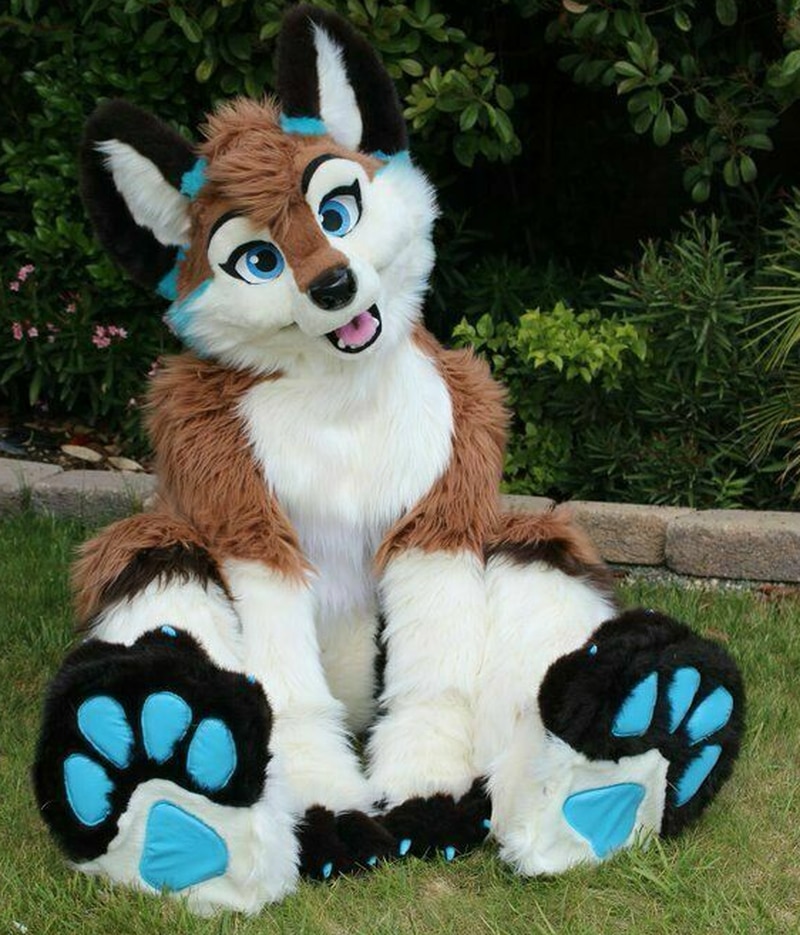
To understand what a murrsuiter is in a professional context, one must look past the aesthetic and focus on the transaction. These individuals are high-end collectors who invest significant capital into bespoke, wearable art pieces known as “fursuits,” modified for specific use cases. This article explores the economic machinery behind this niche, the business models of the artisans who serve them, and the personal finance implications of participating in such a high-overhead community.

The Financial Landscape of the Custom Costume Market
The entry point into the world of anthropomorphic costuming is characterized by a “high-barrier” financial model. Unlike mass-produced apparel, every suit is a one-of-a-kind prototype. For the murrsuiter, these costs are often even higher due to the specialized modifications required for their specific activities.
The Initial Capital Outlay
A standard, high-quality fursuit typically starts at $3,000 and can easily exceed $10,000 depending on the reputation of the maker. For those in the murrsuiter category, additional engineering is required. This may include internal lining made of specialized materials like spandex or neoprene for hygiene, reinforced seams for durability, and customized “access points” that require intricate tailoring. These modifications add a premium to an already expensive asset, placing the initial investment in the same bracket as a used vehicle or a high-end home theater system.
The Cost of Specialized Craftsmanship
The reason for these high prices lies in the labor-intensive nature of the production. A single suit can take between 100 to 200 hours to complete. Makers are essentially small business owners who must factor in the cost of high-grade faux fur (which can cost $40–$100 per yard), 3D printing materials for head bases, cooling systems, and specialized upholstery tools. For the consumer, the “price” is a reflection of paying for hundreds of hours of a master artisan’s time in a market where demand far outstrips supply.
Murrsuiting as a High-Ticket Consumer Niche
From a market segmentation perspective, murrsuiters represent a “whale” demographic. They are consumers who are not only willing to pay a premium for the base product but also consistently invest in upgrades, maintenance, and accessories.
Enhanced Features and Modification Costs
The term “murrsuit” specifically refers to a suit designed with adult activities in mind. Economically, this translates to “specialized modifications.” These modifications often involve the integration of anatomically correct features or “zips” that allow for functionality without removing the suit. Because these features require discreet and high-strength tailoring, they are often billed as “add-on” services. A buyer might pay an additional $500 to $1,500 just for these functional alterations, showcasing a high price elasticity within the demographic.
Maintenance, Hygiene, and Asset Longevity
Unlike a static piece of art, these suits are “active assets” that undergo significant wear and tear. Maintenance is a recurring expense. Murrsuiters must invest in industrial-grade cleaning supplies, specialized drying racks, and often professional cleaning services. Because the materials (acrylic fibers and foam) can degrade if improperly handled, the “total cost of ownership” (TCO) includes the ongoing price of preservation. In the financial planning of a hobbyist, this necessitates a monthly “sinking fund” to ensure the asset doesn’t lose its value due to neglect.
The Business of Commissions: From Side Hustle to Full-Time Enterprise

The supply side of the murrsuiter market is a masterclass in the “passion economy.” Most makers start as hobbyists but quickly realize the scalability of their craft.
Scaling a Niche Craft Business
Successful makers often move from taking single commissions on social media to operating under a registered LLC with a staff of assistants. The business model relies heavily on “slots.” Because a maker can only produce a limited number of suits per year, they often use an auction-style system or a “queue” where buyers pay a non-refundable deposit to secure a spot. This creates a predictable cash flow and allows the business to manage inventory costs effectively. For a maker, accepting a “murrsuit” commission can be a strategic business move, as the higher complexity allows for higher profit margins compared to standard “toony” suits.
Managing Intellectual Property and Contracts
A significant part of the business finance side involves Intellectual Property (IP). Usually, the buyer owns the character design, but the maker owns the “pattern” or the artistic style. Professional makers use rigorous contracts to define usage rights. This is crucial for murrsuiters, as the public or commercial use of a suit in adult media involves different legal and financial considerations than casual convention attendance. Contractual clarity protects the maker’s brand reputation while ensuring the buyer’s privacy and usage rights are secured.
Investment Value and the Secondary Resale Market
Surprisingly, high-end anthropomorphic costumes often hold their value or even appreciate, making them an unconventional “alternative investment.”
Depreciation vs. Appreciation
In most apparel markets, the resale value drops by 70% the moment the item is worn. In the fursuit world, however, “pre-owned” suits from famous makers (the “Gucci” or “Hermès” of the community) can sell for more than their original commission price. This is due to the “queue-jumping” factor; a buyer might pay a $2,000 premium to own a suit immediately rather than waiting two years on a maker’s commission list. For a murrsuiter, the resale market is slightly more complex due to the “personalized” nature of the modifications, but a well-maintained suit from a top-tier studio remains a liquid asset.
Risk Management in Niche Markets
The primary financial risk in this market is “maker burnout” or “scamming.” Because the industry is largely unregulated and operates on a “pay-up-front” model, buyers face the risk of a maker disappearing with their deposit. Smart participants in this economy practice risk mitigation by using payment platforms with buyer protection (like PayPal Business) and researching “Artist Bewares” (the community’s version of a Better Business Bureau). From a personal finance standpoint, an investment in a murrsuit should never be made with “rent money,” but rather with discretionary capital that is protected by documented agreements.
Future Outlook: The Intersection of E-Commerce and Personal Finance
As technology advances, the economics of the murrsuiter niche are shifting toward higher tech integration and more streamlined financial tools.
The Rise of Fintech in Niche Commissions
We are seeing a rise in specialized platforms designed to handle the unique workflow of custom commissions. Tools that integrate milestone payments, escrow services, and automated queue management are becoming standard. This professionalization of the “back office” allows makers to focus on the craft while providing buyers—including murrsuiters—with a more secure financial experience.
Virtual Assets and Diversification
Interestingly, many murrsuiters are also investing in “VR-ready” versions of their characters. The cost of a high-end 3D model for platforms like VRChat can range from $500 to $5,000. This represents a diversification of the “character asset.” The consumer isn’t just buying a physical costume; they are building a “brand identity” across both physical and digital realms. This multi-platform presence increases the “brand equity” of their personal character, which can sometimes be monetized through content creation or streaming, turning a high-cost hobby into a revenue-generating side hustle.
In conclusion, a murrsuiter is far more than a participant in a subculture; they are a high-value consumer in a sophisticated, artisanal economy. The market they support is built on the principles of scarcity, high-skill labor, and bespoke luxury. By understanding the financial underpinnings of this niche—from the thousand-dollar entry costs to the complexities of the commission-based business model—one gains a clearer picture of how modern subcultures create robust, self-sustaining economic ecosystems. For the serious participant, it is an exercise in long-term financial planning, asset management, and supporting the “passion economy” at its most specialized level.
aViewFromTheCave is a participant in the Amazon Services LLC Associates Program, an affiliate advertising program designed to provide a means for sites to earn advertising fees by advertising and linking to Amazon.com. Amazon, the Amazon logo, AmazonSupply, and the AmazonSupply logo are trademarks of Amazon.com, Inc. or its affiliates. As an Amazon Associate we earn affiliate commissions from qualifying purchases.