
In the landscape of higher education, the Master of Philosophy (MPhil) often stands as an enigmatic credential. Positioned between a traditional Master’s degree and a Doctor of Philosophy (PhD), it is frequently viewed through an academic lens. However, for the modern professional, the MPhil is less about “philosophy” in the abstract sense and more about a strategic investment in specialized human capital. From a financial perspective, choosing to pursue an MPhil is a significant decision involving tuition costs, opportunity costs, and long-term earning potential.
This guide explores the MPhil degree through the prism of personal finance and career strategy, helping you determine if this advanced research degree is a sound asset for your professional portfolio.
Understanding the MPhil: A Strategic Investment in Your Intellectual Capital
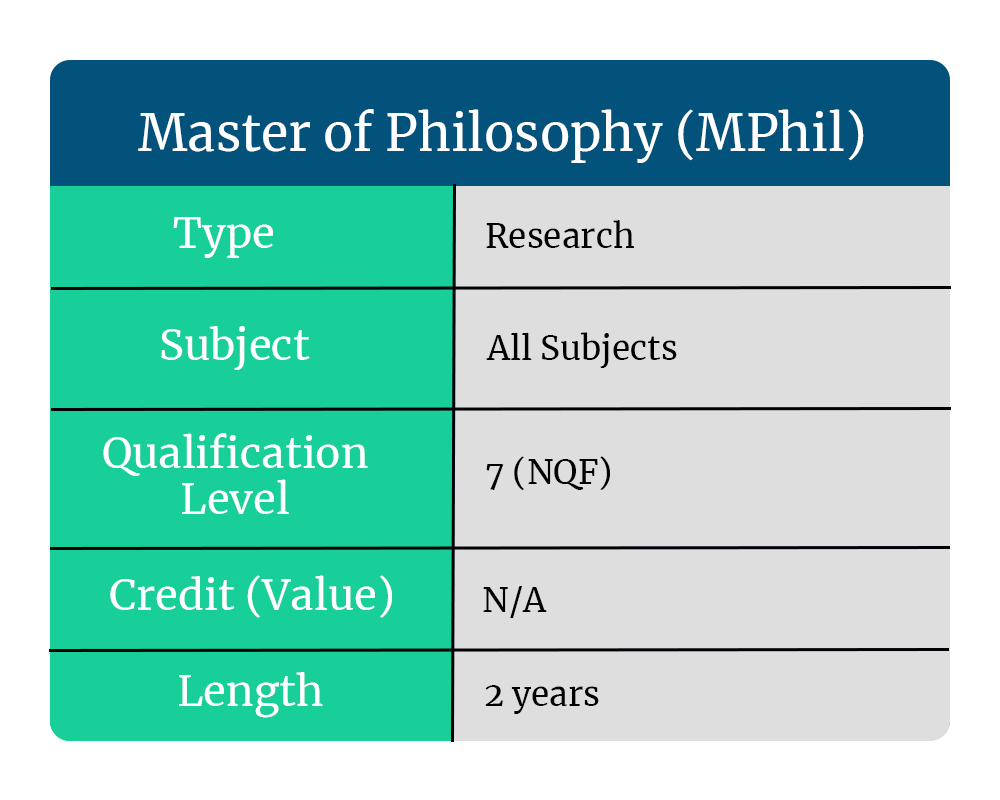
Before diving into the spreadsheets and salary projections, one must define what an MPhil is in the context of a “knowledge economy.” An MPhil is an advanced postgraduate research degree. Unlike a Master of Arts (MA) or Master of Science (MSc), which are typically “taught” degrees involving lectures and exams, an MPhil is almost entirely thesis-based.
Defining the Master of Philosophy
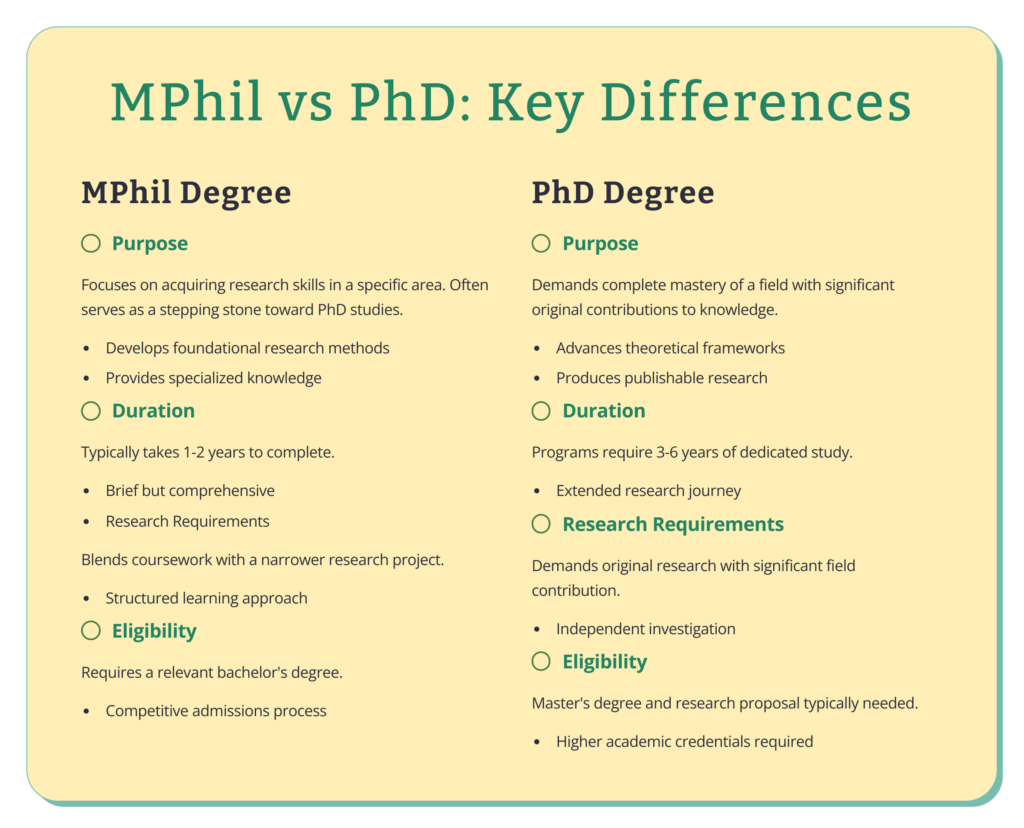
The MPhil is designed to provide students with a rigorous foundation in research methodology. It is essentially a “mini-PhD.” While a PhD requires an original contribution to knowledge, an MPhil requires a high level of proficiency in research techniques and a comprehensive understanding of a specific field. In the financial world, having an MPhil signals to employers that you possess the discipline to manage a long-term project and the analytical rigor to interpret complex data—skills that are highly liquid in the current job market.
The Cost-Benefit Analysis of Research vs. Taught Masters
When deciding between a taught Master’s and an MPhil, a candidate must perform a cost-benefit analysis. A taught Master’s is often shorter (usually one year) and has a clear price tag, but it may offer less specialization. An MPhil typically takes two years. While the tuition for two years is higher, the depth of expertise gained can act as a “moat” around your career, protecting you from being replaced by generalists. From a money-management perspective, the MPhil is a “long-play” investment. You are trading an extra year of immediate salary for a higher ceiling of expertise that can command premium rates in consulting, policy, or specialized industry roles.
Funding Your Research: Navigating Scholarships and Stipends
One of the most critical aspects of pursuing an MPhil is the financial architecture supporting the degree. Unlike undergraduate degrees, which are often funded by personal loans or savings, an MPhil can frequently be subsidized or even fully funded if approached strategically.
Identifying Fully Funded Opportunities
In many regions, particularly the UK, Europe, and parts of Asia, MPhil students can access research council grants or university-specific fellowships. These financial packages often cover the full cost of tuition and provide a “stipend”—a tax-free allowance for living expenses. For a savvy student, a funded MPhil is a way to increase their educational credentials without accruing further debt. This effectively turns the degree into a paid internship in high-level research. When browsing programs, the primary financial metric should not be the prestige of the university alone, but the availability of a “bench fee” or “stipend” that preserves your personal net worth.
Corporate Sponsorship and Employer Reimbursement
Another lucrative avenue for MPhil funding is corporate sponsorship. Many large-scale firms in the pharmaceutical, engineering, and financial sectors value deep-dive research. If your research topic aligns with a company’s strategic goals, they may be willing to fund your MPhil as part of their professional development budget. This is an ideal scenario for personal finance: you maintain your employment status (or a bridge to a high-paying role), your tuition is covered, and your market value increases simultaneously.
The Financial Trajectory: How an MPhil Impacts Lifetime Earnings
The ultimate question for any degree is: What is the ROI? While the MPhil is often a stepping stone to a PhD, it also serves as a high-value exit point for those entering the private sector.
Bridging the Gap to a High-Income PhD
For many, the MPhil is a “probationary” period for a PhD. In several prestigious institutions, students are initially enrolled in an MPhil and “upgrade” to a PhD after a year of successful research. From a financial planning standpoint, this allows you to test the academic waters without committing to a four-to-six-year PhD program. If you decide to exit after the MPhil, you still walk away with a high-level qualification that separates you from the pool of standard Master’s graduates, often leading to a higher starting salary in R&D roles.
Competitive Advantage in Senior-Level Consulting and Finance
In industries like management consulting, economic forecasting, and quantitative finance, the ability to conduct independent research is a premium skill. An MPhil graduate is often viewed as more capable of handling “unstructured problems” than someone with a taught degree. This perceived value translates into higher base salaries and more aggressive signing bonuses. Over a 30-year career, the incremental salary increase—often 10% to 15% more than a standard Master’s holder—compounds into a significant financial gain, far outweighing the initial two-year investment of time.
Leveraging Your Degree: Side Hustles and Income Streams for Researchers
The pursuit of an MPhil does not mean your income must hit zero. In fact, the specialized nature of research opens doors to unique side hustles that are both high-paying and relevant to your studies.
Academic Consulting and Freelance Research
MPhil students are experts in data analysis, literature reviews, and academic writing. These skills are in high demand in the “gig economy” for professionals. You can monetize your MPhil by acting as a consultant for think tanks, NGOs, or startups that need white papers but cannot afford a full-time research department. Rates for specialized research consulting are significantly higher than general administrative freelance work, allowing MPhil students to maintain a steady cash flow while completing their thesis.
Intellectual Property and Monetizing Specialized Knowledge
If your MPhil research focuses on a niche area of technology, biotech, or business strategy, you are essentially building an “intellectual property” portfolio. Some MPhil students find that their research leads to patentable ideas or proprietary methodologies. By understanding the “Money” side of academia, you can work with your university’s technology transfer office to license your findings or even launch a spin-off business. In this sense, an MPhil isn’t just an education; it’s a seed-stage incubator for a potential high-growth venture.

Conclusion: Is the MPhil Worth the Financial Commitment?
When evaluating the “what” and the “why” of an MPhil degree, the conclusion must be rooted in your long-term financial and career goals. If your goal is a quick entry into a general management role, a one-year MBA might offer a faster return on investment. However, if your career path requires you to be an expert, a specialist, or a leader in a research-intensive field, the MPhil is a powerful financial asset.
The MPhil offers a unique “middle ground” in the world of academic finance. It provides the prestige and analytical depth of doctoral-level study but with a shorter time commitment and a more flexible exit strategy. By carefully selecting a funded program, focusing on a commercially viable research niche, and leveraging your expertise for side income, you can turn the MPhil from a mere academic title into a cornerstone of your financial success. In the end, the MPhil is for those who realize that in the modern economy, the deepest pockets often belong to the deepest thinkers.
aViewFromTheCave is a participant in the Amazon Services LLC Associates Program, an affiliate advertising program designed to provide a means for sites to earn advertising fees by advertising and linking to Amazon.com. Amazon, the Amazon logo, AmazonSupply, and the AmazonSupply logo are trademarks of Amazon.com, Inc. or its affiliates. As an Amazon Associate we earn affiliate commissions from qualifying purchases.