
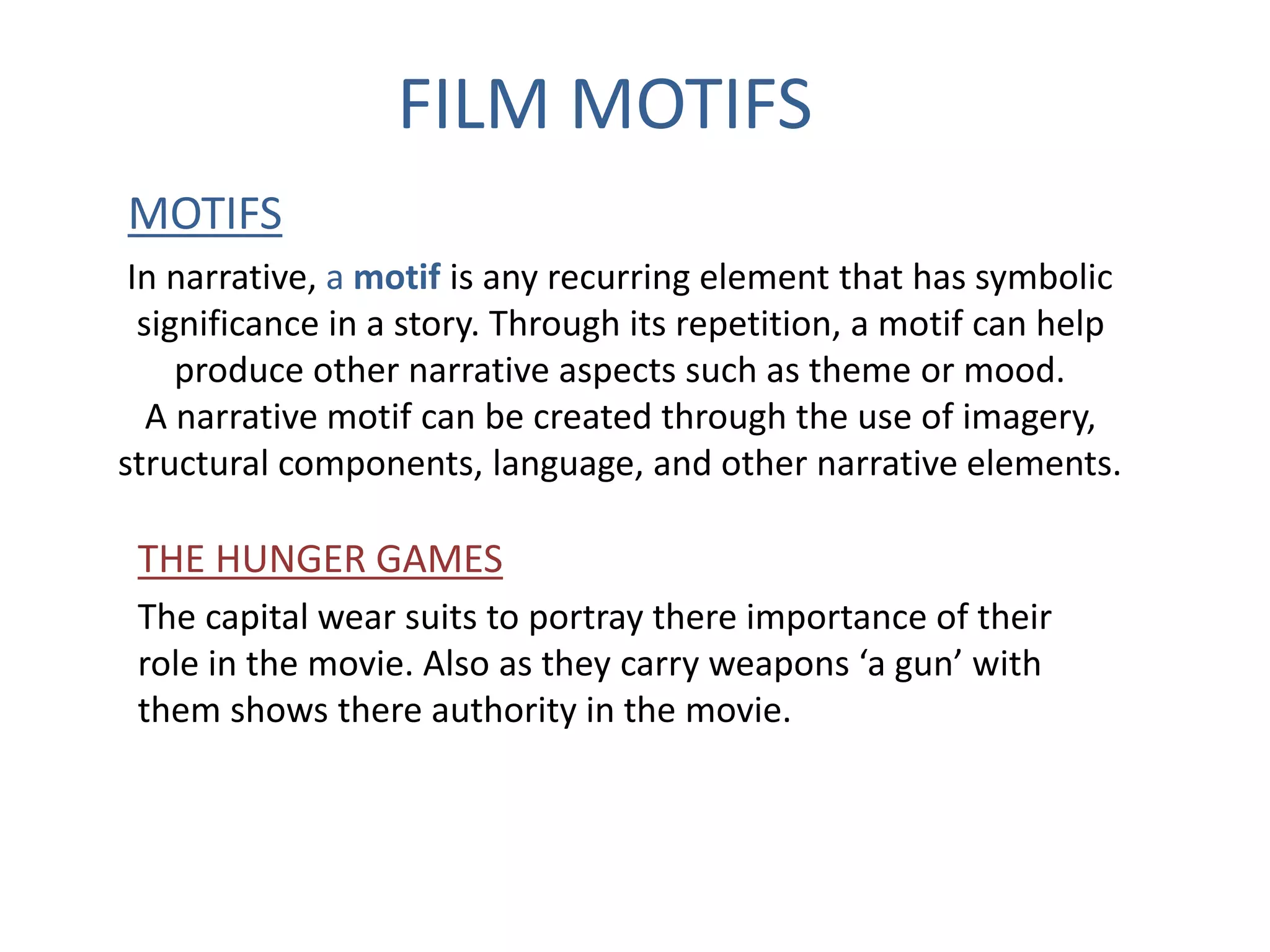
In the intricate tapestry of cinematic storytelling, a motif serves as a powerful, recurring element that weaves through a film, enriching its narrative, deepening its thematic resonance, and often subconsciously shaping the audience’s understanding and emotional response. Far from being mere repetition, a motif is a deliberate artistic choice – a recurring image, sound, object, color, character trait, line of dialogue, or even a specific camera angle – that carries symbolic significance. When understood and strategically employed, the principles behind cinematic motifs offer invaluable insights for brand strategists and marketers aiming to build memorable, resonant, and distinctive brand identities.

Decoding the Cinematic Motif: A Foundation for Consistent Messaging
At its core, a film motif is a repeated pattern designed to amplify meaning. Consider the ubiquitous green light across the bay in F. Scott Fitzgerald’s The Great Gatsby, famously adapted for the screen. This shimmering beacon, always just out of reach, isn’t just a light; it’s a powerful motif representing Gatsby’s unattainable dreams, his yearning for Daisy, and the elusive American Dream itself. Its recurring presence reinforces these complex themes without explicit dialogue, allowing the audience to intuit deeper layers of meaning. Similarly, the recurring image of a single red dress amidst a monochrome world in Schindler’s List functions as a poignant motif, symbolizing innocence lost and the horrific reality of the Holocaust in a sea of despair.
The effectiveness of these cinematic motifs lies in their ability to:
- Create Recognition: Repetition makes an element stand out and become instantly identifiable.
- Build Association: Over time, the repeated element becomes linked to specific ideas, emotions, or themes.
- Deepen Meaning: The accumulation of appearances imbues the motif with greater symbolic weight and narrative significance.
- Evoke Emotion: Consistent association can trigger powerful emotional responses in the audience, often without conscious awareness.
These very functions are the bedrock upon which successful brand building is constructed. Just as a film uses motifs to forge a cohesive and meaningful narrative, brands can leverage similar principles to craft a distinct identity, communicate consistent messages, and foster a deeper emotional connection with their audience.
From Screenplay to Strategy: Applying Motif Principles to Brand Identity
The strategic deployment of motifs isn’t exclusive to Hollywood; it’s a fundamental principle for constructing a robust and recognizable brand. A brand’s identity is, in essence, a collection of meticulously chosen motifs—visual, narrative, and auditory—that collectively communicate its purpose, values, and personality.
Visual Motifs: The Power of Recurring Aesthetics
In film, visual motifs might include a specific color palette, architectural style, prop, or even a particular framing device that appears throughout the movie. For brands, visual motifs are perhaps the most immediately recognizable and form the cornerstone of corporate identity.
- Color Palette: Just as the red in Schindler’s List carried symbolic weight, specific brand colors like Tiffany Blue or Coca-Cola Red are powerful visual motifs. They are instantly recognizable, evoke specific emotions (luxury, joy), and differentiate the brand in a crowded market.
- Logos and Iconography: A logo is the ultimate visual motif—a recurring symbol that encapsulates an entire brand. The Nike swoosh or Apple’s bitten apple logo are not just decorative; they are succinct visual narratives, conveying athleticism, innovation, and simplicity, respectively.
- Design Language: Beyond logos, the consistent application of design principles across all touchpoints (product design, website UI, packaging) acts as a visual motif. Apple’s minimalist aesthetic, for instance, is a recurring design motif that speaks to its brand philosophy of simplicity and elegance.
- Photography and Imagery Style: A brand’s choice of photography—be it aspirational, documentary, playful, or abstract—can become a strong visual motif, guiding how consumers perceive its values and lifestyle association.
Narrative Motifs: Crafting Consistent Brand Stories
While visual elements catch the eye, narrative motifs engage the mind and heart. In film, these might be recurring plot devices, character archetypes, or thematic ideas. For brands, narrative motifs manifest as consistent storytelling themes, core values, and the overarching brand narrative that is repeated and reinforced across all marketing efforts.
- Brand Archetypes: Many brands consciously or unconsciously align with specific archetypes (e.g., The Hero, The Innocent, The Sage). Patagonia, for example, consistently embodies the “Explorer” or “Sage” archetype through its environmental advocacy and rugged aesthetic, which are powerful narrative motifs woven into its brand story.
- Thematic Messaging: Brands that consistently champion a specific cause or value create a strong narrative motif. Dove’s “Real Beauty” campaign, sustained over decades, is a powerful narrative motif challenging conventional beauty standards, resonating deeply with its audience and defining its brand purpose.
- Origin Stories and Missions: The repeated retelling of a brand’s origin, its founding mission, or its core philosophy serves as a narrative motif, building authenticity and emotional connection. The consistent story of how a founder overcame challenges to create a solution, or how a brand is committed to a particular social impact, fosters trust and loyalty.
- Call to Action/Empowerment: Brands that consistently empower their audience (e.g., Nike’s “Just Do It”) use a narrative motif that encourages action and self-belief, aligning their brand with their customers’ aspirations.
Auditory Motifs: The Sonic Signature
Just as a film uses a recurring musical theme or a specific sound effect to punctuate moments and evoke feelings, brands can harness auditory motifs to create memorable and distinct identities.
- Jingles and Anthems: Iconic jingles (like the Intel Inside tune or McDonald’s “I’m Lovin’ It”) are potent auditory motifs, creating instant recognition and linking the brand to a catchy, memorable soundbite.
- Sound Logos (SounDmarks): Short, distinctive sound sequences, like Netflix’s “ta-dum” or the T-Mobile chime, act as sonic signatures that instantly identify the brand across various media, from advertisements to user interfaces.
- Voice and Tone: The consistent use of a particular voice actor, a specific tone in voice-overs, or a recognizable musical style in advertisements can become a powerful auditory motif, reinforcing brand personality and consistency.
Building Emotional Resonance Through Repetition: A Branding Imperative
The power of motifs, both in film and branding, lies in their ability to build emotional resonance through consistent exposure. In cinema, a recurring motif can foreshadow events, deepen character development, or evoke a specific mood, forging a strong emotional bond between the audience and the narrative. Similarly, consistent brand motifs build familiarity, trust, and affection.
When a brand consistently presents its visual, narrative, and auditory motifs, it creates a sense of reliability and authenticity. Consumers begin to associate these recurring elements with the brand’s promises and values, leading to a deeper emotional connection. This connection is vital in today’s saturated market, as emotional bonds often drive purchasing decisions and foster brand loyalty far more effectively than transactional incentives alone. A brand that feels familiar and trustworthy, much like a beloved recurring character or theme in a film, is one that consumers are more likely to choose and advocate for.
The Strategic Impact: Motifs as Tools for Market Differentiation
In the intensely competitive landscape of modern business, differentiation is paramount. Brands constantly seek ways to stand out, articulate their unique value proposition, and carve out a distinct space in the consumer’s mind. This is where the strategic application of motifs, inspired by cinematic principles, becomes a potent tool.
By deliberately crafting and consistently deploying unique motifs, a brand can:
- Enhance Memorability: A well-executed brand motif (be it a visual style, a thematic narrative, or a sonic logo) makes the brand more memorable and easier to recall than competitors without such cohesive branding.
- Reinforce Brand Positioning: Each motif serves as a touchpoint that reinforces the brand’s core message and values, ensuring that every interaction strengthens its intended positioning in the market.
- Create Competitive Advantage: Unique and deeply embedded motifs are difficult for competitors to replicate authentically. They become intrinsic to the brand’s identity, forming a proprietary language that sets it apart.
- Foster Brand Equity: The cumulative effect of consistent motifs builds significant brand equity, increasing the brand’s perceived value and influence over time. Consider how Coca-Cola’s recurring themes of joy, sharing, and celebration across its advertising for generations have built an unparalleled global brand equity. Their visual motifs (script font, contour bottle) and narrative motifs (happiness, togetherness) have consistently underscored their core message.
Understanding how motifs function in film provides brand strategists with a rich framework for thinking about brand communication. It encourages a shift from isolated marketing campaigns to a holistic, interwoven approach where every element, every message, and every sensory experience contributes to a unified and deeply resonant brand narrative.

Avoiding Pitfalls: Authenticity and Evolution of Brand Motifs
While repetition is key to motif effectiveness, it must be balanced with authenticity and the capacity for evolution. In film, a motif that feels forced or lacks genuine connection to the story falls flat. Similarly, brand motifs must emanate organically from the brand’s true purpose and resonate genuinely with its target audience. An inauthentic motif can appear cynical or manipulative, damaging brand trust.
Furthermore, just as cinematic motifs can evolve in meaning throughout a film, brand motifs must possess the flexibility to adapt to changing market trends and audience sensibilities without losing their core essence. Brands must continuously assess whether their motifs remain relevant, impactful, and reflective of their evolving identity. The challenge lies in maintaining the consistency necessary for recognition while allowing for the creative evolution that keeps the brand fresh and engaging. Mastering this balance is crucial for leveraging the enduring power of motifs to build truly iconic and lasting brands.
aViewFromTheCave is a participant in the Amazon Services LLC Associates Program, an affiliate advertising program designed to provide a means for sites to earn advertising fees by advertising and linking to Amazon.com. Amazon, the Amazon logo, AmazonSupply, and the AmazonSupply logo are trademarks of Amazon.com, Inc. or its affiliates. As an Amazon Associate we earn affiliate commissions from qualifying purchases.