
Navigating the landscape of car loans can feel like deciphering a complex financial puzzle. For many, a car purchase represents one of the largest financial commitments outside of a mortgage, and the interest rate attached to that loan can significantly impact the total cost over its lifetime. Understanding what constitutes a “good” rate is not just about finding the lowest number; it involves a nuanced appreciation of market conditions, personal financial health, and the specific terms of the loan.
Understanding Car Loan Interest Rates
Before identifying what makes a rate “good,” it’s crucial to grasp the mechanics of how car loan interest rates work and the terminology involved. This foundational knowledge empowers consumers to make informed decisions and compare offers effectively.
Annual Percentage Rate (APR) vs. Interest Rate
While often used interchangeably in casual conversation, the interest rate and the Annual Percentage Rate (APR) are distinct and important for consumers to understand. The interest rate is simply the cost of borrowing the principal amount, expressed as a percentage. It determines how much extra you’ll pay each month on top of the principal repayment.
The APR, however, provides a more comprehensive picture of the total cost of borrowing. It includes not only the interest rate but also most other fees and charges associated with the loan, such as origination fees, document preparation fees, or other lender charges. Because the APR incorporates these additional costs, it is generally considered a more accurate metric for comparing the overall cost of different loan offers. When evaluating car loans, always compare the APR, not just the advertised interest rate, to ensure you’re getting a true apples-to-apples comparison.
Key Factors Influencing Your Rate
Several variables converge to determine the interest rate you’re offered on a car loan. Lenders assess risk, and these factors help them gauge the likelihood of timely repayment.
- Credit Score and History: This is arguably the most significant factor. A high credit score (generally 720 and above) signals to lenders that you are a responsible borrower with a history of managing debt effectively. Borrowers with excellent credit scores are typically offered the lowest interest rates because they pose a lower risk. Conversely, lower credit scores often result in higher interest rates, reflecting the increased risk perceived by lenders.
- Debt-to-Income Ratio (DTI): Your DTI is a measure of your monthly debt payments divided by your gross monthly income. Lenders use this to assess your ability to take on additional debt. A high DTI might indicate financial strain, potentially leading to a higher interest rate or even loan denial.
- Loan Term Length: The duration over which you agree to repay the loan also plays a crucial role. Shorter loan terms (e.g., 36 or 48 months) typically come with lower interest rates because the lender’s money is tied up for a shorter period, reducing their risk. Longer loan terms (e.g., 60, 72, or even 84 months) often carry higher interest rates. While longer terms result in lower monthly payments, they can significantly increase the total interest paid over the life of the loan.
- Down Payment Amount: A substantial down payment reduces the amount you need to borrow, which in turn reduces the lender’s risk. Lenders are more inclined to offer favorable rates to borrowers who put down a larger percentage of the car’s purchase price. A small or no down payment can result in a higher interest rate.
- New vs. Used Car: Loans for new cars generally have lower interest rates than those for used cars. New cars typically depreciate at a slower rate initially and hold their value better, making them less risky collateral for lenders. Used cars, especially older models, present a higher risk due to potential mechanical issues and faster depreciation.
- Current Market Interest Rates: The overall economic environment and the Federal Reserve’s monetary policy influence prevailing interest rates. When the Fed raises its benchmark rate, car loan rates tend to follow suit. Conversely, a low-interest-rate environment typically translates to more favorable car loan offers.
Defining a “Good” Car Loan Rate
What constitutes a “good” rate is dynamic, varying with economic conditions, the specific car, and, most importantly, your financial profile. However, there are benchmarks and considerations that can help you assess an offer.
Current Market Benchmarks
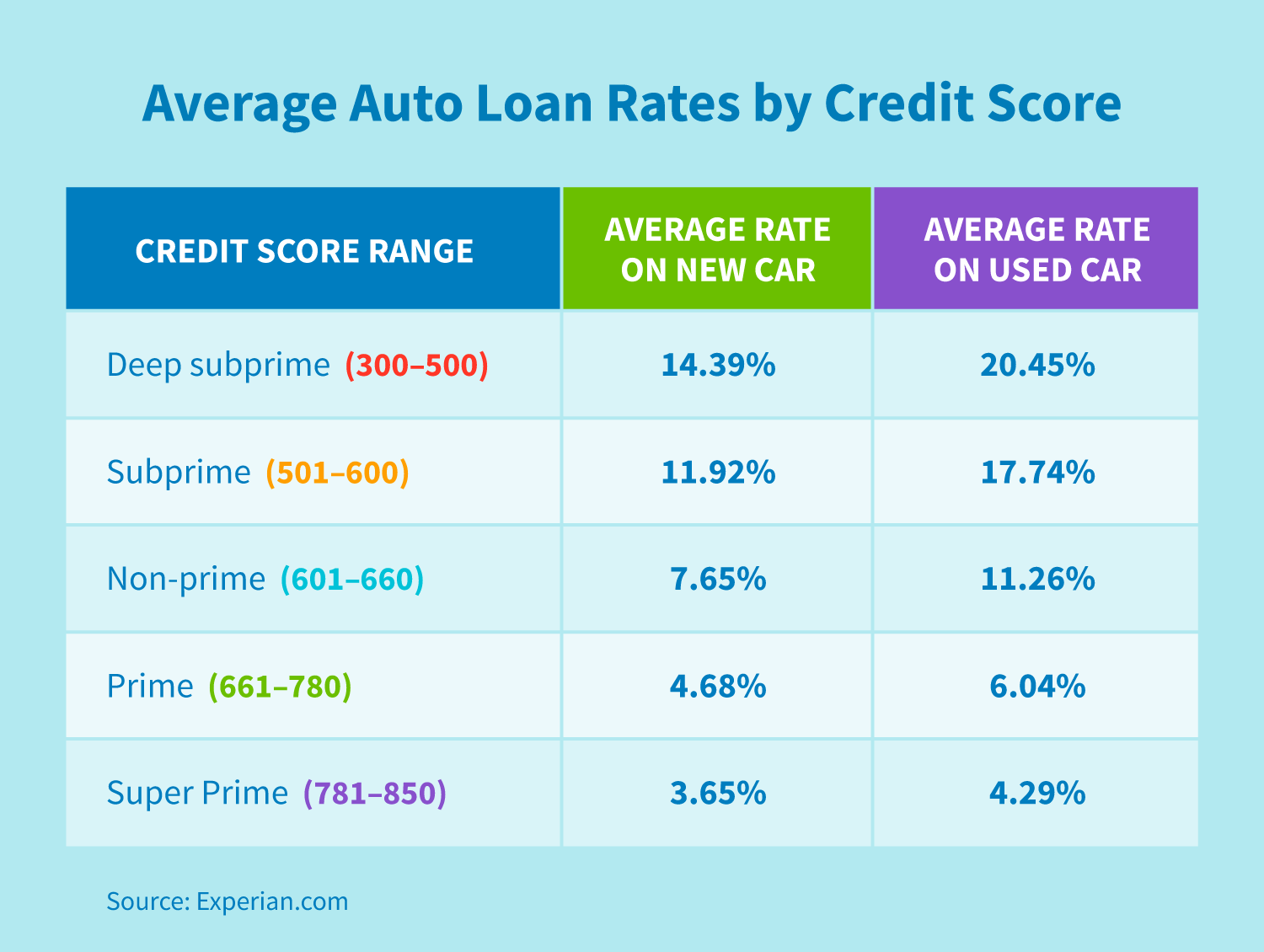
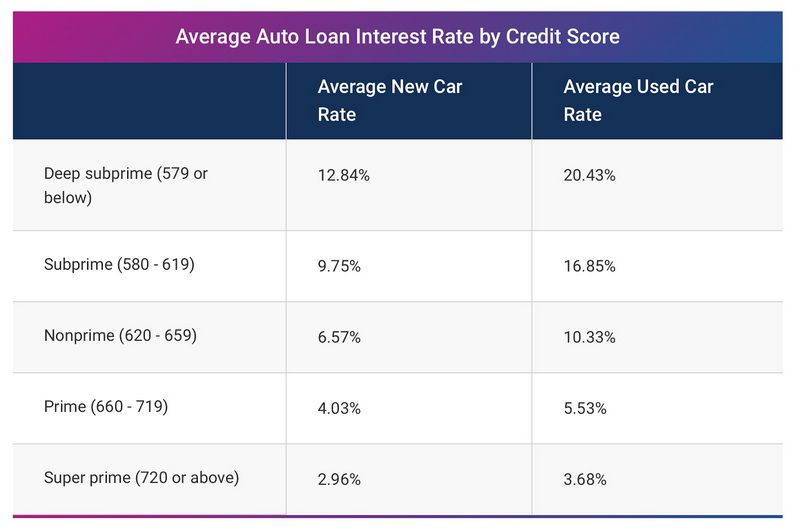
As of late 2023 and early 2024, car loan rates have generally seen an upward trend compared to the historically low rates of a few years prior. For borrowers with excellent credit (FICO scores 720+), a “good” new car loan APR might range from 5% to 7%. For used cars, these rates typically start a bit higher, perhaps from 6% to 8% for the same credit tier.
For those with good credit (FICO scores 660-719), new car loan APRs might fall between 7% and 10%, with used car rates potentially going into the low teens. Borrowers with average or fair credit (FICO scores below 660) should expect significantly higher rates, potentially 10% to 20% or even higher, depending on the lender and risk assessment. These are broad ranges, and actual offers can vary.
Impact of Your Credit Score
Your credit score is the single most powerful determinant of your loan rate. A difference of just 50-100 points in your credit score can translate into several percentage points on your APR, significantly altering your monthly payment and total interest paid over the loan term. For example, a borrower with a 780 FICO score might secure a 6% APR, while someone with a 680 FICO score could be offered 9% or 10% for the same car and loan term. Over a 60-month loan, this difference can amount to thousands of dollars in extra interest.
New vs. Used Car Loans
As mentioned, new car loans generally offer lower interest rates due to the vehicle’s higher collateral value and slower initial depreciation. Lenders perceive less risk when financing a brand-new vehicle. Used car loans, conversely, often come with slightly higher rates. This is because used vehicles have already depreciated, and their future value is less predictable, making them a higher risk for the lender in case of default. The age and mileage of a used car also factor into its loan rate, with older or high-mileage vehicles typically commanding even higher rates.
Loan Term Length
The length of your loan also plays a critical role. Shorter loan terms (e.g., 36 or 48 months) usually come with lower interest rates because the lender faces less long-term risk and gets their money back sooner. While monthly payments will be higher with shorter terms, the total interest paid over the life of the loan will be substantially less. Conversely, longer loan terms (e.g., 72 or 84 months) often have higher interest rates. Lenders charge more for extending credit over a longer period due to increased risk of default, changing economic conditions, and vehicle depreciation. While longer terms reduce monthly payments, they significantly inflate the total cost of the car due to accumulated interest.
Strategies to Secure the Best Rate
Achieving a “good” car loan rate isn’t solely dependent on what lenders offer; it also relies on proactive steps you take as a borrower.
Improve Your Credit Score
Before applying for a car loan, review your credit report for inaccuracies and take steps to improve your score. Pay down existing debts, especially credit card balances, which can lower your credit utilization ratio. Make all payments on time and avoid opening new lines of credit just before applying for a car loan. A higher credit score can translate directly into a lower APR.
Shop Around and Compare Offers
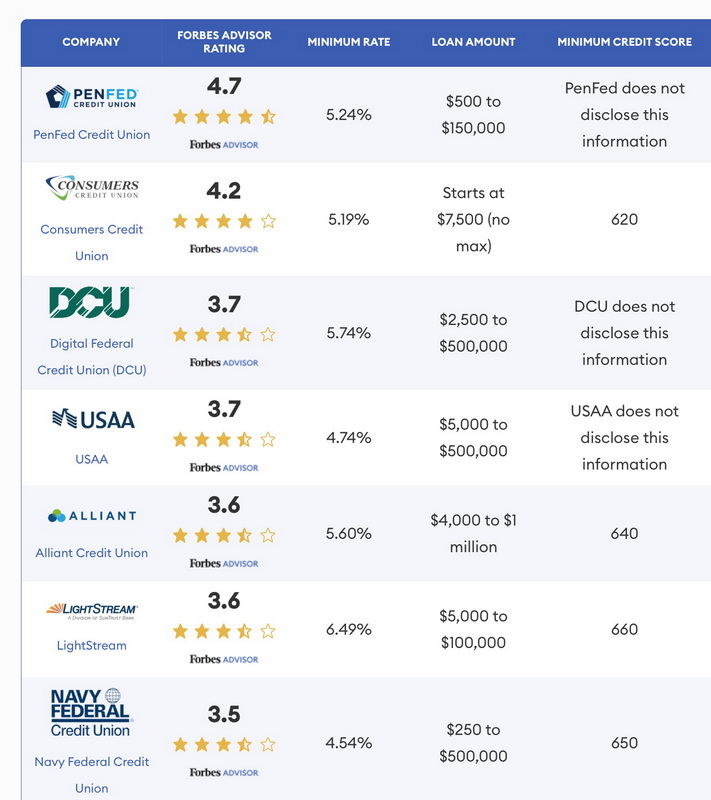
Never accept the first loan offer you receive, whether from a dealership or your bank. Apply with multiple lenders—banks, credit unions, and online lenders—within a short window (typically 14-45 days, depending on the credit scoring model). Multiple inquiries within this period are usually treated as a single hard inquiry, minimizing the impact on your credit score. This allows you to compare APRs, terms, and conditions to find the most competitive offer. Credit unions often provide some of the most favorable rates.
Consider a Shorter Loan Term
If your budget allows, opting for a shorter loan term (e.g., 36 or 48 months instead of 60 or 72) can significantly reduce the interest rate you’re offered. While your monthly payments will be higher, the total interest paid over the life of the loan will be substantially lower, saving you money in the long run.
Make a Larger Down Payment
Putting more money down upfront reduces the amount you need to finance, which lowers the lender’s risk. Lenders are more likely to offer lower interest rates when you have more equity in the vehicle from the start. Aim for at least 10-20% of the car’s purchase price as a down payment if possible.
Explore Refinancing Options
If you’ve already secured a car loan and current interest rates have dropped, or if your credit score has significantly improved since your original purchase, consider refinancing. Refinancing allows you to replace your existing car loan with a new one, often with a lower interest rate, which can reduce your monthly payments or the total interest you pay over the remaining term.
Beyond the Rate: Other Loan Considerations
While the APR is paramount, a good car loan extends beyond just the interest rate. Hidden fees and unfavorable terms can negate the benefits of a low APR.
Loan Fees and Charges
Always scrutinize the loan agreement for additional fees. These can include origination fees, documentation fees, processing fees, or late payment fees. While some fees are standard, excessive charges can significantly increase the total cost of your loan, even if the APR seems competitive. Ensure all fees are transparently disclosed and understand what each charge entails.
Prepayment Penalties
Some loan agreements include prepayment penalties, which are fees charged if you pay off your loan early. While less common with car loans than with other types of debt, it’s crucial to check your loan terms for this clause. A good loan offers flexibility, allowing you to pay extra or settle the balance whenever you choose without penalty, saving you on interest.
Dealer Add-ons and Extended Warranties
Be wary of dealership pressure to include various add-ons, such as extended warranties, gap insurance, paint protection, or VIN etching, directly into your loan. While some of these might offer value, they often come at inflated prices and significantly increase the total amount financed, meaning you’ll pay interest on these extras for the entire loan term. Evaluate each add-on independently and consider purchasing them separately if truly needed, rather than rolling them into your car loan.
aViewFromTheCave is a participant in the Amazon Services LLC Associates Program, an affiliate advertising program designed to provide a means for sites to earn advertising fees by advertising and linking to Amazon.com. Amazon, the Amazon logo, AmazonSupply, and the AmazonSupply logo are trademarks of Amazon.com, Inc. or its affiliates. As an Amazon Associate we earn affiliate commissions from qualifying purchases.