
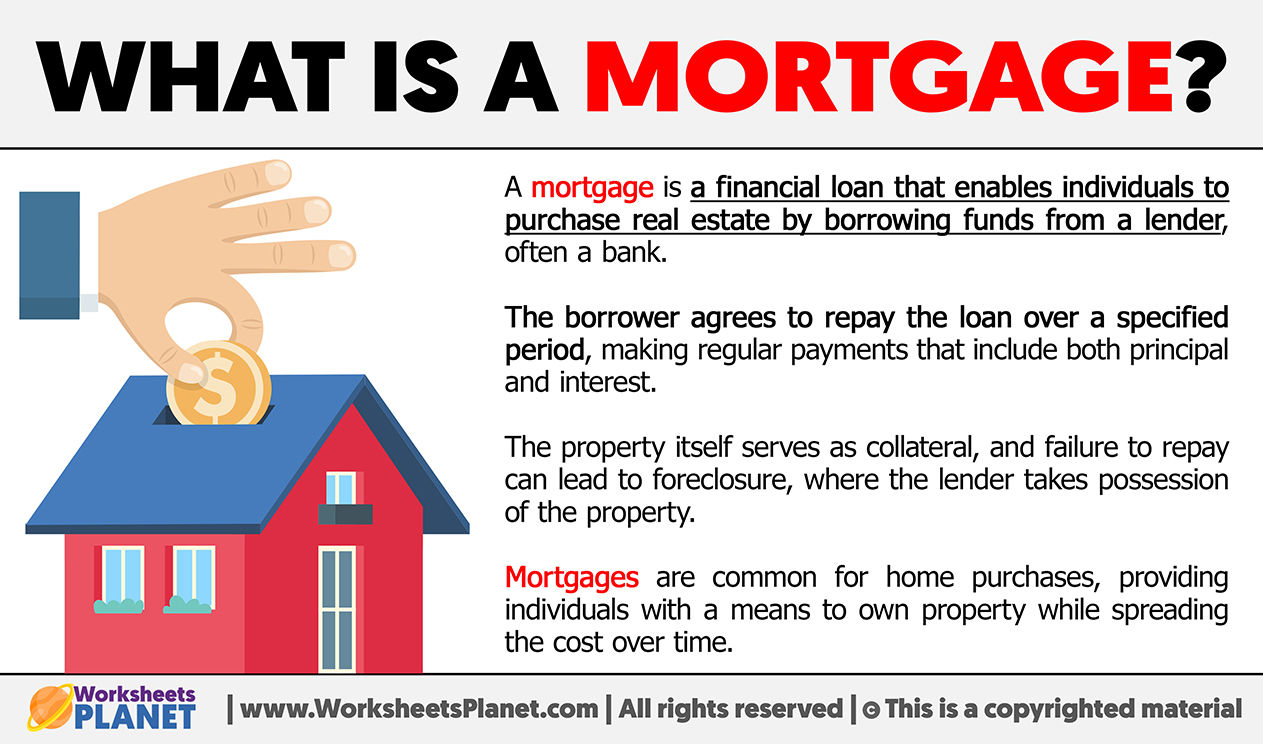
For the vast majority of individuals, a home is the most significant purchase they will ever make. Because the cost of real estate typically far exceeds the average person’s liquid savings, the global financial system has developed a specialized instrument to bridge the gap: the mortgage. At its simplest, a mortgage is a loan specifically designed for the purchase of real estate, where the property itself serves as collateral. However, beneath this straightforward definition lies a complex web of legal obligations, financial mathematics, and strategic planning that can influence a person’s financial health for decades.
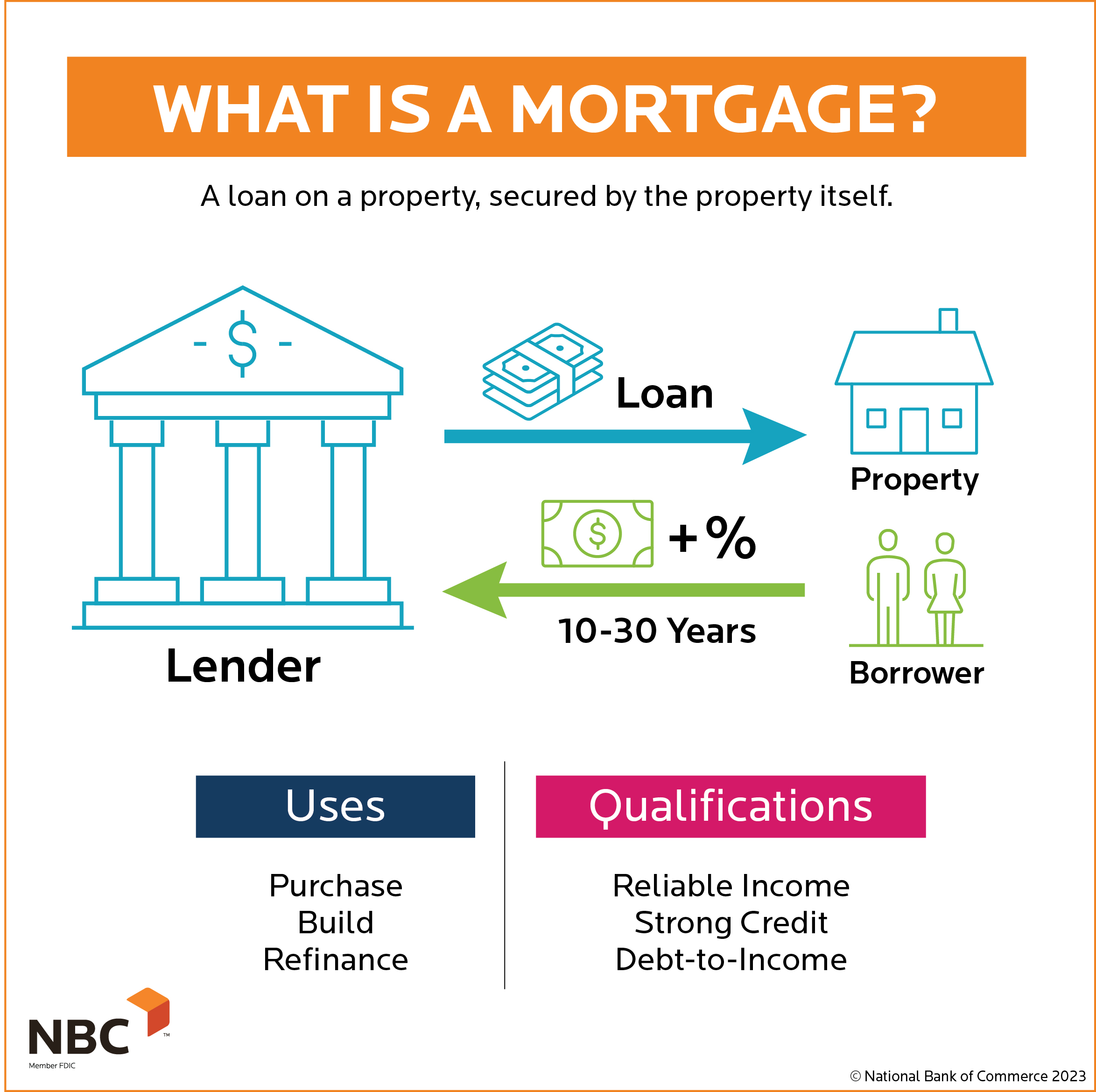
Understanding the nuances of a mortgage is essential for anyone looking to enter the property market. It is not merely a debt; it is a financial tool that allows for the accumulation of equity and the utilization of leverage. By spreading the cost of a home over fifteen to thirty years, a mortgage makes property ownership accessible, providing a foundation for personal stability and long-term wealth creation.
The Fundamental Mechanics of a Mortgage
To grasp how a mortgage functions, one must look beyond the monthly payment and understand the individual components that comprise the legal and financial agreement. A mortgage is essentially a two-part contract. The first part is the promissory note, which is the borrower’s personal promise to repay the debt. The second part is the security instrument—often a deed of trust or a mortgage document—which gives the lender the right to seize the property through a process known as foreclosure if the borrower fails to meet the terms of the agreement.
The Components of PITI
Most monthly mortgage payments are categorized by the acronym PITI: Principal, Interest, Taxes, and Insurance.
-
Principal: This is the actual amount of money borrowed. Each month, a portion of the payment goes toward reducing this balance.
-
Interest: This is the cost of borrowing the money, expressed as a percentage. In the early years of a mortgage, a significant portion of the payment is dedicated to interest.
-
Taxes: Local governments levy property taxes to fund public services. Many lenders require borrowers to pay a prorated portion of these taxes each month, which is held in an escrow account and paid on the borrower’s behalf.
-
Insurance: This includes homeowners insurance, which protects against property damage, and potentially Private Mortgage Insurance (PMI). PMI is typically required if the borrower provides a down payment of less than 20%, protecting the lender in the event of default.
Down Payments and Equity
The down payment is the initial cash investment made by the buyer. It represents the buyer’s immediate equity—the portion of the home they “own” outright. As the mortgage is paid down over time and as the property value potentially appreciates, the homeowner’s equity grows. Equity is a powerful financial asset that can be borrowed against in the future or realized as a profit when the home is sold.
The Role of the Escrow Account
An escrow account acts as a neutral holding area managed by the lender. By collecting taxes and insurance premiums monthly, the lender ensures that these critical bills are paid on time. This protects the lender’s interest in the collateral, as unpaid property taxes can lead to tax liens that take precedence over the mortgage, and a lack of insurance leaves the asset vulnerable to catastrophes.
Navigating Mortgage Types and Structures
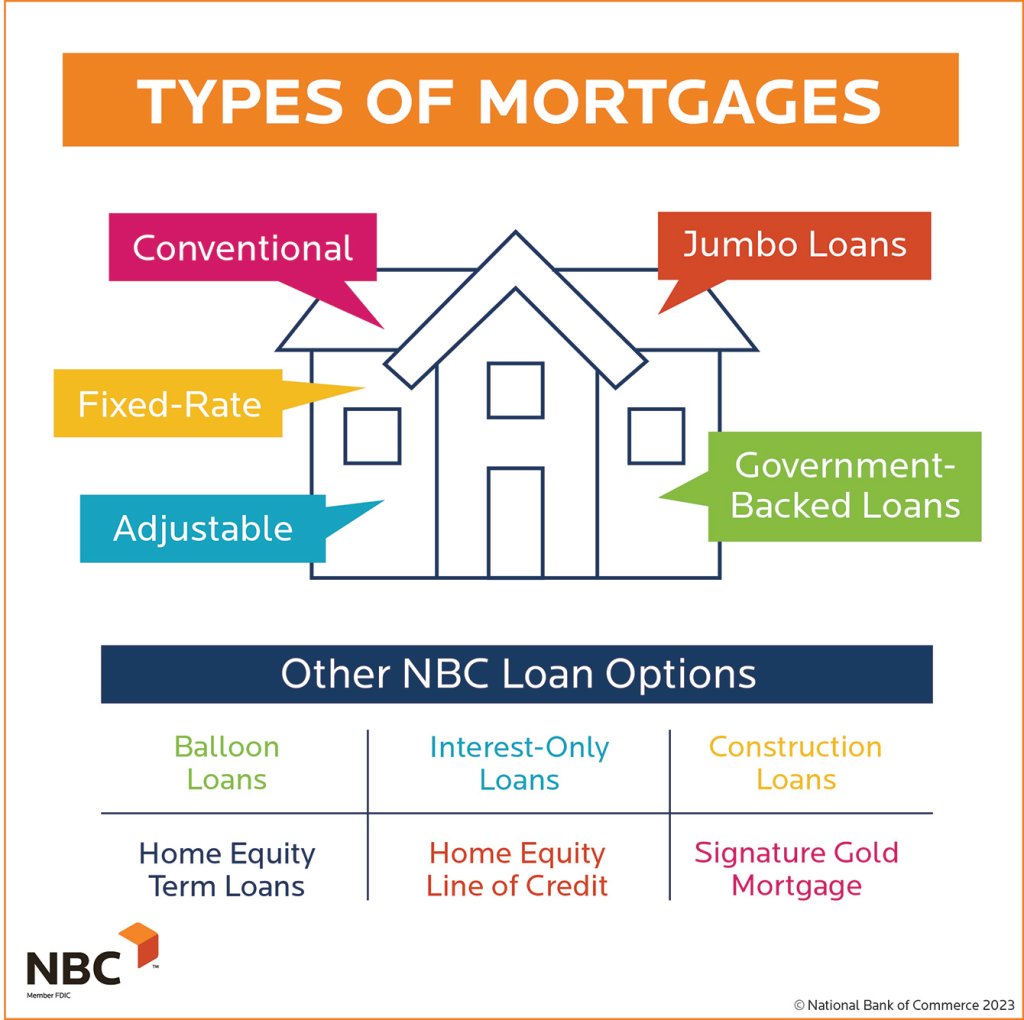
The financial market offers a variety of mortgage products, each tailored to different financial situations, risk tolerances, and long-term goals. Selecting the right type of mortgage is a strategic decision that can save a borrower tens of thousands of dollars over the life of the loan.
Fixed-Rate vs. Adjustable-Rate Mortgages (ARMs)
The most common choice is the Fixed-Rate Mortgage. As the name suggests, the interest rate remains constant throughout the entire term of the loan, usually 15 or 30 years. This provides predictability, as the principal and interest portion of the payment never changes, making it ideal for long-term budgeting.
In contrast, an Adjustable-Rate Mortgage (ARM) offers an initial interest rate that is typically lower than that of a fixed-rate loan. However, after a set period (such as five or seven years), the rate adjusts periodically based on market indices. While ARMs can be beneficial for those who plan to sell or refinance before the adjustment period begins, they carry the risk of significantly higher payments if interest rates rise.
Government-Backed Loans
For many first-time buyers or those with specific backgrounds, government-backed loans provide a path to ownership that conventional loans might not.
-
FHA Loans: Insured by the Federal Housing Administration, these loans allow for lower down payments (as low as 3.5%) and more lenient credit requirements.
-
VA Loans: Available to veterans, active-duty service members, and eligible surviving spouses, VA loans often require no down payment and no private mortgage insurance, representing one of the most powerful benefits of military service.
-
USDA Loans: These are designed for rural and suburban homebuyers who meet certain income requirements, often offering 100% financing to encourage development in less populated areas.
Conventional and Jumbo Loans
Conventional loans are not insured by the federal government and typically follow the lending guidelines set by Fannie Mae and Freddie Mac. They often require higher credit scores and larger down payments but offer more flexibility in terms of property types and insurance cancellation. When a loan amount exceeds the “conforming” limits set by these agencies, it becomes a Jumbo loan. These are common in high-cost real estate markets and usually come with stricter underwriting criteria due to the higher financial risk to the lender.
The Financial Impact: Interest, Amortization, and Credit
A mortgage is not a static debt; it is a dynamic financial relationship influenced by market forces and individual creditworthiness. Understanding the underlying math of a mortgage can help borrowers make more informed decisions about when to buy and how to manage their debt.
How Amortization Works
Amortization is the process of paying off a debt over time through regular installments. In a standard mortgage, the payment is “fully amortizing,” meaning that if every payment is made on schedule, the balance will be zero at the end of the term. However, the distribution of the payment changes over time. Because the interest is calculated based on the remaining balance, the interest portion is highest at the beginning. As the principal balance drops, the interest charge decreases, allowing a larger portion of the monthly payment to go toward the principal. This is why equity grows slowly in the first decade of a 30-year mortgage and accelerates rapidly toward the end.
The Significance of the APR
When comparing mortgage offers, borrowers should look at the Annual Percentage Rate (APR) rather than just the base interest rate. The APR reflects the total cost of the loan, including the interest rate, points, lender fees, and other closing costs. It provides a more accurate “apples-to-apples” comparison between different lenders.
Credit Scores and Interest Rates
In the world of personal finance, a credit score is the primary lever used to determine the cost of a mortgage. Lenders use credit scores to assess the risk of default. A higher score typically unlocks lower interest rates. Even a difference of 0.5% in an interest rate might seem negligible, but over a 30-year term on a $400,000 loan, it can result in over $40,000 in additional interest payments. Maintaining a strong credit profile is perhaps the most effective way to reduce the cost of homeownership.
The Path to Ownership: The Mortgage Lifecycle
The process of obtaining a mortgage is rigorous, involving deep dives into a borrower’s financial history. This scrutiny ensures that the borrower has the capacity to repay the loan and that the property is worth the investment.
Pre-approval and Underwriting
The journey often begins with pre-approval, where a lender reviews a borrower’s income, assets, and credit to provide a letter stating how much they are willing to lend. This is a critical step in a competitive real estate market, as it demonstrates to sellers that the buyer is serious and financially capable. Once a property is under contract, the loan enters underwriting. During this phase, the lender verifies every detail of the borrower’s finances and orders an appraisal to ensure the home’s value justifies the loan amount.
Closing Costs and the Final Disclosure
Before the keys are handed over, the borrower must navigate “closing.” This involves paying various fees, including title insurance, attorney fees, recording fees, and appraisal costs. Lenders are required to provide a Closing Disclosure three days before the meeting, allowing the borrower to review the final numbers and ensure they match the initial estimates.
Refinancing: A Strategic Tool
A mortgage is not necessarily a permanent commitment to a specific rate or term. Refinancing allows a homeowner to replace their existing mortgage with a new one, typically to take advantage of lower interest rates, shorten the loan term, or convert equity into cash (a cash-out refinance). Strategically refinancing can improve monthly cash flow or drastically reduce the total interest paid over the life of the loan, making it a key component of sophisticated personal finance management.
Ultimately, a mortgage is more than just a monthly bill; it is a sophisticated financial instrument that facilitates one of life’s most important milestones. By mastering the terminology, understanding the types of loans available, and recognizing the impact of interest and credit, individuals can transform a mortgage from a daunting debt into a powerful engine for building long-term financial security.
aViewFromTheCave is a participant in the Amazon Services LLC Associates Program, an affiliate advertising program designed to provide a means for sites to earn advertising fees by advertising and linking to Amazon.com. Amazon, the Amazon logo, AmazonSupply, and the AmazonSupply logo are trademarks of Amazon.com, Inc. or its affiliates. As an Amazon Associate we earn affiliate commissions from qualifying purchases.