
Understanding health insurance can often feel like navigating a dense financial jungle, riddled with unfamiliar terms and complex calculations. Among the most fundamental yet frequently misunderstood concepts is the “monthly premium.” Far from being just another bill, your monthly premium is the cornerstone of your health coverage, a regular financial commitment that unlocks access to crucial medical services and provides a vital safety net against unforeseen health expenditures. For many, it represents the primary recurring cost of healthcare, a sum paid to an insurance provider in exchange for the promise of financial protection when illness or injury strikes.

In essence, a monthly premium is the regular payment you make to your health insurance company to maintain active coverage. Think of it as a subscription fee for healthcare security. Without paying your premium, your policy can lapse, leaving you exposed to the full, often exorbitant, costs of medical care. This payment isn’t tied to how much healthcare you use in a given month; whether you visit the doctor five times or not at all, the premium remains constant. It’s a pooled resource, with payments from thousands, even millions, of policyholders contributing to a fund that covers the healthcare costs of the entire group. This collective risk-sharing model is what makes health insurance financially viable and provides individuals with access to care that would be unaffordable on a pay-as-you-go basis. Grasping the intricacies of premiums is not just about understanding a line item on your budget; it’s about making informed financial decisions that directly impact your well-being and long-term financial stability.
Understanding the Fundamentals of Health Insurance Premiums
To demystify health insurance, it’s crucial to start with a clear understanding of its foundational element: the premium. This regular payment is the gateway to your coverage, acting as a financial contract that obligates the insurer to cover a portion of your medical expenses as per your policy’s terms.
The Basic Definition
At its simplest, a health insurance premium is the amount of money you pay regularly – typically once a month, but sometimes quarterly or annually – to an insurance company to keep your health insurance policy active. It’s the cost of being insured, regardless of whether you use medical services or not. This payment ensures that when you do need medical care – be it a routine check-up, an emergency room visit, a prescription refill, or a major surgical procedure – a significant portion of the costs will be covered by your insurer, rather than falling entirely on your shoulders. The premium amount is determined by a multitude of factors, reflecting the insurer’s assessment of the risk they are undertaking by covering you and the scope of benefits provided by your chosen plan.
How Premiums Work
When you pay your premium, that money goes into a large pool with payments from all other policyholders. From this collective fund, the insurance company pays out claims for medical services received by its members. This is the essence of risk pooling: a large group of people contribute small, regular amounts, ensuring that the few who experience significant health events have their substantial costs covered. This model prevents any single individual from being financially devastated by a sudden illness or accident. The insurance company acts as the administrator of this pool, managing the funds, processing claims, and ensuring regulatory compliance. They utilize actuarial science to calculate premiums, aiming to collect enough money to cover projected claims, administrative costs, and achieve a reasonable profit margin, while remaining competitive in the market.
Why Premiums are Essential
Premiums are indispensable for several critical reasons. Firstly, they provide financial protection. Without health insurance, even a minor accident or illness can lead to thousands of dollars in medical bills, potentially wiping out savings or leading to insurmountable debt. Premiums act as a buffer against these unpredictable and often exorbitant costs. Secondly, they enable access to care. Many healthcare providers prefer to work with insured patients, and certain treatments or specialists might only be accessible through an insurance network. Regular payment of premiums ensures you maintain this access. Thirdly, premiums support preventive care. Most health insurance plans, thanks to regulations, cover preventive services like annual check-ups, vaccinations, and screenings at no additional cost (beyond the premium). This encourages people to seek care before minor issues become major, more expensive problems, ultimately contributing to better public health outcomes and reducing the overall burden on the healthcare system. Finally, premiums contribute to the stability of the healthcare system itself, allowing providers to be compensated for their services and incentivizing innovation in medical treatments and technologies.
Key Factors Influencing Your Monthly Premium
The cost of a health insurance premium is not arbitrary; it’s a carefully calculated figure influenced by a variety of factors. Understanding these variables can help you anticipate costs and make more informed decisions when selecting a plan.
Age and Location
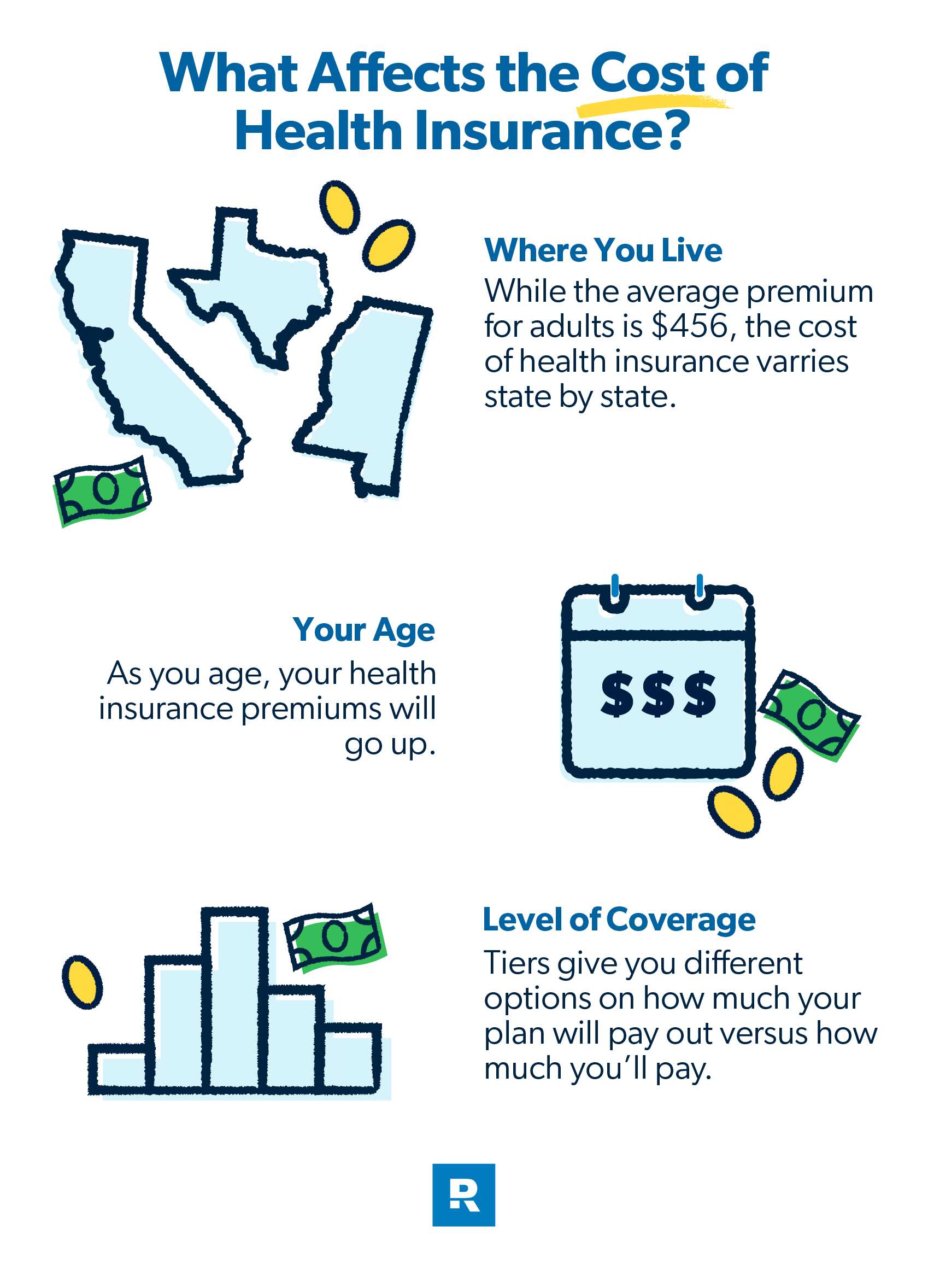
These are two of the most significant determinants of your premium. Generally, premiums tend to increase with age because older individuals statistically require more medical care and are at a higher risk for chronic conditions. Insurers adjust premiums to reflect this elevated risk profile. Your geographical location also plays a crucial role. Healthcare costs vary widely across different states, cities, and even rural versus urban areas due to differences in competition among hospitals and providers, state regulations, cost of living, and local health trends. For instance, premiums might be higher in areas with a limited number of hospitals, where providers have less competition and can charge more, or in regions with higher rates of certain diseases.
Plan Type and Coverage Level
The type of health insurance plan you choose (e.g., HMO, PPO, EPO, POS, HDHP) profoundly impacts your premium. Plans with broader networks, more flexibility, and lower out-of-pocket costs when you receive care (like lower deductibles or co-pays) typically come with higher monthly premiums. Conversely, plans with more restrictive networks or higher deductibles often have lower premiums. Similarly, the “metal level” of the plan (Bronze, Silver, Gold, Platinum) indicates the actuarial value – the percentage of healthcare costs the plan is expected to cover. Platinum plans cover around 90% of costs and thus have the highest premiums, while Bronze plans cover about 60% and have the lowest premiums. The balance between premium cost and your out-of-pocket expenses when you use care is a critical trade-off to consider.
Tobacco Use
In many places, health insurers are permitted to charge higher premiums for individuals who use tobacco products. This surcharge, often referred to as a tobacco rating, can increase your premium significantly, sometimes by as much as 50% in states that allow the maximum surcharge. This is because tobacco use is strongly linked to a higher risk of developing various serious health conditions, such as heart disease, cancer, and respiratory illnesses, making tobacco users a higher actuarial risk for insurers. Some plans or states may offer programs to help tobacco users quit, which might then lead to a reduction in their premium surcharge.
Number of Individuals Covered
It logically follows that covering more people under one policy will increase the overall premium. An individual plan will have a lower premium than a plan that covers an individual plus a spouse, or an entire family. Each additional family member adds to the insurer’s risk pool, thus increasing the collective cost. When evaluating family plans, it’s important to compare the cost of a single family plan versus potentially separate individual plans, though family plans are often designed to be more cost-effective for multiple dependents.
Deductibles, Co-pays, and Co-insurance
These are your primary out-of-pocket costs when you receive care, and they have an inverse relationship with your monthly premium.
- Deductible: The amount you must pay for covered healthcare services before your insurance plan starts to pay. Plans with higher deductibles typically have lower monthly premiums, and vice-versa.
- Co-pay: A fixed amount you pay for a covered healthcare service after you’ve paid your deductible. Plans with lower co-pays usually have higher premiums.
- Co-insurance: A percentage of the cost of a covered healthcare service you pay after you’ve met your deductible. Plans with lower co-insurance percentages generally command higher premiums.
Choosing a plan often involves balancing these out-of-pocket costs against the monthly premium to find the optimal financial fit for your expected healthcare needs and budget. A low premium might seem attractive, but it could come with a very high deductible or co-insurance, meaning you pay more out of pocket when you actually need care.
Navigating Different Health Insurance Plans and Their Premium Structures
The landscape of health insurance plans is diverse, each designed with different structures, provider networks, and cost-sharing models that directly influence the monthly premium. Understanding these distinctions is crucial for selecting a plan that aligns with your healthcare needs and financial preferences.
HMOs (Health Maintenance Organizations)
HMO plans typically offer some of the lowest monthly premiums compared to other plan types. This affordability comes with a trade-off: a more restricted network of doctors, hospitals, and specialists. With an HMO, you usually need to choose a Primary Care Provider (PCP) within the network who then coordinates all your care and issues referrals for specialists. You generally cannot go out-of-network for care (except in emergencies) without incurring the full cost yourself. The integrated nature of care within an HMO network allows for better cost control, which translates to lower premiums for members.
PPOs (Preferred Provider Organizations)
PPOs generally have higher monthly premiums than HMOs, but they offer greater flexibility and choice. With a PPO, you usually don’t need a referral from a PCP to see a specialist, and you have the option to receive care from both in-network and out-of-network providers. While going out-of-network will result in higher out-of-pocket costs (higher deductibles, co-pays, and co-insurance), the option provides a significant advantage for those who prioritize provider choice and flexibility. The broader network and freedom from referrals contribute to the higher premium costs.
EPOs (Exclusive Provider Organizations)
EPOs strike a middle ground between HMOs and PPOs in terms of flexibility and premium cost. Like HMOs, EPOs typically require you to stay within a specific network of doctors and hospitals for covered care, meaning you generally won’t be covered for out-of-network services (except in emergencies). However, similar to PPOs, you usually don’t need a referral from a PCP to see a specialist within the network. Their premiums are often lower than PPOs but potentially higher than HMOs, offering a balance for individuals who want a bit more freedom than an HMO but are comfortable with an in-network-only approach to control costs.
POS (Point-of-Service) Plans
POS plans are a hybrid of HMO and PPO models, offering a mix of features and a premium cost that often falls between them. They usually require you to choose a PCP within the plan’s network, similar to an HMO. This PCP then refers you to specialists within the network. However, a key feature of POS plans is the option to go out-of-network for care, albeit at a higher cost-sharing level. This blend of managed care and out-of-network flexibility means POS plan premiums can vary, depending on the specifics of the plan’s network size and out-of-network benefits.
High-Deductible Health Plans (HDHPs) and HSAs
High-Deductible Health Plans (HDHPs) are characterized by lower monthly premiums but higher deductibles compared to traditional plans. These plans are particularly appealing to individuals who are generally healthy and anticipate minimal medical needs, or those who want to minimize their upfront monthly costs. A significant benefit of HDHPs is that they can be paired with a Health Savings Account (HSA). An HSA is a tax-advantaged savings account that can be used to pay for qualified medical expenses. Contributions to an HSA are tax-deductible, the money grows tax-free, and withdrawals for medical expenses are tax-free. This combination allows individuals to save money on premiums while simultaneously building a tax-advantaged fund for healthcare costs, making HDHPs a financially savvy option for many.
Strategies for Managing and Potentially Lowering Your Health Insurance Premiums
While health insurance premiums are an unavoidable cost, there are several strategic approaches you can employ to manage them effectively and potentially reduce your monthly outlay without sacrificing essential coverage.
Comparing Plans on the Marketplace
One of the most effective ways to find an affordable premium is to actively shop around and compare different plans. Websites like the Affordable Care Act (ACA) marketplace (HealthCare.gov) or state-run exchanges allow you to compare numerous plans side-by-side. Pay close attention not just to the monthly premium, but also to deductibles, co-pays, co-insurance, and the network of providers. A plan with a slightly higher premium might offer much better overall value if it has lower out-of-pocket costs or includes your preferred doctors. Conversely, a plan with a very low premium might have a high deductible, making it unsuitable if you anticipate frequent medical needs.
Utilizing Subsidies and Tax Credits
Many individuals and families qualify for financial assistance, such as premium tax credits or cost-sharing reductions, to help make health insurance more affordable. These subsidies are available through the ACA marketplace based on household income and family size. Premium tax credits can significantly lower your monthly premium, sometimes reducing it to a very manageable amount. Cost-sharing reductions help lower your out-of-pocket costs like deductibles and co-pays. It’s crucial to apply for these when shopping on the marketplace, as they can dramatically impact the actual cost of your health insurance. Don’t assume you don’t qualify; check your eligibility, as income thresholds can be surprisingly generous.
Opting for Higher Deductibles (with caution)
As discussed, there’s an inverse relationship between premiums and deductibles. Opting for a plan with a higher deductible will almost always result in a lower monthly premium. This strategy can be particularly effective for healthy individuals who anticipate minimal medical expenses throughout the year. The trade-off, however, is that you will be responsible for a larger sum out of pocket before your insurance coverage kicks in. If you choose this route, ensure you have sufficient savings in an emergency fund or an HSA to cover that deductible should an unexpected medical event occur. Without adequate savings, a high-deductible plan could lead to financial strain.
Exploring Employer-Sponsored Plans
If you are employed, check if your employer offers health insurance benefits. Employer-sponsored plans often come with a significant advantage: employers typically contribute a substantial portion of the premium, making your share considerably lower than what you would pay for a comparable plan on the individual marketplace. They also often offer a broader range of plan options and sometimes additional benefits. Even if your employer plan has a higher premium than a marketplace option, the employer contribution might make it the more cost-effective choice overall.
Maintaining a Healthy Lifestyle
While not an immediate premium-reducing strategy for all, maintaining a healthy lifestyle can indirectly impact your long-term health insurance costs. Some insurers offer wellness programs or discounts for non-smokers. More broadly, good health reduces your reliance on medical services, which, while not changing your premium directly, can significantly lower your overall annual healthcare spending by minimizing co-pays, co-insurance, and the likelihood of hitting your deductible. In some cases, being a non-tobacco user can directly reduce your premium, as mentioned earlier.
The Broader Financial Picture: Premiums in Context
Understanding what a premium is and how it’s determined is only half the battle. Integrating this cost into your overall financial planning and understanding its implications within the wider healthcare ecosystem is essential for holistic financial well-being.
Balancing Premiums with Other Out-of-Pocket Costs
When evaluating health insurance, it’s a common mistake to focus solely on the monthly premium. While it’s a significant recurring cost, it’s just one piece of the puzzle. You must also consider your potential out-of-pocket expenses: deductibles, co-pays, co-insurance, and your out-of-pocket maximum. A low-premium plan might seem attractive initially, but if it comes with a high deductible and high co-insurance, your actual annual healthcare spending could be much higher if you need significant medical care. Conversely, a higher premium plan might offer lower out-of-pocket costs, leading to more predictable expenses. The optimal choice depends on your health status, anticipated medical needs, and risk tolerance. For someone with chronic conditions, a higher premium plan with lower out-of-pocket costs might be a better financial decision, while a healthy individual might prefer a lower premium, high-deductible plan.
The Cost of Not Having Insurance
The seemingly high cost of monthly premiums can tempt some to forgo health insurance altogether. However, the financial risks of being uninsured are astronomical. A single unexpected medical emergency – an appendectomy, a broken bone, or a sudden illness requiring hospitalization – can quickly generate tens of thousands, if not hundreds of thousands, of dollars in medical bills. Without insurance, these costs fall entirely on you, potentially leading to bankruptcy, severe debt, and long-term financial distress. Furthermore, uninsured individuals often delay or forgo necessary medical care due to cost concerns, leading to worsening health conditions that are more expensive to treat in the long run. The monthly premium, in this context, is not merely an expense but an investment in financial security and peace of mind. It acts as a shield against catastrophic medical debt.

Incorporating Premiums into Your Budget
Health insurance premiums should be a non-negotiable line item in your monthly budget, similar to rent or mortgage payments. Failing to budget for and pay your premiums can lead to a lapse in coverage, leaving you vulnerable. When creating your budget, allocate a specific amount for this expense. If your premiums are paid directly from your paycheck (as is common with employer-sponsored plans), ensure you understand the net effect on your take-home pay. For those buying on the marketplace, set up automatic payments to avoid missing a due date. Regularly review your health insurance plan and budget, especially during open enrollment periods, to ensure your coverage still meets your needs and budget. As your financial situation or health status changes, your ideal premium-to-out-of-pocket cost balance might shift, necessitating a plan adjustment. Proactive financial planning around your premiums is a cornerstone of responsible personal finance.
In conclusion, the monthly premium for health insurance is more than just a payment; it’s an essential component of your financial security and access to healthcare. By understanding its definition, the factors that influence its cost, the nuances of different plan types, and effective strategies for management, you can make informed decisions that protect both your health and your financial future.
aViewFromTheCave is a participant in the Amazon Services LLC Associates Program, an affiliate advertising program designed to provide a means for sites to earn advertising fees by advertising and linking to Amazon.com. Amazon, the Amazon logo, AmazonSupply, and the AmazonSupply logo are trademarks of Amazon.com, Inc. or its affiliates. As an Amazon Associate we earn affiliate commissions from qualifying purchases.