
Understanding the cost of health insurance is a pivotal aspect of personal financial planning for millions. Far from being a simple, fixed expense, your monthly health insurance premium is a dynamic figure influenced by a multitude of factors, unique to your circumstances, choices, and location. This guide aims to demystify the complexities surrounding health insurance costs, providing a clear, insightful breakdown of what you can expect to pay and strategies to manage these crucial expenses. For many, health insurance is not just a financial burden but a vital safety net, making an informed understanding of its cost paramount for financial stability and access to necessary medical care.

Deciphering the Factors That Drive Your Health Insurance Premiums
The seemingly straightforward question, “How much is health insurance monthly?” quickly unravels into a complex web of variables. Multiple factors converge to determine the premium you pay, making a personalized assessment essential.
Age, Location, and Tobacco Use: Personal Demographics Matter
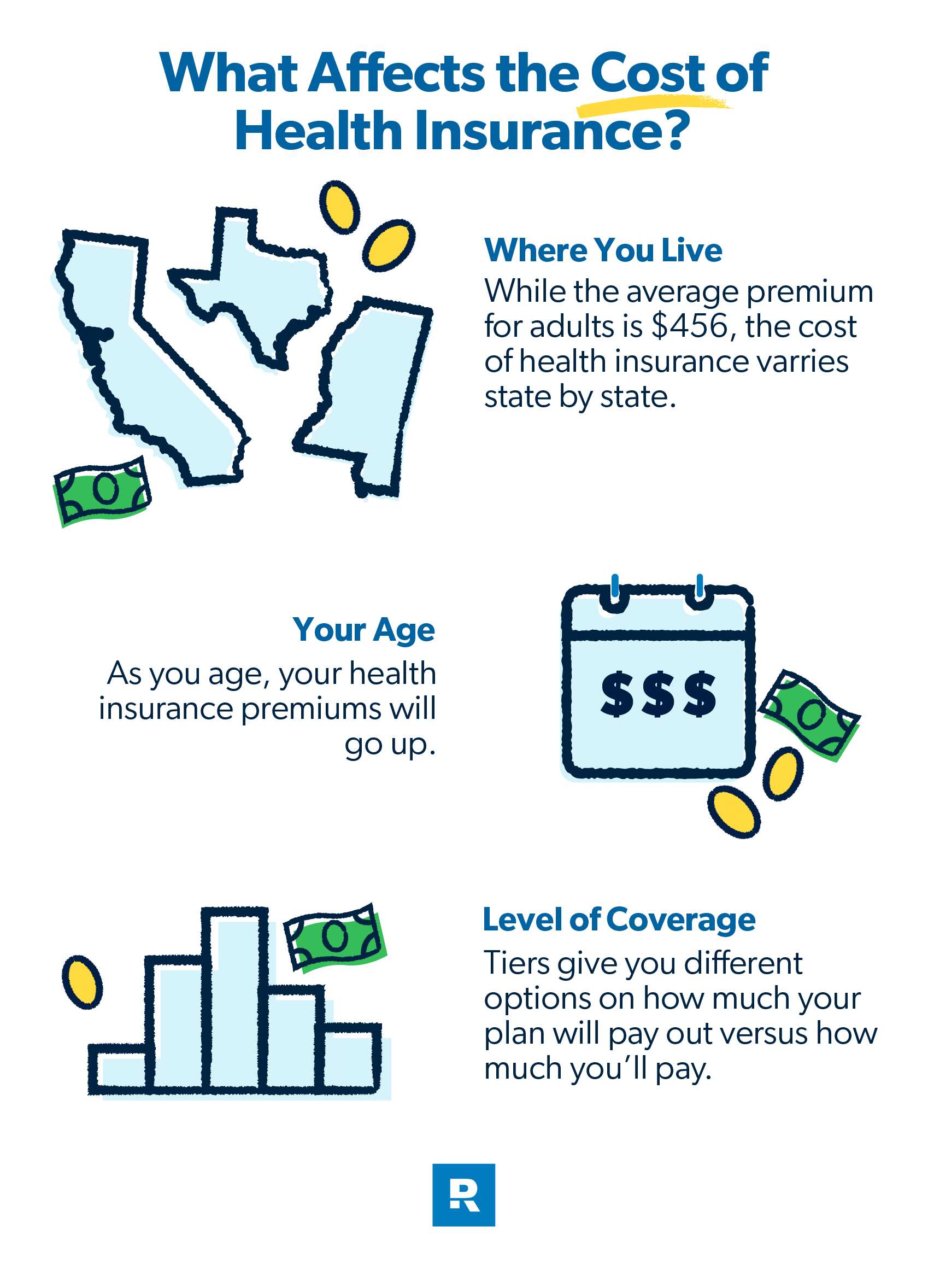
Your age is a primary determinant. Generally, premiums increase with age, reflecting a higher likelihood of needing medical care as one gets older. Insurers in many states are allowed to charge older adults up to three times more than younger individuals for the same plan. Location also plays a significant role. Health care costs, competition among insurers, state regulations, and local medical infrastructure vary widely by state, county, and even zip code, leading to substantial differences in premiums across different geographic areas. Finally, tobacco use can lead to higher premiums. The Affordable Care Act (ACA) allows insurers to charge tobacco users up to 50% more than non-tobacco users, recognizing the increased health risks associated with smoking.
Plan Types and Network Structures: HMOs, PPOs, and More
The type of health insurance plan you choose profoundly impacts your monthly premium.
- Health Maintenance Organizations (HMOs) typically have lower premiums because they require you to choose a primary care physician (PCP) within their network and get referrals for specialists.
- Preferred Provider Organizations (PPOs) offer more flexibility, allowing you to see out-of-network providers (though at a higher cost) and usually don’t require referrals, but often come with higher premiums.
- Exclusive Provider Organizations (EPOs) are similar to PPOs but don’t cover out-of-network care except in emergencies.
- Point of Service (POS) plans blend features of HMOs and PPOs. The more flexibility and wider choice of providers a plan offers, the higher its premium tends to be.
Deductibles, Copayments, and Coinsurance: Understanding Your Financial Share
These terms define your out-of-pocket costs in addition to your premium, but they also influence the premium itself.
- A deductible is the amount you must pay for covered health care services before your insurance plan starts to pay. Plans with higher deductibles typically have lower monthly premiums, and vice-versa.
- Copayments (copays) are fixed amounts you pay for specific services, like doctor visits or prescription drugs, after you’ve met your deductible (though some plans apply copays before the deductible is met).
- Coinsurance is a percentage of the cost of a covered service you pay after you’ve met your deductible. For example, if your coinsurance is 20%, you pay 20% of the bill, and your insurer pays 80%.
The interplay of these cost-sharing elements directly affects the premium; plans with lower deductibles, copays, and coinsurance generally command higher monthly premiums.
Enrollment Status: Individual vs. Family Coverage
Whether you enroll as an individual or cover multiple family members significantly impacts the total monthly cost. While a family plan for two adults and children will undoubtedly cost more than an individual plan, the per-person cost within a family plan can sometimes be more efficient than purchasing separate individual plans for each member. The specific pricing structure for adding spouses and dependents varies by insurer and plan.
Average Monthly Costs Across Different Health Insurance Avenues
While specific costs are highly individualized, understanding the general range of premiums across different types of health insurance can provide a useful benchmark.
Individual Plans Through the ACA Marketplace
For individuals purchasing health insurance directly, the Affordable Care Act (ACA) Marketplace (healthcare.gov or state exchanges) is a primary source. According to recent data, the average national unsubsidized premium for an individual ACA plan (specifically a Silver plan, which is a common benchmark) could range from approximately $400 to $700 per month, depending heavily on the factors mentioned above. This average can vary significantly by state, with some states seeing averages well above or below this range. However, it’s crucial to remember that many individuals qualify for substantial premium tax credits, which can drastically reduce this out-of-pocket cost.
Employer-Sponsored Health Insurance: What Employees Typically Pay
Employer-sponsored plans are the most common source of health insurance in the U.S. While employers bear a significant portion of the premium, employees still contribute. The Kaiser Family Foundation’s (KFF) annual employer health benefits survey consistently shows that the average employee contribution for single coverage is around $100 to $125 per month, while for family coverage, it can range from $450 to $600 per month or more. These figures represent the employee’s share of the premium, with the employer covering the remainder. The exact amount depends on the company’s contribution strategy and the plan selected.
Government Programs: Medicare and Medicaid Cost Insights
- Medicare, primarily for individuals aged 65 and older or those with certain disabilities, has several parts, each with different cost structures.
- Part A (Hospital Insurance) is typically premium-free for most people if they or their spouse paid Medicare taxes for a certain period.
- Part B (Medical Insurance) has a standard monthly premium (e.g., around $174.70 in 2024), which can be higher based on income.
- Part D (Prescription Drug Coverage) premiums vary widely based on the chosen plan, averaging around $30-50 per month, also subject to income-related adjustments.
- Medicare Advantage (Part C) plans combine Parts A, B, and usually D, often with additional benefits. Their premiums can vary, with some plans having a $0 premium beyond the Part B premium.
- Medicaid provides low-cost or free health coverage for low-income individuals and families. Eligibility and benefits vary by state, but for those who qualify, the monthly premiums are often $0, with minimal or no out-of-pocket costs for services.
Short-Term vs. Long-Term Plans: A Cost-Benefit Analysis
Short-term health insurance plans often have significantly lower monthly premiums than ACA-compliant plans, sometimes as low as $50-$150 per month. However, they offer less comprehensive coverage, often exclude pre-existing conditions, cap benefits, and are not required to cover the ACA’s essential health benefits. They are designed as temporary solutions, usually for up to 3-12 months. Long-term, comprehensive plans (like those found on the ACA Marketplace or employer-sponsored) have higher premiums but provide robust coverage, consumer protections, and essential health benefits, making them a more reliable and complete financial safety net.
Navigating the Affordable Care Act (ACA) Marketplace for Cost-Effective Coverage
For individuals and families not covered by an employer or government program, the ACA Marketplace is the primary avenue for securing health insurance. Understanding its mechanisms can lead to significant cost savings.
Understanding Premium Tax Credits and Cost-Sharing Reductions

A cornerstone of the ACA is its financial assistance. Premium Tax Credits (also known as subsidies) are government payments that reduce your monthly premium. Eligibility is based on household income relative to the federal poverty level (FPL) and household size. Many individuals and families with incomes between 100% and 400% of the FPL qualify, and recent legislation has temporarily expanded eligibility beyond 400% FPL, ensuring that most people won’t pay more than 8.5% of their household income for a benchmark Silver plan. Cost-Sharing Reductions (CSRs) are additional subsidies available to those with lower incomes (generally up to 250% FPL) who enroll in Silver plans. CSRs reduce your out-of-pocket costs like deductibles, copayments, and coinsurance, making health care more affordable.
The Metal Tiers: Bronze, Silver, Gold, and Platinum Explained
Plans on the Marketplace are categorized into “metal tiers” based on how they split costs with you:
- Bronze plans have the lowest monthly premiums but the highest deductibles and out-of-pocket costs. They cover about 60% of health care costs.
- Silver plans have moderate premiums and moderate out-of-pocket costs, covering about 70% of costs. These are the only plans eligible for Cost-Sharing Reductions.
- Gold plans have higher monthly premiums but lower deductibles and out-of-pocket costs, covering about 80% of costs.
- Platinum plans have the highest monthly premiums but the lowest deductibles and out-of-pocket costs, covering about 90% of costs.
Choosing the right tier depends on your anticipated health care needs and financial situation. If you expect to use health care services frequently, a Gold or Platinum plan might be more cost-effective despite higher premiums. If you rarely visit the doctor, a Bronze or Silver plan might be suitable, especially if you qualify for subsidies.
Open Enrollment and Special Enrollment Periods: Timing Your Application
You can generally only enroll in or change an ACA Marketplace plan during the Open Enrollment Period, which typically runs from November 1st to January 15th each year for coverage starting the following year. However, if you experience a Special Enrollment Period (SEP) qualifying life event, such as getting married, having a baby, losing other health coverage, or moving, you may be able to enroll outside of Open Enrollment. Understanding these periods is crucial to avoid coverage gaps and ensure you can access financial assistance.
Strategic Approaches to Reducing Your Health Insurance Expenses
While some factors influencing health insurance costs are beyond your control, several strategies can help you find more affordable coverage without compromising essential benefits.
Exploring High-Deductible Health Plans (HDHPs) and Health Savings Accounts (HSAs)
One of the most effective ways to lower your monthly premium is to opt for an HDHP. These plans typically have significantly lower premiums in exchange for higher deductibles. Crucially, HDHPs are often paired with a Health Savings Account (HSA). An HSA is a tax-advantaged savings account that you can use to pay for qualified medical expenses. Contributions to an HSA are tax-deductible, the money grows tax-free, and withdrawals for qualified medical expenses are also tax-free. This combination allows you to save on premiums while building a tax-advantaged fund for health care costs, making it an attractive option for those with good health or sufficient savings to cover the deductible.
Leveraging Wellness Programs and Employer Incentives
Many employers offer wellness programs that incentivize healthy behaviors, such as participating in fitness challenges, quitting smoking, or completing health risk assessments. Engaging with these programs can sometimes lead to reduced premiums or other financial rewards. If your employer offers a choice of plans, carefully evaluate each option, considering the employer’s contribution to each and how it aligns with your anticipated health needs and budget. Sometimes, opting for a slightly higher premium plan might lead to lower overall out-of-pocket costs if it better covers your typical medical expenses.
Researching State and Local Assistance Programs
Beyond the federal ACA Marketplace subsidies and Medicaid, many states and local municipalities offer additional assistance programs for health care. These can include programs for specific conditions, family planning services, or supplementary aid for low-income residents. Researching your state’s Department of Health or social services agencies can uncover lesser-known programs that might further reduce your health care burden.
Bundling and Group Discounts: Are They an Option?
While less common for individual health insurance than for other insurance types (like auto or home), some insurers might offer minor discounts if you bundle various insurance products with them. More significantly, belonging to certain professional organizations, unions, or affinity groups might provide access to group health insurance plans that offer more favorable rates than individual plans due to the larger risk pool. It’s always worth exploring if any such affiliations provide health coverage options.
Beyond Monthly Premiums: The True Cost of Health Insurance
Focusing solely on the monthly premium provides an incomplete picture of your total health care spending. Understanding the various out-of-pocket costs is crucial for a realistic financial assessment.
Grasping Deductibles: Your Initial Out-of-Pocket Responsibility
As discussed, your deductible is the amount you must pay out of your own pocket for covered medical services before your insurance plan begins to pay its share. This can be a significant lump sum, ranging from hundreds to several thousands of dollars per year. It’s vital to have a clear understanding of your deductible and, ideally, to have emergency savings set aside to cover it, especially if you have a high-deductible plan. Many people overlook this cost when comparing plans, leading to financial surprises.
Copayments and Coinsurance: Ongoing Costs for Services
Once you’ve met your deductible, your insurance doesn’t necessarily cover 100% of subsequent costs. You’ll typically pay copayments for doctor visits, specialist consultations, and prescription drugs, and coinsurance—a percentage of the cost—for services like hospital stays, surgeries, or extensive diagnostic tests. These ongoing costs, though smaller than a deductible, can add up quickly over a year, particularly if you have chronic conditions or require frequent medical attention.
The Critical Role of Out-of-Pocket Maximums
An essential protection built into most health insurance plans (especially ACA-compliant ones) is the out-of-pocket maximum. This is the absolute most you will have to pay for covered medical expenses in a policy year, including your deductible, copayments, and coinsurance. Once you reach this maximum, your insurance plan will pay 100% of all covered health care costs for the remainder of the policy year. Understanding this cap is vital for financial planning; it provides a ceiling on your potential medical expenses, offering a crucial layer of security against catastrophic health events.
Prescription Drug Costs and Formularies
Prescription drug costs are another significant component of overall health care spending. Each plan has a formulary, which is a list of covered prescription drugs, typically categorized into tiers (e.g., generic, preferred brand, non-preferred brand, specialty). Drugs in lower tiers usually have lower copayments or coinsurance. It’s crucial to check if your necessary medications are on a plan’s formulary and what tier they fall into before enrolling, as costs can vary dramatically, and some drugs may not be covered at all.
In conclusion, determining “how much is health insurance monthly” requires a holistic view that extends beyond just the premium. It involves a deep dive into your personal circumstances, the type of plan you select, potential subsidies, and the full spectrum of out-of-pocket costs. By understanding these intricate details, you can make informed financial decisions that ensure adequate health coverage without undue financial strain, ultimately protecting both your health and your wealth.
aViewFromTheCave is a participant in the Amazon Services LLC Associates Program, an affiliate advertising program designed to provide a means for sites to earn advertising fees by advertising and linking to Amazon.com. Amazon, the Amazon logo, AmazonSupply, and the AmazonSupply logo are trademarks of Amazon.com, Inc. or its affiliates. As an Amazon Associate we earn affiliate commissions from qualifying purchases.