
Understanding your monthly net income is a cornerstone of sound personal finance. It’s the figure that truly represents how much money you have available to spend, save, and invest each month after all necessary deductions. While gross income might grab headlines and represent your total earnings, net income is the practical, usable amount that impacts your daily financial life. This comprehensive exploration will break down what monthly net income entails, how it’s calculated, why it’s so important, and how you can optimize it.
The Nuances of Calculating Monthly Net Income
Calculating your monthly net income isn’t a one-size-fits-all process, as it depends heavily on your employment situation and the types of income you receive. However, the fundamental principle remains the same: start with your gross income and subtract all applicable taxes and mandatory deductions.
Gross Income: The Starting Point
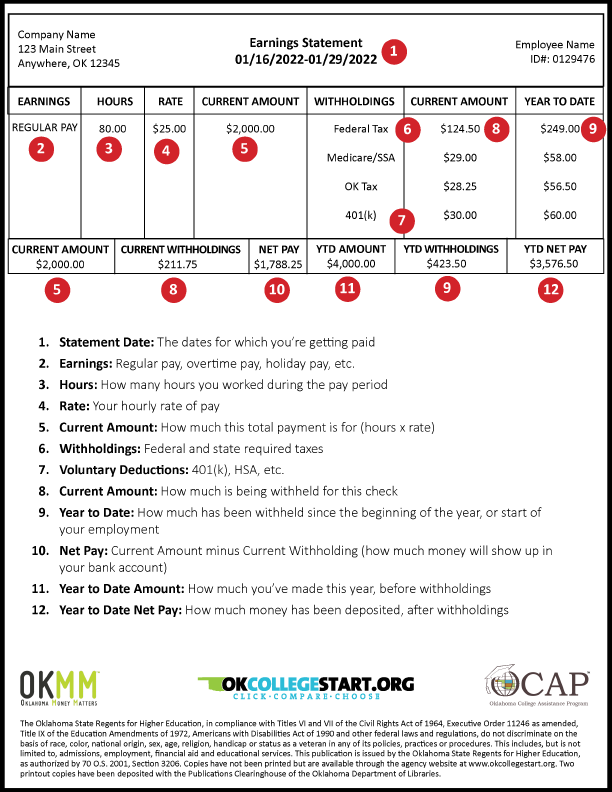
Gross income is the total amount of money you earn before any deductions are taken out. For most individuals, this is the figure stated on their employment contract or the total amount earned from self-employment activities before expenses.
Employment Income
If you are a salaried employee, your gross monthly income is typically your annual salary divided by 12. For hourly workers, it’s the hourly rate multiplied by the total number of hours worked in the month. It’s important to note that commissions, bonuses, and overtime pay also contribute to your gross income. If these are variable, your gross monthly income can fluctuate significantly.
Self-Employment and Business Income
For freelancers, independent contractors, or small business owners, calculating gross income is more complex. Gross income in this context refers to the total revenue generated from services rendered or products sold. However, unlike employees, self-employed individuals also have business expenses to consider. While these expenses are deducted to arrive at taxable income, they are distinct from the personal deductions that reduce gross pay to net pay for employees. For a business owner, understanding business net income (profit) is a separate but related concept. For personal net income, a self-employed individual would first determine their business profit and then consider their owner’s draw or salary as their gross personal income for the purpose of calculating their personal net income.
Deductions: The Subtractions That Matter
The difference between gross and net income lies in the deductions. These can be mandatory or voluntary, and their impact on your net income can be substantial. Understanding each type of deduction is crucial for accurately assessing your financial standing.
Mandatory Deductions
These are deductions that are legally required or are a standard part of employment benefits.
- Federal, State, and Local Income Taxes: These are usually the largest deductions. Tax rates vary based on your income bracket, filing status, and where you live. Your employer withholds an estimated amount based on the W-4 form you provide.
- Social Security and Medicare Taxes (FICA): In the United States, these are federal taxes that fund retirement, disability, and hospital insurance programs. Both employees and employers contribute a percentage of earnings up to certain limits.
- State and Local Taxes: Beyond income tax, some states and localities have other mandatory payroll taxes.
- Health Insurance Premiums: If you receive health insurance through your employer, your portion of the premium is typically deducted pre-tax from your paycheck.
- Retirement Plan Contributions: Contributions to employer-sponsored retirement plans like 401(k)s or 403(b)s are usually deducted pre-tax. While these reduce your current net income, they are a vital form of saving for the future.
- Other Benefits: Deductions for life insurance, disability insurance, or other employer-provided benefits are also common.
Voluntary Deductions
While less common for the direct calculation of net pay from an employer, these can impact your take-home pay if chosen.
- Union Dues: If you are part of a union, dues are often deducted from your pay.
- Garnishment: In cases of unpaid debts or legal obligations, a portion of your wages can be legally garnished.
The Formula for Net Income
The fundamental formula for calculating your monthly net income is:
Monthly Net Income = Monthly Gross Income – Total Monthly Deductions
Where:
- Monthly Gross Income is your total earnings before any deductions.
- Total Monthly Deductions includes all mandatory and applicable voluntary deductions.
It’s important to differentiate between pre-tax and post-tax deductions. Pre-tax deductions (like 401(k) contributions and health insurance premiums) reduce your taxable income, meaning you pay less in income taxes. Post-tax deductions are taken after taxes have been calculated and paid. Most common deductions like income taxes, Social Security, and Medicare are calculated on your gross pay, but the actual withholding is based on your taxable income after pre-tax deductions.
Why Monthly Net Income is Your Financial Compass
While gross income might be the number your employer advertises, your monthly net income is the actual figure that empowers your financial decision-making. It’s the tangible amount of money you can allocate to your immediate needs and future goals.
Budgeting and Expense Management
The most immediate and practical use of your net income is for budgeting. Knowing precisely how much you have available to spend each month allows you to create realistic spending plans for essentials like rent or mortgage, utilities, groceries, transportation, and discretionary items like entertainment. Without a clear understanding of your net income, budgeting becomes guesswork, often leading to overspending and financial stress.
Debt Management and Repayment
When considering how much you can allocate towards paying down debts, your net income is the critical figure. Whether it’s credit card debt, student loans, or a car payment, you need to know your disposable income after essential expenses to determine a sustainable repayment strategy. Prioritizing debt repayment from your net income can significantly improve your financial health and reduce the burden of interest.
Saving and Investing for the Future
Your net income is the source from which you build your savings and investment portfolio. Whether you’re saving for a down payment on a house, building an emergency fund, or investing for retirement, the amount you can consistently set aside is directly tied to your net income. A higher net income, or a more efficient allocation of it, allows for greater financial security and wealth accumulation over time.
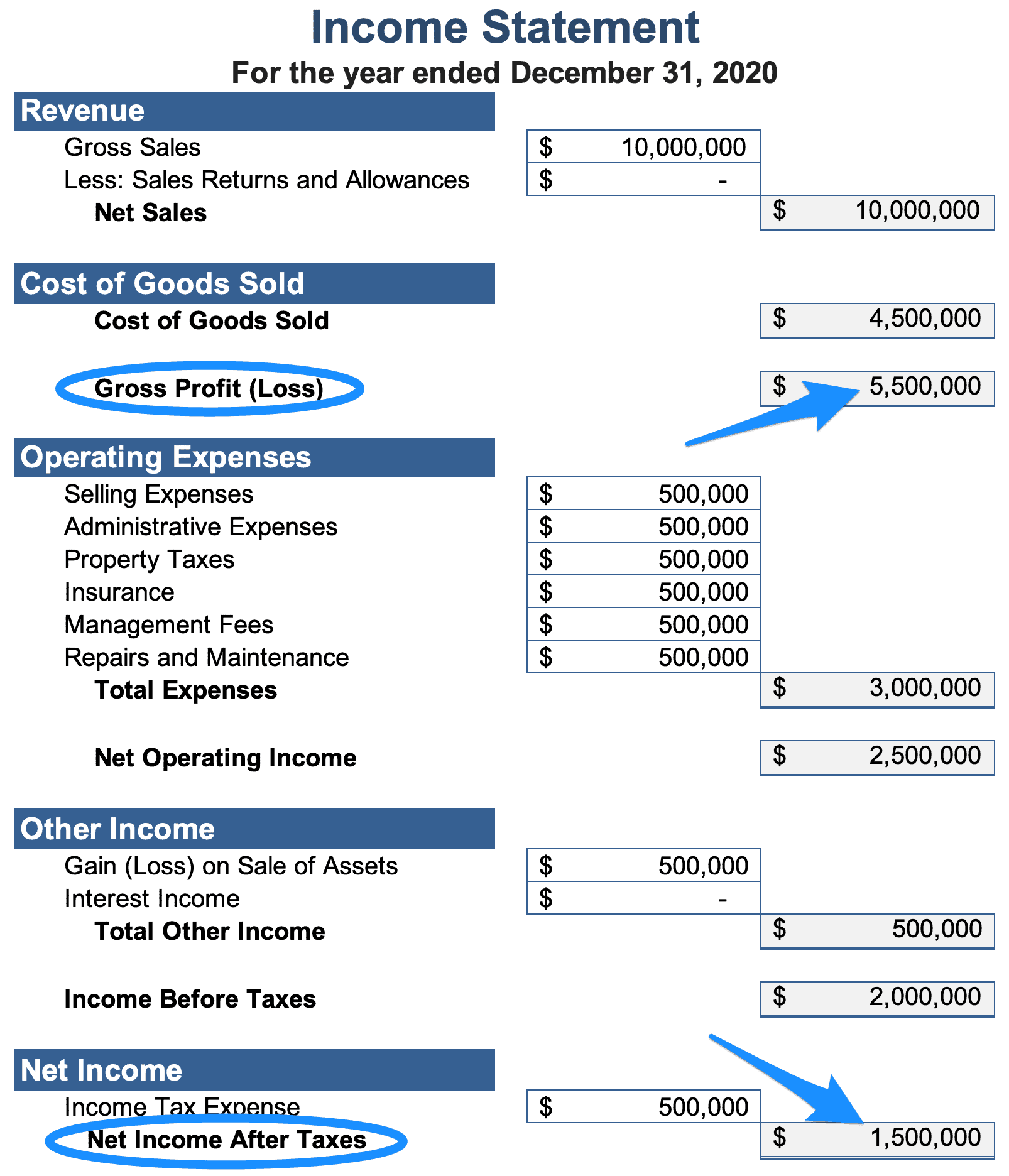
Financial Goal Setting
Setting realistic financial goals, such as buying a new car, taking a vacation, or retiring early, requires a clear understanding of your net income. These goals need to be quantified and then planned for based on how much you can realistically save or invest from your net income each month. Your net income acts as the engine that drives your progress towards these aspirations.
Assessing Financial Health and Making Adjustments
Regularly reviewing your monthly net income can reveal trends and help you assess your overall financial health. If your net income has decreased, it might signal a need to explore opportunities for salary increases or side hustles. Conversely, if it has increased, you have more flexibility to accelerate your financial goals. It’s also a key metric when considering significant life changes, such as a career move, starting a business, or taking on a mortgage.
Factors Influencing Your Monthly Net Income
Several factors, both within and outside your control, can significantly impact your monthly net income. Understanding these influences can help you strategize for improvement and navigate financial challenges.
Income Fluctuations and Variability
As touched upon earlier, not all income streams are constant.
Variable Pay Components
Bonuses, commissions, overtime, and freelance payments can vary from month to month, leading to fluctuations in gross income and, consequently, net income. This variability requires careful financial planning and often necessitates maintaining a larger emergency fund.
Economic Conditions
Broader economic factors, such as inflation, recessions, or industry-specific downturns, can affect employment opportunities, wage growth, and the overall stability of income streams. This highlights the importance of diversification in income sources where possible.
Changes in Tax Laws and Rates
Tax policies are subject to change. Adjustments in federal, state, or local income tax rates, changes in deductions, or new tax credits can directly alter the amount of tax withheld from your paycheck, thereby affecting your net income. Staying informed about tax law updates is crucial for accurate financial forecasting.
Employee Benefit Choices
The decisions you make regarding employee benefits can have a significant impact.
Retirement Plan Contributions
Increasing or decreasing your contributions to a 401(k) or similar plan directly affects your net income. While higher contributions reduce take-home pay, they build future wealth. Conversely, reducing contributions increases immediate net income but may hinder long-term financial security.
Health Insurance and Other Premiums
The cost of health insurance premiums, as well as the selection of different plans with varying coverage and costs, can alter your mandatory deductions. Similarly, opting for or discontinuing other benefits like life or disability insurance will influence your net income.
Personal Financial Decisions
Beyond employer-related factors, your own choices play a vital role.
Taking on New Debt
Acquiring new loans or increasing credit card balances can indirectly affect your financial capacity to maintain or increase net income if existing funds are diverted to debt servicing. While this doesn’t directly reduce net pay, it reduces the disposable portion of it.
Pursuing Additional Education or Training
Investing in your skills and knowledge through further education or certifications can lead to higher earning potential in the long run. However, the upfront costs and potential reduction in working hours during study could temporarily impact your net income.
Strategies to Optimize Your Monthly Net Income
While some factors influencing net income are beyond your immediate control, there are proactive strategies you can employ to maximize and optimize this crucial financial metric.
Increasing Your Gross Income
The most direct way to boost your net income is by increasing the amount of money you earn before deductions.
Negotiating Salary and Raises
Regularly assess your market value and be prepared to negotiate your salary during job offers or performance reviews. Demonstrating your value and contributions to your employer can justify a higher income.
Skill Development and Career Advancement
Investing in acquiring new skills, certifications, or pursuing further education can make you a more valuable employee, opening doors to higher-paying positions and promotions.
Seeking Side Hustles and Freelance Opportunities
Generating income from sources outside your primary job can significantly augment your gross income. This could involve freelancing, consulting, selling products online, or leveraging existing skills in a part-time capacity. Diversifying income streams can also provide a buffer against job loss.
Reducing Your Deductions
While some deductions are unavoidable, others can be managed or reduced.
Optimizing Tax Withholdings
Periodically review your W-4 (or equivalent) tax form to ensure your withholdings are accurate. Over-withholding means you’re giving the government an interest-free loan, while under-withholding can lead to penalties. Using tax preparation software or consulting a tax professional can help you fine-tune this.
Maximize Pre-Tax Savings
Leverage pre-tax retirement contributions (like 401(k)s, IRAs) and other pre-tax benefits (like Health Savings Accounts – HSAs) to reduce your taxable income. While this lowers your immediate net income, the tax savings and future financial growth make it a worthwhile strategy.
Evaluating Benefit Plans
Review your employer-sponsored benefit plans annually. Ensure you are selecting the most cost-effective options that meet your needs. Sometimes, less expensive plans with slightly different coverage might be a better fit, increasing your net income.
Improving Financial Management and Allocation
Once you have a clear picture of your net income, how you manage it is paramount.
Robust Budgeting Practices
Create and adhere to a detailed budget that tracks every dollar. Categorize expenses and identify areas where you can cut back to free up more money for savings, investments, or debt repayment.
Prioritizing Debt Repayment
Develop a strategy for aggressively paying down high-interest debt. This frees up more of your net income over time, as less money is spent on interest payments. Methods like the debt snowball or debt avalanche can be effective.

Automating Savings and Investments
Set up automatic transfers from your checking account to your savings and investment accounts on payday. This “pay yourself first” approach ensures that a portion of your net income is consistently allocated to your financial goals before you have a chance to spend it.
By understanding what monthly net income is, why it’s so important, and how to influence it, you gain a powerful tool for achieving financial stability and building wealth. It’s not just a number; it’s the engine of your financial future.
aViewFromTheCave is a participant in the Amazon Services LLC Associates Program, an affiliate advertising program designed to provide a means for sites to earn advertising fees by advertising and linking to Amazon.com. Amazon, the Amazon logo, AmazonSupply, and the AmazonSupply logo are trademarks of Amazon.com, Inc. or its affiliates. As an Amazon Associate we earn affiliate commissions from qualifying purchases.