
On the surface, a monocle is a singular corrective lens, typically worn in one eye. Yet, to view it merely as an optical aid would be to overlook its profound significance within the realms of personal and corporate identity, design, and marketing. Far more than a simple gadget, the monocle has evolved into a potent symbol, imbued with a rich tapestry of associations that brands and individuals leverage to articulate specific messages, evoke particular sentiments, and carve out a distinct presence in a crowded landscape. It is, in essence, a masterclass in how an object can transcend its utility to become a powerful branding device.

The Monocle’s Enduring Symbolism
The true essence of a monocle lies not in its function, but in the narrative it tells and the character it imparts. Historically emerging in the late 18th century and gaining significant traction through the 19th and early 20th centuries, the monocle quickly became a sartorial indicator of class, intellect, and discernment.
Historical Context and Associations
Initially popularized among the European aristocracy, intellectuals, and military officers, particularly in Germany and Britain, the monocle became synonymous with a specific social stratum. Its wearing suggested an air of sophistication, an attention to detail, and often, an underlying eccentricity or a rebellious streak against the more common eyeglasses. It whispered of old-world charm, bespoke tailoring, and a cultivated sensibility. This historical association imprinted the monocle with a durable image of privilege, education, and sometimes, a hint of aloofness or focused intensity.
Conveying Character and Values
For individuals, donning a monocle was a deliberate act of personal branding, a non-verbal cue that communicated aspects of their persona. It could signal a dapper gentleman, a discerning critic, an astute observer, or an individual unafraid to stand out. The monocle’s ability to focus vision, both literally and metaphorically, lent it an aura of precision and clarity of thought, making it a compelling emblem for those wishing to project intellectual rigor or an unwavering gaze.
A Design Icon: Craftsmanship and Aesthetics
Beyond its symbolic weight, the monocle is a testament to minimalist design and refined aesthetics. Its simple yet striking form has allowed it to persist as a memorable design motif.
Simplicity and Elegance in Form
The monocle’s design is deceptively simple: a single circular lens, often framed in precious metals like gold or silver, or in natural materials such such as horn or tortoiseshell, and sometimes tethered by a delicate chain. This simplicity is precisely what lends it its elegance. There are no superfluous elements; every component serves a purpose, contributing to a coherent and aesthetically pleasing whole. This clean design language makes it highly adaptable for various branding applications, from logos to character design.
The Visual Language of the Monocle
The act of wearing a monocle itself creates a distinctive visual language. The slight tilt of the head, the narrowing of one eye, the focused intensity conveyed by the single lens—these are powerful non-verbal cues. This visual impact distinguishes it sharply from more ubiquitous eyeglasses, making it an instantly recognizable and memorable element. Brands that incorporate the monocle can tap into this ready-made visual vocabulary, leveraging its distinctiveness to command attention and convey an immediate sense of character or quality. The choice of materials further reinforces its appeal, aligning it with luxury, craftsmanship, and a discerning taste that values quality and tradition.
Monocles in Personal Branding and Identity
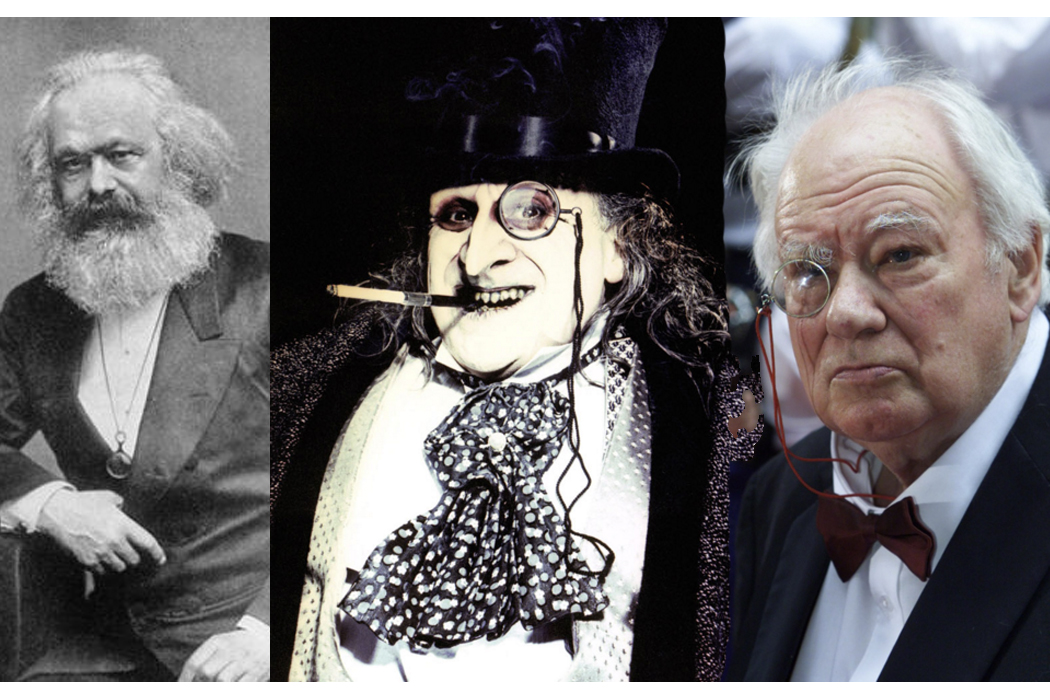
The monocle’s inherent ability to project a specific image makes it a potent tool for personal branding, both historically and in contemporary contexts. Individuals have long understood its power to shape perception.
Cultivating a Unique Persona
Throughout history, public figures and fictional characters have adopted the monocle as a cornerstone of their personal brand. It served to distinguish them, reinforcing an image of erudition, aristocratic background, or a refined sense of style. Think of the quintessential German officer or the urbane British gentleman; the monocle solidified these archetypes, adding layers of depth and immediate recognition. For those seeking to project an “old money” aesthetic, a classical education, or a particular brand of sophisticated wit, the monocle acts as a powerful visual shorthand.
Modern Applications and Niche Appeal
In the digital age, where personal brands are meticulously crafted across social media and professional platforms, the monocle continues to find its niche. For individuals cultivating a unique online presence—be it in fashion, art, or intellectual discourse—the monocle can be a deliberate accessory or an element in their digital persona (e.g., an avatar). It serves as a statement piece, signaling a departure from the norm and an embrace of individuality. It allows for a playful nod to tradition while maintaining a contemporary edge, appealing to audiences who appreciate a blend of classic elegance and unique self-expression. The careful selection of such an accessory speaks volumes about one’s attention to detail and desire to create a memorable, distinctive identity.
Corporate Identity and the Monocle Motif
Beyond individual expression, the symbolic power of the monocle is frequently harnessed by corporate entities to build a robust brand identity, convey specific values, and resonate with target audiences.
Leveraging Symbolism in Logos and Mascots
Brands aiming to evoke a sense of heritage, bespoke quality, precision, or intellectual gravitas often integrate the monocle motif into their logos or brand mascots. For instance, a luxury watchmaker might incorporate a monocle into an emblematic figure to suggest meticulous craftsmanship and an appreciation for timeless elegance. A high-end consulting firm might use an abstract representation of a monocle to signify clarity of insight, strategic vision, and intellectual acumen. The motif instantly communicates a refined sensibility, appealing to a demographic that values tradition, expertise, and understated luxury. It can be a powerful differentiator in sectors where trust, discernment, and quality are paramount.
Industries and Messaging
The monocle’s symbolism finds particular resonance in certain industries. High-end optical companies might naturally use it to underscore their connection to visual precision and historical excellence. Luxury goods brands, from tailored apparel to premium spirits, can employ monocle imagery in their marketing to evoke exclusivity, a discerning palate, and a rich legacy. Publishing houses or academic institutions might use it to convey intellectual authority and a commitment to rigorous thought. The core message is often one of focused attention, expertise, and a dedication to quality that stands the test of time, effectively positioning the brand as a leader in its niche.
Reimagining the Monocle in Modern Branding
While steeped in history, the monocle is not confined to the past. Forward-thinking brands are finding innovative ways to reinterpret its symbolism, blending heritage with contemporary appeal.
Modern Interpretations and Adaptations
The literal image of a monocle can be modernized through minimalist design principles, transforming it from a historical accessory into a sleek, abstract graphic element. A circular shape with a single line or dot could subtly hint at a monocle, conveying its essence without being overtly anachronistic. Brands can also use the idea of a monocle—focus, clarity, precision—rather than its direct depiction. This allows for versatility, enabling the motif to be integrated into diverse brand aesthetics, from retro-chic to ultra-modern, proving that its core symbolic value remains evergreen.

Blending Tradition with Innovation
Some brands successfully leverage the monocle motif to bridge the gap between tradition and innovation. A technology company developing advanced visual interfaces, for example, might playfully incorporate monocle imagery to signal a cutting-edge approach built on foundational principles of optical science, yet with a modern, forward-looking vision. This strategic use allows brands to tap into the established gravitas and discernment associated with the monocle while simultaneously projecting an image of ingenuity and contemporary relevance. It’s about using a classic symbol to tell a modern brand story, creating depth and a unique narrative that resonates with a sophisticated audience seeking both heritage and progress.
aViewFromTheCave is a participant in the Amazon Services LLC Associates Program, an affiliate advertising program designed to provide a means for sites to earn advertising fees by advertising and linking to Amazon.com. Amazon, the Amazon logo, AmazonSupply, and the AmazonSupply logo are trademarks of Amazon.com, Inc. or its affiliates. As an Amazon Associate we earn affiliate commissions from qualifying purchases.