
The allure of understanding another’s thoughts, of peering into the inner workings of the human mind, has captivated humanity for centuries. While the mystical notion of a “mind reader” – a person with supernatural abilities – persists in popular culture, the scientific and technological pursuit of deciphering thoughts is a rapidly evolving field within the realm of Tech. This exploration delves into the terminology, the underlying technologies, and the groundbreaking advancements that are bringing us closer to the science fiction dream of mind reading, all within the domain of technological innovation. We will examine the current capabilities, the ethical considerations, and the future trajectory of what can be accurately described as “mind reading” technologies.

The Evolving Lexicon of “Mind Reading” Technologies
The term “mind reader” itself is often a misnomer when applied to technological advancements. Rather than a singular individual with a psychic gift, we are witnessing the development of sophisticated systems that interpret neural activity. These systems often fall under broader scientific and technological umbrellas, with specific terminologies emerging to describe their functions and applications.
From Electroencephalography (EEG) to Functional Magnetic Resonance Imaging (fMRI): The Neural Interface Landscape
At the core of technological “mind reading” lies the ability to detect and interpret the electrical and chemical signals produced by the brain. Different technologies offer varying levels of resolution, invasiveness, and applicability.
Electroencephalography (EEG): Non-Invasive Brainwave Detection
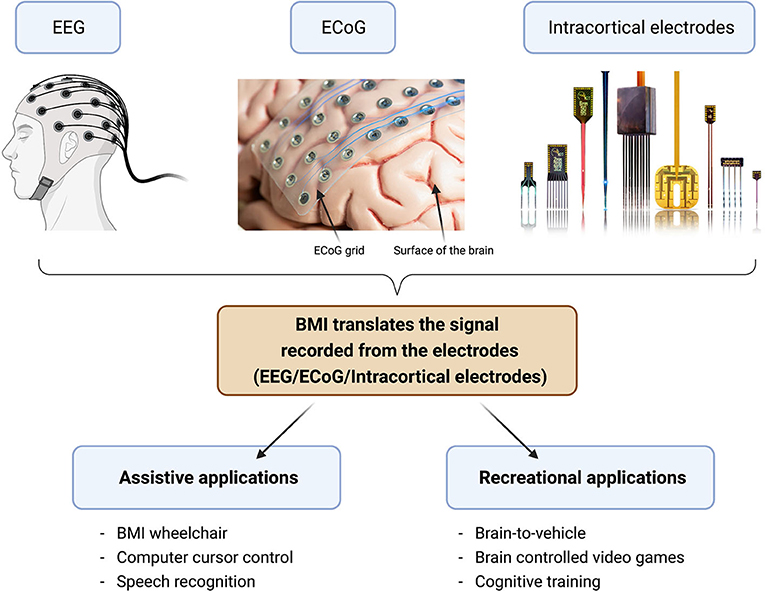
EEG has been a cornerstone of neuroscience for decades. It involves placing electrodes on the scalp to measure the electrical activity of the brain, known as brainwaves. While EEG is relatively inexpensive and portable, its spatial resolution is limited, meaning it struggles to pinpoint the exact location of neural activity. However, it excels at detecting broad patterns and changes in brain states, such as alertness, sleep stages, and responses to stimuli. In the context of “mind reading,” EEG has been instrumental in developing Brain-Computer Interfaces (BCIs) that allow individuals to control devices with their thoughts. For example, people with severe paralysis can use EEG-based BCIs to type messages, control prosthetic limbs, or navigate wheelchairs. The “mind reading” aspect here is the interpretation of specific brainwave patterns associated with intended actions.
Magnetoencephalography (MEG): A Deeper Look at Magnetic Fields
MEG is another non-invasive technique that measures the magnetic fields produced by electrical activity in the brain. MEG offers better spatial resolution than EEG and can detect activity deeper within the brain. This increased precision makes it valuable for understanding the complex neural pathways involved in cognition and perception. While not as widely accessible as EEG due to its cost and size, MEG contributes to the growing understanding of how neural signals translate into observable brain activity, a crucial step in any form of “mind reading.”
Functional Magnetic Resonance Imaging (fMRI): Mapping Brain Activity with Blood Flow
fMRI is a widely used neuroimaging technique that detects brain activity by measuring changes in blood flow. When a part of the brain is active, it requires more oxygen, leading to increased blood flow. fMRI can create detailed maps of brain activity, showing which areas are engaged during specific tasks or cognitive processes. This technique has been pivotal in identifying neural correlates of various mental states, emotions, and even abstract thoughts. Researchers use fMRI to study patterns of activation associated with visual imagery, auditory perception, and even rudimentary forms of conceptual thought. While fMRI is a powerful tool, it is not real-time and is conducted within large, expensive machines, limiting its application in everyday “mind reading” scenarios.
Electrocorticography (ECoG): Direct Neural Recording for Higher Precision
ECoG involves placing electrodes directly on the surface of the brain, typically during surgery for epilepsy. This invasive technique provides much higher spatial and temporal resolution compared to scalp-based methods like EEG. ECoG allows researchers to record the activity of individual neurons and small neural populations, offering a more granular understanding of brain function. For “mind reading” applications, ECoG has shown remarkable success in decoding complex intentions, such as the desire to move specific limbs or even to speak particular words. This has significant implications for restoring communication and motor control in individuals with severe neurological impairments.
Decoding Neural Signals: The Algorithmic Backbone of “Mind Reading”
The raw data collected from brain imaging techniques is just the starting point. The true magic of technological “mind reading” lies in the sophisticated algorithms and machine learning models that are trained to decode these neural signals.
Machine Learning and Artificial Intelligence (AI): Unlocking Neural Patterns
Machine learning, particularly deep learning, has revolutionized the field of neuroscience and BCI development. These algorithms can learn to identify subtle patterns within vast datasets of neural activity that are associated with specific thoughts, intentions, or perceptions. For example, a machine learning model can be trained to recognize the distinct neural signatures associated with imagining moving one’s left hand versus one’s right hand. As these models become more complex and are trained on larger and more diverse datasets, their accuracy in decoding neural information improves significantly. The “mind reader” in this context is not a person, but an intelligent system capable of discerning meaning from neural output.
Pattern Recognition and Classification: From Raw Data to Meaningful Interpretation
The process of decoding neural signals involves pattern recognition and classification. Algorithms are trained to identify specific patterns that consistently appear when an individual is experiencing a particular thought or intention. For instance, researchers might present a person with different images and record their brain activity using fMRI. A machine learning model can then be trained to classify the recorded brain activity, predicting which image the person is currently seeing or imagining. This ability to classify and predict mental states is the essence of what we colloquially refer to as “mind reading” in a technological context.
Beyond Basic Intent: The Frontiers of Thought Deciphering
While early advancements in “mind reading” technologies focused on decoding simple motor intentions, the field is rapidly expanding to encompass more complex cognitive processes. The goal is to move beyond just understanding what someone wants to do, to understanding what they are thinking about or experiencing internally.
Decoding Visual Imagery and Auditory Perception
One of the most exciting frontiers is the decoding of visual imagery. Researchers have made significant progress in reconstructing images that a person is seeing or imagining based on their fMRI data. While these reconstructions are not photo-realistic, they can capture the essence of the imagined object or scene. Similarly, advancements are being made in decoding auditory perception, allowing researchers to reconstruct the sounds a person is hearing or imagining. This has profound implications for understanding consciousness and for developing assistive technologies.
Interpreting Abstract Thoughts and Concepts
The holy grail of “mind reading” technology is the ability to decode abstract thoughts and concepts. While this remains a significant challenge, research is exploring how patterns of neural activity might represent abstract ideas, emotions, and even language. Techniques like Natural Language Processing (NLP) are being integrated with neuroimaging data to explore the possibility of translating neural activity directly into text or speech. This is still in its nascent stages, but the potential for communication and understanding is immense.
Understanding Emotional States and Subjective Experiences
Beyond cognitive processes, researchers are also investigating the neural basis of emotions and subjective experiences. By analyzing brain activity, it may become possible to infer a person’s emotional state, such as happiness, sadness, or fear. This could lead to advancements in mental health diagnostics and therapeutic interventions, as well as more empathetic human-computer interaction.
The Ethical Landscape of Technological “Mind Reading”
As the capabilities of “mind reading” technologies advance, so too do the ethical considerations surrounding their development and deployment. The ability to access or infer another person’s thoughts raises profound questions about privacy, consent, and the very nature of individual autonomy.
Privacy and Data Security: The Sanctity of the Inner World
The most immediate ethical concern is the potential for invasion of privacy. If our thoughts can be decoded, what safeguards will exist to protect this most intimate aspect of our being? Ensuring robust data security and strict protocols for accessing and using neural data will be paramount. The concept of “neuronal privacy” is emerging as a critical area of discussion.
Consent and Autonomy: Ensuring Voluntary Participation
The principle of informed consent becomes even more critical when dealing with technologies that can potentially access private thoughts. Individuals must have complete control over whether their neural data is collected and analyzed. The potential for coercive use of these technologies, where individuals might be compelled to undergo “mind reading” assessments, must be vigilantly addressed.
Bias and Interpretation: The Subjectivity of Decoding
It is crucial to acknowledge that the interpretation of neural data is not an exact science. Algorithms are trained on data, and biases within that data can lead to inaccurate or discriminatory interpretations. Ensuring fairness, transparency, and ongoing evaluation of decoding algorithms will be essential to prevent harmful outcomes.
Societal Impact and the Future of Human Interaction
The widespread adoption of “mind reading” technologies could fundamentally alter human interaction. Understanding how these technologies will shape our relationships, our legal systems, and our societal norms is a vital ongoing discussion. The potential benefits for individuals with disabilities are undeniable, but the broader societal implications require careful consideration and public discourse.
In conclusion, while the romanticized notion of a psychic “mind reader” remains in the realm of fantasy, the technological advancements in neuroscience and artificial intelligence are steadily bringing us closer to deciphering the complexities of the human mind. The development of sophisticated imaging techniques, coupled with powerful decoding algorithms, is paving the way for applications that were once confined to science fiction. As we continue to explore the frontiers of neural decoding, it is imperative that we do so with a strong ethical compass, ensuring that these powerful tools are developed and utilized responsibly, for the betterment of humanity. The “mind reader” of the future will not be an individual, but a sophisticated technological system, a testament to our relentless pursuit of understanding the ultimate frontier: the human mind.
aViewFromTheCave is a participant in the Amazon Services LLC Associates Program, an affiliate advertising program designed to provide a means for sites to earn advertising fees by advertising and linking to Amazon.com. Amazon, the Amazon logo, AmazonSupply, and the AmazonSupply logo are trademarks of Amazon.com, Inc. or its affiliates. As an Amazon Associate we earn affiliate commissions from qualifying purchases.