
The term “millennial” has become a ubiquitous descriptor in modern discourse, often used interchangeably with “young adult” or “digital native.” However, in the realms of professional branding, marketing strategy, and corporate identity, the millennial cohort represents much more than a catch-all label for a specific age group. For brands looking to capture market share and build lasting resonance, understanding the technical definition and the psychographic drivers of this generation is a fundamental business necessity.
Defining the Millennial Cohort: The Demographic Baseline
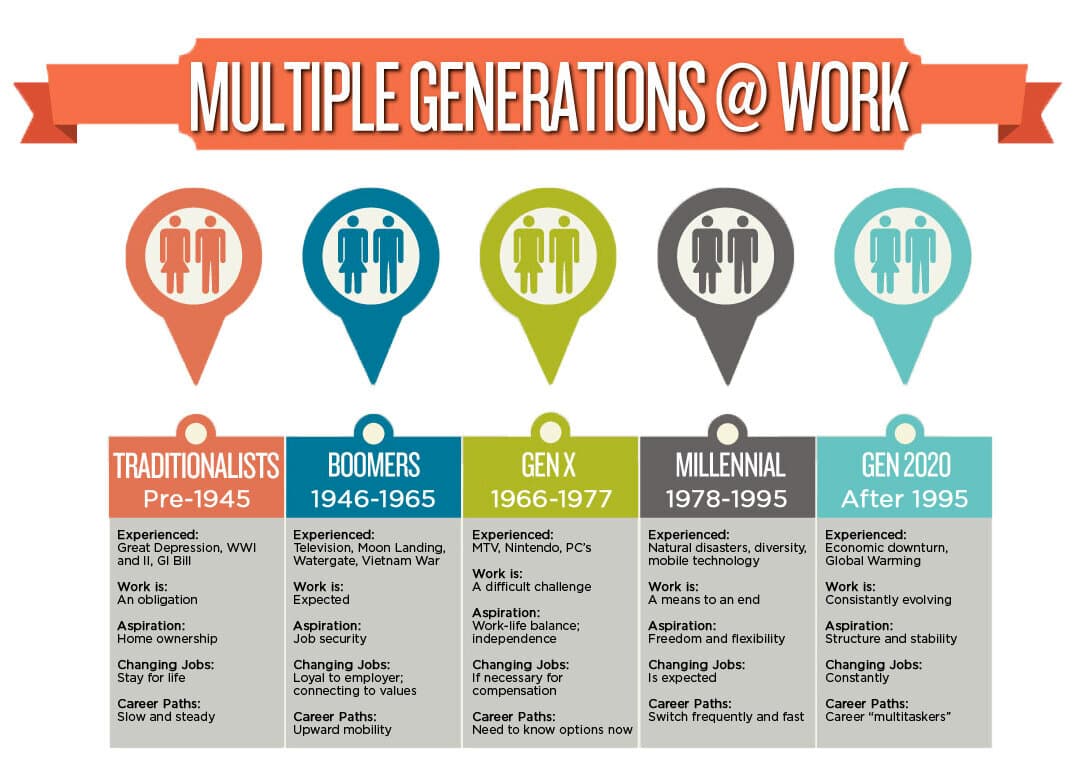
While sociological boundaries can be fluid, the generally accepted definition established by the Pew Research Center identifies millennials—also known as Generation Y—as those born between 1981 and 1996. As of the current decade, this places the demographic well into their prime working and spending years, ranging from their late twenties to their early forties.
The Generational Shift
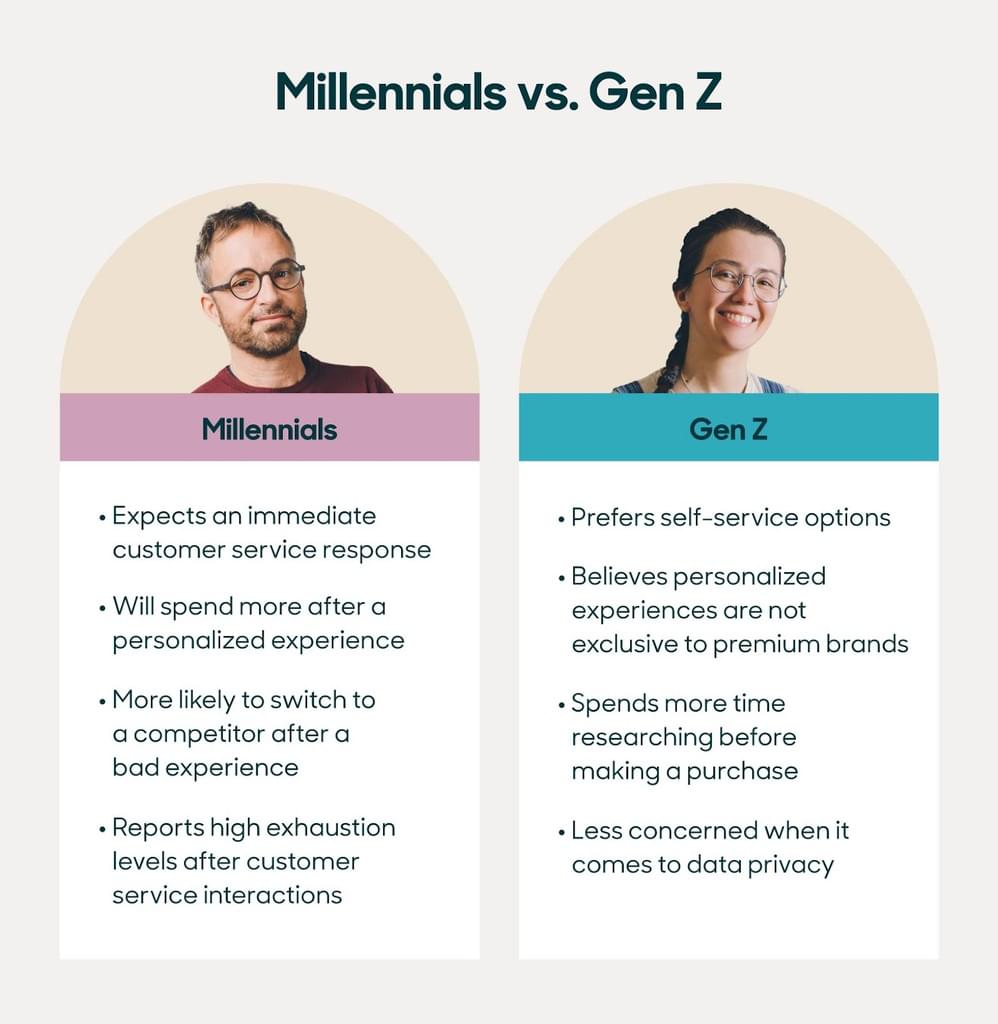
Understanding millennials requires a clear distinction between them and their predecessors, Generation X, and their successors, Generation Z. Unlike Gen X, who experienced a largely analog childhood, millennials are the bridge generation. They matured alongside the dawn of the internet, making them the first truly digitally fluent demographic. This transition from an analog upbringing to a high-tech adulthood has defined their behavioral patterns, consumer expectations, and loyalty structures.
Size and Market Dominance
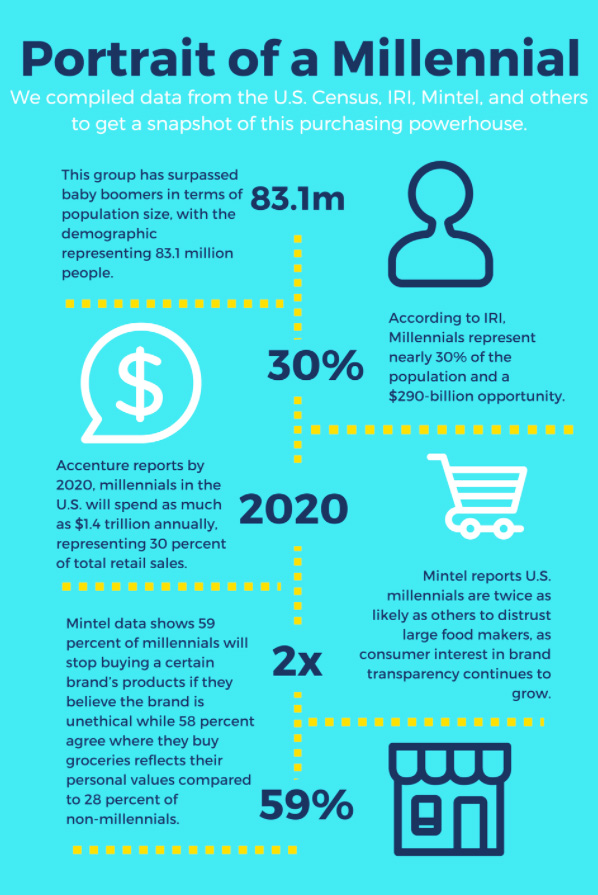
Millennials currently represent the largest segment of the workforce and the most significant driver of consumer spending in developed economies. From a brand strategy perspective, this makes them the primary target for a vast array of goods and services. They are no longer the “emerging” market; they are the incumbent economic force, and brands that fail to align their identity with millennial values risk immediate obsolescence.
Brand Identity and the Millennial Value System
Marketing to millennials is fundamentally different from traditional advertising models. This generation possesses an acute “bullshit detector,” honed by growing up in an era of information overload and relentless corporate messaging. Consequently, brand identity must pivot from transactional to relational.
Authenticity as a Currency
For the millennial consumer, authenticity is not a buzzword; it is a prerequisite for brand engagement. They do not respond well to polished, corporate-speak advertising that feels detached from reality. Instead, they gravitate toward brands that exhibit transparency, vulnerability, and a distinct “human” voice. Brands that acknowledge their flaws, share their behind-the-scenes processes, and maintain a consistent, honest tone across all channels are the ones that successfully cultivate brand loyalty.
The Rise of Value-Driven Consumption
Millennials are statistically more likely to support brands that align with their personal ethical and political values. Corporate Social Responsibility (CSR) has moved from a peripheral marketing tactic to a core component of brand strategy. Whether it is environmental sustainability, labor practices, or social equity, millennials demand that the brands they purchase from “stand for something.” A brand without a clearly articulated mission statement is, to a millennial, a brand without a purpose.
Digital Integration and the Customer Experience
The millennial definition is inextricably linked to the technology that facilitated their coming-of-age. For brands, this means that digital infrastructure is no longer an “option”—it is the identity itself.
Omnichannel Fluidity
Millennials move seamlessly between physical and digital spaces. A brand identity that is disjointed—where the in-store experience feels disconnected from the mobile app or social media presence—is rejected immediately. A cohesive strategy requires “omnichannel fluidity,” where the user experience (UX) is intuitive, consistent, and integrated. If a customer engages with a brand on Instagram, the transition to the website and then to a customer service chat should feel like a singular, unified journey.
Social Proof and Community Engagement
Millennials do not rely on traditional top-down marketing; they rely on lateral social proof. Reviews, user-generated content (UGC), and influencer endorsements hold significantly more weight than a traditional television commercial or billboard. Brands must view their customers as active participants in their brand story. By creating spaces—whether digital communities, forums, or high-engagement social media feeds—where millennials can share their experiences, brands turn customers into advocates. This shift in power dynamics is a defining feature of the modern digital brand strategy.
Professional Branding: How Millennials Have Reshaped the Workplace
The definition of “millennial” also extends to how individuals view their own professional branding. In a global economy, the lines between personal branding and corporate identity have blurred, largely due to the influence of this generation.
The Personal Brand as an Asset
Millennials have pioneered the idea of the “portfolio career” and the personal brand. For the modern professional, their digital footprint—their LinkedIn profile, their side projects, their thought leadership on platforms like X or Medium—is their professional identity. Brands that want to attract millennial talent must recognize that these employees are looking for professional development and alignment, not just a paycheck. They want to work for organizations that allow them to integrate their personal brand with the company’s identity.
Flexibility and Purpose-Led Work
The demand for remote work, flexible hours, and results-oriented environments is rooted in the millennial desire for agency. Companies that force a rigid, 20th-century corporate structure often find themselves struggling to retain millennial talent. The branding of a company as an “employer of choice” now rests on its ability to support the individual’s lifestyle and need for purposeful contribution. This isn’t just about office perks; it’s about shifting the cultural identity of the firm to value output over seat time.
Future-Proofing Brands for a Changing Demographic
As millennials enter their mid-to-late career stages, their influence on the market will only deepen. However, brands must be careful not to view this group as a monolith.
Avoiding Generational Stereotypes
One of the greatest mistakes a brand can make is relying on tired stereotypes about “avocado toast” or “lazy, entitled” workers. These tropes are not only inaccurate but also damaging to brand perception. Millennials are now parents, homeowners, and executives. They are dealing with student loan debt, healthcare costs, and the pressures of the “sandwich generation”—caring for aging parents while raising children. Brands that address these real-life challenges with empathy and practical solutions will outperform those that rely on superficial demographic buckets.
Evolving with the Demographic
A brand strategy must be iterative. As millennials age, their financial priorities change, their consumption habits evolve, and their expectations for service become more sophisticated. The brands that stay relevant are those that recognize this evolution and grow alongside their target audience. By utilizing data-driven insights and maintaining a commitment to authentic connection, brands can ensure that their relationship with the millennial demographic remains robust and mutually beneficial.
The definition of a millennial is, ultimately, a snapshot of a generation that redefined the relationship between consumer and creator. They shifted the power balance, demanded transparency, and forced the entire landscape of branding and business strategy to become more human, more digital, and more purpose-driven. For those operating within the realms of brand and corporate strategy, understanding this isn’t just a matter of demographic classification; it is the cornerstone of effective business survival in the modern era. By focusing on the values of authenticity, digital fluidity, and social responsibility, brands can bridge the gap between their corporate identity and the hearts and minds of the world’s most influential generation.
aViewFromTheCave is a participant in the Amazon Services LLC Associates Program, an affiliate advertising program designed to provide a means for sites to earn advertising fees by advertising and linking to Amazon.com. Amazon, the Amazon logo, AmazonSupply, and the AmazonSupply logo are trademarks of Amazon.com, Inc. or its affiliates. As an Amazon Associate we earn affiliate commissions from qualifying purchases.