
In the competitive landscape of the Quick Service Restaurant (QSR) industry, timing is more than just a logistical detail—it is a cornerstone of brand identity. For Chick-fil-A, the breakfast window represents a masterclass in disciplined brand management. While most consumers ask “What are Chick-fil-A breakfast hours?” simply to ensure they don’t miss out on a chicken biscuit, the answer—typically 6:30 AM to 10:30 AM—reveals a sophisticated corporate strategy that prioritizes quality, operational efficiency, and a legendary commitment to brand consistency.
The Strategic Foundation of the 10:30 AM Cutoff
The decision to serve breakfast from 6:30 AM to 10:30 AM is not arbitrary. From a brand strategy perspective, these hours are designed to align with the peak morning commute while allowing for a seamless transition into the lunch service, which remains the brand’s primary revenue driver. This strict adherence to a four-hour window serves several critical functions for the Chick-fil-A corporate identity.
Operational Discipline as a Brand Differentiator
Unlike competitors that have experimented with all-day breakfast—often to the detriment of their kitchen speed and product quality—Chick-fil-A maintains a rigid schedule. This discipline ensures that the “back of house” can pivot entirely to the lunch menu without the cross-contamination of cooking processes or the slowing of service times. For the brand, “fast” is only valuable if it is also “accurate” and “high quality.” By closing the breakfast window at 10:30 AM, Chick-fil-A protects its reputation for operational excellence.
Predictability and Consumer Trust
Brand equity is built on the foundation of trust. When a customer knows exactly when the breakfast menu starts and ends, it creates a reliable routine. This predictability is a psychological trigger that fosters loyalty. In an era of “flexible hours” and “menu hacks,” Chick-fil-A’s refusal to deviate from its 10:30 AM cutoff reinforces a message of stability. The consumer knows the rules of engagement, and this clarity reduces friction in the customer journey.
The Scarcity Effect in Menu Marketing
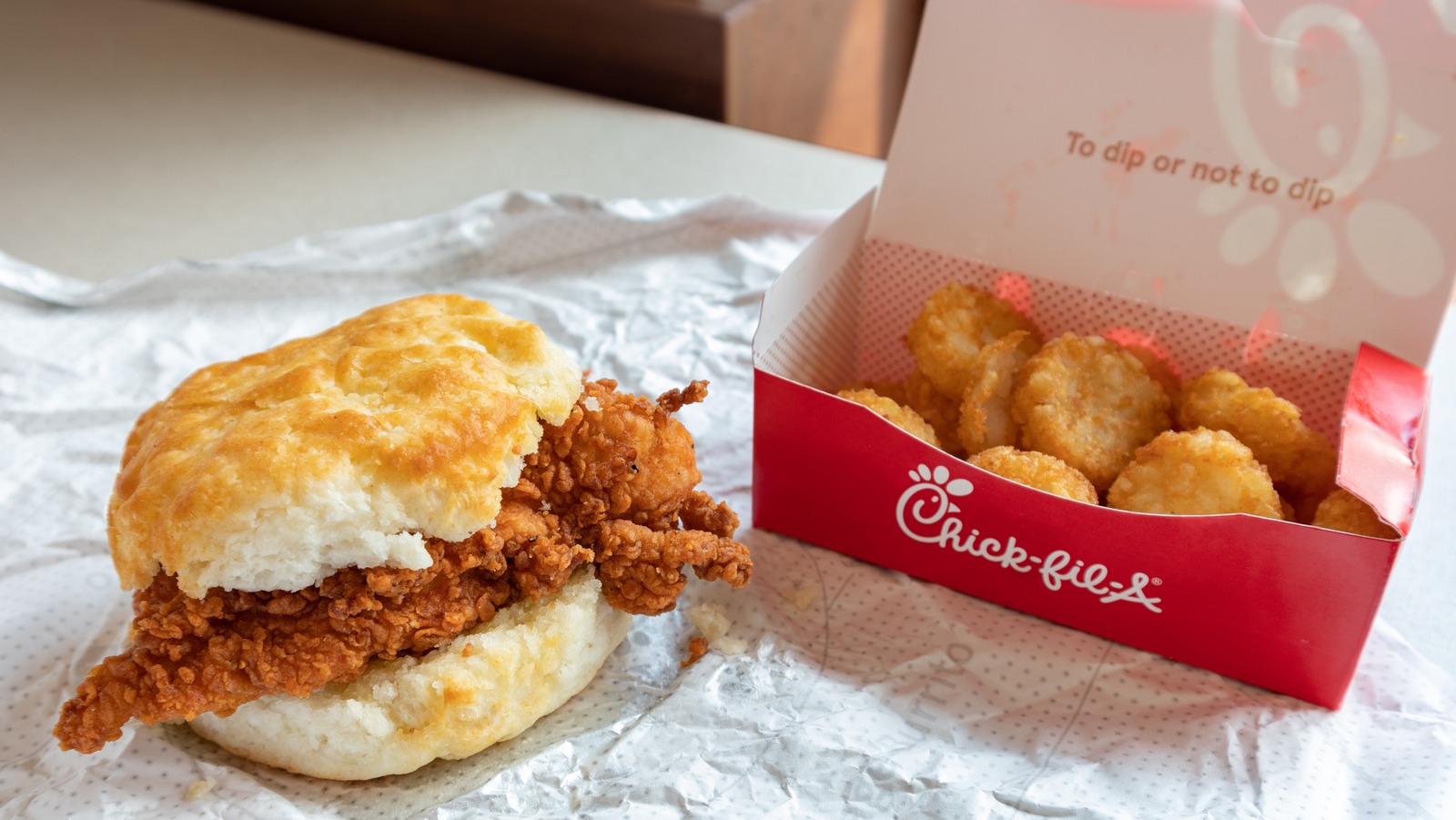
There is a powerful marketing principle at play within the limited breakfast hours: the scarcity effect. By limiting the availability of the Chick-fil-A Biscuit or the Spicy Chicken Biscuit to a specific time frame, the brand elevates these items from mere commodities to “event” foods. This limited window creates a sense of urgency that drives morning foot traffic and encourages early-morning app engagement.
Brand Equity and the Power of Limited Availability
Chick-fil-A’s approach to breakfast hours offers a compelling case study when contrasted with the broader industry. In 2015, McDonald’s famously launched “All Day Breakfast” to combat stagnating sales, only to later scale it back due to operational complexities. Chick-fil-A, conversely, has never wavered. This steadfastness has allowed the brand to maintain a premium positioning in the QSR market.
Quality Control and the Premium Promise
One of the core tenets of the Chick-fil-A brand is the “hand-breaded” promise. Preparing breakfast items like biscuits from scratch every morning requires significant labor and specialized equipment. Attempting to maintain this level of quality for 12 to 15 hours a day would inevitably lead to a decline in product integrity or an unsustainable increase in labor costs. By sticking to the 10:30 AM cutoff, the brand ensures that every biscuit served meets the high standards that customers associate with the name.
Maintaining the “Second Mile” Service Standard
Chick-fil-A is renowned for its “Second Mile Service”—a corporate philosophy based on going above and beyond for the customer. This level of hospitality is easier to maintain when the staff is not overwhelmed by the complexity of managing two different menus simultaneously. The 10:30 AM transition allows team members to reset, restock, and refocus their energy on the lunch rush, ensuring that the brand’s signature politeness and efficiency remain intact throughout the day.
Niche Authority in the Breakfast Category
By focusing its energy on a specific morning window, Chick-fil-A has carved out a niche as a “breakfast destination” rather than just a place that happens to serve eggs in the morning. This focused brand identity allows them to dominate the conversation around “best fast-food breakfast,” consistently ranking at the top of consumer satisfaction surveys despite—or perhaps because of—their limited hours.
Marketing the Morning: Digital Integration and Loyalty
The 6:30 AM to 10:30 AM window is also a vital period for Chick-fil-A’s digital marketing strategy. The Chick-fil-A One app is a central hub for managing the transition between menus and driving customer engagement during the early hours.
The Role of Mobile Ordering in Time Management
The app serves as a digital gatekeeper for breakfast hours. As 10:30 AM approaches, the app automatically transitions the menu, preventing customers from placing orders that the kitchen can no longer fulfill. This technological integration prevents the “brand friction” that occurs when a customer arrives at a drive-thru and is told they are two minutes too late. By managing expectations through the app, Chick-fil-A maintains a positive brand relationship even during the stressful menu flip.
Data-Driven Loyalty Rewards
Chick-fil-A uses its breakfast hours to gather valuable consumer data. By offering “just because” rewards—often for breakfast items—during specific morning windows, the brand can incentivize behavior and drive traffic on traditionally slower mornings (like Tuesdays or Wednesdays). This strategic use of rewards helps the brand maintain a high volume of transactions during the 6:30 AM to 10:30 AM period, maximizing the profitability of the morning shift.
Personalization and Customer Experience (CX)
The digital experience during breakfast hours is tailored to the “on-the-go” professional and the “school-run” parent. The marketing messaging during this time emphasizes speed, convenience, and a positive start to the day. This alignment between the time of day, the specific product offering, and the customer’s current mindset is a hallmark of sophisticated brand positioning.
Operational Identity: The Sunday Closure and Time-Based Branding
You cannot discuss Chick-fil-A’s hours without addressing the most famous aspect of their operational identity: being closed on Sundays. This policy, alongside the 10:30 AM breakfast cutoff, defines the brand’s “Operational Identity.”
Values-Based Brand Strategy
The Sunday closure is a values-driven decision that has become one of the most powerful branding tools in history. It signals to the consumer that the brand values its employees and its founding principles more than a 14% increase in potential weekly revenue. The 10:30 AM breakfast cutoff operates on a similar, albeit less religious, logic: it is a commitment to a specific way of doing business that prioritizes the internal system over external demand.
Creating a “Destination” Mindset
When a brand is not available 24/7, it becomes a destination. The fact that you cannot get Chick-fil-A on a Sunday, or a chicken biscuit at 11:00 AM, makes the times when you can get them feel more significant. This “destination branding” creates a cult-like following where the limitations of the brand actually increase its desirability.
Employee Retention and Brand Health
The rigid structure of Chick-fil-A’s hours—including the morning transition—contributes to a more organized and less chaotic work environment for team members. In the QSR industry, where turnover is notoriously high, Chick-fil-A’s ability to retain staff is a significant competitive advantage. A happy, well-trained staff is the primary delivery vehicle for the brand’s identity. The hours of operation are a tool for maintaining that internal health.
Future-Proofing the Morning Menu within the Brand Framework
As consumer tastes evolve, Chick-fil-A has shown an ability to innovate within its established 6:30 AM to 10:30 AM framework. This balance of tradition and trend is essential for long-term brand relevance.
Balancing Tradition with Innovation
While the Chicken Biscuit remains the flagship breakfast item, the brand has successfully introduced healthier options like the Egg White Grill and the Greek Yogurt Parfait. These additions allow the brand to appeal to a wider demographic without diluting the core “chicken-centric” identity. The breakfast hours provide a sandbox for this menu innovation, allowing the brand to test new products within a controlled environment.
The Evolution of the Drive-Thru
In response to the massive demand during the morning window, Chick-fil-A has pioneered new drive-thru designs, including multi-lane “pods” and mobile-only lanes. These innovations are designed specifically to handle the high-volume pressure of the 10:30 AM deadline. By evolving its physical infrastructure to support its time-based brand promise, Chick-fil-A ensures it can continue to scale without losing its signature efficiency.
Conclusion: More Than Just a Clock
What are Chick-fil-A breakfast hours? They are 6:30 AM to 10:30 AM, but for the brand, they represent so much more. They are a boundary that protects quality, a tool that builds consumer trust, and a strategic choice that reinforces a premium corporate identity. In a world that demands “everything, everywhere, all at once,” Chick-fil-A’s success proves that sometimes, the strongest brand move you can make is knowing exactly when to say “stop.”
aViewFromTheCave is a participant in the Amazon Services LLC Associates Program, an affiliate advertising program designed to provide a means for sites to earn advertising fees by advertising and linking to Amazon.com. Amazon, the Amazon logo, AmazonSupply, and the AmazonSupply logo are trademarks of Amazon.com, Inc. or its affiliates. As an Amazon Associate we earn affiliate commissions from qualifying purchases.