
Melanoma, a formidable and aggressive form of skin cancer, stands as a critical health concern globally. It originates in melanocytes, the cells responsible for producing melanin, the pigment that gives skin its color. While traditionally diagnosed through visual inspection and biopsy, our understanding, detection, and management of melanoma are undergoing a profound transformation, driven largely by advancements in technology. Today, technology isn’t just assisting medical professionals; it’s redefining the very landscape of dermatological care, offering unprecedented precision, accessibility, and proactive capabilities. This article delves into how technology is answering the fundamental question of “what is a melanoma” not just clinically, but through a multifaceted, innovative lens, from early detection algorithms to personalized treatment strategies and preventive digital tools.
Leveraging Digital Imaging for Enhanced Detection and Diagnosis
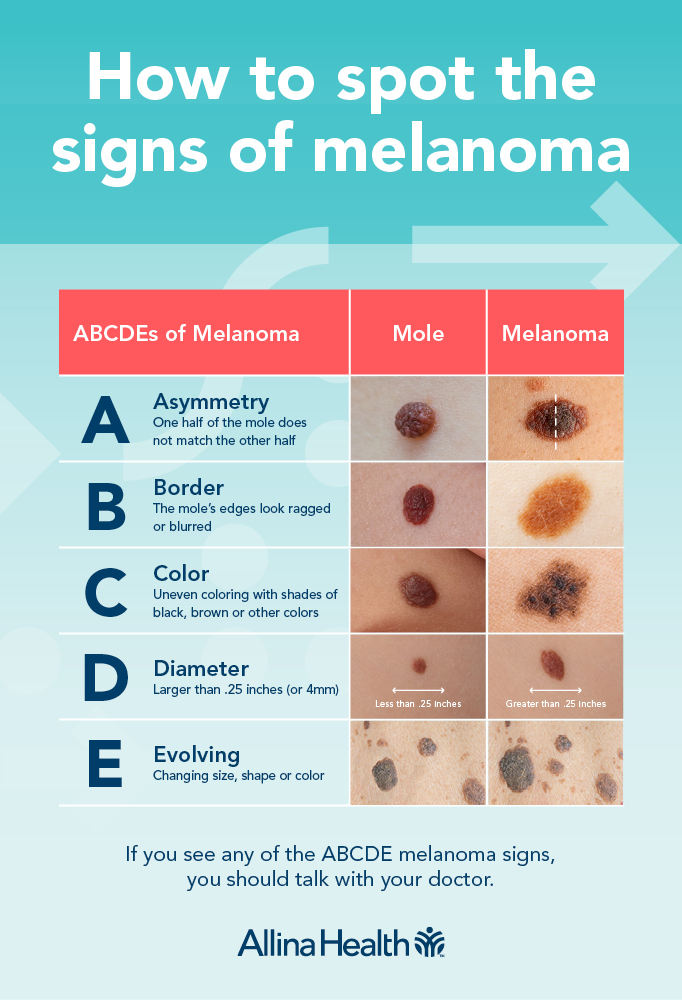
The cornerstone of modern melanoma diagnosis lies in accurate visual assessment. Technology has drastically augmented this process, moving beyond the human eye to offer microscopic precision and AI-driven analysis. These advancements are not merely incremental; they represent a paradigm shift in how suspicious lesions are identified and monitored, significantly improving early detection rates which are crucial for survival.
Dermatoscopy and AI-Powered Analysis
At the forefront of diagnostic technology is digital dermatoscopy. This technique involves using a specialized microscope (dermatoscope) to examine skin lesions with high magnification and illumination, allowing dermatologists to visualize subsurface structures not visible to the naked eye. Digital dermatoscopes capture high-resolution images that can be stored, compared over time, and shared for second opinions. The true revolution, however, comes with the integration of Artificial Intelligence (AI). AI algorithms, trained on vast datasets of dermatoscopic images of both benign moles and malignant melanomas, can analyze lesions with remarkable speed and often, comparable or even superior accuracy to human experts in specific tasks. These deep learning models can identify subtle patterns, colors, and structural anomalies indicative of melanoma, helping clinicians prioritize suspicious lesions and reduce false negatives. This augmentation provides dermatologists with an invaluable tool, enhancing their diagnostic confidence and streamlining the diagnostic workflow.
Full-Body Photodocumentation Systems
For individuals with multiple moles or a history of atypical moles, consistent monitoring is paramount. Full-body photodocumentation systems, often referred to as “mole mapping,” provide a comprehensive digital record of a patient’s entire skin surface. These sophisticated setups utilize high-resolution cameras and specialized software to capture standardized images of the body. The software then stitches these images together, creating a baseline “map” of all moles. In subsequent visits, new images are taken and automatically compared to the baseline. The system can highlight new lesions, or subtle changes in existing ones (such as growth, change in color, or asymmetry) that might be difficult for the human eye to detect over time. This systematic approach eliminates much of the subjectivity and potential for oversight inherent in manual examinations, offering an objective and powerful tool for early detection and peace of mind for high-risk patients.
Wearable Technology and Smart Devices for Prevention and Monitoring
Technology’s role extends beyond the clinic, empowering individuals to take a proactive stance in melanoma prevention and self-monitoring. Wearable devices and mobile applications are putting sophisticated tools directly into the hands of consumers, fostering greater awareness and encouraging healthier sun habits.
UV Exposure Tracking
Excessive exposure to ultraviolet (UV) radiation from the sun is a primary risk factor for melanoma. Wearable technology, such as smartwatches, dedicated UV sensors, and integrated devices, has emerged as a powerful tool for monitoring and managing this exposure. These gadgets incorporate UV sensors that measure real-time UV index levels and track an individual’s cumulative exposure throughout the day. Paired with companion apps, they provide personalized alerts, advising users when to seek shade, reapply sunscreen, or cover up. Some even offer historical data analysis, allowing users to understand their sun exposure patterns and adjust their behaviors accordingly. By making invisible radiation tangible and actionable, these technologies are instrumental in promoting responsible sun protection habits and reducing the risk of sun-induced skin damage that can lead to melanoma.
AI-Assisted Self-Checks and Teledermatology
The accessibility of smartphones has paved the way for innovative self-monitoring tools. Mobile applications now offer AI-assisted self-checks, allowing users to photograph suspicious moles and receive an initial AI-driven risk assessment. While these apps are not diagnostic tools and should never replace professional medical advice, they can serve as a first-line screening mechanism, encouraging users to consult a dermatologist if a lesion appears concerning. This reduces barriers to initial assessment and can prompt earlier professional evaluation. Complementing this, teledermatology platforms leverage digital imaging and secure communication channels to facilitate remote consultations. Patients can upload high-quality images of their skin lesions, which dermatologists can review and assess from a distance. This is particularly beneficial for individuals in rural areas, those with mobility issues, or during public health crises, ensuring timely access to expert dermatological opinion without the need for a physical visit.
Software and Data Analytics for Research and Personalized Medicine
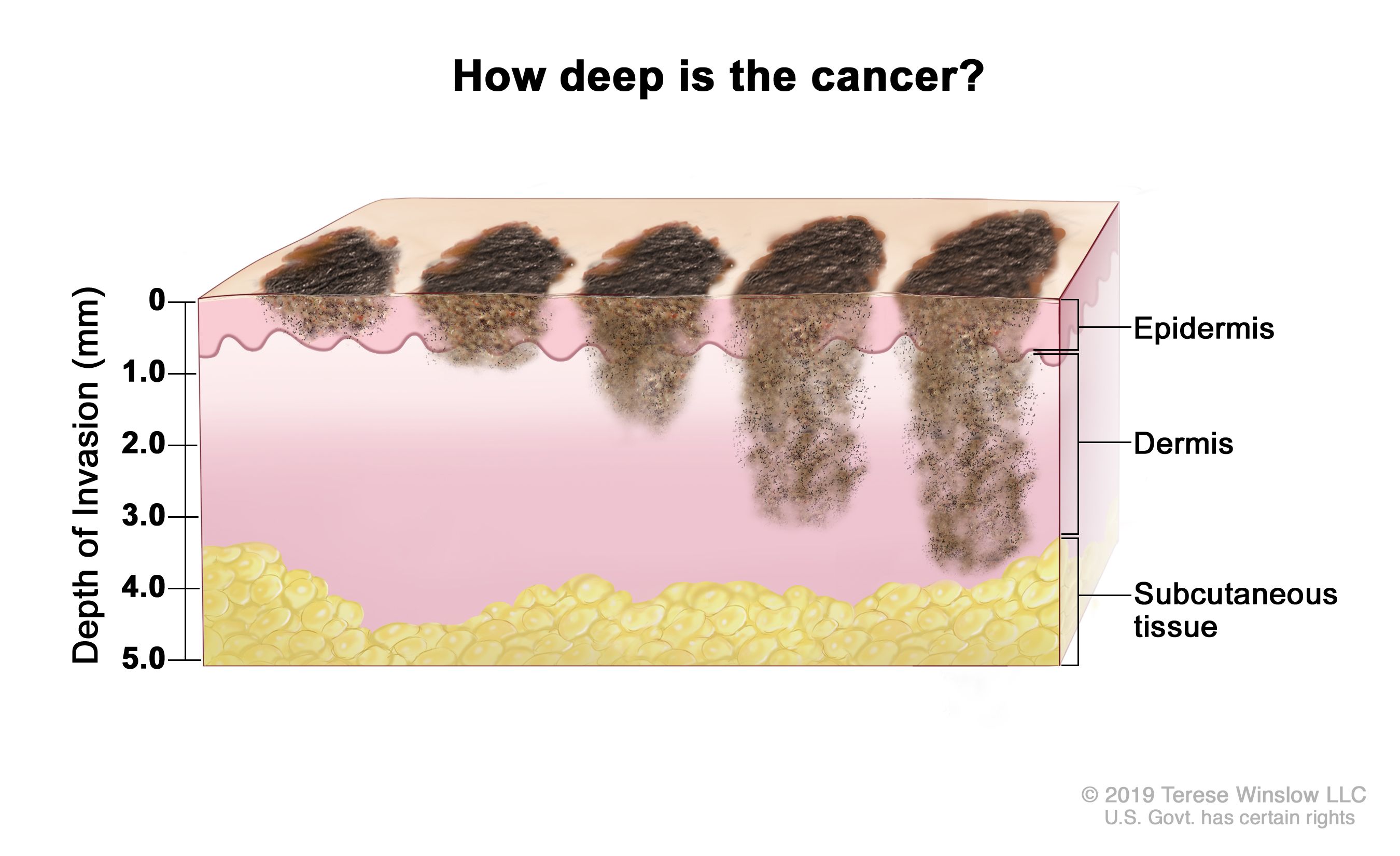
Beyond individual diagnostics, sophisticated software and data analytics are revolutionizing melanoma research and the development of highly personalized treatment strategies. These technological tools delve into the genetic and molecular underpinnings of melanoma, paving the way for more effective and targeted interventions.
Genomic Sequencing and Bioinformatics
Melanoma, like all cancers, is driven by genetic mutations. Advanced genomic sequencing technologies allow scientists to map the entire DNA sequence of melanoma tumors, identifying specific mutations that contribute to the cancer’s development and progression. The sheer volume of data generated by these sequencing efforts requires powerful bioinformatics software to process, analyze, and interpret. This software helps researchers pinpoint actionable mutations, such as BRAF or NRAS mutations, which are critical for guiding targeted therapies. Understanding the unique genetic profile of a patient’s melanoma enables clinicians to prescribe treatments that specifically attack cancer cells carrying those mutations, leading to more effective outcomes and reduced side effects compared to traditional chemotherapy. This era of precision medicine is entirely dependent on robust software and computational biology.
Big Data and Population Health Studies
The integration of electronic health records (EHRs), patient registries, and epidemiological data creates vast “big data” repositories. Sophisticated analytical software is then employed to mine these datasets for patterns, correlations, and insights that would be impossible to discern manually. For melanoma, this means analyzing factors like incidence rates across different demographics, identifying environmental risk factors, evaluating the real-world efficacy of various treatments, and predicting disease recurrence or progression. By analyzing population-level data, researchers can uncover trends, refine public health strategies, and inform clinical guidelines, ultimately leading to better prevention and management protocols for the entire population. This macroscopic view, powered by technology, enhances our collective understanding of melanoma’s complex epidemiology.
The Future Landscape: Robotics, Nanotechnology, and Advanced AI
The technological frontier in melanoma management continues to expand at a rapid pace. Emerging innovations promise even greater precision, less invasive procedures, and novel therapeutic approaches that could fundamentally change how we combat this disease.
Robotic-Assisted Surgery and Biopsy
Robotic systems are increasingly being integrated into surgical procedures, offering enhanced precision, dexterity, and visualization. While not yet widespread for routine melanoma excisions, robotic-assisted platforms hold potential for highly delicate biopsies in hard-to-reach areas or for reconstructive surgeries post-melanoma removal. The ability of robots to perform intricate movements with superhuman stability could minimize tissue damage, improve cosmetic outcomes, and potentially reduce recovery times. As AI continues to enhance robotic autonomy and precision, their role in diagnosing and treating complex melanoma cases is likely to grow.
Nanotechnology for Targeted Drug Delivery
A major challenge in cancer treatment is delivering therapeutic agents directly to tumor cells while sparing healthy tissue. Nanotechnology offers a revolutionary solution. Researchers are developing nanoparticles – microscopic particles engineered to carry drugs – that can be designed to specifically target melanoma cells. These nanoparticles can encapsulate chemotherapy drugs, immunotherapy agents, or even genetic material, delivering them with high precision. This targeted approach could significantly reduce systemic side effects associated with traditional treatments, increase drug concentration at the tumor site, and potentially overcome drug resistance, leading to more effective and tolerable therapies for advanced melanoma.
Predictive Analytics and Risk Stratification
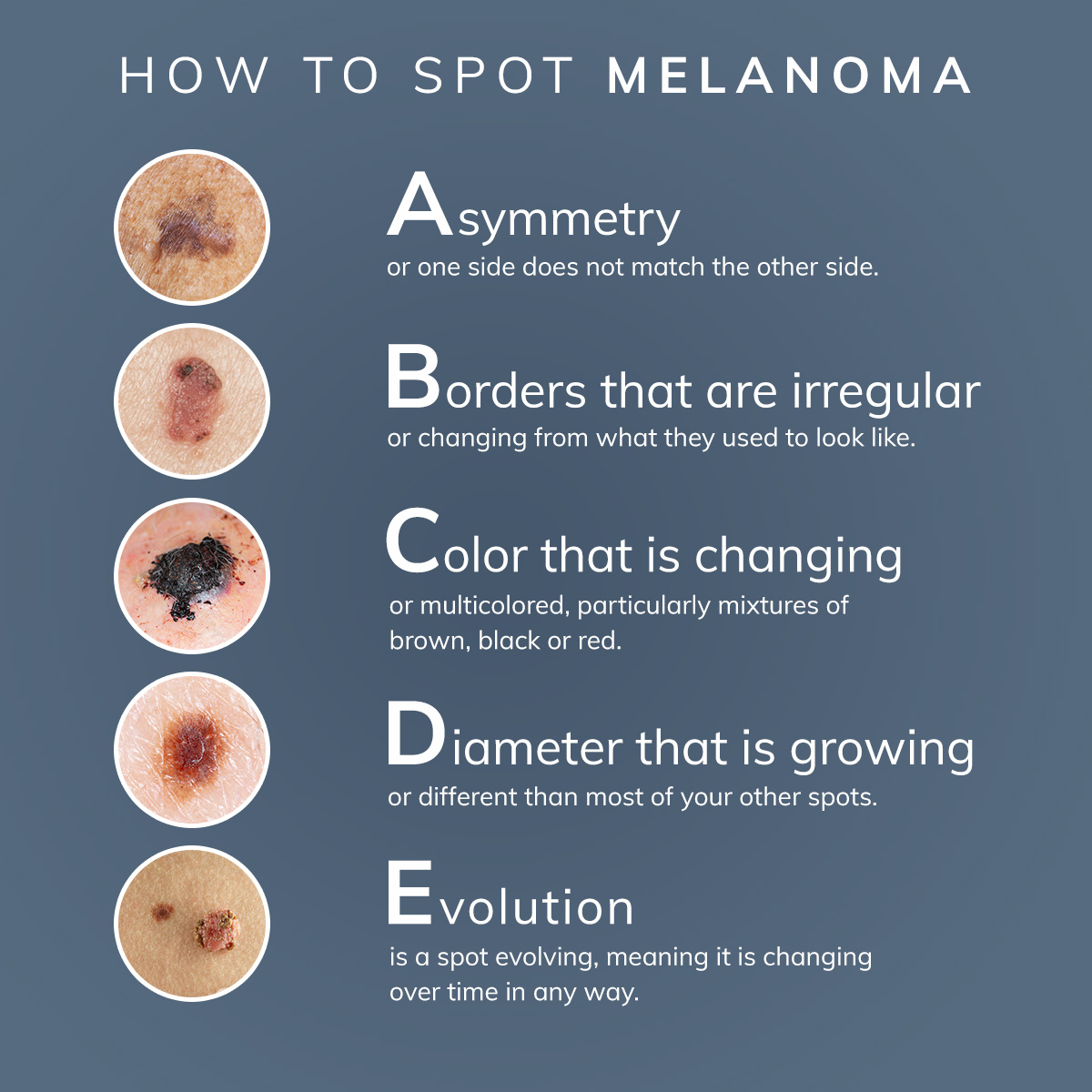
The convergence of genetic data, lifestyle information, environmental factors, and medical history, analyzed by advanced AI and machine learning algorithms, promises to usher in an era of hyper-personalized risk assessment. Predictive analytics will move beyond general risk factors to provide individuals with a highly specific probability of developing melanoma over their lifetime. This level of risk stratification will enable proactive, customized screening schedules and preventive interventions, ensuring that high-risk individuals receive more intensive monitoring while those at lower risk can avoid unnecessary procedures. This precision prevention, driven by sophisticated data modeling, is the ultimate goal in leveraging technology to minimize the impact of melanoma.
In conclusion, “what is a melanoma” today is not just a medical definition but a complex interplay of biology, environment, and cutting-edge technology. From AI-powered diagnostic tools and wearable UV trackers to genomic sequencing and the promise of nanobots, technology is an indispensable ally in our fight against this pervasive cancer. It empowers both clinicians and patients, offering enhanced detection, personalized treatment, and proactive prevention, continuously reshaping the future of melanoma care and bringing us closer to a world where its impact is dramatically reduced.
aViewFromTheCave is a participant in the Amazon Services LLC Associates Program, an affiliate advertising program designed to provide a means for sites to earn advertising fees by advertising and linking to Amazon.com. Amazon, the Amazon logo, AmazonSupply, and the AmazonSupply logo are trademarks of Amazon.com, Inc. or its affiliates. As an Amazon Associate we earn affiliate commissions from qualifying purchases.