
In the global marketplace of destination marketing, few symbols are as potent or as instantly recognizable as the Moroccan medina. To the casual observer, a medina is simply the historic heart of a Moroccan city—a maze of narrow alleys, bustling souks, and ancient ramparts. However, from a brand strategy perspective, the medina represents one of the world’s most successful examples of heritage branding. It is a living corporate identity for a nation, a curated experience that balances centuries of tradition with the demands of modern global commerce. Understanding what a medina is requires looking past the stone walls and into the sophisticated mechanisms of brand equity, sensory marketing, and cultural positioning that have made these ancient urban centers iconic.
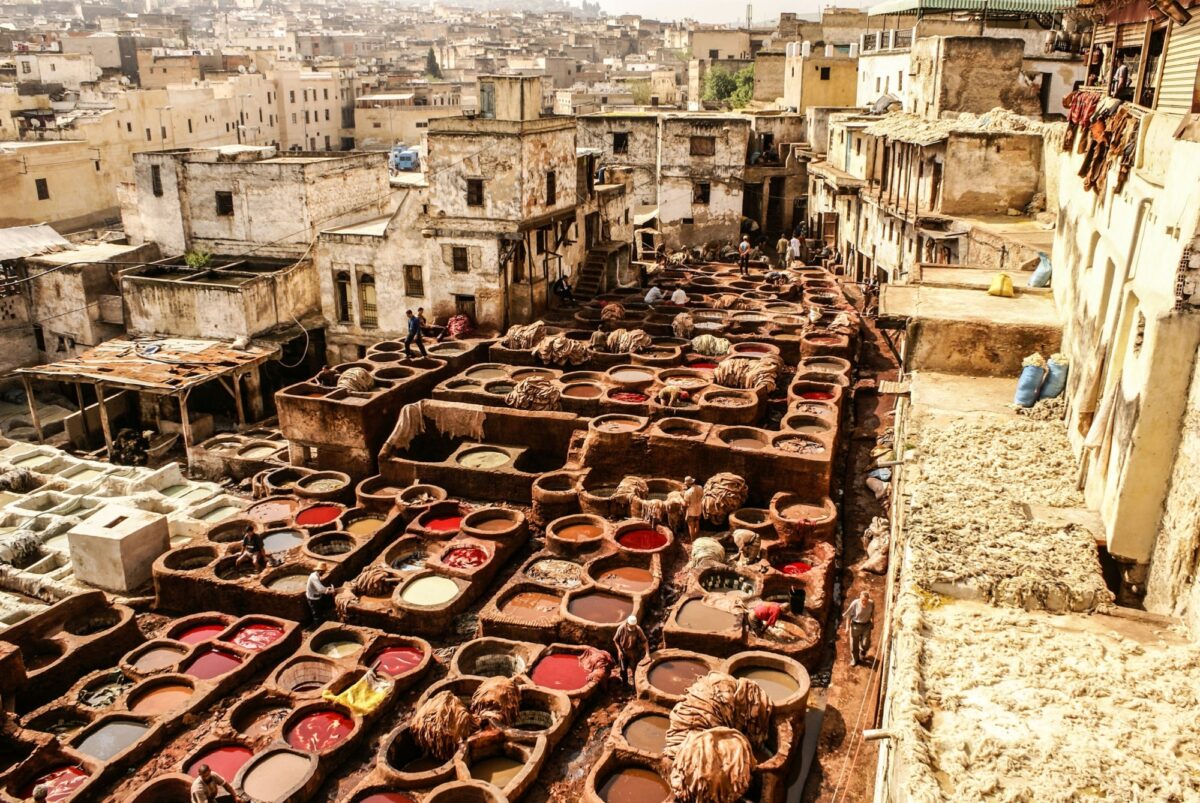
Decoding the Medina: The Architectural Blueprint of Moroccan Brand Identity
The medina is not merely a residential district; it is the visual and emotional anchor of Morocco’s national brand. Historically, these “old cities” were the entirety of the urban landscape before European expansion in the 20th century. Today, they serve as the primary touchpoint for the “Morocco” brand, offering a stark contrast to the homogenized “New Cities” (Villes Nouvelles) that surround them.
The Walled City as a Visual Trademark
Architecturally, the medina is defined by its massive ochre or sandstone ramparts. These walls do more than provide physical protection; they create a “brand enclosure” that signals to the visitor they are entering a unique space. The visual consistency—from the horseshoe arches (Moorish architecture) to the intricate zellij tilework—functions as a cohesive visual language. Just as a brand like Apple uses minimalist design to signal its identity, the medina uses its high-density, low-rise, and inward-facing architecture to create a sense of mystery and exclusivity. This “hidden” nature of the medina—where the most beautiful riads (traditional houses) are concealed behind plain mud-brick walls—is a deliberate exercise in brand intrigue.
Sensory Branding: Navigating the Labyrinth of Experience
Modern branding often focuses on sensory experiences to create lasting emotional connections. The Moroccan medina is a pioneer in this field. The “Medina Brand” is not just seen; it is heard in the call to prayer, smelled in the spice markets of the Mellah, and felt in the texture of hand-woven rugs. This multi-sensory immersion ensures that the brand is unforgettable. For strategists, the medina teaches that the most powerful brands are those that engage all five senses simultaneously, creating an experiential “ecosystem” that modern digital brands can only hope to emulate.
Heritage as a Competitive Advantage: Positioning the Medina in the Global Market
In the highly competitive world of international tourism and cultural exports, “authenticity” is the most valuable currency. The medina serves as Morocco’s unique selling proposition (USP), differentiating it from other Mediterranean or Middle Eastern destinations.
The “Authenticity” Factor in Destination Marketing
While many modern cities are struggling to find a soul amidst glass skyscrapers, the medina leans heavily into its heritage. This is a strategic choice. By preserving the “medieval” feel of the Fes el-Bali or the Marrakech Medina, Morocco positions itself as a portal to the past. This positioning appeals to a specific market segment: the “cultural seeker” who prioritizes authentic experience over luxury comfort. The brand promise of the medina is an unscripted, raw encounter with history—a promise that generates billions in annual revenue through tourism, crafts, and real estate.
UNESCO Status: The Ultimate Seal of Brand Authority
Several Moroccan medinas, including those in Fes, Marrakech, and Essaouira, are listed as UNESCO World Heritage sites. In branding terms, this is equivalent to a high-authority third-party endorsement or a “Blue Checkmark” on social media. It validates the brand’s quality and historical significance. This status allows the Moroccan government and private stakeholders to command a premium for experiences within these walls. It also provides a framework for “Brand Protection,” ensuring that modern development does not dilute the historical value that makes the medina a viable commercial asset.
The Micro-Brands of the Souk: Artisanship and Narrative-Driven Commerce

Within the macro-brand of the medina exist thousands of micro-brands: the artisans, weavers, and metalworkers who populate the souks (markets). These craftsmen are the foot soldiers of the medina’s commercial identity.
From Craft to Corporate: Scaling the Traditional Workshop
Each district within a medina is often dedicated to a specific craft—the tanners in Fes, the dyers in Marrakech, or the woodworkers in Tetouan. This zoning creates “clusters of excellence,” much like Silicon Valley for tech or Milan for fashion. These artisans have mastered the art of personal branding without formal training. They sell not just a product, but a process. When a visitor watches a leatherworker hand-stitch a bag using techniques passed down for five generations, the value of that bag increases exponentially. The brand shifts from “generic leather good” to “authentic Moroccan heritage piece.”
Storytelling as a Sales Tool in the Bazaar
The “souk experience” is a masterclass in narrative-driven sales. Negotiation in a medina is not a transaction; it is a ritual. Shopkeepers use storytelling to build rapport, offering mint tea and discussing the history of their tribe or their family’s trade. This relationship-based marketing is incredibly effective at building brand loyalty. Visitors don’t just leave with a rug; they leave with a story. In an era where consumers are increasingly skeptical of corporate facelessness, the medina’s focus on human-to-human branding offers a compelling alternative model for sustainable commerce.
Modernizing the Legacy: Rebranding the Medina for the Digital Age
A common challenge for any legacy brand is staying relevant without losing its core identity. The Moroccan medina has navigated this challenge with remarkable agility, particularly through the “Riad Revolution” and the rise of boutique hospitality.
The Riad Revolution: Boutique Hospitality Branding
The transformation of dilapidated traditional houses (riads) into luxury boutique hotels is perhaps the most significant rebranding exercise in Morocco’s recent history. By taking the “Medina Brand” and infusing it with modern luxury, designers have created a new category of travel. These riads maintain the historic shell and traditional craftsmanship but add high-end amenities, curated interiors, and personalized service. This evolution has allowed the medina to appeal to a wealthier, more demanding global demographic, effectively “upselling” the heritage experience.
Balancing Preservation with Commercial Evolution
The tension between preservation and modernization is a constant brand management struggle. To maintain the medina’s appeal, it must remain a living city, not a museum. This means integrating modern technology—like high-speed internet for digital nomads and digital payment systems in shops—without disrupting the “analog” aesthetic that tourists pay to see. Successful medinas are those that manage this “Brand Stretching” effectively, ensuring that the introduction of modern conveniences doesn’t shatter the illusion of a timeless sanctuary.
Lessons for Global Strategists: What the Medina Teaches Us About Brand Longevity
The enduring power of the Moroccan medina offers several profound lessons for brand strategists, marketers, and corporate leaders.
The Power of Organic Growth and Community
Unlike modern planned cities, the medina grew organically over a millennium. This organic growth created a layout that is human-centric rather than car-centric. In branding, this reflects the importance of community-led growth. A brand that is built by the people who use it, rather than dictated by a top-down corporate office, possesses a resilience and a “soul” that is impossible to manufacture. The medina is a community first and a brand second; its commercial success is a byproduct of its social cohesion.
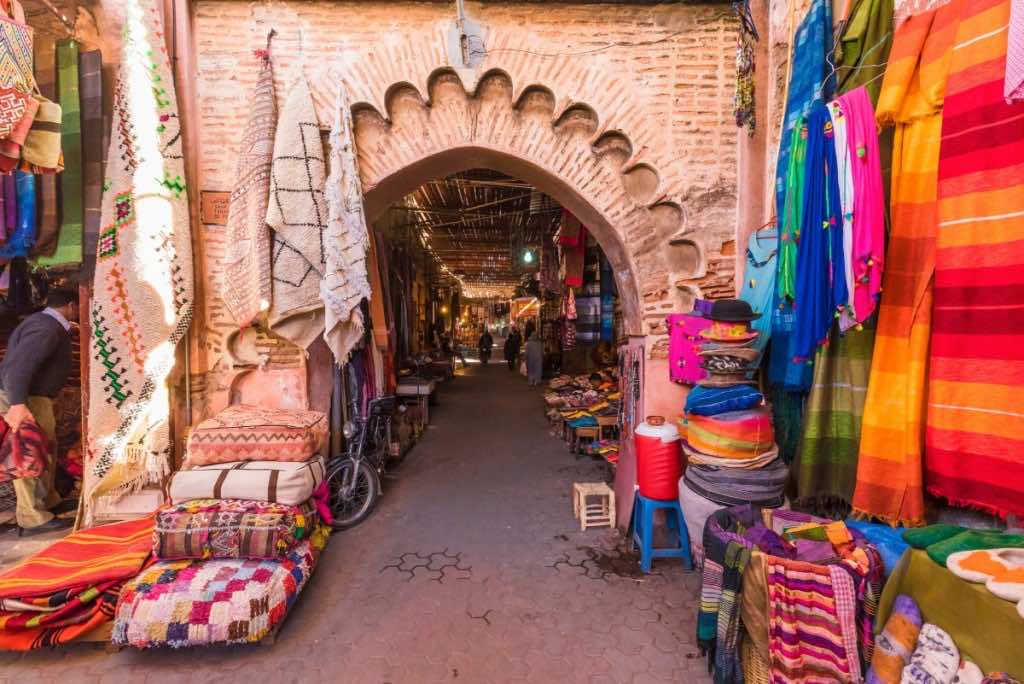
Resilience: Maintaining Identity Amidst Globalization
The medina has survived colonial rule, economic shifts, and the pressures of globalization. It has done so by remaining fiercely protective of its “Brand Core.” While the world outside its walls changes, the medina remains a bastion of Moroccan identity. This teaches us that for a brand to survive for centuries, it must have a non-negotiable set of values and aesthetics. By doubling down on what makes it different—its narrow streets, its traditional crafts, its communal lifestyle—the medina has ensured its survival in an increasingly flat and uniform world.
In conclusion, a medina in Morocco is far more than a collection of old buildings. It is a sophisticated, multi-layered brand that leverages heritage, sensory immersion, and storytelling to create a unique position in the global market. It serves as a reminder that the most successful brands are not those that chase every trend, but those that understand the deep, intrinsic value of their own history and know how to package that history for a modern audience. Whether you are a traveler lost in its winding alleys or a brand strategist analyzing its market power, the medina stands as a testament to the enduring power of cultural identity.
aViewFromTheCave is a participant in the Amazon Services LLC Associates Program, an affiliate advertising program designed to provide a means for sites to earn advertising fees by advertising and linking to Amazon.com. Amazon, the Amazon logo, AmazonSupply, and the AmazonSupply logo are trademarks of Amazon.com, Inc. or its affiliates. As an Amazon Associate we earn affiliate commissions from qualifying purchases.