
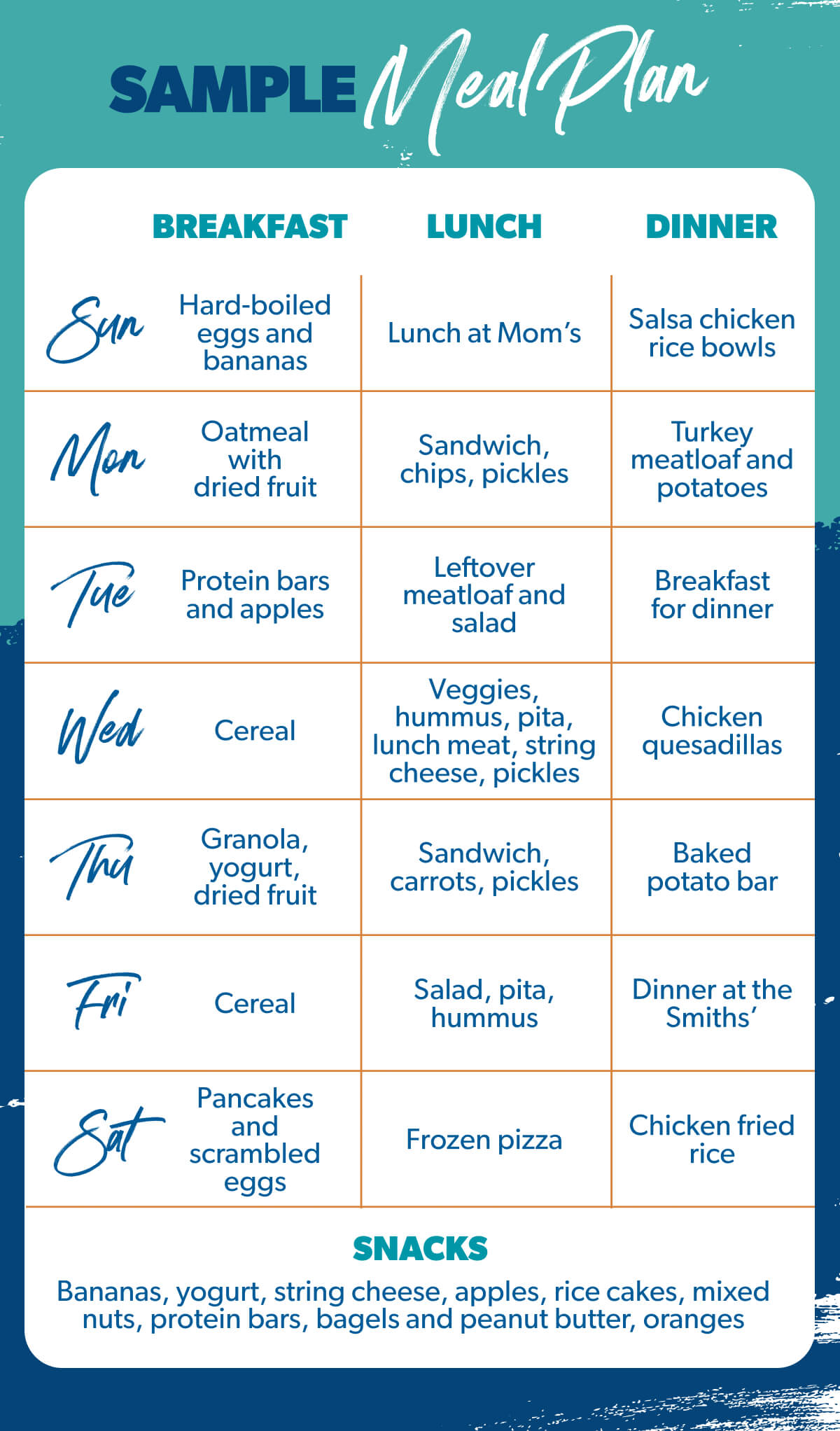
The term “meal planner” can evoke images of handwritten lists and circled recipes, but in today’s digital age, it has evolved into a sophisticated technological solution designed to streamline a fundamental aspect of our lives: what we eat. At its core, a meal planner is a system, often powered by technology, that assists individuals and households in organizing their food consumption for a specified period. This goes beyond simple grocery lists, encompassing the entire process from conceptualizing meals to preparing them, and critically, managing the resources involved.
While the concept of planning meals is as old as humanity itself, the advent of digital tools has revolutionized how we approach it. Modern meal planners leverage technology to offer personalized recommendations, automate grocery shopping, track dietary needs, and even reduce food waste. They are no longer confined to a single app or device; rather, they represent a burgeoning ecosystem of software, AI-driven features, and smart kitchen gadgets that aim to make healthy, organized, and efficient eating a reality for everyone. This article will delve into the technological landscape of meal planning, exploring its core functionalities, the innovative tools that define it, and the significant impact it has on our daily lives.
The Technological Evolution of Meal Planning
The journey from a physical notepad to a sophisticated digital assistant has been a rapid and transformative one. Early attempts at digital meal planning often involved simple spreadsheet templates or basic database applications. These, while an improvement over manual methods, lacked the intelligence and interconnectedness that define modern solutions. The true leap forward has been driven by advancements in software development, data analytics, and artificial intelligence, allowing meal planners to become more intuitive, personalized, and integrated into our digital lives.
From Spreadsheets to Smart Apps
The initial digital iterations of meal planners were largely static. Users would manually input recipes, ingredients, and desired meal structures. These systems provided a central repository for information, making it easier to refer back to past meals or to create a recurring schedule. However, they still required significant user input and offered little in terms of dynamic adaptation or intelligent assistance.
The emergence of dedicated meal planning apps marked a significant shift. These platforms introduced user-friendly interfaces, vast recipe databases, and the ability to import recipes from various online sources. Features like drag-and-drop scheduling, customizable dietary filters (e.g., vegetarian, gluten-free, low-carb), and the generation of grocery lists based on planned meals became standard. This made the process considerably more efficient and accessible to a wider audience.
The Rise of AI and Machine Learning
The true game-changer in meal planning technology is the integration of Artificial Intelligence (AI) and Machine Learning (ML). These sophisticated algorithms enable meal planners to move beyond static organization and towards dynamic, personalized assistance. AI can analyze user preferences, dietary restrictions, past meal choices, and even available ingredients to generate highly tailored meal suggestions.
Machine learning algorithms can learn from user feedback, refining recommendations over time to better suit individual tastes and nutritional goals. For instance, if a user consistently rates certain dishes highly or skips specific ingredient suggestions, the AI will adjust its future recommendations accordingly. This creates a truly adaptive and evolving meal planning experience that becomes more valuable with continued use. AI can also predict ingredient quantities needed, minimizing over-purchasing and waste, and can even suggest meals based on current pantry inventory, further enhancing efficiency and sustainability.
Core Features and Functionalities of Modern Meal Planners
Modern technological meal planners are packed with a diverse array of features designed to simplify and enhance the entire food management process. These functionalities extend far beyond simply listing meals for the week, offering comprehensive solutions for individuals and families striving for healthier, more organized, and cost-effective eating habits.
Recipe Management and Discovery
At the heart of any meal planner lies its ability to manage and discover recipes. Tech-enabled meal planners typically offer robust recipe databases, often curated with high-quality, tested recipes. Users can typically search for recipes based on a multitude of criteria, including cuisine type, dietary needs (e.g., vegan, keto, paleo, low-FODMAP), preparation time, specific ingredients, and even desired nutritional profiles.
Beyond discovery, these platforms excel at recipe organization. Users can save their favorite recipes, create custom collections (e.g., “Quick Weeknight Dinners,” “Holiday Baking”), and even import recipes from websites and blogs with a simple click or URL paste. Many systems automatically parse recipe instructions, ingredients, and nutritional information, making them readily available for meal planning and grocery list generation. The ability to scale recipes up or down to serve a different number of people is another invaluable feature, ensuring accurate ingredient quantities.
Automated Grocery List Generation
One of the most significant time-saving features of technological meal planners is their ability to automatically generate grocery lists. Once a meal plan is finalized, the system aggregates all the necessary ingredients from the selected recipes. This aggregation process is intelligent, combining duplicate items and consolidating quantities. For example, if multiple recipes call for onions, the system will list “onions” once with the total quantity required for the week.
Furthermore, advanced meal planners can categorize grocery lists by store aisle (e.g., produce, dairy, pantry staples) to optimize shopping trips. Some platforms even integrate with online grocery delivery services, allowing users to directly import their generated grocery list into their preferred online retailer’s cart with a single click. This seamless integration transforms a tedious chore into an efficient, automated process.
Dietary Tracking and Nutritional Analysis
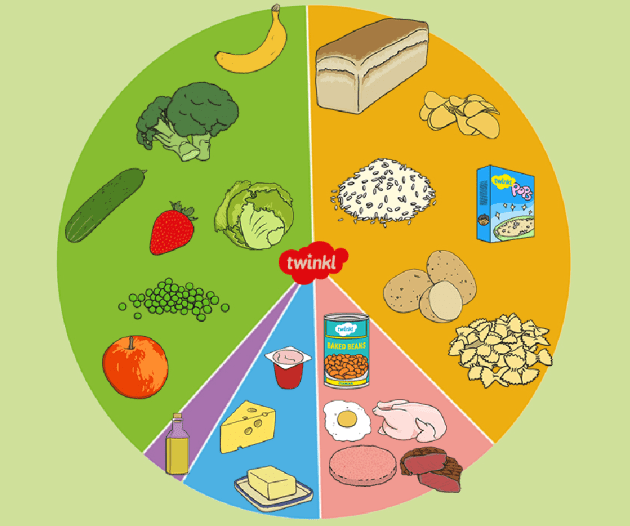
For individuals with specific dietary goals or health conditions, technological meal planners offer powerful tools for tracking and analysis. Users can input detailed nutritional information for each meal, including macronutrient breakdowns (protein, carbohydrates, fats), calorie counts, and micronutrient levels (vitamins, minerals). This allows for precise monitoring of daily and weekly intake against personal targets.
AI-powered analysis can identify potential nutritional gaps or excesses in a planned diet and suggest adjustments. For instance, if a week’s plan is consistently low in fiber, the planner might suggest incorporating more whole grains or legumes. This proactive approach empowers users to make informed decisions about their food choices, supporting health and wellness objectives more effectively. The ability to flag allergens and restrict certain ingredients is also a critical safety feature for those with sensitivities or allergies.
Integrating Meal Planners into Smart Ecosystems
The true potential of technological meal planners is unlocked when they are integrated into broader smart home and digital ecosystems. This interconnectedness creates a seamless and intuitive experience, automating tasks and providing valuable insights across various aspects of daily living.
Smart Kitchen Appliances and IoT Devices
The Internet of Things (IoT) is increasingly playing a role in meal planning. Smart refrigerators, for instance, can scan the contents of your fridge, track expiration dates, and even suggest recipes based on ingredients that are nearing their best-before dates. This data can then be fed into a meal planning app, allowing for dynamic adjustments to your weekly plan and further reducing food waste.
Smart ovens and other cooking appliances can be programmed to follow recipes directly from a meal planning app, automating cooking times and temperatures. Imagine selecting a recipe from your meal planner, and your oven automatically preheats to the correct temperature and sets the cooking duration – this level of integration significantly reduces the cognitive load associated with meal preparation. Voice assistants like Alexa and Google Assistant can also interface with meal planning apps, allowing users to add ingredients to their grocery list, retrieve recipe instructions, or check their meal plan for the day using simple voice commands.
Health and Fitness App Integration
The synergy between meal planning technology and health and fitness applications is a powerful driver for holistic wellness. By linking a meal planner with fitness trackers and health management apps, users gain a comprehensive view of their energy expenditure and caloric intake. This allows for more accurate calorie management and personalized dietary recommendations that align with fitness goals.
For example, if a fitness app reports an increased calorie burn from a strenuous workout, the meal planner can suggest nutrient-dense meals to replenish energy stores or compensate for the additional activity. Conversely, if the fitness app indicates reduced activity levels, the meal planner might recommend lighter, less calorie-dense meals to maintain energy balance. This bidirectional flow of data ensures that dietary choices are not made in isolation but are actively supporting and complementing overall health and fitness objectives. This level of interconnectedness transforms a meal planner from a standalone utility into an integral component of a connected, health-conscious lifestyle.
The Future of Meal Planning Technology
The rapid pace of technological advancement suggests that meal planning will continue to evolve in exciting and innovative ways. We are likely to see even more sophisticated AI-driven personalization, deeper integration with smart home devices, and novel approaches to sustainability and accessibility.
Predictive Analytics and Personalized Nutrition
The future will likely see meal planners utilizing predictive analytics to an even greater extent. This could involve forecasting ingredient availability based on seasonal trends and local supply chains, suggesting recipes that are not only appealing but also align with long-term health goals based on individual genetic predispositions and microbiome data. Personalized nutrition will become increasingly nuanced, with meal planners capable of dynamically adjusting recommendations based on real-time biometric data from wearable devices, such as blood glucose levels or sleep patterns.
Enhanced Sustainability and Waste Reduction
As environmental consciousness grows, so too will the focus on sustainability within meal planning. Future meal planners will likely incorporate advanced features to minimize food waste, such as suggesting recipes that utilize all parts of an ingredient, optimizing portion sizes based on household consumption patterns, and even facilitating local food sourcing and sharing initiatives. Integration with smart waste management systems could provide insights into household food waste patterns, enabling even more targeted interventions.
Greater Accessibility and Inclusivity
Efforts will continue to be made to make meal planning technology more accessible and inclusive for everyone. This includes developing features that cater to individuals with disabilities, such as enhanced voice control and screen reader compatibility, as well as offering support for diverse cultural and culinary traditions. Multilingual support and culturally sensitive recipe suggestions will become more commonplace, ensuring that meal planning tools are truly global in their reach and relevance. The focus will be on creating intuitive, user-friendly interfaces that empower individuals of all technological aptitudes to benefit from the advantages of organized and healthy eating.
aViewFromTheCave is a participant in the Amazon Services LLC Associates Program, an affiliate advertising program designed to provide a means for sites to earn advertising fees by advertising and linking to Amazon.com. Amazon, the Amazon logo, AmazonSupply, and the AmazonSupply logo are trademarks of Amazon.com, Inc. or its affiliates. As an Amazon Associate we earn affiliate commissions from qualifying purchases.