
At first glance, “matrix biology” might conjure images of complex spreadsheets or even futuristic digital realms. In the scientific community, however, it refers to the study of the extracellular matrix (ECM) – a dynamic, intricate network of macromolecules that provides structural support to cells and tissues, regulates cellular behavior, and mediates intercellular communication. Far from being a mere biological scaffolding, the ECM is a living, breathing environment that dictates everything from tissue development and wound healing to disease progression like cancer and fibrosis.
But why categorize this seemingly pure biological field under “Tech”? Because our understanding, manipulation, and application of matrix biology principles have been fundamentally transformed and accelerated by technological advancements. From cutting-edge imaging techniques and AI-driven data analysis to advanced bioengineering and regenerative medicine, technology is not just observing the matrix; it’s deciphering its code, simulating its behavior, and even rebuilding it. This article delves into what constitutes matrix biology through a technological lens, exploring how digital tools, advanced instruments, and innovative computational approaches are pushing the boundaries of this critical biological discipline.
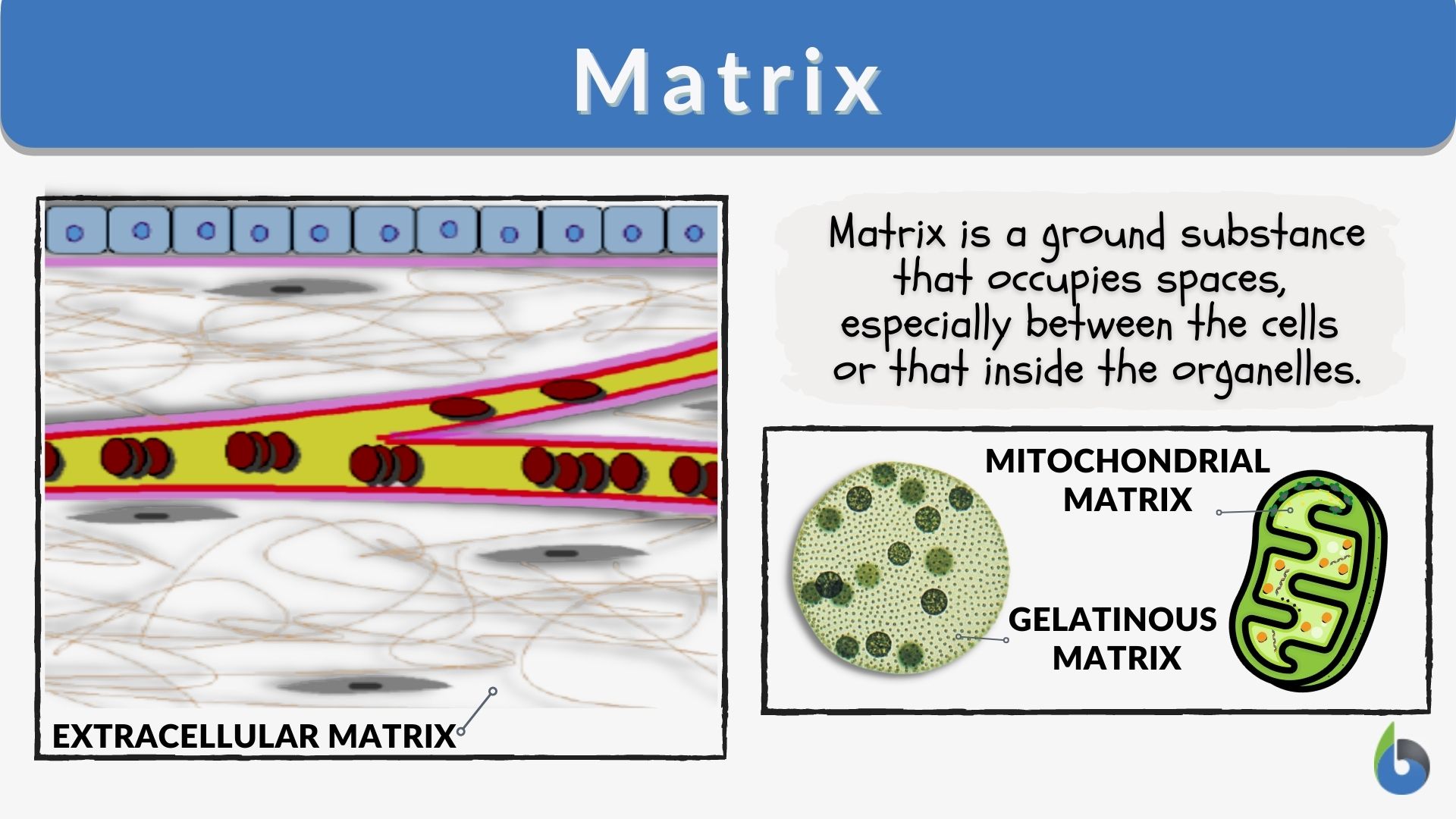
Unpacking the Biological Matrix: A Blueprint for Technological Innovation
To appreciate the technological impact, we must first grasp the essence of the biological matrix. The ECM is an expansive, non-cellular component present within all tissues and organs. Composed of an array of proteins (like collagen, elastin, fibronectin, laminin) and polysaccharides (like proteoglycans, hyaluronic acid), it’s far more than just filler. It’s a complex, information-rich environment that acts as a physical and biochemical signaling hub.
The Dynamic Role of the Extracellular Matrix (ECM)
The ECM performs a multitude of vital functions:
-
Structural Support: Providing tensile strength, elasticity, and shape to tissues and organs.
-
Cell Adhesion and Migration: Offering anchor points for cells and guiding their movement during development, wound repair, and disease.
-
Signaling and Regulation: Binding and releasing growth factors, cytokines, and enzymes, thereby influencing cell proliferation, differentiation, and survival.
-
Tissue Homeostasis: Maintaining the stability and functional integrity of tissues.
Dysregulation of the ECM is implicated in a vast spectrum of diseases, from chronic inflammation and autoimmune disorders to cardiovascular diseases and metastatic cancer. This profound impact makes the ECM a prime target for therapeutic intervention and a rich source of inspiration for biomaterial design.
From Observation to Digital Simulation: Modeling the Matrix
Historically, studying the ECM was largely observational, relying on microscopy and biochemical assays. The sheer complexity and heterogeneity of its composition and structure made detailed analysis challenging. Today, however, technology has moved us beyond mere observation into the realm of dynamic modeling and simulation. Computational biology and bioinformatics tools allow researchers to create virtual representations of the ECM, predicting its mechanical properties, molecular interactions, and how it responds to various stimuli. This computational leap is critical for understanding the ECM’s emergent properties that arise from the interaction of countless components. Advanced algorithms can sift through vast datasets of genomic, proteomic, and imaging data to identify patterns and predict biological outcomes with unprecedented accuracy, offering insights that would be impossible through traditional experimental methods alone.
Technological Frontiers: Illuminating and Interrogating the Matrix
The intricate nature of the ECM demands sophisticated tools for its investigation. The past two decades have seen a revolution in technologies that enable scientists to visualize, analyze, and manipulate the matrix at multiple scales, from atomic resolution to whole-organ level.
Advanced Imaging Techniques: Seeing Beyond the Surface
Visualizing the ECM is fundamental to understanding its structure and function. Traditional light microscopy offered limited resolution, and electron microscopy provided high resolution but with complex sample preparation. Modern imaging technologies have shattered these limitations:
-
Super-resolution Microscopy (e.g., STED, PALM, STORM): These techniques overcome the diffraction limit of light, allowing scientists to image individual ECM fibers and molecules with nanometer precision, revealing architectural details previously invisible.
-
Light-sheet Microscopy: By illuminating only a thin section of a sample, light-sheet microscopy enables rapid, high-resolution 3D imaging of living tissues and whole organisms with minimal phototoxicity, crucial for observing dynamic ECM remodeling processes in real-time.
-
Atomic Force Microscopy (AFM): Beyond visualizing, AFM allows researchers to “feel” the ECM, measuring its mechanical stiffness and elasticity at the nanoscale. This is vital because the mechanical cues from the matrix significantly influence cell behavior.
-
Optical Coherence Tomography (OCT): Providing high-resolution, cross-sectional imaging, OCT is particularly useful for non-invasive, depth-resolved visualization of ECM structures in tissues, with clinical applications ranging from ophthalmology to dermatology.
Omics Technologies and AI: Deciphering the Molecular Code

Understanding the ECM isn’t just about its physical structure; it’s also about its molecular composition and how it interacts with cells. “Omics” technologies, coupled with artificial intelligence, are providing an unprecedented molecular blueprint:
-
Proteomics and Metabolomics: High-throughput mass spectrometry allows for the identification and quantification of thousands of proteins and metabolites within the ECM, revealing its precise molecular makeup and dynamic changes in disease.
-
Single-Cell RNA Sequencing (scRNA-seq): While not directly sequencing the ECM, scRNA-seq reveals which cells are producing which ECM components, how their genetic programs are influenced by the matrix, and how they dynamically interact within their microenvironment. This provides crucial context for understanding the “cell-matrix dialogue.”
-
Bioinformatics and Machine Learning: The massive datasets generated by omics technologies would be intractable without advanced computational tools. Machine learning algorithms are used to identify novel ECM components, predict their functions, classify disease states based on ECM signatures, and even suggest potential therapeutic targets. AI can analyze patterns in complex proteomic data to identify biomarkers for early disease detection or predict patient responses to treatment.
Engineering the Matrix: From Regenerative Medicine to Novel Materials
Perhaps the most impactful intersection of matrix biology and technology lies in its application to engineer new tissues, develop advanced therapies, and create biomimetic materials. This field, often called “biomaterials science” or “tissue engineering,” directly leverages our increasing understanding of the ECM.
Tissue Engineering and Regenerative Medicine: Building New Biology
The ECM provides the ideal template for tissue engineering, a field focused on creating functional tissues and organs to repair or replace damaged ones. Technologies involved include:
-
Bioprinting (3D Printing of Biological Tissues): This revolutionary technology uses bio-inks (mixtures of cells and biocompatible materials, often mimicking ECM components) to precisely deposit layers and build complex 3D tissue constructs. This allows for the creation of customized scaffolds that guide cell growth and differentiation, leading to functional tissues for research, drug testing, and ultimately, transplantation.
-
Decellularization and Recellularization: This technique involves removing all cellular material from a native organ or tissue, leaving behind only the intact ECM scaffold. This acellular matrix can then be “reseeded” with patient-specific cells, creating a personalized, immunocompatible organ for transplantation. This technology represents a monumental step towards overcoming organ shortages.
-
Hydrogels and Scaffolds: Scientists engineer various biomaterials, often in the form of hydrogels, that mimic the mechanical and biochemical properties of native ECM. These serve as temporary scaffolds to support cell growth and tissue regeneration, and can be engineered to release growth factors or drugs in a controlled manner.
Biomimetic Materials: Nature-Inspired Innovation
The intricate design and remarkable properties of the ECM inspire the development of entirely new classes of materials with diverse applications:
-
Smart Materials: Researchers are creating materials that respond to environmental cues (e.g., pH, temperature, mechanical stress) much like the ECM does. These “smart” biomaterials can be designed to release drugs only at a tumor site or change stiffness to promote specific cell behaviors.
-
Drug Delivery Systems: By encapsulating drugs within ECM-mimicking matrices, scientists can achieve targeted and sustained drug release, improving therapeutic efficacy and reducing side effects. For example, nanoparticles coated with ECM components can be guided to specific tissues.
-
Diagnostic Platforms: Engineered matrices can serve as sophisticated platforms for disease modeling in a dish, allowing for more accurate drug screening and a better understanding of disease mechanisms than traditional 2D cell cultures. They can also be integrated into biosensors for detecting disease biomarkers.
The Future of Matrix Biology: A Nexus of Data and Innovation
The trajectory of matrix biology is one of increasingly sophisticated technological integration. The future will likely see even deeper convergences, creating a powerful feedback loop between biological discovery and technological innovation.
Personalized Matrix Therapies and Precision Medicine
As our ability to profile an individual’s unique ECM composition and dynamics improves through advanced diagnostics and AI, we can envision personalized matrix therapies. Instead of a one-size-fits-all approach, treatments could be tailored to an individual’s specific ECM pathology, guiding regenerative strategies or drug choices with unparalleled precision. This will involve integrating genomic data, proteomic profiles, and advanced imaging biomarkers to create a comprehensive “matrix health signature” for each patient.
AI-Driven Discovery and Predictive Modeling
The role of AI will continue to expand from data analysis to hypothesis generation and predictive modeling. AI could design novel ECM-mimicking materials with specific properties, predict the long-term outcomes of tissue engineering constructs, or even discover entirely new therapeutic targets within the matrix that our current understanding has overlooked. The ability of AI to learn from complex, multi-modal biological data will unlock insights into the subtle roles of the ECM in health and disease that are currently beyond human comprehension.

Ethical Considerations and Regulatory Frameworks
As matrix biology technologies become more powerful, ethical considerations will come to the forefront. The creation of complex tissue constructs, the use of decellularized human organs, and the potential for altering fundamental biological matrices raise questions about safety, efficacy, and societal impact. Robust regulatory frameworks will be essential to ensure responsible development and deployment of these transformative technologies.
In conclusion, “what is a matrix biology” is not merely an academic question about a biological structure; it’s a dynamic inquiry into a fundamental biological system that is being revolutionized by technology. From the foundational tools that reveal its secrets to the advanced engineering that leverages its principles, technology is the engine driving our understanding and application of the extracellular matrix. As we continue to innovate at the intersection of biology and computation, the matrix promises to unlock unprecedented opportunities in medicine, materials science, and our fundamental understanding of life itself.
aViewFromTheCave is a participant in the Amazon Services LLC Associates Program, an affiliate advertising program designed to provide a means for sites to earn advertising fees by advertising and linking to Amazon.com. Amazon, the Amazon logo, AmazonSupply, and the AmazonSupply logo are trademarks of Amazon.com, Inc. or its affiliates. As an Amazon Associate we earn affiliate commissions from qualifying purchases.