
In the bustling landscape of commerce and communication, where brands vie for attention in an increasingly crowded marketplace, certain visual assets stand out for their enduring power to capture the imagination and convey a message. Among these, the marquee sign holds a distinguished place. More than just a source of light, a marquee sign is a potent symbol, a strategic beacon, and a tangible extension of a brand’s identity. At its core, a marquee sign is an exterior sign, often illuminated, designed to display changeable messages, typically advertising an event, business, or attraction. While historically associated with theaters and entertainment venues, its application has broadened significantly, becoming a versatile tool for businesses across diverse sectors to enhance their brand visibility and engage with their target audience.
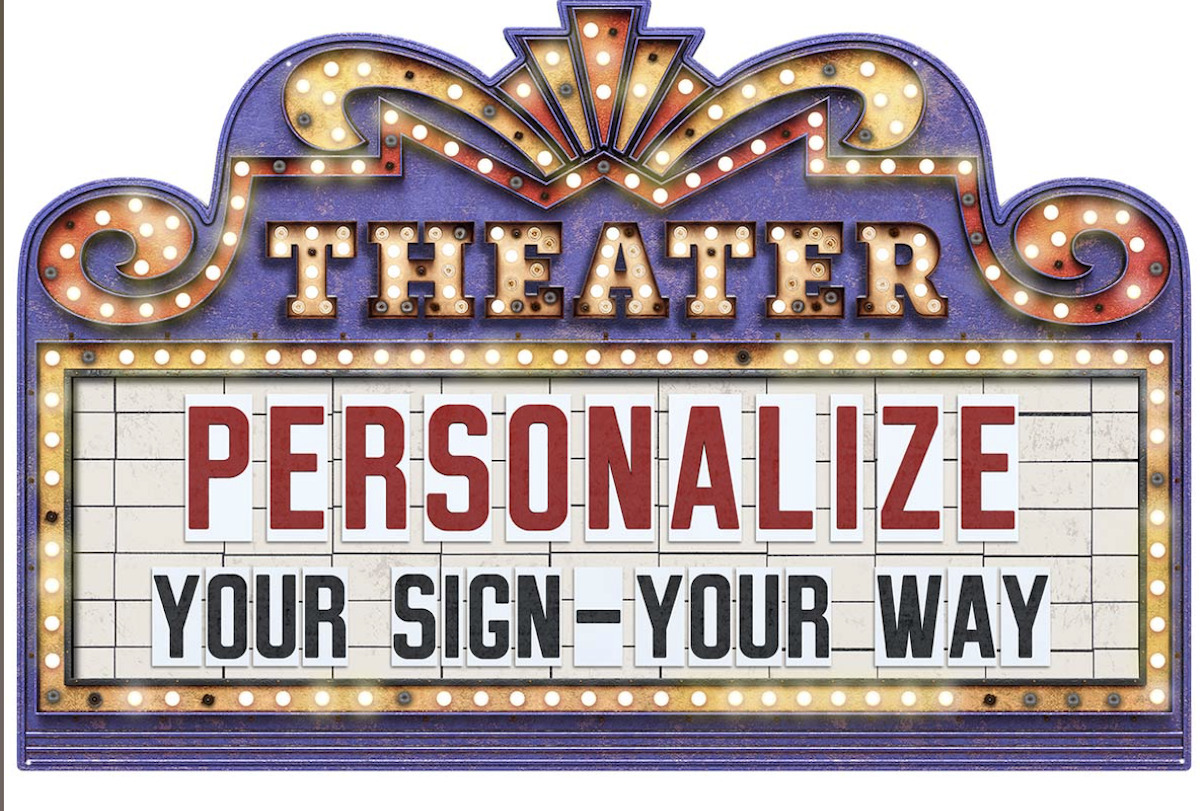
These signs are characterized by their prominent display, often featuring individual letters or an illuminated panel designed to grab immediate attention. Their strategic placement and often dynamic nature make them invaluable for drawing eyes, communicating real-time information, and reinforcing a brand’s presence in a physical space. Understanding “what is a marquee sign” truly means appreciating its multifaceted role in brand strategy, from its historical roots to its modern digital iterations.
The Enduring Allure of the Marquee Sign in Brand Storytelling
The marquee sign is not merely an informational display; it is a storyteller, a beacon that has shaped urban landscapes and cultural narratives for over a century. Its inherent theatricality and grandeur imbue it with a unique ability to evoke emotion and create a lasting impression, making it a powerful instrument in a brand’s visual arsenal.
A Legacy of Luminosity: From Theaters to Main Streets
The origins of the marquee sign are deeply intertwined with the entertainment industry. Early 20th-century vaudeville houses, movie palaces, and Broadway theaters quickly recognized the power of illuminated signage to attract crowds. These grand structures, often adorned with hundreds of incandescent bulbs, transformed drab building fronts into dazzling spectacles, literally lighting up the night and signaling excitement within. The word “marquee” itself originally referred to a large tent erected for an event, eventually morphing to describe the prominent canopy extending over the entrance of a theater, beneath which these radiant signs were typically mounted.
This theatrical heritage instilled in the marquee sign an inherent sense of glamour, anticipation, and spectacle. Brands quickly learned that this luminosity could transcend its entertainment roots. As businesses diversified and commercial streets grew, retail stores, restaurants, hotels, and various service providers began adopting marquee-style signage. They leveraged the sign’s immediate visual impact to announce their presence, highlight special offers, and differentiate themselves from competitors. The marquee became a democratized symbol of commercial vibrancy, transforming ordinary main streets into vibrant corridors of commerce, each sign telling a miniature story about the business it represented. This historical lineage contributes to the profound psychological impact of marquee signs today, associating them with established presence, quality, and a promise of engagement.
Beyond Illumination: Communicating Brand Identity
While light is a fundamental component, the marquee sign’s power in brand storytelling extends far beyond mere illumination. It is a critical element of a brand’s physical identity, a tangible expression of its essence that influences perception long before a customer steps through the door. The design choices inherent in a marquee sign — its typography, color scheme, material, and overall aesthetic — are all deliberate messages contributing to a cohesive brand identity.
A classic, ornate marquee with incandescent bulbs might signal tradition, heritage, and timeless elegance, perfectly suiting a historic hotel or a high-end boutique. In contrast, a sleek, minimalist marquee with sharp LED displays might convey modernity, innovation, and a forward-thinking approach, ideal for a tech startup or a contemporary retail brand. The typeface chosen for the messaging speaks volumes: a bold, sans-serif font might project strength and accessibility, while a more decorative script could evoke sophistication or playfulness. Even the rhythm and pattern of flashing lights, if incorporated, can subtly communicate a brand’s energy and personality.
In essence, a marquee sign acts as a physical brand ambassador. It dictates the first visual interaction a potential customer has with a brick-and-mortar establishment, setting expectations and framing the entire brand experience. For businesses that understand this, the marquee isn’t just a sign; it’s a carefully crafted component of their overall brand narrative, consistently reinforcing their values and promise.
Marquee Signs as Strategic Brand Assets
In an era dominated by digital marketing, the physical presence of a brand remains profoundly impactful. Marquee signs, far from being relics of the past, continue to serve as vital strategic assets, offering distinct advantages that digital channels cannot fully replicate. They are a brand’s voice in the physical world, commanding attention and fostering tangible connections.
Capturing Attention in a Saturated Market
One of the primary challenges for any brand is to stand out. In urban environments, businesses are often surrounded by competitors, visual clutter, and an onslaught of digital notifications demanding attention. A well-designed marquee sign cuts through this noise with undeniable authority. Its sheer size, prominent placement, and often dynamic illumination make it inherently difficult to ignore. Unlike a banner ad that can be scrolled past, a physical marquee sign occupies real space and intercepts passersby in their daily routines, creating an immediate, unavoidable visual touchpoint.
This ability to capture “eyeballs” in a local geographic area is invaluable. Whether illuminated against a night sky or standing boldly in daylight, a marquee sign acts as a constant advertisement, working 24/7 to draw attention to a brand’s location. For businesses reliant on foot traffic or local visibility, this sustained attention-grabbing power is not just beneficial; it’s essential for survival and growth. It’s about leveraging the physical environment to create memorable brand impressions where customers physically exist and commute.
Reinforcing Brand Messaging and Call-to-Action
Beyond merely attracting attention, marquee signs are exceptional tools for communicating targeted brand messages and driving specific actions. Their inherent design allows for changeable text, making them ideal for dynamic marketing campaigns. A brand can use its marquee to announce:
- Promotions and Sales: “20% Off All Winter Wear!”
- Special Events: “Live Music Tonight at 8 PM!”
- New Product Launches: “Introducing Our New Seasonal Menu!”
- Key Information: “Open Late for Holiday Shopping!”
- Brand Values: “Supporting Local Artists!”
By regularly updating these messages, brands can keep their offerings fresh and relevant, providing immediate incentives for potential customers to engage. This direct communication serves as a powerful call-to-action, transforming casual observers into active patrons. The immediacy of the message and its direct association with the physical location streamline the customer journey, making it easier for people to act on the information presented. Furthermore, consistent messaging across the marquee and other marketing channels reinforces brand recall and strengthens the overall marketing narrative.
Building Local Presence and Community Connection
For many businesses, particularly those with physical storefronts, building a strong local presence and fostering community ties is paramount. A marquee sign plays a crucial role in this endeavor, anchoring a brand within its geographical context. It becomes a recognizable landmark, a fixture in the local landscape that contributes to the area’s character and charm.
By becoming a visual staple, a marquee sign helps a business integrate into the fabric of the community. It projects stability, reliability, and a commitment to the local area. When a marquee sign consistently displays community-relevant messages—like celebrating local sports teams, announcing local charity events, or simply wishing passersby happy holidays—it transforms from a purely commercial advertisement into a community touchstone. This fosters goodwill, deepens customer loyalty, and can lead to positive word-of-mouth referrals. In essence, the marquee sign becomes a symbol of the business’s rootedness, creating a sense of belonging and familiarity that strengthens the brand’s bond with its immediate environment and its local customer base.
The Evolution of Marquee Signs: Blending Tradition with Modern Brand Needs
The concept of the marquee sign has proven remarkably resilient, adapting to technological advancements while retaining its core function. This evolution reflects a brand’s continuous quest to innovate and connect with audiences in increasingly sophisticated ways, marrying classic aesthetics with modern functionality.
Classic Glamour: Incandescent and Neon Marquees
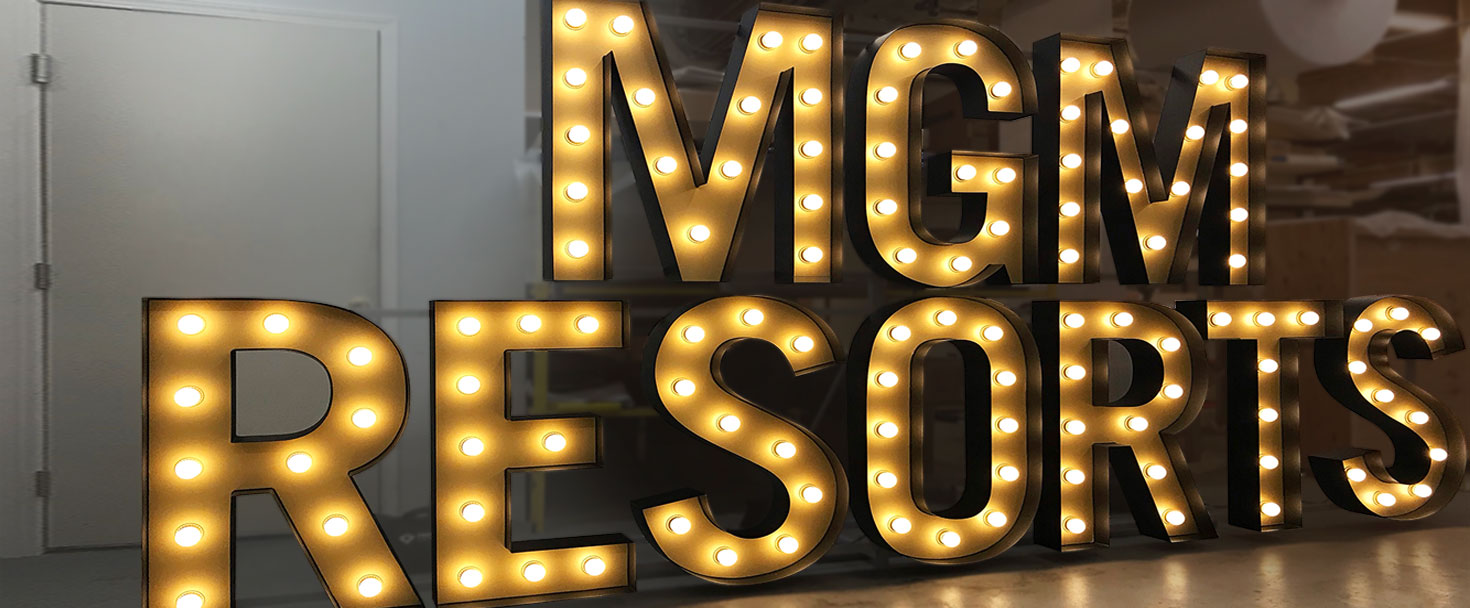
The earliest and most iconic marquee signs relied on incandescent bulbs and, later, neon tubing. These styles evoke a sense of nostalgia, a romanticized vision of bustling city nights and cinematic grandeur. Incandescent marquees, with their warm, often chasing lights, possess an undeniable charm and a classic Hollywood appeal. They convey tradition, quality craftsmanship, and a timeless elegance, making them suitable for brands that wish to project heritage, authenticity, or a vintage aesthetic. Think of historic theaters, classic diners, or sophisticated cocktail bars that leverage this style to create an atmosphere of established luxury or retro cool.
Neon signs, with their vibrant, custom-bent glass tubes, brought a new level of artistic expression and energy. Their distinctive glow and ability to form intricate shapes and text made them incredibly popular from the 1920s through the 1960s. Neon marquees are synonymous with dynamism, individuality, and a bold, often playful, brand personality. They convey a sense of excitement and can be meticulously crafted to match specific brand logos and color palettes, making them highly effective for brands seeking to make a vibrant, unique statement and cultivate a memorable visual identity. Both incandescent and neon styles, despite their age, continue to be actively chosen by brands for their specific aesthetic and the powerful emotional associations they trigger.
Digital Dynamics: LED and Programmable Marquees
The advent of digital technology has revolutionized the marquee sign, ushering in an era of unprecedented flexibility and dynamic content. Modern marquee signs primarily utilize Light Emitting Diodes (LEDs), allowing for bright, energy-efficient displays that can be programmed to show a vast array of colors, animations, videos, and real-time text.
LED marquees offer several significant advantages for modern brands:
- Dynamic Content: Messages can be changed instantly and frequently, allowing for real-time promotions, event updates, and responsive marketing. This ability to adapt to current events or promotions is a game-changer for agility.
- Enhanced Engagement: Animations, videos, and scrolling text capture attention more effectively than static signs, increasing dwell time and information absorption. Brands can tell more complex stories or showcase products in motion.
- Energy Efficiency & Longevity: LEDs consume less power and have a longer lifespan than traditional bulbs, reducing operational costs and environmental impact, which can align with a brand’s sustainability initiatives.
- Remote Management: Many digital marquees can be updated remotely via software, simplifying content management across multiple locations and ensuring brand consistency.
For brands operating in fast-paced environments or those with frequently changing offers, digital marquees are indispensable. They seamlessly integrate physical branding with digital marketing strategies, allowing for sophisticated, data-driven content delivery that responds to evolving market needs and consumer behaviors.
Customization and Creativity in Brand Expression
Regardless of the technology, the true power of a marquee sign lies in its potential for customization. Modern manufacturing techniques and design capabilities allow brands to create signs that are truly bespoke, reflecting their unique identity down to the finest detail. This means going beyond standard text and incorporating custom shapes, specific brand colors, intricate logos, and unique architectural integration.
For a brand, this level of customization is crucial for differentiation. A uniquely designed marquee sign becomes an architectural feature, an artistic statement that enhances the brand’s aesthetic appeal and memorability. It can range from a minimalist, elegant design that whispers sophistication to a flamboyant, multi-layered structure that shouts exuberance. The creative possibilities are endless, allowing brands to perfectly align their physical signage with their overarching brand guidelines, tone of voice, and visual identity. This tailored approach ensures that the marquee sign is not just functional but a genuine extension of the brand’s creative spirit and strategic messaging.
Crafting an Effective Marquee Sign for Your Brand
Designing and implementing a marquee sign is a significant investment and a critical branding decision. To maximize its impact and ensure it serves as a powerful brand asset, a methodical approach focusing on strategic alignment and design principles is essential.
Understanding Your Brand Identity and Target Audience
Before any design work begins, a brand must have a crystal-clear understanding of its own identity. What are its core values? What message does it want to convey? What is its unique selling proposition? The marquee sign must be a direct visual translation of these elements. A playful children’s store will require a vastly different aesthetic than a sophisticated financial advisory firm.
Equally important is a deep understanding of the target audience. Who are you trying to attract? What are their demographics, psychographics, and aesthetic preferences? A sign designed for a younger, trend-conscious demographic might utilize bold, contemporary fonts and vibrant digital displays, while a sign targeting an older, more traditional audience might opt for classic typography and a more subdued color palette. The sign must resonate with those it seeks to attract, speaking their visual language and signaling that this brand is for them. Misalignment here can lead to confusion or alienate potential customers.
Design Principles for Impact and Readability
Once the brand identity and audience are defined, specific design principles come into play to ensure the marquee sign is both impactful and easily understood.
- Visibility & Size: The sign must be appropriately sized for its location and the distance from which it needs to be seen. Too small, and it’s ignored; too large, and it can overwhelm. Its placement should be strategic, unobstructed by trees, poles, or other architectural elements.
- Readability & Typography: Font choice is paramount. It must be clear, legible, and consistent with the brand’s overall typography. Avoid overly intricate fonts that are difficult to read at a distance or in motion. Optimal letter spacing and line height are also crucial for quick comprehension.
- Color Scheme: Colors evoke emotions and associations. The sign’s colors should align with the brand’s palette and create sufficient contrast between text and background for maximum readability, both day and night. Consideration should be given to how colors appear under different lighting conditions.
- Lighting: The choice of lighting (incandescent, neon, LED) not only impacts aesthetics but also visibility and energy efficiency. It must be bright enough to be seen but not so glaring as to cause discomfort. The quality and pattern of illumination contribute significantly to the sign’s overall appeal and readability.
- Clarity of Message: Marquee signs typically convey short, concise messages. Brevity is key. Each message should have a clear purpose and call-to-action, avoiding jargon or overly complex phrasing. The goal is instant comprehension.
Integration with Overall Marketing Strategy
A marquee sign should never operate in isolation. It is a powerful component of an integrated marketing strategy, working in concert with digital, print, and in-store marketing efforts. The design, messaging, and promotional content displayed on the marquee should be consistent with the brand’s wider campaigns.
For instance, if a brand is running a social media campaign promoting a new product, the marquee sign should echo this promotion, driving local traffic to the store where they can experience the product firsthand. This synergy amplifies the reach and effectiveness of all marketing channels. The physical presence of the marquee sign legitimizes and reinforces online messaging, creating a holistic brand experience that guides customers from discovery to engagement. It acts as a bridge between the online and offline worlds, grounding digital efforts in a tangible, local reality.
The Future of Marquee Signs in a Digital-First World
The digital age has transformed nearly every aspect of business and branding, leading some to question the relevance of traditional physical assets. However, the marquee sign, far from fading into obsolescence, continues to evolve, proving its enduring value as a critical component of a robust brand strategy.
Maintaining Relevance through Innovation
The future of the marquee sign is undeniably tied to technological innovation. As LED technology becomes even more sophisticated, we can expect to see higher resolution displays, greater energy efficiency, and more dynamic content capabilities. Imagine augmented reality (AR) integrations where a smartphone camera could reveal interactive elements or real-time personalized offers when pointed at a marquee sign. Further advancements in artificial intelligence (AI) could enable marquee signs to display messages based on real-time data, such as local weather, traffic patterns, or even crowd sentiment detected through anonymized data, allowing for hyper-relevant and timely brand communication.
The rise of smart cities and interconnected urban infrastructure also presents opportunities. Marquee signs could become part of a broader network, communicating not just commercial messages but also public service announcements, contributing to a brand’s corporate social responsibility initiatives. Brands that embrace these innovations will ensure their marquee signs remain cutting-edge and continue to effectively engage with future generations of consumers.

The Enduring Power of Physical Branding
Despite the undeniable dominance of digital platforms, the human need for tangible experiences and physical interaction remains profound. In a world increasingly saturated with virtual stimuli, a well-crafted physical brand presence can cut through the digital noise and offer a refreshing sense of authenticity and permanence. Marquee signs offer this tangible connection. They are real, three-dimensional objects that occupy space, emit light, and often become memorable landmarks.
The enduring power of physical branding lies in its ability to create a sensory experience that digital screens cannot fully replicate. The way light reflects off a metal letter, the vibrant glow of neon, or the dynamic interplay of pixels on an LED display—these elements create an impression that is deeply embedded in a customer’s real-world experience. For brands, this means that while digital strategies are crucial for reach and engagement, physical assets like marquee signs are essential for establishing a grounded, memorable identity that builds trust and fosters a lasting connection with the community. They serve as a powerful reminder that even in a digital-first world, there’s immense value in a brand that lights up its presence in the real world.
aViewFromTheCave is a participant in the Amazon Services LLC Associates Program, an affiliate advertising program designed to provide a means for sites to earn advertising fees by advertising and linking to Amazon.com. Amazon, the Amazon logo, AmazonSupply, and the AmazonSupply logo are trademarks of Amazon.com, Inc. or its affiliates. As an Amazon Associate we earn affiliate commissions from qualifying purchases.