
In an increasingly urbanized world where space is a premium, innovative furniture solutions are not just functional necessities but also powerful statements of lifestyle and design. Among these, the “loftable bed” stands out as a particularly ingenious concept. Far more than just an elevated sleeping platform, a loftable bed embodies a philosophy of spatial optimization, adaptability, and modern living. From a brand and design perspective, understanding “what is a loftable bed” involves delving into its fundamental definition, its design principles, its market positioning, and the strategic storytelling brands employ to connect with discerning consumers. It’s about identifying how this piece of furniture has been conceptualized, developed, and marketed to meet diverse needs, transforming small footprints into multi-functional havens.
Defining the Loftable Bed in the Modern Furniture Landscape
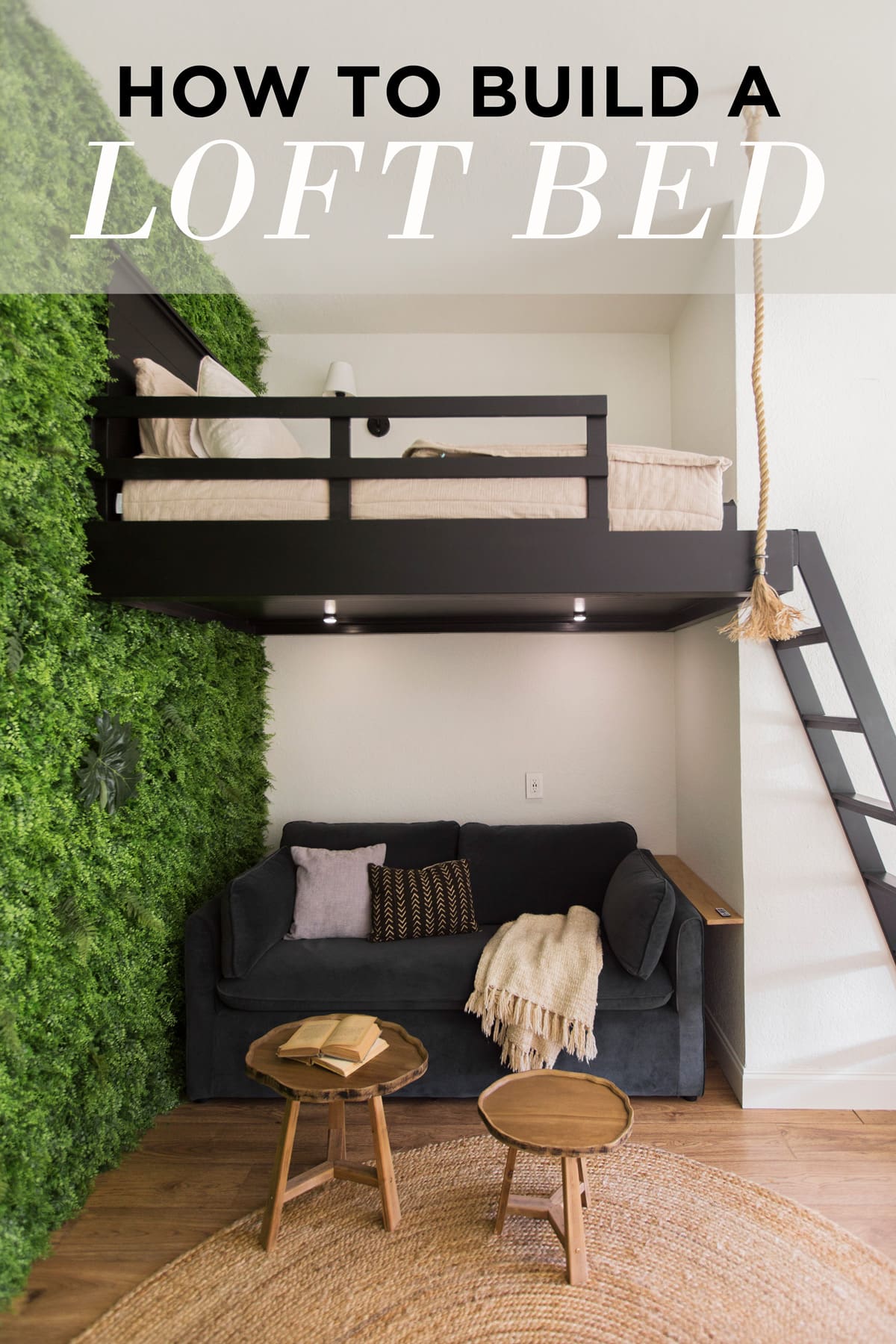
At its core, a loftable bed is a bed designed to be raised significantly off the floor, often to create usable space beneath it for other functions such as a desk, seating area, storage, or even another bed. Unlike a static bunk bed or a traditional loft bed that is fixed at a certain height, the term “loftable” often implies a dynamic quality – the ability to be moved or adjusted in height, either manually or through automated mechanisms. This dynamism is a critical differentiator that brands leverage to communicate flexibility and advanced functionality.
More Than Just a Bed: The Evolution of Space-Saving Furniture
The concept of elevating a bed to maximize floor space isn’t new; bunk beds and fixed loft beds have existed for decades, particularly in children’s rooms, dormitories, and other compact living environments. However, the “loftable” distinction represents an evolution. It signifies a shift from merely providing an extra sleeping surface or a permanently elevated space to offering a versatile, adaptable solution that can transform a room’s functionality with ease. Modern loftable beds are often integrated into comprehensive furniture systems, blurring the lines between sleeping, working, and living areas. Brands offering these solutions aren’t just selling beds; they are selling square footage, organization, and a promise of optimized living. This positioning helps differentiate them from traditional furniture manufacturers, appealing to a segment of consumers actively seeking smart home solutions rather than just items to fill a room. The brand narrative often emphasizes intelligent design and efficiency over mere utility, elevating the product from a commodity to a strategic lifestyle investment.
Identifying the Core Value Proposition for Brands
For brands in the furniture industry, the loftable bed presents a multifaceted value proposition centered around efficiency, innovation, and enhanced user experience. The primary benefit, of course, is space optimization. In urban centers where apartment sizes are shrinking, and rent prices are soaring, a loftable bed offers a tangible solution to living larger in smaller spaces. This becomes a compelling selling point, allowing brands to tap into the growing micro-apartment, co-living, and compact living trends. Beyond space, convenience and adaptability are key. The ability to switch a room from a bedroom to an office or a lounge area with the push of a button or a simple manual adjustment adds significant value. This adaptability appeals to individuals who require multi-functional spaces, such as remote workers, students, or those living in studios. Brands can build strong identities around these core values, positioning themselves as innovators in spatial design and problem-solvers for modern living challenges.
Market Segmentation: From Student Dorms to Luxury Micro-Apartments
The market for loftable beds is remarkably diverse, allowing brands to target various segments with tailored products and marketing strategies. At one end, there’s the utilitarian segment, primarily students and budget-conscious individuals seeking cost-effective ways to maximize space in dorms or shared apartments. Brands here might focus on affordability, ease of assembly, and robust, no-frills designs. At the other end of the spectrum lies the luxury segment, catering to discerning professionals or affluent urban dwellers seeking sophisticated, integrated home solutions. These brands emphasize high-quality materials, automated mechanisms, sleek aesthetics, and smart home integration. There’s also a significant market for families, where loftable beds can create flexible spaces for children or guests, and for eco-conscious consumers interested in sustainable and durable furniture. Each segment requires a distinct brand voice, product features, and marketing channels, underscoring the importance of precise brand strategy in this niche.
The Art of Design: Crafting the Loftable Bed’s Brand Identity
Design is arguably the most critical element in defining a loftable bed’s brand identity. It’s where functionality meets aesthetics, and where a brand’s philosophy is translated into a tangible product. The careful consideration of form, materials, and mechanism not only determines the bed’s performance but also its emotional appeal and perceived value.
Form Meets Function: Aesthetic Principles and Practicality
A well-designed loftable bed is a testament to the seamless integration of form and function. Aesthetically, brands strive for designs that are not only space-efficient but also visually appealing and congruent with contemporary interior design trends. Minimalism, clean lines, and neutral palettes are often favored to ensure the bed doesn’t overwhelm a small space. However, some brands might opt for bolder, more artistic expressions to differentiate themselves. Functionally, the design must prioritize user safety, stability, and ease of operation. The transition from a lowered to a raised position must be smooth and secure, whether manual or automated. Brands that successfully balance these elements create products that are both beautiful to look at and practical to use, fostering a strong reputation for thoughtful design and engineering excellence. The design process often involves extensive user experience (UX) research to ensure the product intuitively meets the needs and desires of its target audience.
Materiality and Durability as Brand Pillars
The choice of materials is a crucial aspect of a loftable bed’s brand identity, impacting its durability, aesthetic, and price point. High-end brands often utilize solid hardwoods, premium metals, and durable, eco-friendly finishes to convey luxury and longevity. These material choices are not just about resilience; they communicate a commitment to quality and craftsmanship, justifying a higher price tag. Brands targeting the mid-range or budget-conscious market might opt for engineered wood, lightweight metals, and more cost-effective finishes, focusing on smart engineering to ensure stability and safety without compromising on essential functionality. Sustainable sourcing of materials, certifications (e.g., FSC), and transparent production processes are increasingly becoming powerful brand pillars, appealing to environmentally conscious consumers and bolstering a brand’s ethical image. Brands that prioritize durability build trust, reducing concerns about the complex mechanisms of a loftable bed and ensuring customer satisfaction over time.
Innovation in Mechanism: Manual vs. Automated as Design Statements
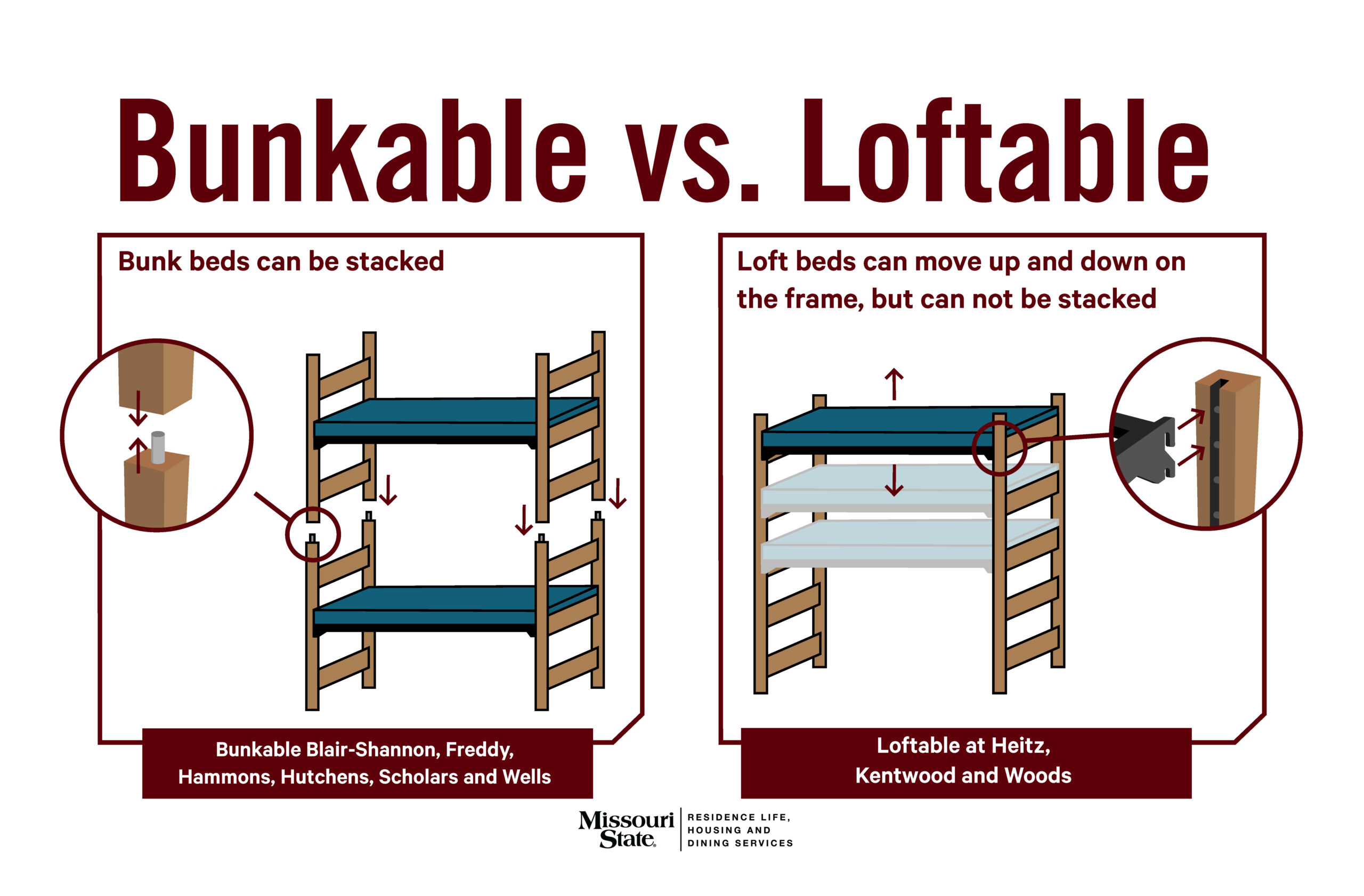
The lifting mechanism is at the heart of a loftable bed’s functionality and a key differentiator for brands.
Manual systems often rely on counterweights, gas struts, or pulley systems, requiring physical effort to raise or lower the bed. Brands offering manual systems typically emphasize simplicity, reliability, and affordability, appealing to those who prefer straightforward solutions or have budget constraints. The design challenge here is to make the manual operation as effortless and safe as possible, often achieved through clever leverage and ergonomic considerations.
Automated systems, on the other hand, incorporate electric motors, remote controls, or even smart home integration for seamless operation. These represent the pinnacle of convenience and technological advancement, positioning brands as innovators in smart furniture. Automated systems allow for precise height adjustments, often with pre-set positions, and can include safety features like obstacle detection. Brands with automated systems lean into a narrative of modern luxury, cutting-edge technology, and effortless living, commanding a premium price and attracting tech-savvy consumers. The choice between manual and automated isn’t just about cost; it’s a fundamental design statement that profoundly shapes the product’s brand identity and user experience.
Marketing the Elevated Experience: Strategies for Brand Engagement
Effective marketing for loftable beds transcends simple product features; it’s about selling a transformed living experience. Brands must artfully communicate the benefits, demonstrating how these innovative beds enhance daily life and solve common spatial dilemmas.
Visual Storytelling: Showcasing Lifestyle and Space Transformation
Given the visual nature of interior design, visual storytelling is paramount for loftable bed brands. High-quality photography and videography are essential to showcase the bed in both its raised and lowered configurations, illustrating the dramatic transformation of space. Lifestyle imagery that depicts individuals working under the bed during the day and sleeping comfortably at night effectively conveys the product’s versatility. Brands often create virtual tours or augmented reality (AR) experiences, allowing potential customers to visualize the bed in their own homes, overcoming the challenge of furniture being difficult to picture in a specific space. Before-and-after scenarios, case studies, and customer testimonials further reinforce the brand’s promise of enhanced living, making the abstract concept of “space-saving” tangible and aspirational.
Digital Presence and Community Building
A robust digital presence is non-negotiable for loftable bed brands. A user-friendly website with comprehensive product information, detailed specifications, and inspiring galleries is crucial. Social media platforms, particularly Instagram, Pinterest, and TikTok, are ideal for showcasing design aesthetics, functionality, and customer-generated content. Brands can engage with their audience through interactive posts, polls about space challenges, and design contests. Building an online community around “small living,” “smart homes,” or “multi-functional furniture” allows brands to establish thought leadership, gather feedback, and foster loyalty. Educational content—such as tutorials on maximizing small spaces or guides to integrating loftable beds into different room types—also positions the brand as a valuable resource rather than just a seller.
Positioning for Value: Affordability, Luxury, and Customization
Marketing strategies must align with the brand’s positioning along the affordability-to-luxury spectrum. Brands targeting affordability might emphasize competitive pricing, easy DIY assembly, and robust, minimalist designs. Their campaigns might highlight the economic benefits of maximizing space without expensive renovations. Luxury brands, conversely, focus on superior craftsmanship, advanced automation, premium materials, and bespoke options. Their marketing often centers on exclusivity, sophisticated design, and the seamless integration into high-end smart homes. Customization options, such as choice of finishes, integrated features (e.g., lighting, charging ports, shelving), and dimensions, also provide a powerful marketing tool. Brands that offer personalization empower customers to create a bed that perfectly fits their aesthetic and functional needs, thereby fostering a deeper connection and reinforcing the product’s unique value proposition.
Building a Sustainable Brand: Longevity and Future Trends
As consumer awareness around environmental and social responsibility grows, sustainable practices are becoming integral to brand identity, particularly for products designed for longevity and smart living.
Eco-Conscious Design and Production
For a brand to be truly competitive and respected in the modern era, its commitment to sustainability must extend beyond mere rhetoric. This means prioritizing eco-conscious design—using sustainably sourced, recyclable, or recycled materials in the construction of loftable beds. Brands can highlight responsible manufacturing processes, minimized waste, and energy-efficient production methods. Transparent labeling and certifications (e.g., GREENGUARD, LEED) provide verifiable proof of these commitments, building trust and appealing to a growing segment of environmentally conscious consumers. A brand that designs for durability and repairability, reducing the lifecycle environmental impact of its products, can foster significant goodwill and a reputation for ethical practice.
Modularity and Adaptability for Evolving Consumer Needs
The concept of “loftable” inherently speaks to adaptability, and brands can amplify this through modular design. Creating beds that can be easily reconfigured, expanded, or fitted with different accessories (desks, shelves, seating modules) ensures the product remains relevant as a user’s needs evolve over time. This approach extends the product’s lifespan, offering long-term value and aligning with sustainable consumption patterns. Brands that offer modularity position themselves as providers of flexible, future-proof furniture solutions, appealing to consumers who value versatility and wish to avoid frequent furniture replacements. This also creates opportunities for repeat business through accessory sales, strengthening the brand-customer relationship.
After-Sales Service and Brand Loyalty
Excellent after-sales service is crucial for building lasting brand loyalty, especially for complex furniture items like loftable beds. This includes comprehensive warranties, readily available spare parts, clear assembly or installation guides, and responsive customer support. For automated systems, reliable technical support for motors or smart integrations is paramount. Brands that invest in robust service infrastructure demonstrate a commitment to their customers and the longevity of their products. Positive post-purchase experiences transform customers into brand advocates, generating valuable word-of-mouth marketing and cementing the brand’s reputation for reliability and customer care. In the long run, a strong service commitment contributes significantly to a brand’s perceived quality and market staying power.
In conclusion, a loftable bed, viewed through the lens of branding and design, is a sophisticated furniture solution that addresses modern living challenges with innovation and style. Its definition extends beyond mere functionality to encompass a brand’s promise of optimized space, intelligent design, and a refined lifestyle. From the strategic choice of materials and mechanisms to the compelling narratives crafted through marketing, every aspect contributes to its brand identity. As cities continue to grow and personal spaces shrink, brands that thoughtfully design, responsibly produce, and effectively market loftable beds are poised to capture a significant share of the evolving furniture market, becoming symbols of smart, adaptable, and sustainable living.
aViewFromTheCave is a participant in the Amazon Services LLC Associates Program, an affiliate advertising program designed to provide a means for sites to earn advertising fees by advertising and linking to Amazon.com. Amazon, the Amazon logo, AmazonSupply, and the AmazonSupply logo are trademarks of Amazon.com, Inc. or its affiliates. As an Amazon Associate we earn affiliate commissions from qualifying purchases.