
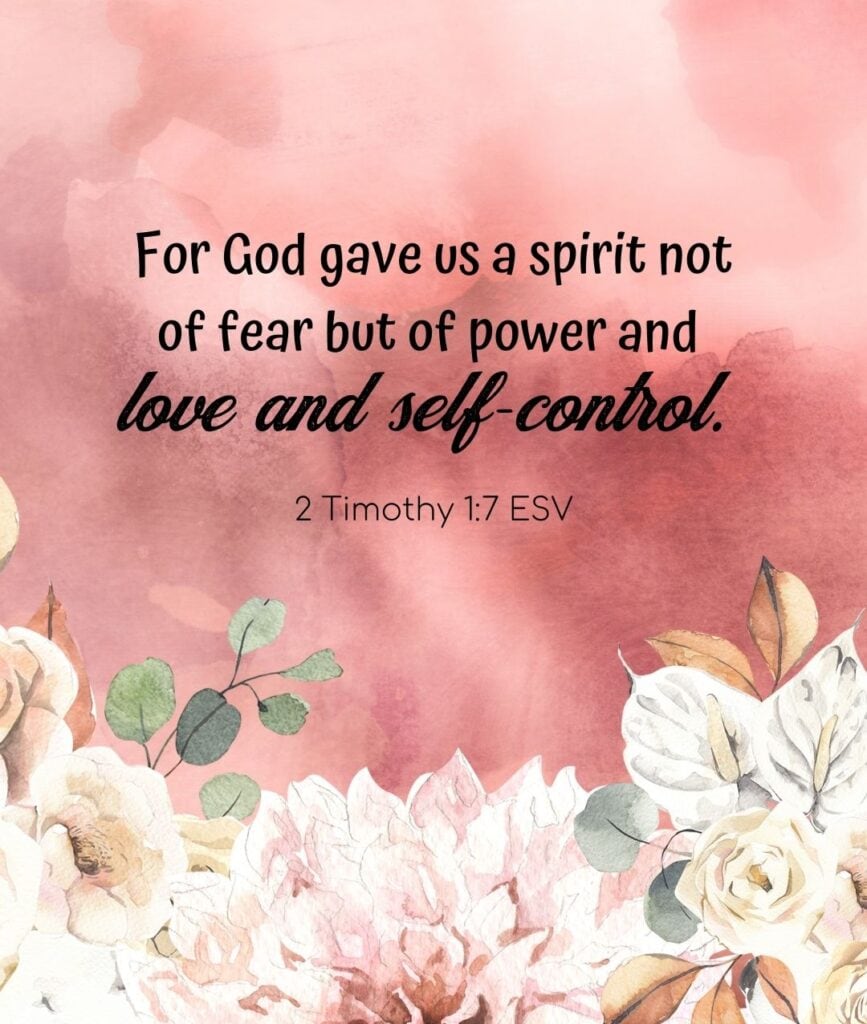
In the modern economic landscape, where “buy now, pay later” schemes and algorithmic advertising dominate our digital lives, the concept of self-control has never been more relevant—or more difficult to maintain. While the Bible is often viewed primarily as a spiritual guide, it offers a surprisingly sophisticated framework for personal finance. At the heart of this framework is the virtue of self-control. In the biblical context, self-control (often translated as “temperance”) is not merely the ability to say “no” to an impulse; it is the capacity to manage one’s resources in a way that honors a higher purpose. For anyone looking to master their money, understand investing, or escape the cycle of debt, the biblical perspective on self-control provides a timeless blueprint for financial health and long-term prosperity.

The Foundation of Financial Discipline: Stewardship vs. Ownership
To understand what the Bible says about self-control in the context of money, one must first understand the concept of stewardship. In biblical teaching, humans are not ultimate owners of their wealth; rather, they are managers or “stewards” of resources entrusted to them. This shift in perspective—from owner to manager—is the fundamental driver of financial self-control.
Stewardship as a Mental Framework
When you view money as something you “own,” your primary impulse is often self-gratification. However, when you view it as a resource entrusted to you by a higher authority, the need for self-control becomes an ethical obligation. The Parable of the Talents is perhaps the most famous biblical illustration of this. It highlights that those who exercise discipline and wisdom in managing what they have been given are rewarded with greater responsibility. In modern financial terms, this is the essence of capital management: the disciplined allocation of resources to generate growth rather than letting them waste away through negligence or impulsive consumption.
The Psychology of Contentment
The Bible frequently links self-control with contentment. Hebrews 13:5 advises, “Keep your lives free from the love of money and be content with what you have.” From a personal finance perspective, a lack of contentment is the primary enemy of a budget. Without the self-control to be content, an individual falls victim to “lifestyle creep”—the tendency to increase spending as income rises. By practicing the biblical virtue of contentment, an investor or earner can maintain a high savings rate, which is the most critical factor in long-term wealth accumulation.
Conquering the Impulse: The Battle Against Consumerism
The Bible warns extensively against “hastiness,” which is the ancient equivalent of the modern impulse buy. Proverbs 21:5 states, “The plans of the diligent lead to profit as surely as haste leads to poverty.” In a world of one-click ordering and targeted social media ads, this warning is more pertinent than ever.
The Dangers of Hasty Spending
Self-control in money management is often a battle of time. The Bible suggests that there is a direct correlation between the speed of a transaction and the likelihood of financial ruin. High-interest consumer debt is frequently the result of a lack of self-control over immediate desires. When we lack the discipline to save for a purchase, we “steal” from our future selves by borrowing at interest. Biblical wisdom advocates for a “cooling off” period—the ability to wait, pray, and evaluate a purchase before committing capital. This disciplined approach prevents the “buyer’s remorse” that plagues so many modern consumers.
Escaping the Debt Trap
One of the most sobering biblical warnings regarding money is found in Proverbs 22:7: “The rich rule over the poor, and the borrower is slave to the lender.” Financial self-control is, therefore, a tool for liberation. By exercising the discipline to live below one’s means, an individual avoids the “slavery” of debt. In the niche of personal finance, the most successful individuals are those who have the self-control to avoid high-interest liabilities, allowing them to redirect that interest income toward their own investments rather than a bank’s profit margin.

Strategic Investing: Patience as a Form of Self-Control
Investing is essentially the art of delayed gratification—the quintessence of self-control. The Bible speaks favorably of those who build wealth slowly and through steady effort, contrasting them with those who chase “get-rich-quick” schemes.
The Power of Diligence and Time
Proverbs 13:11 notes, “Dishonest money dwindles away, but whoever gathers money little by little makes it grow.” This is a perfect description of compound interest. To benefit from compounding, an investor must possess the self-control to stay the course during market volatility. Many investors fail not because they lack intelligence, but because they lack the emotional discipline to keep their money in the market when headlines turn negative. The Bible characterizes this type of self-control as “steadfastness,” a quality that turns a small amount of seed money into a significant harvest over time.
Diversification and Risk Management
Self-control also applies to how we handle risk. Greed often drives investors to put all their eggs in one basket—whether that be a single stock, a cryptocurrency, or a speculative business venture. Ecclesiastes 11:2 offers a disciplined approach to risk: “Invest in seven ventures, yes, in eight; you do not know what disaster may come upon the land.” It takes self-control to diversify your portfolio when a single asset is “mooning” or generating hype. By following this biblical principle of diversification, you protect your capital from the impulsive urge to over-leverage yourself in pursuit of a windfall.
Generosity: The Ultimate Test of Financial Self-Control
Perhaps the most counter-intuitive aspect of biblical self-control is the command to be generous. In a purely secular financial model, giving money away seems like a loss. However, in the biblical model, generosity is the ultimate exercise of self-control because it breaks the power of greed.
Breaking the Grip of Greed
Greed is an appetite that is never satisfied. Left unchecked, it leads to a life of hoarding and anxiety. The Bible suggests that the antidote to this is the disciplined practice of tithing or giving. By “honoring the Lord with your wealth” (Proverbs 3:9), you are practicing the self-control necessary to remember that money is a tool, not a god. In the business world, this is often seen in corporate social responsibility (CSR) or “impact investing.” Leaders who have the self-control to prioritize something other than the immediate bottom line often build more resilient, reputable, and long-lasting brands.
The Legacy of a Disciplined Life
Finally, biblical self-control in money management is about legacy. Proverbs 13:22 says, “A good man leaves an inheritance to his children’s children.” This requires a multi-generational view of finance. It takes immense self-control to forgo luxuries today so that you can provide for descendants you may never even meet. This long-term thinking is what separates the “nouveau riche” (who often lose their wealth within one generation) from those who build lasting family offices and foundations.
Conclusion: The Path to True Financial Freedom
What the Bible says about self-control is that it is the primary differentiator between those who are mastered by their money and those who master it. It teaches that financial success is not just about the numbers on a balance sheet, but about the character of the person managing those numbers.
By adopting a mindset of stewardship, resisting the urge for impulsive consumption, practicing the patience required for long-term investing, and maintaining the discipline of generosity, you align your financial life with principles that have stood the test of millennia. In the end, biblical self-control does not lead to a life of deprivation; rather, it leads to a life of “true wealth”—a state where you have enough to meet your needs, the freedom to help others, and the peace of mind that comes from being a faithful manager of your resources. Whether you are a seasoned investor or someone just starting their financial journey, the ancient wisdom of self-control remains the most effective tool for navigating the complexities of the modern economy.
aViewFromTheCave is a participant in the Amazon Services LLC Associates Program, an affiliate advertising program designed to provide a means for sites to earn advertising fees by advertising and linking to Amazon.com. Amazon, the Amazon logo, AmazonSupply, and the AmazonSupply logo are trademarks of Amazon.com, Inc. or its affiliates. As an Amazon Associate we earn affiliate commissions from qualifying purchases.