
In the saturated landscape of the beauty industry, few products have managed to achieve the cult-status longevity of the lip stain. While traditional lipsticks rely on waxes and oils to create a superficial coating, lip stains represent a strategic shift in cosmetic formulation—a fusion of chemistry and consumer desire for low-maintenance, high-impact aesthetic utility. For brands operating in the beauty space, understanding the “what” and “why” behind this product category is essential for crafting compelling product narratives and carving out a competitive edge.
The Chemistry of Commitment: Defining the Lip Stain
At its core, a lip stain is a pigment-based formulation designed to penetrate the outer layer of the skin on the lips rather than merely sitting atop it. Unlike traditional lipsticks or glosses, which rely on a thick base of emollient ingredients, lip stains use a high concentration of water or alcohol-based dyes.
Molecular Penetration
The primary differentiator of a lip stain is its delivery system. By utilizing solvents that evaporate quickly, the product allows the pigment to anchor itself into the lip’s cellular surface. This creates a semi-permanent effect that is resistant to smudging, drinking, or eating. From a product development perspective, this is a masterclass in functional design; the product is engineered to solve a core consumer pain point—the inconvenience of frequent touch-ups.
The Evolution of the Formulation
Early iterations of lip stains were often criticized for their drying properties due to the alcohol content required to set the pigment. However, modern iterations represent a brand pivot toward “hybrid beauty.” By integrating hyaluronic acid, plant-derived squalane, and aloe vera, current manufacturers have successfully rebranded the stain from a harsh, drying utility into a nourishing, long-wear luxury. This pivot is a crucial example of how brand strategy must evolve alongside R&D to maintain market relevance.
Strategic Brand Positioning: Why Consumers Choose Stains
The success of the lip stain in the current market is not an accident of chemistry; it is a result of strategic positioning that aligns with the modern consumer’s lifestyle. In a world where “clean beauty” and “effortless style” are the dominant aesthetic trends, the lip stain serves as a tactical tool for the brand.
The “No-Makeup” Makeup Movement
Lip stains are the quintessential product for the “no-makeup” makeup movement. By providing a natural, “just bitten” flush of color, they appeal to the consumer who wants to project an image of effortless elegance. For a brand, this is a significant opportunity to target demographics that favor authenticity over heavy, opaque cosmetic applications. Marketing a lip stain allows a brand to align its corporate identity with values of simplicity, practicality, and natural beauty.
Value-Added Versatility
A critical component of modern product branding is versatility. Lip stains occupy a unique space because they are often multi-purpose. Many consumers use these products as cheek tints, allowing brands to market them as a “two-in-one” solution. This positions the product as a cost-effective and space-saving essential, making it a high-value item in a minimalist’s cosmetic bag. Brands that capitalize on the multi-use potential of their products foster deeper consumer loyalty by positioning themselves as partners in the user’s efficient lifestyle.
The Competitive Landscape: Differentiating Through Narrative
With the barrier to entry in the cosmetic industry lower than ever, a lip stain is no longer just a functional product; it is a vessel for brand storytelling. Companies that successfully dominate this segment do so by moving beyond basic product benefits and leaning into emotional and psychological branding.
The Science of “Longevity” as a Lifestyle Benefit
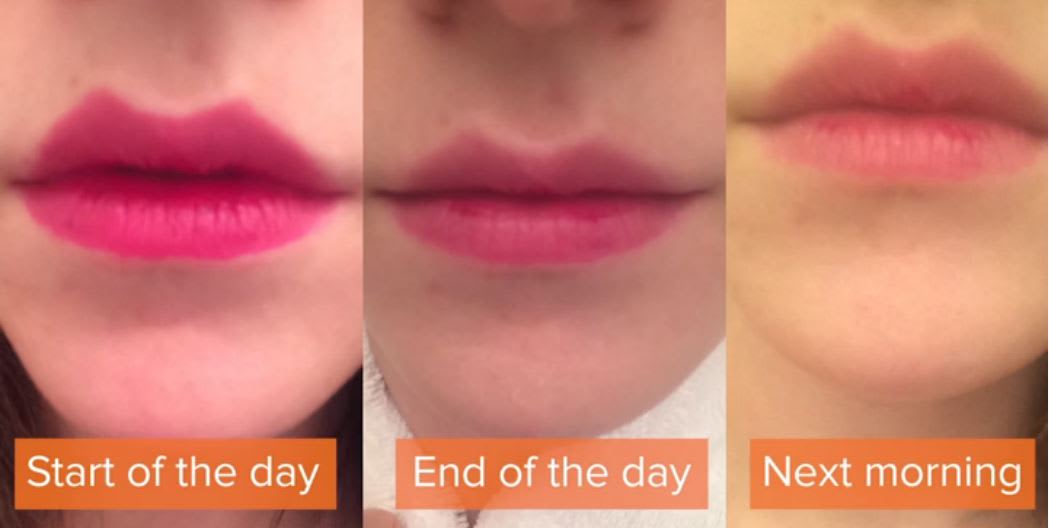
When marketing a lip stain, the most successful brands don’t just sell color; they sell the liberation from the mirror. The strategic narrative focuses on the concept of “set and forget.” By emphasizing the reliability of the product throughout a fourteen-hour workday or an evening of socializing, the brand speaks directly to the busy professional who values time and performance. This is branding at its most effective: transforming a feature (long-wear pigment) into a psychological benefit (peace of mind).
Packaging as a Strategic Asset
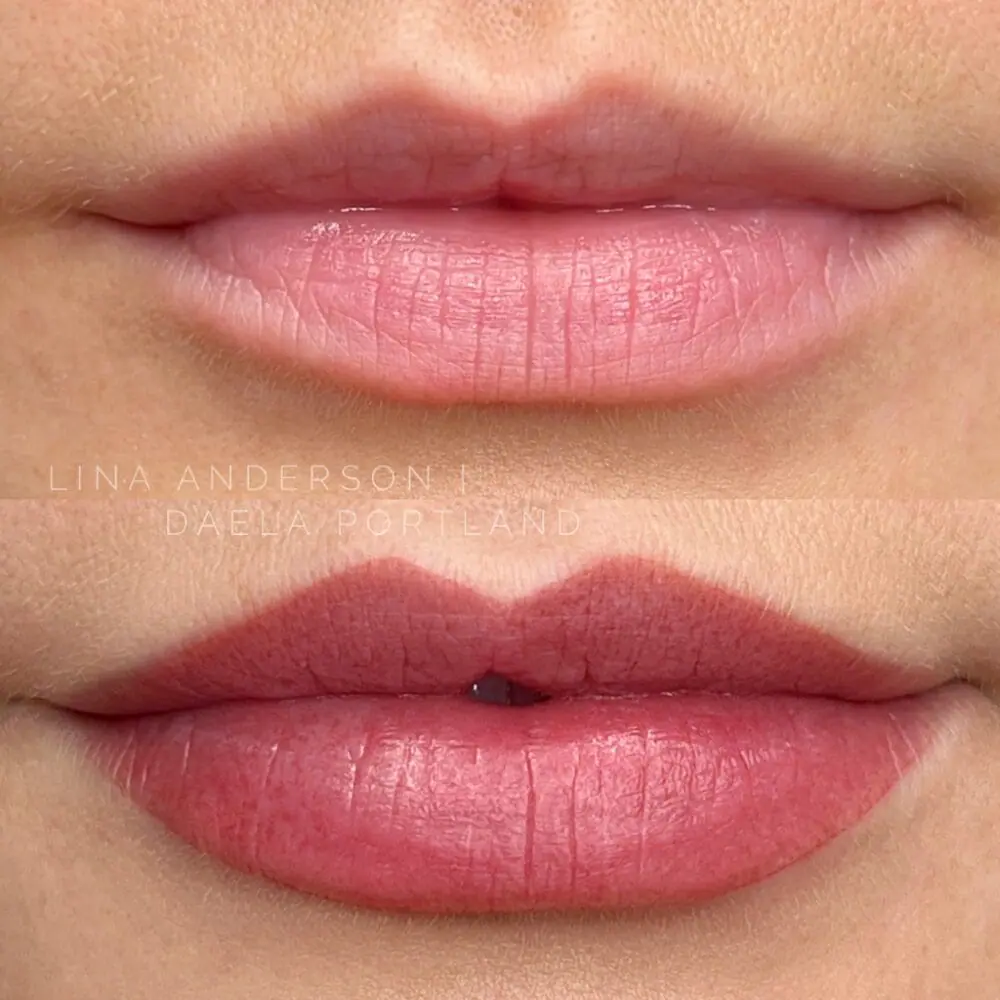
The aesthetic design of the lip stain bottle is a major indicator of brand positioning. High-end luxury brands often opt for sophisticated, weighted applicators and sleek, minimalist vials that suggest prestige and precision. Conversely, direct-to-consumer (DTC) brands might favor playful, ergonomic designs that emphasize ease of use and portability. The packaging acts as the silent ambassador of the brand’s identity, communicating to the consumer whether the product is a high-fashion accessory or a daily-driver utility.
Building a Brand Strategy Around Stain Technology
For any business looking to introduce a lip stain into their product lineup, the strategy must be comprehensive, bridging the gap between scientific efficacy and emotional resonance.
Targeted Audience Segmentation
Lip stains are rarely a one-size-fits-all product. A brand must define its target demographic:
- The Professional: Needs a long-lasting, smudge-proof solution that stays professional from the boardroom to dinner.
- The Trend-Seeker: Looks for unique pigment shifts, K-Beauty-inspired gradients, and social media-worthy application styles.
- The Minimalist: Prioritizes clean ingredients, hydration, and a singular product that serves multiple purposes.
By segmenting the audience, a brand can tailor its marketing content to highlight the specific features that resonate most deeply with that group.
The Role of Social Proof and Influencer Marketing
In the cosmetic space, social proof is the bedrock of growth. The application of a lip stain is inherently visual. Because the product changes appearance based on the natural tone of the user’s lips, user-generated content (UGC) is vital. Brands should leverage influencers who demonstrate the product’s longevity in real-time, such as “wear-test” videos. This transparency creates trust, which is the most valuable currency in brand strategy today. When a consumer sees a product surviving a coffee break, a lunch, and a busy commute, the brand effectively validates its promises without a single word of traditional advertising.
Sustainable and Ethical Sourcing
Finally, modern branding cannot ignore the importance of ethics. Consumers are increasingly scrutinizing the ingredient lists of the products they apply to their bodies. A brand that provides a transparent supply chain for its pigments—ensuring they are cruelty-free, ethically sourced, and free from harmful synthetic additives—gains a significant competitive advantage. Integrating these values into the core brand story transforms the lip stain from a simple beauty tool into a reflection of the consumer’s own moral footprint.

Conclusion: The Enduring Power of the Stain
The lip stain has transitioned from a niche cosmetic curiosity into a foundational element of the modern makeup kit. Its success is rooted in a perfect marriage of high-performance chemistry and the growing consumer demand for products that work with their lives, rather than requiring constant management.
For brands, the opportunity lies in recognizing that a lip stain is a strategic asset. By focusing on ingredient innovation, clear-eyed audience segmentation, and a narrative that emphasizes the psychological relief of long-wear beauty, companies can secure their place in a crowded market. Whether the brand is a heritage giant or an emerging startup, the key is to understand that the product is more than just pigment—it is a promise of consistency and confidence. As beauty trends continue to shift toward the functional and the authentic, the lip stain remains a masterclass in how to build a product that keeps the consumer coming back.
aViewFromTheCave is a participant in the Amazon Services LLC Associates Program, an affiliate advertising program designed to provide a means for sites to earn advertising fees by advertising and linking to Amazon.com. Amazon, the Amazon logo, AmazonSupply, and the AmazonSupply logo are trademarks of Amazon.com, Inc. or its affiliates. As an Amazon Associate we earn affiliate commissions from qualifying purchases.