
In the intersection of high-energy physics, precision engineering, and sophisticated software lies one of the most significant technological achievements of the modern era: the Linear Accelerator, or LINAC. While the term might sound like something out of a science fiction novel, the LINAC is a workhorse of contemporary technology. It is a device that uses electromagnetic fields to propel charged particles—usually electrons—to high speeds and energies along a linear path.
From the massive underground tunnels of particle physics laboratories to the sterile environments of advanced oncology centers, LINAC technology represents the pinnacle of human ingenuity. In this exploration, we will dive into the technical architecture of these machines, their transformative role in medical software, and the future of particle acceleration in the digital age.
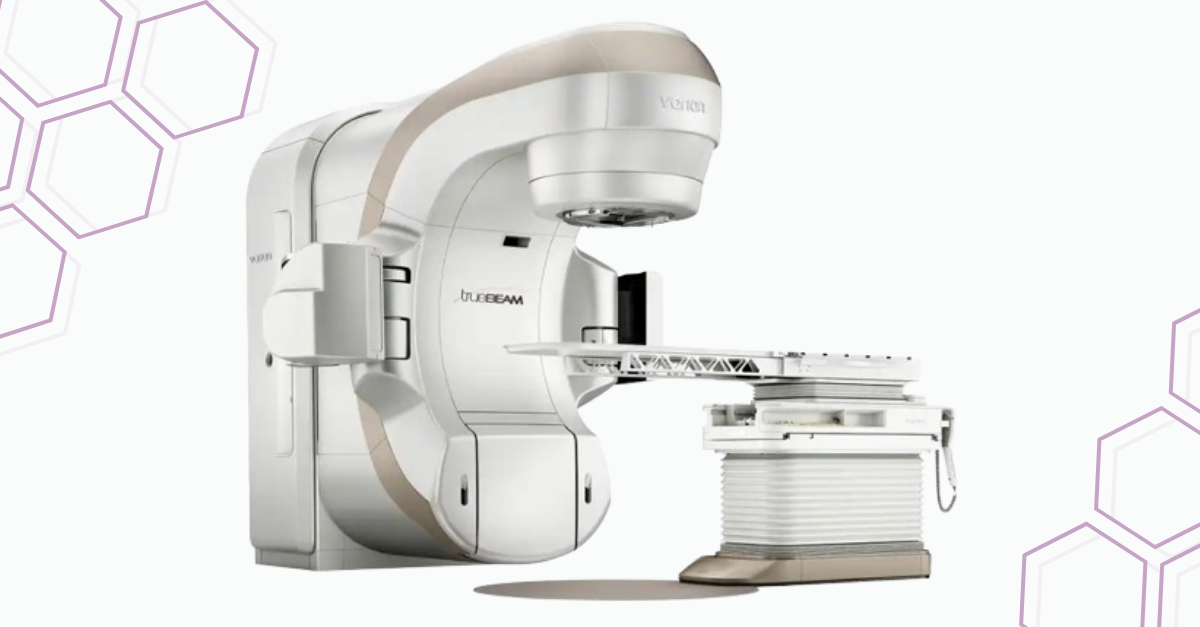
The Engineering Marvel: How a Linear Accelerator Works
At its core, a LINAC is an exercise in extreme precision. Unlike circular accelerators (such as the Large Hadron Collider), which whirl particles in a ring, a LINAC accelerates particles in a straight line. This requires a complex orchestration of hardware components that must function with microsecond synchronization.
Microwave Power and Waveguides
The “engine” of a LINAC is typically a klystron or a magnetron. These are high-power vacuum tubes that generate microwave radiofrequency (RF) energy. This energy is transmitted through a system called a waveguide—a hollow metal structure designed to direct the microwave pulses toward the acceleration chamber. The tech behind these microwave sources is similar to that used in radar systems, but scaled to a level of power that can accelerate electrons to nearly the speed of light.
The Acceleration Chamber
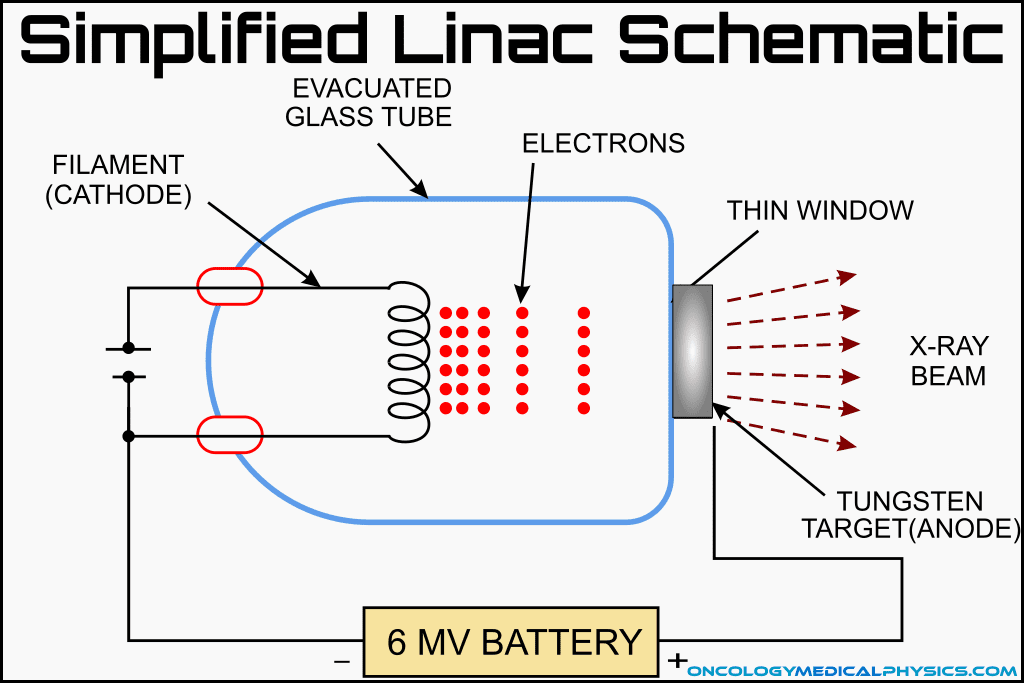
The acceleration chamber is a series of copper cells held under a deep vacuum. As the RF waves enter these cells, they create oscillating electromagnetic fields. When electrons are injected into the chamber (usually from an electron gun), they “surf” on these waves. By carefully timing the pulses, the LINAC ensures that the electrons are constantly pushed forward by the electric field, gaining kinetic energy with every millimeter they travel. The material science involved here is rigorous; the copper must be incredibly pure and machined to sub-millimeter tolerances to ensure the electromagnetic fields behave predictably.
The Bending Magnet and Treatment Head
In a medical LINAC, the accelerated electrons often need to be redirected. Because the acceleration tube can be several feet long, it is often mounted horizontally or at an angle. A series of “bending magnets” uses magnetic fields to curve the path of the electrons 90 or 270 degrees toward the target. If the goal is to produce X-rays, the electrons strike a high-density target (like tungsten), creating high-energy photons through a process known as Bremsstrahlung. The precision of this magnetic steering is controlled by sophisticated feedback loops that monitor the beam’s position thousands of times per second.
Clinical Applications: Revolutionizing Modern Oncology
The most widespread application of LINAC technology is in the field of radiation oncology. In this context, the LINAC is a sophisticated delivery system designed to destroy cancerous cells while sparing healthy tissue. This is where hardware meets hyper-specific clinical tech.
Intensity-Modulated Radiation Therapy (IMRT)
One of the most significant tech leaps in LINAC history is the development of the Multi-Leaf Collimator (MLC). An MLC consists of dozens of individual tungsten “leaves” or slats that can move independently. Controlled by complex algorithms, these leaves shape the radiation beam to match the 3D contour of a tumor. This allows for IMRT, where the intensity of the beam can be varied across the treatment field, ensuring the “dose” is concentrated exactly where it is needed.
Stereotactic Radiosurgery (SRS) and SBRT
With the advent of more stable mechanical gantries and better robotic controls, LINACs can now perform Stereotactic Radiosurgery. This tech allows for the delivery of a massive, highly concentrated dose of radiation to a very small area, often in a single session. The mechanical accuracy required for this is staggering—modern LINACs can maintain a “mechanical isocenter” (the point where the beam rotates) with a precision of less than 0.5 millimeters.
Image-Guided Radiation Therapy (IGRT)
A modern LINAC is no longer just an accelerator; it is a diagnostic imaging suite. Most systems now feature “On-Board Imaging” (OBI), which includes X-ray panels and Cone-Beam CT (CBCT) scanners. Before a treatment begins, the machine takes a 3D scan of the patient to ensure they are positioned perfectly. The software then compares this “live” scan with the original treatment plan, making real-time adjustments for even the slightest movements, such as a patient’s breathing or digestion.
The Digital Brain: Software and AI Integration
The hardware of a LINAC is impressive, but its true power is unlocked by the software ecosystem that governs it. We are currently witnessing a digital transformation in how these machines are operated, shifting from manual calibration to AI-driven automation.
Real-Time Imaging and Motion Tracking
One of the greatest challenges in particle therapy is “motion management.” Tumors in the lungs or abdomen move as a patient breathes. Modern tech solves this through “gating” software. The LINAC is synced with infrared cameras or electromagnetic sensors that track the patient’s chest movement. The beam is programmed to fire only when the tumor enters a specific “window” of the respiratory cycle. This requires high-speed data processing and low-latency communication between the sensors and the accelerator’s control system.
Machine Learning in Treatment Planning
The process of deciding exactly how to fire the LINAC—from which angles and at what intensities—is called treatment planning. Historically, this took hours of work by medical physicists. Today, AI and machine learning tools are being used to automate this process. By analyzing thousands of previous successful cases, AI can suggest an “optimal” plan in minutes. This tech not only increases efficiency but also uncovers beam angles and configurations that a human planner might never have considered.
Cybersecurity in Medical Device Networks
As LINACs become more connected, they become part of the Internet of Medical Things (IoMT). This connectivity allows for remote diagnostics and software updates from the manufacturer. However, it also introduces the need for robust digital security. Modern LINAC installations require sophisticated firewalls and encrypted data pipelines to protect patient health information (PHI) and to ensure that the machine’s control systems cannot be compromised. The intersection of cybersecurity and medical tech is now a primary focus for engineers designing the next generation of accelerators.
Beyond the Hospital: Industrial and Research Frontiers
While the medical world is the most visible home for the LINAC, the technology’s footprint extends far into industrial applications and fundamental scientific research.
High-Energy Physics and Discovery
The LINAC is the foundational technology for some of the world’s most ambitious physics experiments. The Stanford Linear Accelerator Center (SLAC), for example, houses a two-mile-long LINAC. This massive tech installation allows scientists to probe the subatomic world, leading to the discovery of new particles and a better understanding of the fundamental forces of the universe. In these settings, the tech is pushed to its absolute limits, utilizing superconducting cavities cooled to near absolute zero to achieve even higher acceleration gradients.
Industrial Non-Destructive Testing (NDT)
In the aerospace and automotive industries, LINACs are used as high-powered “industrial X-ray” machines. When a company builds a jet engine or a massive structural component for a bridge, they need to ensure there are no microscopic cracks or flaws inside the metal. A portable LINAC can generate X-rays powerful enough to penetrate several inches of solid steel, providing a digital map of the internal structure without damaging the part. This is a crucial tech application for safety and quality control in heavy engineering.
Future Trends: FLASH Radiotherapy
The next “frontier” in LINAC tech is a concept known as FLASH radiotherapy. Current treatments take several minutes. FLASH technology aims to deliver the entire radiation dose in less than a second—at ultra-high dose rates. This requires a radical redesign of the LINAC’s power systems and electron sources. Early research suggests that FLASH delivery might significantly reduce side effects by being so fast that healthy tissue doesn’t have time to react to the radiation in the same way cancerous cells do.

Conclusion: The Precision of Progress
The LINAC is a testament to the power of specialized technology. It combines the brute force of electromagnetic fields with the delicate precision of AI-driven software. Whether it is being used to treat a patient, inspect a rocket engine, or unlock the secrets of the atom, the linear accelerator remains one of our most versatile and vital tools.
As we look toward the future, the trend is clear: LINACs will become smaller, smarter, and more integrated. The “miniaturization” of this tech is already leading to portable units for use in remote areas, while AI continues to refine the accuracy of the beam to a degree that was unimaginable a decade ago. In the world of high-tech, the LINAC is not just a machine; it is a gateway to a safer, more scientifically advanced future.
aViewFromTheCave is a participant in the Amazon Services LLC Associates Program, an affiliate advertising program designed to provide a means for sites to earn advertising fees by advertising and linking to Amazon.com. Amazon, the Amazon logo, AmazonSupply, and the AmazonSupply logo are trademarks of Amazon.com, Inc. or its affiliates. As an Amazon Associate we earn affiliate commissions from qualifying purchases.