
When discussing high-earning potential in the healthcare sector, the conversation often centers on surgeons or specialized physicians. However, one of the most financially rewarding and strategically sound career paths in the modern medical landscape is that of the Certified Registered Nurse Anesthetist (CRNA). While the clinical definition of a CRNA involves the administration of anesthesia and the management of patient recovery, the “Money” perspective reveals a profession that offers an unparalleled Return on Investment (ROI), significant wealth-building opportunities, and a unique form of career capital.

For those evaluating the medical field through a lens of personal finance and business strategy, understanding the CRNA role is essential. It represents a “sweet spot” in the professional world: a role with high barriers to entry that yield high-six-figure salaries without the decade-long residency requirements of traditional medical doctorates.
The ROI of the CRNA Path: Assessing the Initial Investment
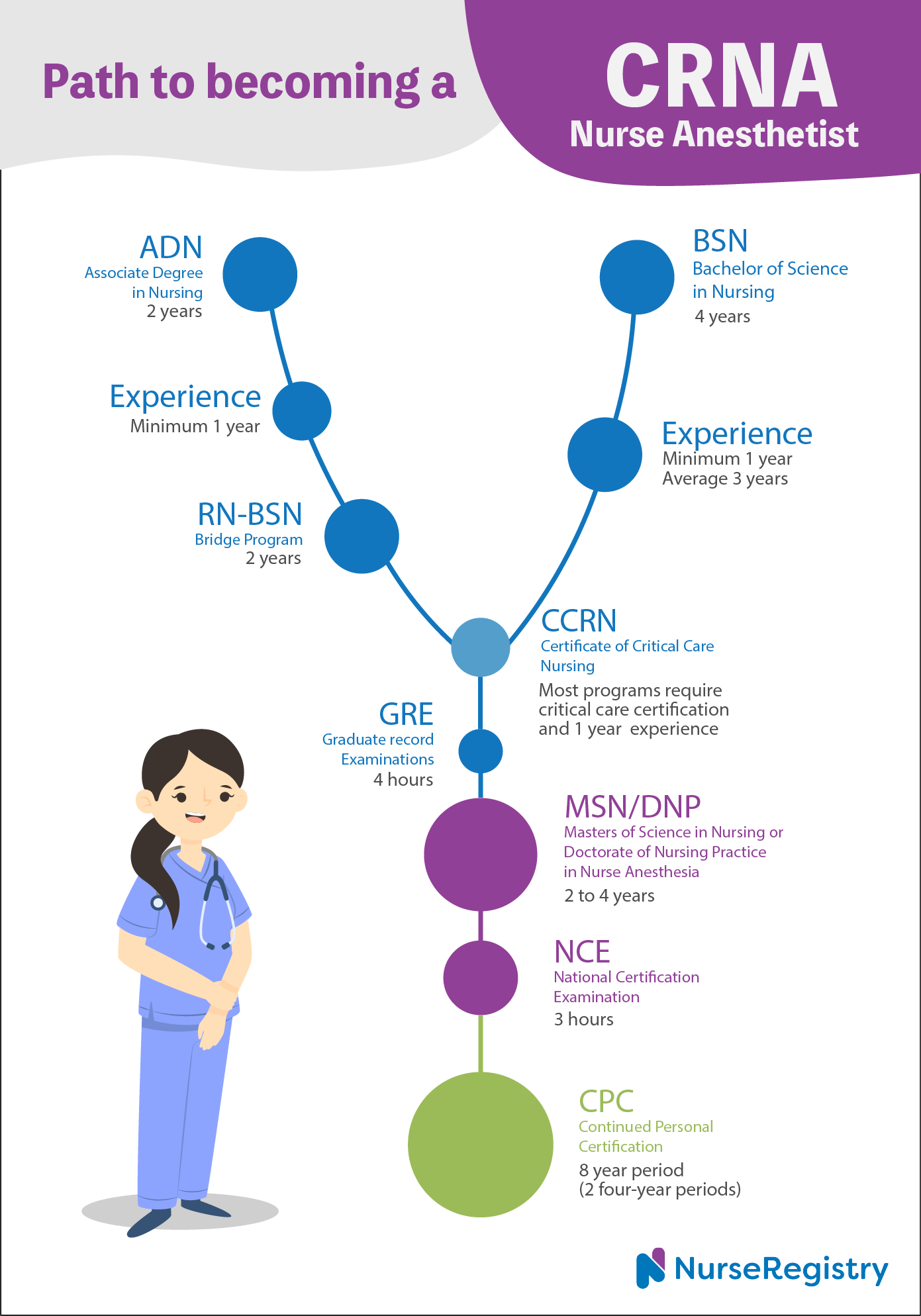
To understand the financial profile of a CRNA, one must first look at the “capital expenditure” phase—the education and experience required to enter the field. Unlike many professions where a degree leads directly to a paycheck, the path to becoming a CRNA is a multi-stage investment.
The Educational Capital Outlay
As of 2022, all new CRNAs must graduate with a doctoral degree (Doctor of Nursing Practice or Doctor of Nurse Anesthesia Practice). This involves three years of intensive, full-time study. From a financial standpoint, the cost of tuition for these programs can range from $60,000 to over $200,000. When analyzing this as a business investment, one must factor in the “opportunity cost.” Most CRNA programs are so rigorous that working even a part-time job is impossible. This means forgoing three years of a Registered Nurse (RN) salary, which could equate to $210,000 to $300,000 in lost gross income.
Debt-to-Income Ratio Analysis
Despite the high upfront cost and the period of lost wages, the debt-to-income ratio for a CRNA remains one of the most favorable in healthcare. If a student takes on $150,000 in debt but enters a field with a starting salary of $180,000 to $210,000, their “Payback Period” is remarkably short compared to a pediatrician or a family medicine doctor, who may carry $300,000 in debt for a similar starting salary. From a financial planning perspective, the CRNA path is a high-leverage move: it uses a relatively short period of specialized training to unlock a massive increase in lifetime earning power.
Clinical Experience as a Barrier to Entry
Financial “moats” protect high-paying jobs. For CRNAs, the moat is the requirement for at least one to two years of high-acuity ICU experience before even applying to a program. This serves as a quality control mechanism that ensures only the most skilled practitioners enter the field, thereby keeping the supply of CRNAs low and the market demand—and compensation—high.
Salary Trajectories and Income Potential in the Modern Market
Once the investment phase is complete, the CRNA enters a market characterized by extreme scarcity and high demand. In the world of personal finance, your “Human Capital” is your greatest asset, and a CRNA license is one of the most valuable forms of human capital available today.
Baseline Compensation and Geographic Arbitrage
The average salary for a CRNA in the United States consistently ranks among the top of all nursing specialties, often exceeding the $200,000 mark. However, the true financial insight lies in geographic arbitrage. In states with high demand and lower costs of living—such as parts of the Midwest or the South—CRNAs can command salaries that far outpace the local cost of living. This creates a massive “savings gap,” allowing for aggressive investing and early financial independence.
The Power of Locum Tenens
For the financially savvy CRNA, the traditional W-2 employee model is just one option. The “Locum Tenens” (temporary staffing) market offers a significant boost in income. Locum CRNAs can earn hourly rates ranging from $150 to $250 or more. By operating as an independent contractor, a CRNA can effectively run themselves as a business, traveling to high-need areas where hospitals are willing to pay a premium for their expertise. This “side hustle” or full-time alternative can push annual earnings toward the $300,000–$400,000 range.
Benefits and Total Compensation Packages
When evaluating a CRNA position from a business finance perspective, one must look beyond the base salary. Many hospital systems offer lucrative sign-on bonuses (often $20,000 to $50,000), student loan repayment programs, and robust retirement matching. For a professional looking to maximize their net worth, these “hidden” financial benefits can accelerate the path to wealth by tens of thousands of dollars per year.
Wealth Management and Financial Strategy for High-Earning Clinicians
Earning a high income is only half the battle; the other half is managing that cash flow to build long-term wealth. Because CRNAs enter the high-earning bracket relatively quickly, they face unique financial challenges and opportunities.
Navigating the “Lifestyle Creep” Trap
The most significant threat to a CRNA’s financial health is “lifestyle creep”—the tendency to increase spending as income rises. Moving from an RN salary of $80,000 to a CRNA salary of $200,000 provides a massive surplus. Financial experts often advise new CRNAs to “live like a resident” or “live like an RN” for the first three to five years. By maintaining their previous standard of living, they can eliminate student debt and build a robust investment portfolio before their expenses naturally rise with family or homeownership.
Tax Optimization and Business Structures
For CRNAs working as 1099 independent contractors, tax strategy becomes a primary driver of net wealth. By forming an S-Corporation or a Limited Liability Company (LLC), a CRNA can optimize their tax burden. They can deduct business expenses—such as continuing education, travel, and health insurance—and utilize specialized retirement vehicles like the Solo 401(k) or Simplified Employee Pension (SEP) IRA. These tools allow for much higher contribution limits than a standard employer-sponsored 401(k), shielding a larger portion of their income from taxes.
Investment Vehicles and Diversification
With a high disposable income, CRNAs are well-positioned for aggressive investing. Diversifying into low-cost index funds, real estate syndications, or even private equity can turn a high salary into a self-sustaining fortune. Because the CRNA profession is physically demanding and involves high stakes, building “passive income” through investments acts as an insurance policy against burnout or the inability to work clinically in later years.
Entrepreneurship and “Side Hustles”: Expanding the CRNA Revenue Model
The financial journey of a CRNA does not have to end at the hospital bedside. The clinical expertise gained in anesthesia provides a foundation for several entrepreneurial ventures that can further diversify income streams.
The Business of Pain Management and Med-Spas
CRNAs possess the advanced skills required for needle placement and medication management, making them ideal candidates for the burgeoning aesthetics industry. Many CRNAs have transitioned into the “Med-Spa” business, either as owners or lead practitioners providing Botox, fillers, and IV hydration therapy. These cash-based businesses allow CRNAs to move away from the constraints of insurance reimbursements and hospital bureaucracy, tapping into a high-margin retail health market.
Consulting and Expert Witness Work
In the legal and corporate worlds, the specialized knowledge of a CRNA is a commodity. CRNAs can serve as legal nurse consultants or expert witnesses in medical malpractice cases. This work often pays several hundred dollars per hour and can be done on a flexible schedule. Furthermore, CRNAs with a bent toward technology can consult for medical device companies or software startups looking to integrate AI into anesthesia delivery and patient monitoring.
Education and Content Creation
As the demand for CRNA education grows, there is a secondary market for coaching, test prep, and career consulting. CRNAs who have mastered the financial or clinical aspects of the role can create digital products, courses, or membership sites to help the next generation of nurses navigate the transition. This leverages the “create once, sell many times” model of online income, providing a scalable revenue stream that isn’t tied to clinical hours.

Conclusion: The Ultimate Career for Financial Stability
In conclusion, a CRNA in the medical field is more than just a provider of anesthesia; they are a high-value asset in the healthcare economy. From a money-centric perspective, the CRNA path offers a rare combination of high income, job security, and versatile financial opportunities.
While the initial investment in education and the rigor of the work are significant, the financial rewards—when managed with discipline and strategy—can lead to a level of wealth and professional autonomy that few other careers can match. For the individual looking to maximize their earning power while providing a vital service to society, the CRNA role stands as one of the most strategic financial decisions one can make in the professional world.
aViewFromTheCave is a participant in the Amazon Services LLC Associates Program, an affiliate advertising program designed to provide a means for sites to earn advertising fees by advertising and linking to Amazon.com. Amazon, the Amazon logo, AmazonSupply, and the AmazonSupply logo are trademarks of Amazon.com, Inc. or its affiliates. As an Amazon Associate we earn affiliate commissions from qualifying purchases.