
In the world of business finance and corporate compliance, certain documents act as the “passport” for your company’s journey. Among the most critical of these is the Letter of Good Standing. Often referred to officially as a “Certificate of Existence” or “Certificate of Status,” this document is the primary evidence that a business entity is legally registered and authorized to conduct business in its home state. For entrepreneurs, investors, and finance professionals, understanding the weight of this document is essential for maintaining a healthy, scalable business.
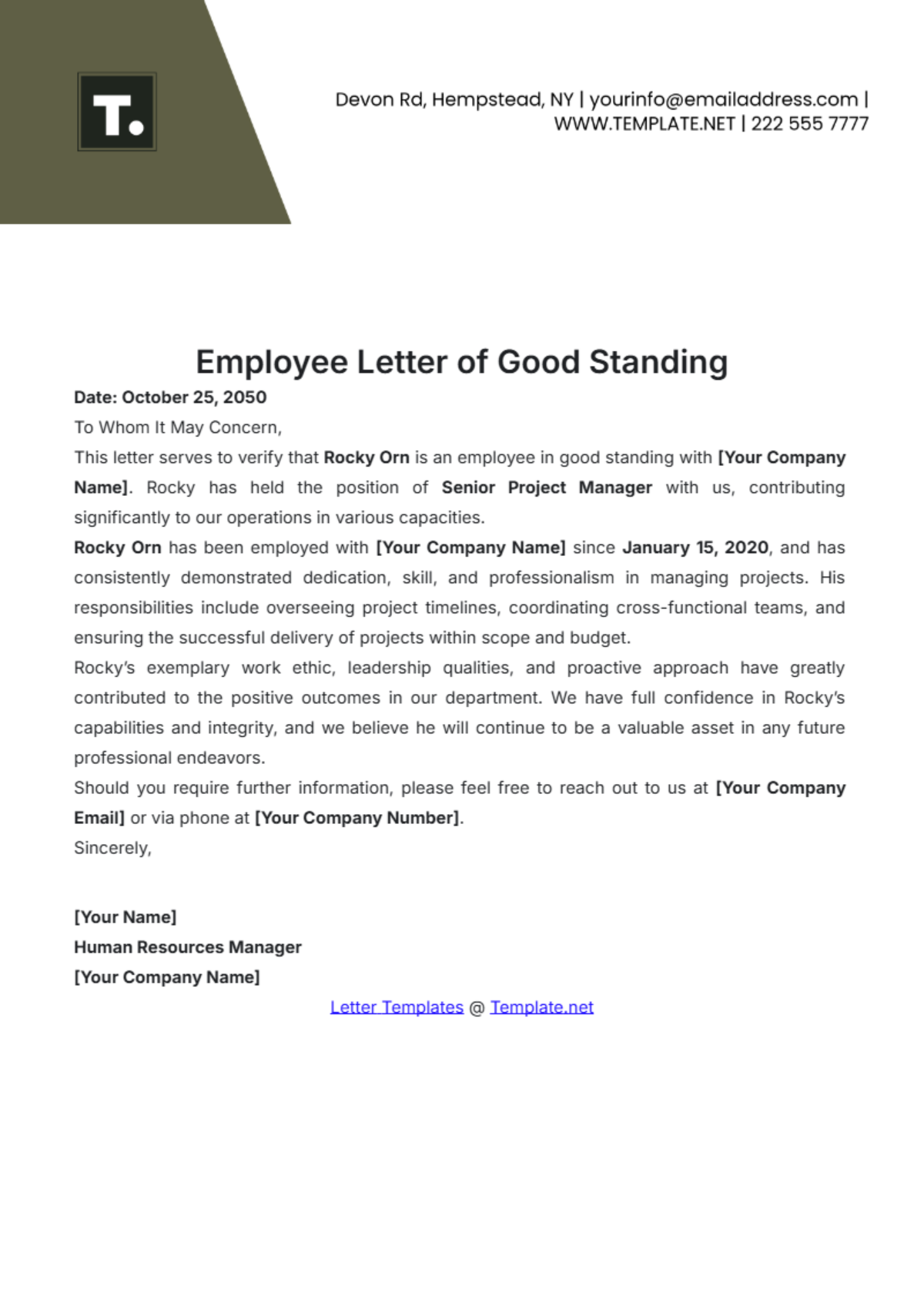
A Letter of Good Standing is more than just a formality; it is a testament to a company’s financial and administrative hygiene. It proves that the entity has filed all necessary reports and paid the required taxes to the state government. Without it, a business can find itself locked out of essential financial opportunities, from securing a commercial loan to expanding into new markets.
Understanding the Essence of a Letter of Good Standing
To navigate the complexities of business finance, one must first understand what a Letter of Good Standing represents at its core. It is a snapshot of a company’s compliance status at a specific point in time, issued by the Secretary of State or a similar regulatory body.
Legal Definition and Primary Purpose
A Letter of Good Standing is an official document that confirms a business entity—such as an LLC, Corporation, or Limited Partnership—is in compliance with state regulations. “In compliance” generally means the business is up to date with its annual report filings and has paid all state-mandated fees and franchise taxes.
While the document doesn’t speak to the internal profitability or moral character of the business owners, it serves as a “clean bill of health” from the state’s perspective. It tells the world that the entity is active, legitimate, and has not been dissolved or suspended due to negligence.
When and Why Businesses Need One
The need for a Letter of Good Standing often arises during “high-stakes” moments in a company’s lifecycle. Most commonly, third parties require this document to mitigate risk.
- Banking and Lending: When applying for a business line of credit or a commercial mortgage, banks require a Letter of Good Standing to ensure they are lending to a valid, legally compliant entity.
- Contracts and Partnerships: Large corporations or government agencies often require potential vendors to provide this certificate as part of their due diligence process.
- Licensing: Many professional licenses require proof of good standing before they can be issued or renewed.
The Financial Implications of Maintaining Good Standing
In the “Money” niche, the Letter of Good Standing is viewed through the lens of capital and growth. It is a foundational requirement for any business that seeks to move beyond a simple cash-in-hand operation and into the realm of professional finance.
Accessing Capital and Business Loans
For most businesses, growth is fueled by external capital. Whether you are approaching a traditional bank, an SBA (Small Business Administration) lender, or a private equity firm, your financial “readiness” will be scrutinized. A Letter of Good Standing is often one of the first items on a lender’s checklist.
From a lender’s perspective, a business that is not in good standing represents a massive liability. If a company is dissolved by the state for failing to pay taxes or file reports, it loses its legal protections, and its ability to enter into binding contracts may be called into question. Lenders will not risk capital on an entity that might technically not exist in the eyes of the law. Therefore, maintaining good standing is a prerequisite for liquidity.
Expanding Across State Lines (Foreign Qualification)
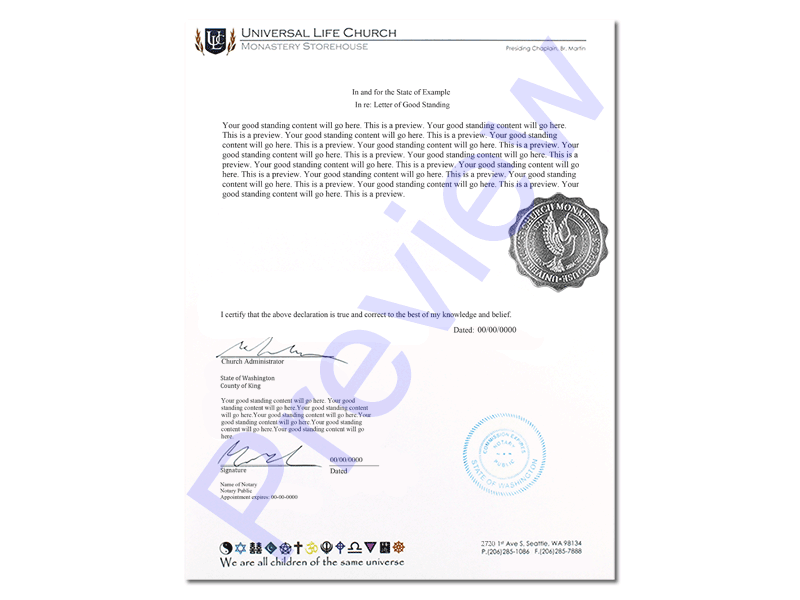
As a business grows, it may seek to operate in states other than the one in which it was originally incorporated. This process is known as “Foreign Qualification.” To register your business in a new state, the new state’s Secretary of State will almost always require a Letter of Good Standing from your home state.
This is a critical step for “Money” focused strategies like scaling a side hustle into a national brand or expanding an e-commerce operation into physical warehouses in different regions. Without the certificate, your expansion efforts will grind to a halt, potentially costing the business thousands in lost revenue and legal delays.
How to Obtain and Maintain Your Certificate
The process of securing a Letter of Good Standing is relatively straightforward, but it requires meticulous attention to detail and a proactive approach to business administration.
The Application Process via the Secretary of State
To obtain the document, you typically visit the website of the Secretary of State where your business is registered. Most states now offer an online portal where you can request the certificate for a nominal fee, usually ranging from $10 to $50.
The state will conduct an automated check of your records. If you are caught up on your annual reports and have no outstanding tax liabilities, the certificate is usually generated instantly or mailed within a few business days. It is important to note that these certificates have an “expiration date” in the eyes of many institutions; most banks require a letter that is no older than 30 to 60 days to ensure the information is current.
Common Reasons for Losing “Good Standing” Status
A business can fall out of good standing surprisingly easily, often due to administrative oversight rather than intentional wrongdoing. The most common culprits include:
- Failure to File Annual Reports: Most states require a yearly or biennial update on the business’s address and officers.
- Unpaid Franchise Taxes: Some states levy a tax simply for the privilege of doing business there. Even if the business isn’t profitable, this tax must be paid.
- Failure to Maintain a Registered Agent: Every formal business entity must have a registered agent to receive legal documents. If your agent resigns and you don’t appoint a new one, the state can revoke your good standing.
Losing good standing can lead to “administrative dissolution,” where the state effectively “kills” your business entity. The financial consequences are severe: you lose your limited liability protection, meaning your personal assets could be at risk for business debts.
Good Standing as a Tool for Business Trust and Credibility
Beyond the legal and financial requirements, a Letter of Good Standing functions as a badge of professional credibility. In a marketplace where digital fraud and “fly-by-night” operations are common, being able to prove your legitimacy is a competitive advantage.
Due Diligence in Mergers and Acquisitions
If you ever plan to sell your business or merge with another company, the Letter of Good Standing becomes a central piece of the “due diligence” phase. Buyers want to ensure they are not inheriting a mess of back taxes and legal non-compliance. A clean record of good standing over the life of the business suggests a disciplined management team and a lower-risk investment. It can even impact the valuation of the company; a business with messy compliance records may be seen as a “fixer-upper,” leading to a lower purchase price.
Building Relationships with Vendors and Partners
High-level business partnerships are built on trust. When negotiating a major supply contract or a joint venture, your potential partners will likely run a check on your business. A “Certificate of Status” serves as an independent verification that your company is a stable and reliable entity. It signals to vendors that you are an established player who understands the rules of the game. In the world of business finance, this “soft” value can lead to better credit terms with suppliers, which improves your company’s overall cash flow and financial health.
Conclusion: The Backbone of Business Health
The Letter of Good Standing may seem like a mere piece of paper, but in the context of business finance and corporate strategy, it is the backbone of a healthy organization. It bridges the gap between a business idea and a legitimate, bankable financial entity.
By prioritizing compliance—filing reports on time, paying state taxes, and keeping your records current—you are doing more than just following the law; you are protecting your access to capital, enabling your expansion, and building a foundation of trust with the financial world. Whether you are a solo entrepreneur with a growing side hustle or a seasoned CEO of a major corporation, the Letter of Good Standing is a document you cannot afford to ignore. It is the ultimate proof that your business is not just active, but ready for whatever financial opportunity comes next.
aViewFromTheCave is a participant in the Amazon Services LLC Associates Program, an affiliate advertising program designed to provide a means for sites to earn advertising fees by advertising and linking to Amazon.com. Amazon, the Amazon logo, AmazonSupply, and the AmazonSupply logo are trademarks of Amazon.com, Inc. or its affiliates. As an Amazon Associate we earn affiliate commissions from qualifying purchases.