
In the intricate ecosystem of commerce, few concepts are as fundamental yet multifaceted as the “lead.” Far from a mere contact, a lead represents the very lifeblood of a business – a potential customer expressing interest in a company’s products or services. Without a steady stream of qualified leads, even the most innovative technologies, the strongest brands, and the soundest financial strategies would eventually falter. Understanding what a lead is, how to identify one, and how to nurture it, is not just a marketing imperative; it’s a strategic cornerstone for sustainable growth in today’s dynamic marketplace.
Defining the Lead: More Than Just a Name
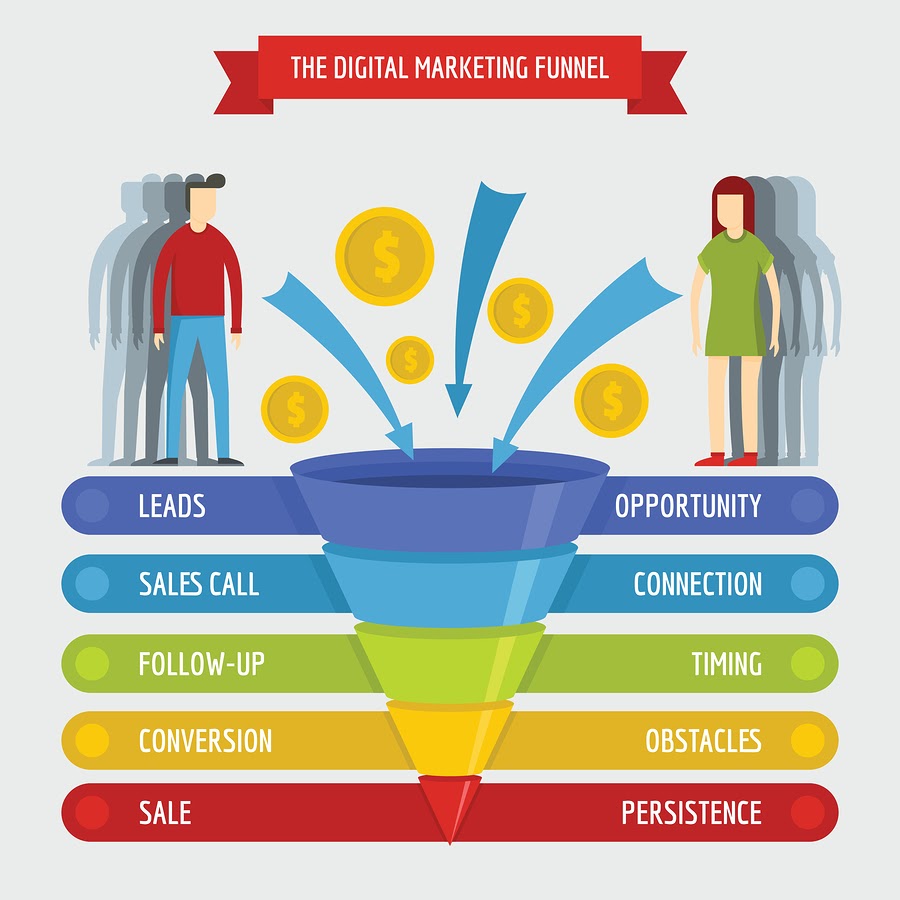
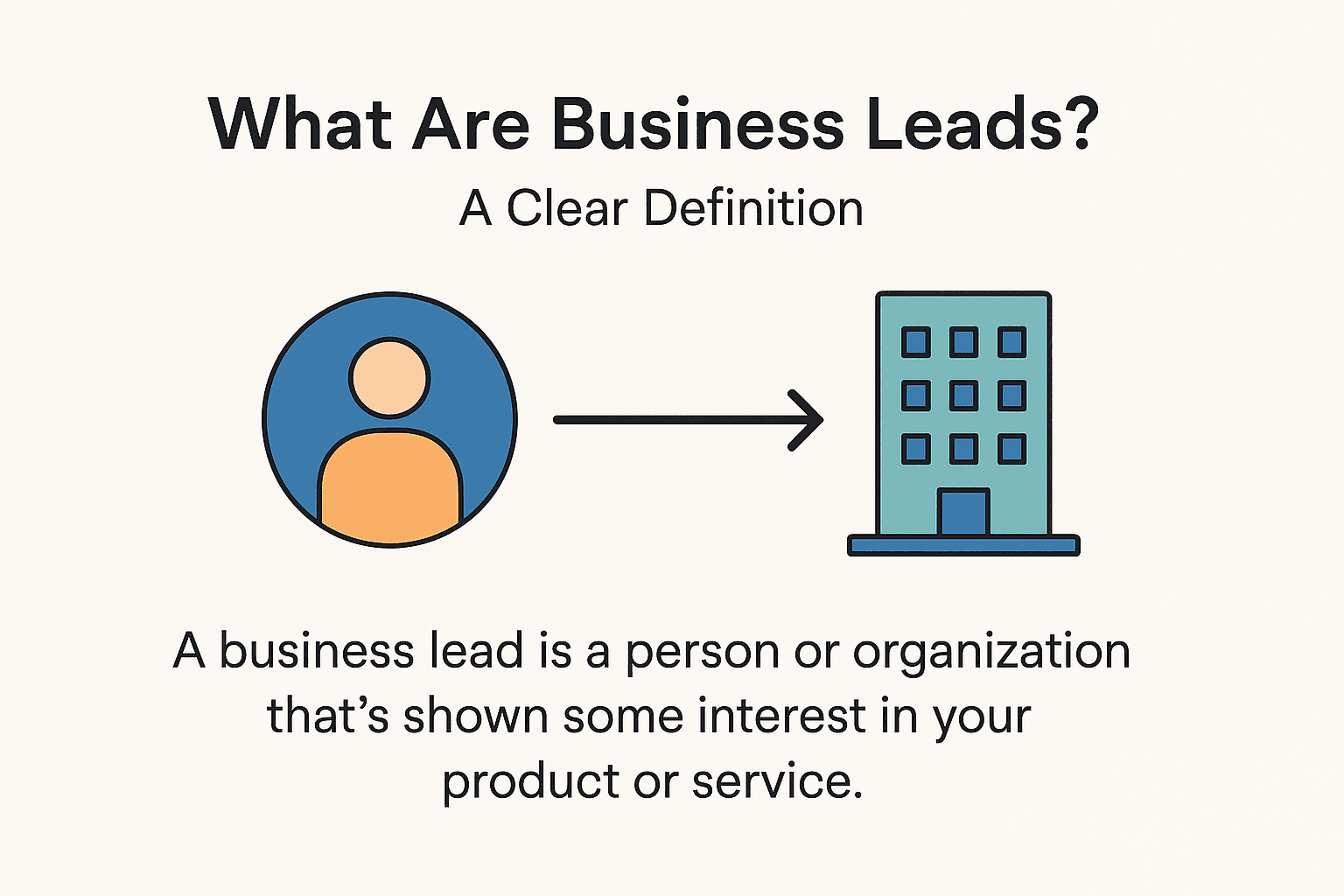
At its core, a lead is an individual or organization that has shown some level of interest in your company’s offerings. This interest can manifest in various ways, from a casual inquiry to a direct request for information or a demo. The crucial distinction between a lead and a random contact is this expressed interest, however nascent. It signifies a potential for a future business relationship, moving them beyond the general populace and into your potential customer pool.
The Core Concept: Interest and Potential
The essence of a lead lies in their potential. They are not yet a customer, but they have taken a step – big or small – that indicates they might become one. This could be downloading an e-book, signing up for a newsletter, attending a webinar, filling out a contact form, or even interacting with your brand on social media. Each action signals a degree of curiosity or a problem they are trying to solve, which your business might address. Recognizing this potential allows businesses to focus their resources, tailoring communication and engagement efforts to individuals who have already raised their hand.
Understanding Lead Types: From MQL to SQL
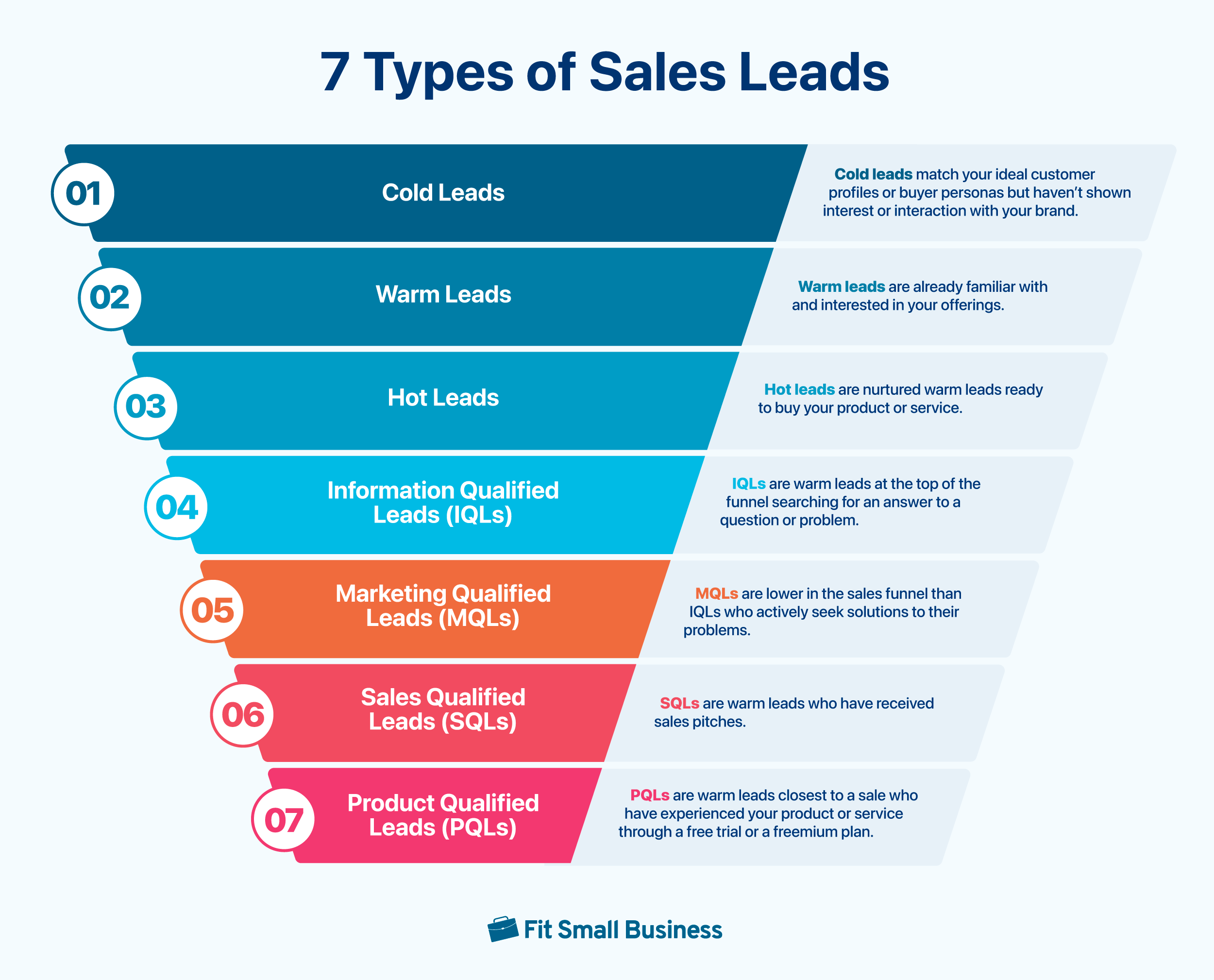
Not all leads are created equal. To optimize the sales and marketing process, businesses categorize leads based on their level of interest, engagement, and alignment with the ideal customer profile. This categorization helps prioritize efforts and ensure that the right message reaches the right person at the right time.
- Marketing Qualified Lead (MQL): An MQL is a lead that marketing teams have identified as more likely to become a customer compared to other leads, based on their engagement with marketing content and their demographic information. For example, someone who repeatedly visits product pages, downloads a high-value whitepaper, or engages deeply with an email campaign. Marketing typically passes MQLs to the sales team for further qualification.
- Sales Accepted Lead (SAL): Once an MQL is passed to sales, if the sales team agrees that the lead fits the target criteria and is worth pursuing, it becomes an SAL. This indicates alignment between marketing and sales.
- Sales Qualified Lead (SQL): An SQL is a lead that the sales team has thoroughly vetted and determined to be a strong candidate for a sale. This usually involves direct communication, identifying a clear need, understanding their budget, authority, need, and timeline (BANT criteria), and confirming their readiness to evaluate a solution. SQLs are actively engaged in the sales process and are the closest to becoming customers.
Beyond these common acronyms, leads can also be categorized by their source (e.g., organic, referral, paid), their demographic fit, or their behavioral patterns. The goal of this segmentation is to streamline the sales funnel, ensuring that valuable sales resources are spent on the most promising prospects.
The Strategic Imperative: Why Leads Matter for Growth
Leads are not just a nice-to-have; they are the fundamental input without which no business can survive or grow. They represent the active pursuit of new revenue, the expansion of market reach, and the continuous reinforcement of a company’s future viability.
Fueling the Sales Pipeline and Revenue Generation
Think of a business as an engine, and leads as the fuel. A consistent and high-quality flow of leads is essential to keep the sales pipeline full, preventing revenue stagnation. Without new leads, existing customers might churn, or market saturation could occur, leading to a decline in sales. Each lead represents an opportunity to convert interest into income. By converting leads into paying customers, businesses generate revenue, cover operational costs, and create profit, which can then be reinvested into further growth, innovation, and improved customer experiences. The entire trajectory of a business’s financial health is inextricably linked to its ability to generate, qualify, and convert leads.
Building Brand Equity and Market Share
Beyond immediate sales, leads play a crucial role in building long-term brand equity and expanding market share. Every interaction with a potential lead, even if it doesn’t immediately result in a sale, is an opportunity to educate them about your brand, showcase your values, and establish your expertise. A well-executed lead generation and nurturing strategy not only attracts customers but also positions your brand as a thought leader and a trusted resource within your industry. As more people engage with your content and offerings, your brand’s visibility and reputation grow, attracting even more leads organically over time. This virtuous cycle strengthens your brand’s position against competitors and allows you to capture a larger segment of the market.
The Art and Science of Lead Generation (Integrating Tech, Brand, Money)
Generating leads is a sophisticated process that blends creativity with data-driven strategies. In the modern business landscape, it heavily relies on technology, strengthens a company’s brand, and requires judicious financial investment and oversight.
Leveraging Technology for Outreach and Discovery
Technology is the undisputed backbone of modern lead generation. It provides the tools and platforms necessary to identify, attract, and capture information from potential leads at scale.
- SEO & SEM: Search Engine Optimization (SEO) helps your website rank higher in organic search results, attracting leads who are actively searching for solutions your business provides. Search Engine Marketing (SEM), primarily through paid ads (like Google Ads), puts your offerings directly in front of highly motivated searchers, yielding immediate visibility and lead capture opportunities.
- Social Media Marketing: Platforms like LinkedIn, Facebook, Instagram, and Twitter offer powerful tools for targeted advertising, community building, and content distribution. Businesses can generate leads by running campaigns, hosting live events, or simply by engaging with their audience and positioning themselves as experts.
- Content Marketing: Blogs, articles, whitepapers, e-books, infographics, and videos serve as valuable assets that attract leads by providing solutions, insights, or entertainment. When prospects download or consume this content, they often exchange their contact information, becoming a lead.
- Email Marketing: Building an email list through various opt-in methods allows businesses to nurture leads directly. Automated email sequences can educate, build trust, and guide prospects through the sales funnel.
- AI & Automation: Advanced AI tools can analyze vast amounts of data to identify ideal customer profiles, predict lead behavior, and even automate personalized outreach. Marketing automation platforms manage email campaigns, lead scoring, and content delivery, ensuring timely and relevant communication without manual intervention, thereby significantly increasing efficiency and the quality of leads. Customer Relationship Management (CRM) systems are central to this, acting as the single source of truth for all lead data, interactions, and progress through the funnel.
Cultivating Your Brand as a Lead Magnet
While technology provides the channels, a strong brand is what truly attracts and converts leads. Your brand is your promise, your identity, and your reputation, all of which play a pivotal role in making leads choose to engage with you.
- Reputation and Trust: In an era of abundant choices, trust is paramount. A strong brand reputation, built on consistent quality, excellent customer service, and ethical practices, acts as a powerful lead magnet. Positive reviews, testimonials, and word-of-mouth referrals are invaluable, as they carry the weight of social proof, encouraging new prospects to trust your business.
- Thought Leadership and Expertise: Positioning your brand as an authority in your industry through high-quality, insightful content and active participation in industry discussions can attract highly qualified leads. People are drawn to businesses that demonstrate deep understanding and can offer genuine solutions, rather than just products.
- Consistent Brand Messaging and Experience: Every touchpoint a potential lead has with your business – from your website to your social media posts to your customer support – should reflect a consistent brand identity and message. This coherence builds familiarity and confidence, making leads more comfortable sharing their information and progressing further down the funnel.
Optimizing Your Investment for Lead Acquisition (Money Perspective)
Lead generation, especially when leveraging advanced technology and brand-building efforts, requires financial investment. Smart businesses approach this with a clear focus on return on investment (ROI).
- Strategic Budgeting: It’s crucial to allocate marketing budgets effectively across different channels, balancing organic growth strategies with paid advertising. Understanding the cost per lead (CPL) for various channels helps in optimizing spend, directing resources to the most efficient and effective methods.
- ROI Analysis: Regularly analyzing the return on investment for lead generation campaigns is essential. This involves tracking how many leads are generated from a specific campaign, how many convert into customers, and what revenue those customers bring. This data-driven approach allows businesses to refine their strategies, discontinue underperforming campaigns, and scale successful ones.
- Cost Efficiency and Value: The goal isn’t just to generate leads, but to generate qualified leads efficiently. Investing in CRM and marketing automation software might have an upfront cost, but the long-term savings in manual effort and the increased conversion rates often justify the expense. Focusing on the lifetime value (LTV) of a customer derived from a lead helps to understand the true financial impact of lead acquisition.
Nurturing and Qualifying: Turning Interest into Opportunity
Generating leads is only half the battle. The real value is unlocked through effective nurturing and rigorous qualification – processes that transform initial interest into committed customers. This stage also heavily relies on technology, strengthens brand loyalty, and ensures financial resources are spent wisely.
The Power of Personalized Nurturing with Technology
Lead nurturing is the process of building relationships with potential customers by providing them with relevant and valuable content at each stage of their buying journey. Technology makes this personalization and consistency possible at scale.
- CRM Systems: A robust CRM system is indispensable for tracking every interaction with a lead, segmenting them based on their interests and behaviors, and managing the communication flow. This ensures that sales and marketing teams have a holistic view of each lead’s journey.
- Marketing Automation Platforms: These tools allow businesses to create automated workflows that deliver personalized content – emails, blog posts, product recommendations – based on a lead’s actions, demographic data, or stage in the sales funnel. This ensures that leads receive relevant information when they need it most, without requiring constant manual oversight.
- Personalization at Scale: Modern tech allows for highly personalized communication. From dynamic content on websites to customized email sequences and retargeting ads, technology helps maintain a one-on-one feel, making leads feel understood and valued, which significantly increases the likelihood of conversion.
The Brand’s Role in Building Trust and Authority
Nurturing is fundamentally about building trust and demonstrating value. Your brand’s voice, consistency, and perceived authority are critical during this phase.
- Consistent Messaging: As leads move through the nurturing process, it’s vital that the brand’s message remains consistent. This reinforces the initial impression and builds confidence. Any disconnect can erode trust.
- Value Provision: Nurturing is not about hard selling; it’s about providing value. Sharing educational content, industry insights, customer success stories, or solutions to common problems demonstrates your brand’s commitment to helping, rather than just selling. This approach positions your brand as a trusted advisor.
- Human Connection: While technology automates, the human element of your brand still matters. Customer service interactions, personalized outreach from sales, or even the tone of your automated emails can convey warmth, empathy, and authenticity, strengthening the bond with the lead.
Smart Qualification: Maximizing Financial Returns
Qualifying leads is the process of determining which leads are most likely to become paying customers. This ensures that valuable sales resources are dedicated to prospects with the highest potential, thereby maximizing financial returns.
- Lead Scoring: This is a systematic approach to assigning points to leads based on their demographic information (e.g., job title, company size) and their engagement activities (e.g., website visits, email opens, content downloads). High-scoring leads are deemed “hot” and ready for sales engagement, while lower-scoring leads require more nurturing. AI and machine learning can enhance lead scoring by identifying subtle patterns and predictive indicators of conversion.
- Predictive Analytics: Leveraging data to predict which leads are most likely to convert allows businesses to focus their efforts where they will have the greatest impact. This minimizes wasted time on unlikely prospects and improves the efficiency of the sales team.
- Sales-Marketing Alignment: Effective lead qualification requires close collaboration between marketing and sales teams. Marketing needs to understand what constitutes a “sales-ready” lead, and sales needs to trust the quality of the leads marketing provides. Regular communication and shared goals are essential to optimize this critical handoff. By focusing on highly qualified leads, businesses reduce their customer acquisition cost and improve the overall profitability of their sales efforts.
Measuring Success and Adapting for the Future
The journey of a lead doesn’t end with a sale; it continues through retention and advocacy. Continual measurement and adaptation are vital for sustained success.
Key Performance Indicators (KPIs) and Analytics
To optimize lead management, businesses must track various KPIs, using technology to gather and analyze data. These include:
- Lead Volume: The total number of leads generated.
- Lead Quality: The percentage of leads that convert into MQLs, SQLs, and ultimately, customers.
- Conversion Rates: The percentage of leads that move from one stage of the funnel to the next.
- Cost Per Lead (CPL): The financial investment required to acquire a single lead.
- Customer Acquisition Cost (CAC): The total cost to acquire a new customer.
- Lead Velocity Rate: How quickly leads move through the sales pipeline.
Analytics tools, often integrated with CRM and marketing automation platforms, provide the dashboards and reports needed to monitor these KPIs in real-time.
Continuous Optimization in a Dynamic Landscape
The digital landscape is constantly evolving. New technologies emerge, consumer behaviors shift, and competitive pressures intensify. Therefore, lead generation and management strategies must be continuously reviewed and optimized. A/B testing different landing pages, email subject lines, or ad creatives can reveal what resonates best with your target audience. Analyzing conversion funnels helps identify bottlenecks. By embracing a culture of experimentation and data-driven decision-making, businesses can ensure their lead strategy remains agile, effective, and capable of delivering sustained growth.
Conclusion: The Enduring Value of a Well-Managed Lead Strategy
In essence, a lead in business is a beacon of future growth, a potential relationship waiting to be cultivated. From initial interest to a fully qualified opportunity, the journey of a lead is a testament to the integrated efforts of technology, brand strategy, and financial prudence. Modern businesses must not only understand what a lead is but also master the art and science of attracting, nurturing, and converting them. By leveraging cutting-edge technology, building an unshakeable brand, and making shrewd financial decisions, companies can ensure a vibrant stream of qualified leads, securing their place in the competitive marketplace and paving the way for enduring success.
aViewFromTheCave is a participant in the Amazon Services LLC Associates Program, an affiliate advertising program designed to provide a means for sites to earn advertising fees by advertising and linking to Amazon.com. Amazon, the Amazon logo, AmazonSupply, and the AmazonSupply logo are trademarks of Amazon.com, Inc. or its affiliates. As an Amazon Associate we earn affiliate commissions from qualifying purchases.