
The Fundamental Definition and Its Digital Interpretation
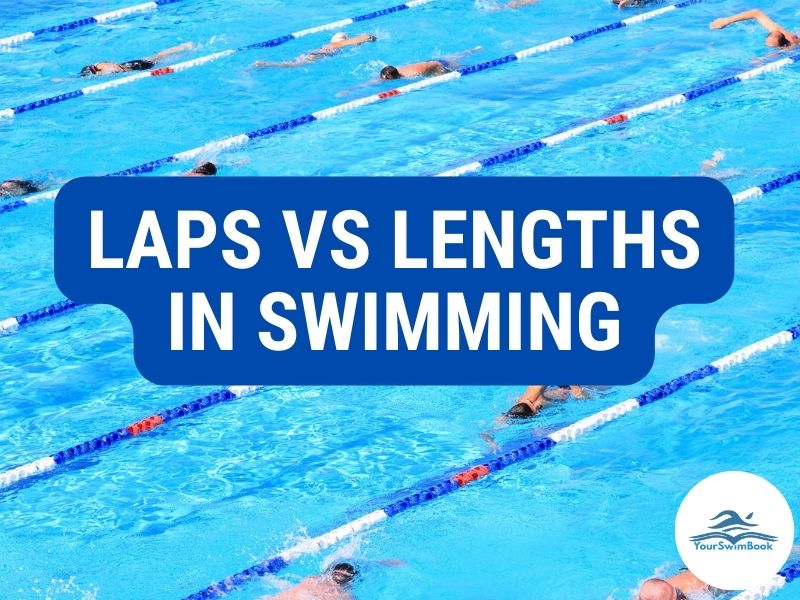
At its core, a “lap” in a swimming pool is a fundamental unit of distance, signifying a journey from one end of the pool to the other, or a complete cycle back to the starting point. Traditionally, the definition can vary slightly by context: sometimes it refers to a single length of the pool, while other times it means a full circuit (two lengths) returning to the starting wall. For the vast majority of modern swimming technology, however, a “lap” is precisely defined as one full length of the pool. This consistent definition is crucial for the precise data collection and analysis that underpins contemporary aquatic training and performance monitoring.
The Core Concept of a Lap
Historically, a swimmer or coach would manually count lengths, relying on memory or rudimentary clickers. This analog approach was prone to error and lacked the granularity needed for deep performance analysis. The advent of digital tools has transformed this, making the “lap” an atomic unit of data. A swimmer embarking on a lap initiates a data-capture event, and the completion of that length, marked by touching or pushing off the opposing wall, signals the conclusion of that specific data point. This seemingly simple physical act thus becomes a critical trigger for an array of technological processes designed to measure, record, and interpret performance.
How Technology Perceives a Lap
For technology to understand and count a lap, it relies on sophisticated sensors and algorithms. Wearable devices, such as smartwatches and fitness trackers, typically incorporate accelerometers, gyroscopes, and sometimes magnetometers. These miniature sensors continuously monitor the wearer’s movement in three-dimensional space. The “event” of a lap is primarily detected by a distinctive change in motion patterns: the sudden deceleration as a swimmer approaches a wall, the impact of a push-off, and the subsequent acceleration into the next length.
Software algorithms are then tasked with processing this raw sensor data. They are trained on vast datasets of swimming movements to identify the unique signatures of a flip turn, a touch turn, or a simple push-off. By filtering out extraneous movements and recognizing these specific patterns, the software can accurately differentiate between continuous swimming and the definitive end/start of a lap. This digital interpretation translates the physical act of swimming a length into a discrete, measurable data point, ready for further analysis.
Wearable Technology and Lap Tracking Accuracy
Wearable technology has revolutionized how swimmers track their performance, making detailed lap counting and analysis accessible to amateurs and professionals alike. The accuracy of these devices is paramount for meaningful training.
Smartwatches and Fitness Trackers
Leading brands like Garmin, Apple Watch, Fitbit, and COROS offer sophisticated swim tracking features. These devices, worn on the wrist, employ their internal sensors to automatically detect and count laps. When a swimmer executes a turn (either a flip turn or a touch turn), the abrupt change in wrist orientation, speed, and direction generates a unique signal pattern that the device’s algorithms are designed to recognize.
However, several factors can influence the accuracy of lap detection:
- Stroke Type: While most devices are proficient at freestyle, backstroke, and breaststroke, less common strokes or irregular movements might occasionally confuse the algorithms.
- Consistency: Erratic swimming, sudden stops mid-pool, or varied push-off strengths can sometimes lead to missed or extra laps.
- Pool Length Settings: It is crucial for users to correctly input the pool’s length (e.g., 25m, 50m, 25 yards) into their device settings. An incorrect setting will lead to inaccurate distance and pace calculations, even if lap counts are correct.
- Push-off Strength: A strong, consistent push-off from the wall provides a clearer signal for the device to detect the end of a lap. Weak or inconsistent push-offs can be harder for the sensors to register.
When errors occur, such as a device missing a lap or adding an extra one, it usually stems from the algorithms misinterpreting ambiguous movement patterns. Many companion apps offer the ability to manually edit lap counts post-swim, allowing users to correct inaccuracies and maintain precise training logs.
Advanced Metrics Beyond Simple Lap Counting
Beyond merely counting laps, wearable technology leverages this fundamental data point to derive a wealth of advanced performance metrics. Each detected lap contributes to a richer understanding of a swimmer’s efficiency and progress:
- Pace Per Lap: This metric, derived from the time taken to complete each lap, offers immediate insight into consistency and effort throughout a swim session. Deviations highlight areas for improvement in pacing strategy.
- Stroke Rate Per Lap: By counting strokes within each lap, devices can calculate stroke rate, which is a key indicator of efficiency. A lower stroke count for the same pace often signifies better technique.
- SWOLF Score (Swim Golf): This proprietary metric, combining stroke count and time for a given length (e.g., strokes + seconds for one length), provides a quick, consolidated measure of swimming efficiency. A lower SWOLF score indicates greater efficiency.
- Rest Detection: Many devices can automatically detect when a swimmer is resting at the wall, segmenting the workout into active swimming intervals and rest periods, providing a more accurate analysis of actual swim time.
The accompanying smartphone applications are vital for visualizing and interpreting this complex lap data. They present graphs, charts, and historical trends, allowing swimmers to analyze their performance over time, identify strengths and weaknesses, and tailor their training programs effectively.
Integrated Pool Systems and Data Management
While wearables offer personal lap tracking, larger-scale integrated systems are transforming how entire swimming facilities and competitive training environments manage and utilize lap data.
Automated Lap Counting Systems
Beyond individual wearables, some advanced swimming pools employ automated lap counting systems that are integrated directly into the infrastructure. These systems can utilize:
- Infrared Sensors: Positioned at pool ends, these sensors detect when a swimmer breaks an invisible beam, marking the completion of a length.
- Underwater Cameras: Sophisticated vision systems can track swimmer movements, identify turns, and count laps, often providing real-time feedback and video analysis.
- Pressure Plates: Embedded in pool walls, these plates register the force of a push-off, offering a robust trigger for lap completion.
These systems are particularly beneficial in high-performance training centers, where coaches need precise, real-time data for multiple athletes simultaneously. They remove the margin of human error inherent in manual counting and allow for objective performance comparison and strategy development. Public facilities might also use them for managing lane usage, ensuring fair access, or even for “lap challenges” that incentivize physical activity.
Cloud-Based Data Platforms
The true power of modern lap tracking emerges when individual and system-generated lap data is aggregated onto cloud-based platforms. These platforms serve as central repositories for all swimming-related data, enabling:
- Long-Term Progress Tracking: Swimmers and coaches can review performance history stretching back months or years, observing trends in lap times, efficiency, and overall volume.
- Trend Analysis: By analyzing lap data over time, patterns related to training load, fatigue, or improvement can be identified. This helps in adjusting training programs to optimize performance and prevent overtraining.
- Personalized Insights: Algorithms running on these platforms can provide tailored feedback based on an individual’s unique lap data, highlighting areas for technical improvement or suggesting optimal pacing strategies for specific distances.
- Integration with Other Fitness and Health Platforms: Cloud platforms often integrate with broader health ecosystems, allowing lap data to be combined with other physiological metrics (heart rate, sleep, nutrition) for a holistic view of an athlete’s well-being and performance. This cross-platform data synthesis provides a more comprehensive picture of how swimming contributes to overall fitness goals.
The Future of Lap Tracking: AI and Advanced Analytics
The evolution of lap tracking is rapidly progressing beyond mere counting, with artificial intelligence (AI) and advanced analytics poised to unlock unprecedented levels of insight and personalization.
Predictive Analytics and Personalized Coaching
The future of lap tracking will see AI transform raw lap data into actionable, predictive intelligence. By analyzing vast datasets of a swimmer’s historical laps, AI can:
- Identify Subtle Patterns: AI algorithms can detect nuanced changes in lap times, stroke efficiency, or turn execution that might indicate impending fatigue, plateaus, or the early signs of technical breakdown, even before a human coach might notice.
- Predict Optimal Pacing: Based on past performance and current training goals, AI can suggest individualized pacing strategies for different distances, helping swimmers achieve peak performance without over-exertion.
- Real-time Feedback: Future systems, potentially integrated with smart goggles or augmented reality displays, could provide real-time feedback during a swim. Imagine a display showing your current pace per lap, ideal stroke rate, or even visual cues for improving turn technique, all derived from AI analyzing your live lap data.
- Personalized Training Plans: AI can dynamically adjust training plans based on a swimmer’s daily performance, recovery metrics, and long-term objectives, creating truly adaptive and personalized coaching experiences that optimize every lap.

Data Security and Privacy in Lap Tracking
As lap tracking becomes more sophisticated and intertwined with personal health data, concerns around data security and privacy will escalate. The collection of highly granular performance data – including exact lap times, stroke rates, and even biometric information – necessitates robust protective measures.
- Encryption and Anonymization: Data platforms must employ strong encryption protocols to protect sensitive user data both in transit and at rest. Anonymization techniques will be crucial for aggregate data analysis without compromising individual privacy.
- User Control and Consent: Swimmers must have clear control over their lap data, including who can access it, how it’s used, and the ability to easily delete it. Transparent consent mechanisms will be vital for building trust.
- Compliance with Data Protection Regulations: Companies developing lap tracking technologies and platforms will need to adhere strictly to global data protection regulations such as GDPR, CCPA, and similar frameworks, ensuring legal and ethical handling of personal performance data.
The “lap” in a swimming pool, once a simple measure, has evolved into a cornerstone of technological advancement in aquatic sports. From basic counting to AI-driven predictive analytics, technology continues to redefine what a lap means, empowering swimmers and coaches with insights previously unimaginable.
aViewFromTheCave is a participant in the Amazon Services LLC Associates Program, an affiliate advertising program designed to provide a means for sites to earn advertising fees by advertising and linking to Amazon.com. Amazon, the Amazon logo, AmazonSupply, and the AmazonSupply logo are trademarks of Amazon.com, Inc. or its affiliates. As an Amazon Associate we earn affiliate commissions from qualifying purchases.