
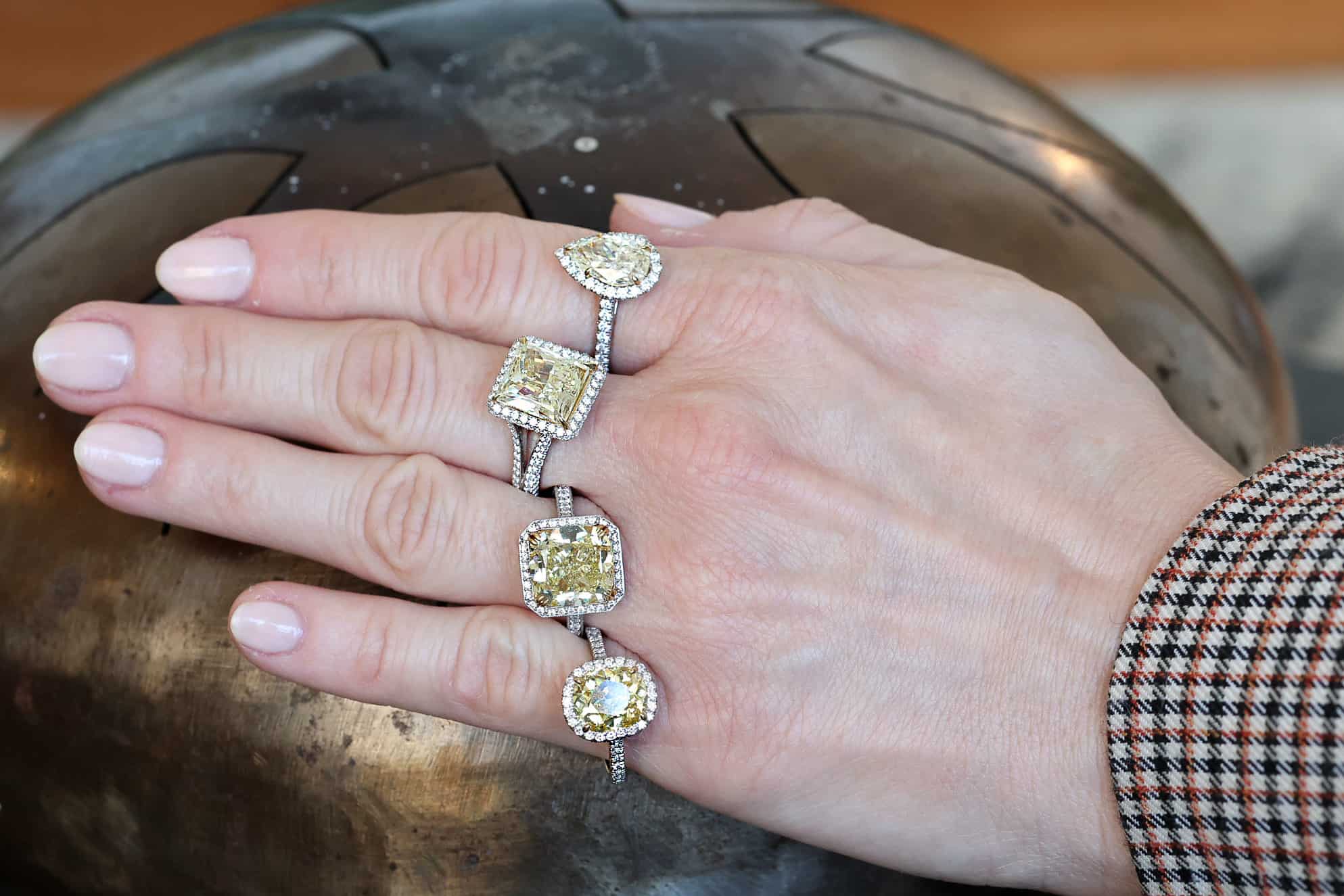
Canary diamonds, known in the trade as Fancy Intense or Fancy Vivid yellow diamonds, occupy a unique and highly coveted position in the world of high-end investments. Unlike the traditional colorless diamonds that dominate the bridal industry, these stones are categorized as “Fancy Colored Diamonds.” Their value is determined by an entirely different set of metrics than the standard “Four Cs” (Cut, Color, Clarity, and Carat weight) used for white diamonds. For the sophisticated investor, understanding the nuance of canary diamonds is not just about appreciating beauty; it is about recognizing a tangible asset class that has historically demonstrated remarkable resilience and appreciation.
The Science and Scarcity of Yellow Diamonds
The defining characteristic of a canary diamond is its vibrant, saturation-heavy yellow hue. While most diamonds contain trace amounts of nitrogen, the specific concentration and structural arrangement of these atoms dictate the intensity of the color. In a standard yellow-tinted diamond, the nitrogen may produce a dull or brownish undertone, which actually diminishes the stone’s value. A true canary diamond, however, possesses a high concentration of nitrogen that absorbs blue light, resulting in a pure, vivid yellow spectrum.
The Rarity Factor
The term “canary” is purely descriptive and unofficial, generally reserved for stones that exhibit a bright, saturated yellow color reminiscent of a canary bird. From a geological perspective, these diamonds are exponentially rarer than their colorless counterparts. For every 10,000 carats of gem-quality diamonds mined, only one carat is a fancy colored diamond of significant saturation. This extreme scarcity is the primary driver of their long-term investment potential. Unlike white diamonds, where supply can fluctuate based on new mining yields, fancy yellow diamonds are finite and unpredictable, creating an inherent supply-side constraint that appeals to hedge funds and private wealth managers alike.
Grading the Intensity
The Gemological Institute of America (GIA) utilizes a specific grading scale for these stones, which is paramount for investors. The hierarchy of color intensity—Fancy Light, Fancy, Fancy Intense, Fancy Vivid, and Fancy Deep—serves as the primary indicator of price. An investor looking for the highest return on investment should prioritize “Fancy Intense” or “Fancy Vivid” grades. These levels signify a saturation that is not merely noticeable but striking. Any presence of secondary hues, such as brown or green, can significantly impact the liquidity and resale value of the stone. Therefore, purity of color is the single most important factor when evaluating a canary diamond for a portfolio.
Canary Diamonds as a Portfolio Hedge
In the realm of alternative assets, canary diamonds serve as a “store of value” comparable to gold or fine art. However, they possess a distinct advantage: high-value density. A diamond worth one million dollars can be held in the palm of one’s hand, making it a highly portable asset. In an era of global economic uncertainty and currency devaluation, fancy colored diamonds provide a hedge that is not directly correlated to the stock market or traditional financial instruments.
Market Trends and Historical Appreciation
Over the past three decades, the market for fancy colored diamonds has shown a consistent upward trajectory. While white diamonds often experience cyclical fluctuations based on consumer sentiment and jewelry trends, the rare fancy yellow market is driven by an elite group of collectors and investors. The auction records from houses like Christie’s and Sotheby’s consistently show that top-tier fancy yellow diamonds maintain their value during economic downturns and appreciate significantly during bull markets. This historical stability is what attracts institutional investors who are looking to diversify their holdings away from paper assets.
Liquidity and Exit Strategies
One of the primary concerns for any investor entering the gemstone market is liquidity. Unlike stocks, you cannot sell a diamond with a single click. Investors must plan their exit strategies carefully. The most successful investors in this space build relationships with specialized diamond brokers or auction houses that deal exclusively in fancy colored stones. Because the market is specialized, the “spread”—the difference between the buy price and the sell price—can be significant if one is buying at retail prices. To maximize financial outcomes, sophisticated investors seek to acquire stones at wholesale auctions or through private high-end trade networks.

Valuation Metrics: Beyond the Four Cs
When acquiring a canary diamond for investment purposes, the standard appraisal methods for jewelry fall short. Investors must look at the stone through the lens of a commodity trader. The valuation is heavily influenced by color consistency, fluorescence, and the history of the stone.
The Role of Fluorescence
In white diamonds, strong blue fluorescence is often considered a negative trait that can cause a stone to appear “milky.” However, in fancy yellow diamonds, fluorescence can be a complex variable. Some yellow diamonds exhibit yellow fluorescence, which can technically enhance the visual intensity of the color in certain lighting conditions. An investor must understand how the specific stone reacts to different light sources. Professional appraisals for investment-grade stones will include a detailed analysis of the stone’s behavior under ultraviolet light, which is a nuance that can alter its valuation by tens of thousands of dollars.
Cut and Shape: Maximizing the Hue
While the “Cut” is a technical assessment of symmetry and polish, in canary diamonds, the cut serves a dual purpose: maximizing brilliance and concentrating color. A “Radiant” or “Cushion” cut is frequently chosen for yellow diamonds because these facets are designed to trap light within the stone, thereby amplifying the saturation of the color. A poorly cut yellow diamond may appear “washed out” in the center, which drastically reduces its desirability. Investors should favor stones with GIA-certified “Excellent” or “Very Good” polish and symmetry ratings. The craftsmanship behind the cut is effectively the “finishing touch” that determines whether a stone sits in the premium or discount tier of the market.
The Institutionalization of Diamond Investing
The market for canary diamonds is currently undergoing a shift toward institutionalization. We are seeing the rise of investment funds dedicated entirely to rare colored gemstones. This transition is helping to standardize pricing and increase transparency, which historically has been a barrier to entry for the average investor.
Why Diversification Matters
For an individual investor, a canary diamond should represent a small, strategic percentage of a total portfolio—typically between 5% and 10%. By allocating a portion of capital to physical, rare assets, investors create a buffer against systemic financial shocks. Because these diamonds are not pegged to the U.S. Dollar or any specific economy, they serve as a unique geographical hedge. Whether one resides in New York, London, or Singapore, the value of a high-grade fancy intense yellow diamond remains consistent, making it a truly global currency.
Risks and Due Diligence
No investment is without risk, and the diamond market is particularly sensitive to provenance and authenticity. The presence of synthetic or laboratory-grown diamonds in the market has necessitated a more rigorous approach to documentation. Every investment-grade canary diamond must come with an exhaustive report from a reputable laboratory like the GIA. This report is not just a document; it is the stone’s “passport.” Without it, the asset is essentially illiquid. Furthermore, investors must consider the costs of insurance, secure storage, and potential appraisal fees, which are ongoing maintenance costs that should be calculated into the total return on investment.

Conclusion: The Long-Term Vision
Canary diamonds represent the intersection of luxury, geology, and high finance. They are not intended for short-term speculative trading, but rather for long-term wealth preservation and generational wealth transfer. As the supply of high-quality, large-carat fancy yellow diamonds continues to dwindle, the pressure on prices will likely remain upward. For the investor who values tangible assets, understands the importance of market scarcity, and is willing to conduct the necessary due diligence, the canary diamond remains one of the most compelling and aesthetically rewarding investments available today. By treating these stones as rare commodities rather than mere accessories, investors can unlock a dimension of financial growth that is as enduring as the diamonds themselves.
aViewFromTheCave is a participant in the Amazon Services LLC Associates Program, an affiliate advertising program designed to provide a means for sites to earn advertising fees by advertising and linking to Amazon.com. Amazon, the Amazon logo, AmazonSupply, and the AmazonSupply logo are trademarks of Amazon.com, Inc. or its affiliates. As an Amazon Associate we earn affiliate commissions from qualifying purchases.