
At its most basic level, an interest rate is the price of money. To a borrower, it is the cost of carrying debt; to a lender, it is the reward for deferring consumption and taking on risk. While the concept may seem simple on the surface, interest rates are the invisible threads that tie together the global financial system, influencing everything from the price of a loaf of bread to the valuation of multi-billion dollar corporations.
In the realm of personal finance and macroeconomics, understanding how interest rates function is not merely an academic exercise—it is a vital skill for building wealth and navigating economic cycles. Whether you are looking to buy a home, invest in the stock market, or manage a high-yield savings account, the prevailing interest rate environment will dictate the success of your strategy.
The Fundamental Mechanics of Interest Rates
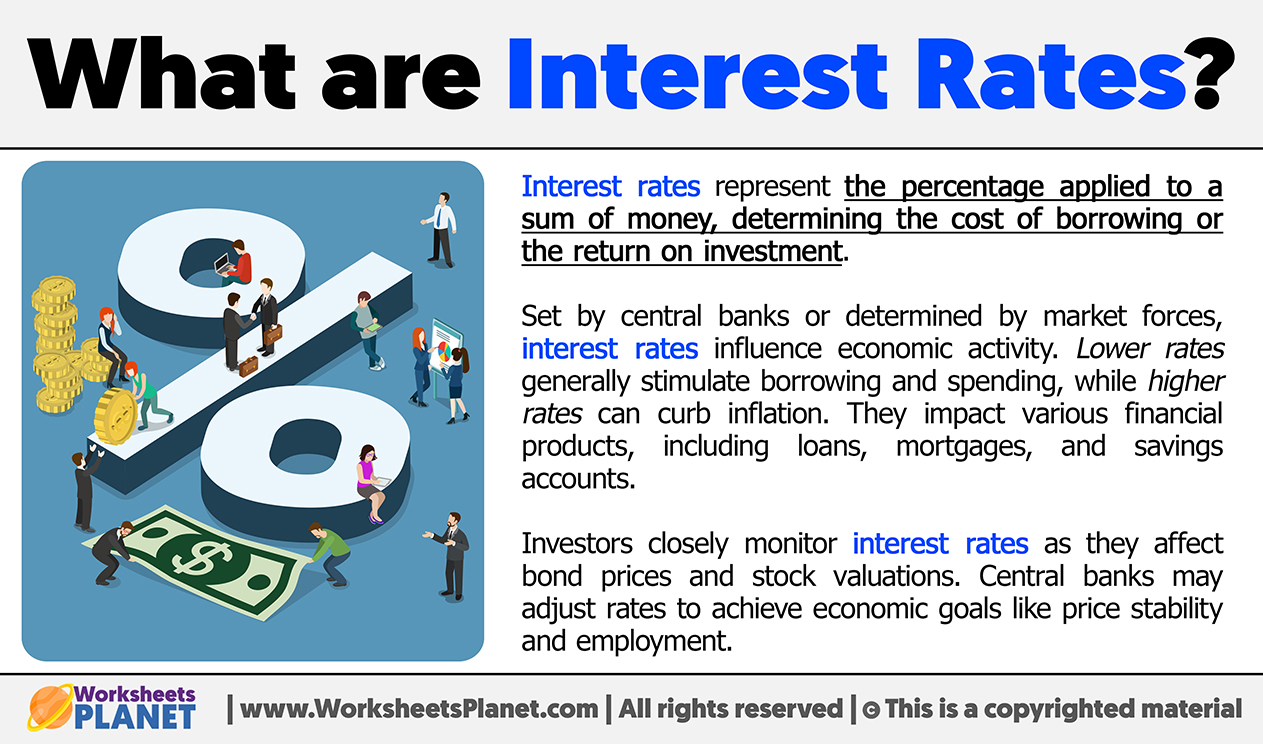
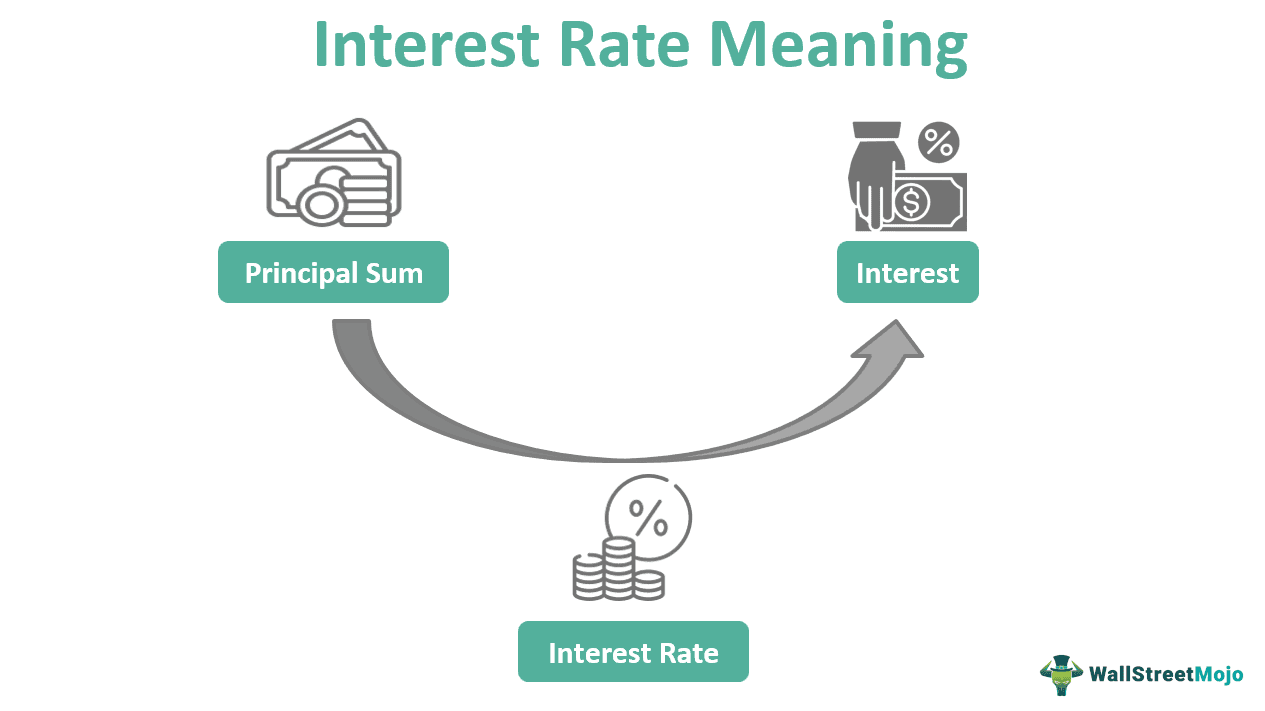
To understand interest rates, one must view money as a commodity that can be rented. When you deposit money into a savings account, you are effectively “renting” your capital to the bank. In exchange, the bank pays you interest. Conversely, when you take out a loan, you are renting the bank’s capital, and the interest is the rent you pay for that privilege.
Borrowers vs. Lenders: The Two Sides of the Coin
Every interest rate transaction involves two parties: the creditor (lender) and the debtor (borrower). For the lender, the interest rate serves three primary purposes. First, it compensates for the “opportunity cost”—the fact that they cannot use that money for other purposes while it is lent out. Second, it accounts for the risk of default, ensuring that the lender is compensated if the borrower fails to repay. Third, it protects the lender against inflation, which erodes the purchasing power of money over time.
Nominal vs. Real Interest Rates
A common pitfall in financial planning is failing to distinguish between nominal and real interest rates. The nominal rate is the percentage actually stated on a loan or investment (e.g., a 5% return on a bond). However, the real interest rate is the nominal rate minus the rate of inflation. If you earn 5% on your savings but inflation is running at 6%, your “real” return is -1%. In this scenario, despite seeing your balance grow, your actual purchasing power is shrinking. Understanding this distinction is critical for long-term wealth preservation.
Key Factors That Determine Interest Rates
Interest rates do not exist in a vacuum. They are shaped by a complex interplay of government policy, market sentiment, and economic indicators. Understanding these drivers allows investors and consumers to anticipate shifts in the financial landscape.
Central Banks and Monetary Policy
In almost every modern economy, interest rates are heavily influenced by a central bank, such as the Federal Reserve in the United States or the European Central Bank in the EU. Central banks set “benchmark rates”—the interest rates at which commercial banks borrow from the central bank or from each other. When a central bank raises rates, it makes borrowing more expensive throughout the entire economy, which is typically done to cool down inflation. When it lowers rates, it encourages borrowing and spending to stimulate a sluggish economy.
Inflation Expectations
Inflation is the greatest enemy of fixed-income lenders. If a lender expects prices to rise significantly over the life of a loan, they will demand a higher interest rate to ensure they are repaid in “future dollars” that still hold value. This is why interest rates and inflation tend to move in tandem. When the consumer price index (CPI) climbs, interest rates across the board—from mortgages to credit cards—usually follow suit.
Credit Risk and the Risk Premium
Not all borrowers are created equal. The interest rate offered to a borrower is largely determined by their creditworthiness. This is known as the “risk premium.” A government with a stable economy can borrow money at very low rates because the risk of default is negligible. In contrast, a startup business or an individual with a low credit score will face much higher interest rates because the lender requires more compensation for the increased likelihood that the loan will not be repaid.
Types of Interest Rates in Personal Finance
For the average consumer, interest rates manifest in various forms, each with its own set of rules and impacts on one’s net worth. Navigating these requires a grasp of how different structures affect the total cost of debt or the growth of assets.
Fixed vs. Variable Rates
A fixed interest rate remains the same for the entire life of the loan or investment. This provides predictability, making it ideal for long-term obligations like a 30-year mortgage. Variable (or floating) rates, however, fluctuate based on a reference index. While variable rates might start lower than fixed rates, they carry the risk of increasing significantly if market conditions change. Choosing between the two is essentially a game of risk management: do you value the certainty of a fixed payment, or are you willing to gamble on rates staying low?
Simple Interest vs. Compound Interest
Albert Einstein famously called compound interest the “eighth wonder of the world.” Simple interest is calculated only on the principal amount borrowed or invested. Compound interest, however, is calculated on the principal plus the accumulated interest from previous periods. In the world of investing, compounding is the primary engine of wealth creation. Over decades, even a small difference in interest rates can result in a massive difference in a portfolio’s final value because you are eventually “earning interest on your interest.”
APR vs. APY: Knowing the Difference
When comparing financial products, it is vital to distinguish between the Annual Percentage Rate (APR) and the Annual Percentage Yield (APY). APR represents the annual cost of a loan, including interest and fees, without taking compounding into account. APY, on the other hand, reflects the real rate of return on a savings account or investment, taking the effect of compounding into account. When borrowing, you want the lowest APR; when saving, you want the highest APY.
How Interest Rates Shape the Global Economy
The ripple effects of changing interest rates extend far beyond individual bank accounts. They dictate the flow of capital across borders and the health of various industries.
The Impact on Consumer Spending
Interest rates are a primary lever for controlling consumer behavior. When rates are low, the cost of financing big-ticket items—like cars and appliances—drops. This encourages consumers to spend rather than save, which boosts corporate revenues and helps the economy grow. Conversely, high interest rates increase the monthly payments on credit cards and auto loans, leading consumers to tighten their belts, which can slow down economic growth but also curb runaway inflation.
Corporate Investment and Business Growth
For businesses, interest rates are a major factor in the “hurdle rate”—the minimum return a company expects to earn before moving forward with a project. If a company can borrow at 4% to build a factory that yields an 8% return, the project is viable. If interest rates rise to 9%, that same project becomes a money-loser and is canceled. Therefore, high-interest-rate environments often lead to reduced corporate spending, lower hiring rates, and a general cooling of the stock market as future earnings are discounted more heavily.
Influence on the Housing Market
The real estate market is perhaps the most interest-rate-sensitive sector of the economy. Because most people buy homes using mortgages, a 1% or 2% shift in interest rates can change a monthly payment by hundreds or even thousands of dollars. When rates rise, housing affordability plummets, often leading to a decrease in home prices or a stagnation in sales. For investors, interest rates also determine the “cap rate” or the expected return on rental properties, making interest rate cycles a primary concern for property moguls.
Strategies for Managing Interest in Your Financial Life
Given the profound impact of interest rates, proactive management is essential for financial health. You cannot control the Federal Reserve, but you can control how your portfolio reacts to their decisions.
Improving Your Credit Profile
The single most effective way to lower the interest rates you pay is to improve your credit score. Lenders use this score to determine your risk premium. By maintaining a history of on-time payments, keeping credit utilization low, and avoiding unnecessary credit inquiries, you can move into a higher credit tier. This can save you tens of thousands of dollars over the life of a mortgage or a business loan.
Debt Consolidation and Refinancing
In a falling interest rate environment, “refinancing” is a powerful tool. This involves taking out a new loan at a lower interest rate to pay off an old, more expensive loan. Similarly, debt consolidation allows individuals to move high-interest debt (like credit card balances) into lower-interest personal loans or lines of credit. By reducing the interest portion of your payments, more of your money goes toward the principal, allowing you to become debt-free much faster.
Laddering Investments
For those looking to earn interest, a “laddering” strategy can mitigate the risk of fluctuating rates. Instead of putting all your money into a single 5-year Certificate of Deposit (CD), you might split the investment into five parts, maturing in one, two, three, four, and five years. As each “rung” of the ladder matures, you reinvest it at the current market rate. This ensures that you always have access to some liquidity and are never fully locked into a low rate if market interest rates begin to climb.

Conclusion
Interest rates are far more than just percentages on a monthly statement; they are the fundamental regulators of economic activity. They balance the desires of those who have capital with the needs of those who require it, while serving as the primary tool for maintaining price stability in a complex world. By understanding the mechanics of interest, the drivers behind rate changes, and the strategies to manage them, you position yourself to thrive regardless of whether rates are at historic lows or challenging highs. In the world of money, those who understand interest, earn it; those who don’t, pay it.
aViewFromTheCave is a participant in the Amazon Services LLC Associates Program, an affiliate advertising program designed to provide a means for sites to earn advertising fees by advertising and linking to Amazon.com. Amazon, the Amazon logo, AmazonSupply, and the AmazonSupply logo are trademarks of Amazon.com, Inc. or its affiliates. As an Amazon Associate we earn affiliate commissions from qualifying purchases.