
In the fast-paced world of business and finance, the ability to quickly extract, analyze, and act upon specific data insights can be the difference between leading the market and falling behind. While standardized reports provide a foundational view of operations, they often fail to address the unique, time-sensitive questions that emerge daily. This is where the ad hoc report steps in—a powerful, flexible tool that empowers financial professionals and business leaders to drill down into the specifics, uncover hidden trends, and make informed decisions with unprecedented agility. Far from being a mere technicality, understanding and leveraging ad hoc reports is a strategic imperative in modern business finance.
The Essence of Ad Hoc Reporting in Business Finance
The term “ad hoc” is Latin for “for this purpose only.” When applied to reporting, it signifies a report generated on-demand, for a specific, non-routine inquiry, rather than a pre-defined, regularly scheduled one. In the financial domain, ad hoc reports are the sharp instruments used to dissect complex data, offering a level of detail and customization that standard reports simply cannot match.
Defining Ad Hoc: Beyond Standardized Data
To truly grasp the value of an ad hoc report, it’s essential to distinguish it from its more common counterpart: the standardized report. Standardized reports, such as monthly profit and loss statements, quarterly balance sheets, or annual cash flow statements, are fixed in their structure, metrics, and delivery schedule. They are crucial for routine monitoring, compliance, and providing a consistent overview of financial health.
An ad hoc report, however, breaks free from these constraints. Imagine a finance director suddenly needing to understand the exact profitability of a specific product line in the Western region for the last seven weeks, factoring in a new discount applied only to a certain customer segment. A standard report likely won’t have this granular, multi-dimensional view readily available. This is where an ad hoc report shines. It’s built on the fly, customized to address precisely that unique question, drawing from the same underlying data but presenting it in a novel, targeted configuration. Its defining characteristic is its flexibility, allowing users to define their own parameters, filters, and display formats to answer questions that haven’t been anticipated by predefined reporting templates.
Why Ad Hoc Reports are Indispensable for Financial Decision-Making
The inherent flexibility of ad hoc reports makes them an indispensable asset for financial decision-making across various business functions. Their ability to deliver targeted insights on demand directly impacts an organization’s responsiveness and strategic foresight.
Firstly, ad hoc reports enable businesses to address immediate business questions as they arise. When an unexpected dip in revenue occurs, or a sudden opportunity presents itself, finance teams can quickly generate reports to pinpoint the root cause or evaluate the potential return, without waiting for the next reporting cycle or relying on educated guesses. This real-time analytical capability is vital for navigating volatile markets and making swift operational adjustments.
Secondly, they facilitate deep dives into specific financial anomalies or opportunities. Is a particular expense category suddenly skyrocketing? Are sales from a new marketing campaign underperforming expectations? An ad hoc report can dissect these areas, comparing specific periods, drilling down to individual transactions, or segmenting data by various dimensions (e.g., department, vendor, customer type) to uncover the underlying story. This granular analysis is critical for effective cost control, revenue optimization, and identifying areas for improvement.
Finally, ad hoc reports are instrumental in supporting strategic planning and risk assessment. Before making a significant investment, acquiring a new company, or launching a major product, financial leaders need comprehensive, customized data to model scenarios, assess potential risks, and project returns. Ad hoc reports can aggregate data from disparate sources, apply complex calculations, and present results in a format tailored for strategic review, providing the critical evidence needed to back significant financial decisions. They enable a proactive approach to financial management, allowing organizations to anticipate challenges and capitalize on opportunities.
Key Characteristics and Components of an Effective Ad Hoc Financial Report
For an ad hoc financial report to truly deliver on its promise, it must possess certain key characteristics and be built upon robust underlying components. These elements ensure that the insights derived are not only timely and relevant but also accurate and actionable.
User-Driven and On-Demand Nature
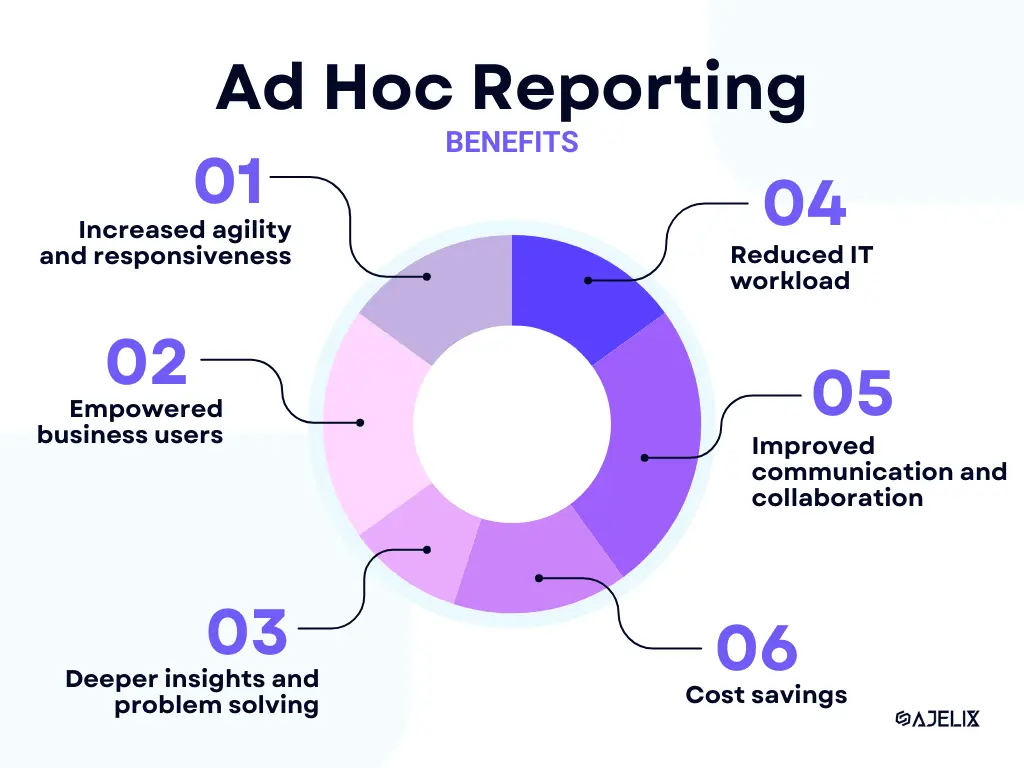
The hallmark of ad hoc reporting is its user-driven, on-demand nature. This means the capability to generate these reports rests largely in the hands of the end-users—typically financial analysts, managers, and executives—rather than exclusively relying on IT or specialized data teams. This empowerment is crucial for agility.
Modern ad hoc reporting tools provide self-service capabilities, allowing non-technical finance professionals to formulate their own queries using intuitive interfaces. They can select desired metrics (e.g., gross profit, operating expenses, cash conversion cycle), define dimensions (e.g., by month, by region, by product category), apply filters (e.g., specific customer IDs, transactions above a certain value), and choose output formats (e.g., tables, charts, graphs). This direct access to data eliminates bottlenecks, speeds up the analytical process, and fosters a more data-literate financial team. Furthermore, the reports are generated in real-time or near real-time, meaning the data reflects the most current operational status, offering immediate insights without delay.
Data Sources and Integration
The power of an ad hoc financial report is directly proportional to the quality and breadth of the data it can access. Effective ad hoc reporting relies on the seamless integration of diverse data sources.
Financial ad hoc reports typically draw information from core enterprise systems such as Enterprise Resource Planning (ERP) systems (e.g., SAP, Oracle, Microsoft Dynamics) which house general ledger, accounts payable, accounts receivable, and inventory data. They also tap into Customer Relationship Management (CRM) systems for sales and customer-specific financial data, and specialized accounting software (e.g., QuickBooks, Sage). Crucially, organizations increasingly leverage data warehouses or data lakes which consolidate and cleanse data from multiple operational systems, creating a single source of truth optimized for analytical queries.
The importance of clean, integrated data cannot be overstated. Disparate, inconsistent, or inaccurate data will lead to flawed reports and misleading insights. Therefore, robust data governance, master data management, and efficient Extract, Transform, Load (ETL) processes are foundational to successful ad hoc financial reporting. The chosen financial tools and Business Intelligence (BI) platforms must be capable of connecting to these various sources, harmonizing the data, and presenting a unified view for analysis.
Customization and Granularity
What sets ad hoc reports apart is their unparalleled capacity for customization and their ability to delve into granular detail. This allows financial professionals to precisely tailor their analysis to the specific question at hand.
Users can tailor metrics, dimensions, and filters to create a report that directly answers their query. For example, instead of a standard revenue report, an ad hoc report might display revenue generated only from new customers acquired in the last quarter, segmented by sales representative, and compared against a specific marketing campaign’s cost. This level of precision is critical for targeted financial analysis.
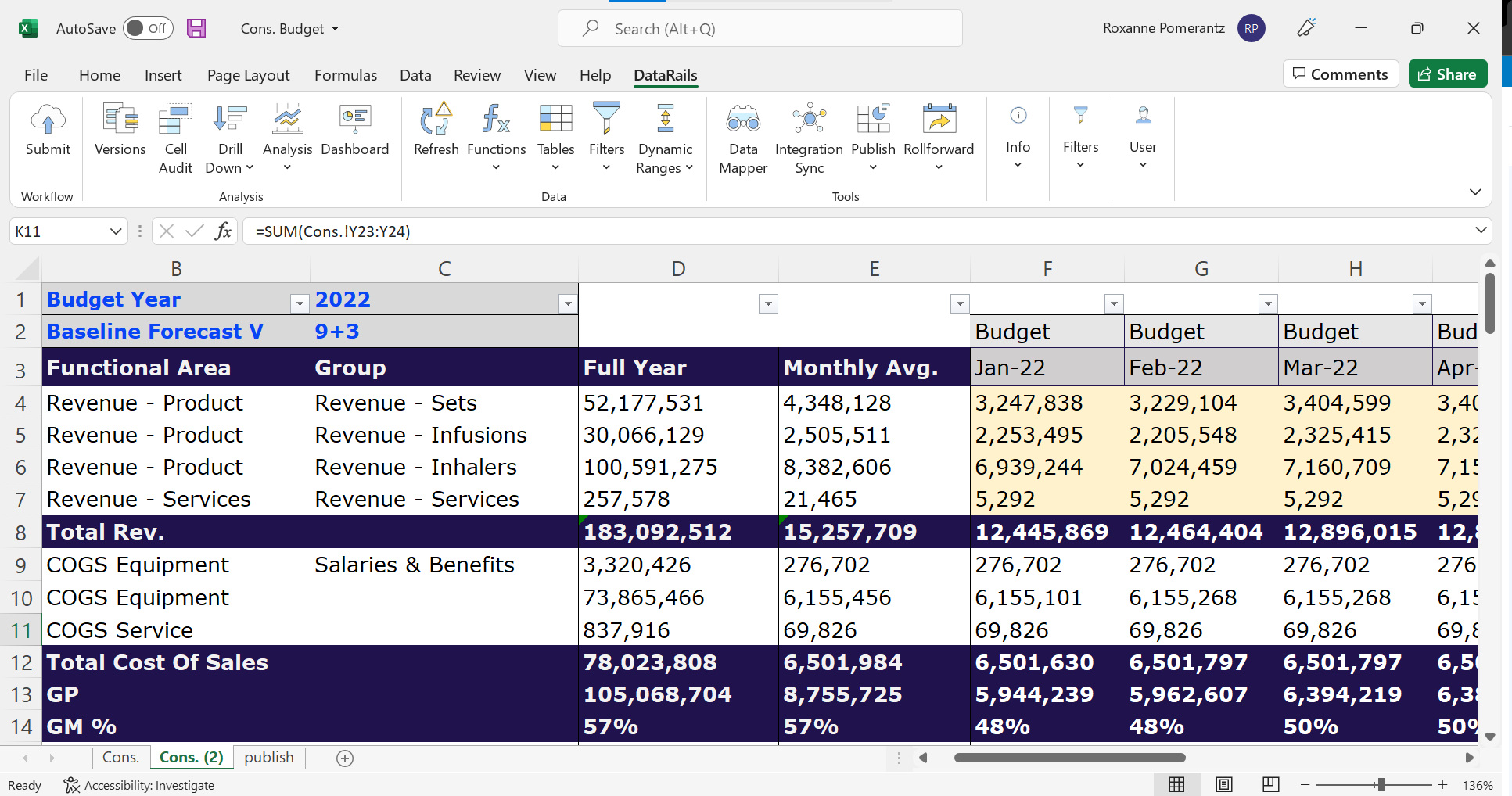
Furthermore, ad hoc reports often provide drill-down capabilities. This means a user can start with a high-level summary (e.g., total quarterly expenses) and then click on a specific category (e.g., marketing expenses) to view its sub-components, then further click on an individual sub-component (e.g., digital advertising) to see the underlying transactions or even vendor invoices. This multi-level investigation allows for a comprehensive understanding of financial figures, identifying specific drivers, anomalies, or efficiencies. This focus on specific GL accounts, cost centers, or revenue streams makes ad hoc reports an invaluable tool for operational finance and strategic financial management.
Practical Applications of Ad Hoc Reports in the Financial World
The versatility of ad hoc reports means they find application across virtually every facet of financial management, providing the detailed insights necessary for effective stewardship and strategic growth.
Uncovering Financial Performance Insights
One of the primary uses of ad hoc reports is to gain deeper insights into an organization’s financial performance beyond what standard reports offer.
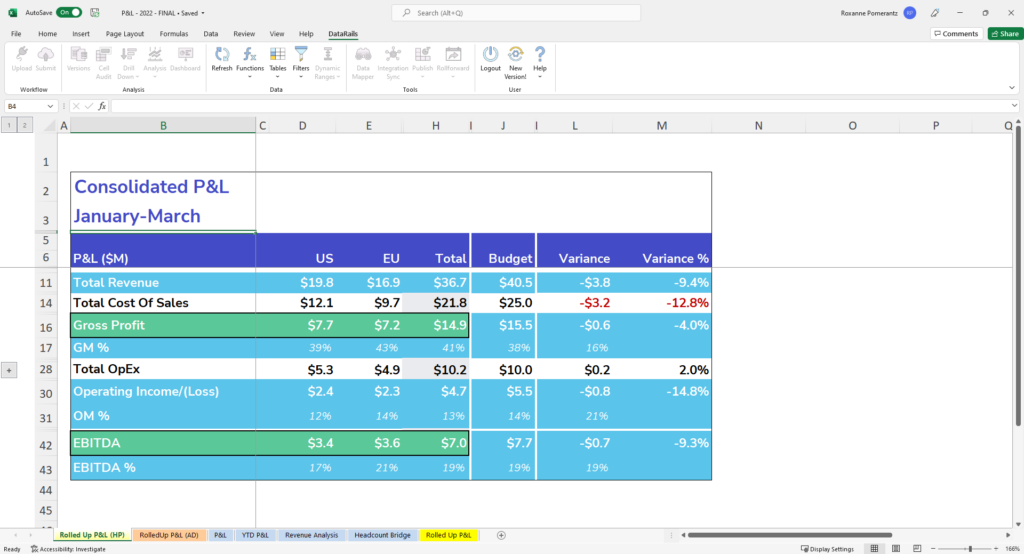
- Variance analysis is significantly enhanced. While a standard report might show a budget variance, an ad hoc report can quickly isolate the specific expense accounts, departments, or projects contributing most to the variance, and even compare against prior periods or industry benchmarks, allowing for targeted corrective actions.
- Profitability analysis becomes more granular. Instead of just overall company profitability, finance teams can generate ad hoc reports to assess profitability by individual product, service, customer segment, sales channel, or geographical region, revealing which areas are driving success and which require attention. This supports strategic resource allocation and pricing decisions.
- Cash flow forecasting and anomaly detection benefit immensely. Ad hoc reports can analyze specific cash inflows and outflows, identify unusual or unexpected transactions that might signal potential issues, and model future cash positions based on various operational scenarios, thereby improving liquidity management.
Supporting Strategic Financial Planning and Investment Decisions
When it comes to high-stakes strategic decisions, ad hoc reports provide the robust data foundation required for confident choices.
- Evaluating M&A targets: During mergers and acquisitions, finance professionals rely heavily on ad hoc reports to delve into the target company’s financials, assessing revenue quality, cost structures, debt obligations, and specific asset valuations, enabling a comprehensive due diligence process.
- Assessing ROI for new projects or capital expenditures: Before approving significant investments, ad hoc reports can be used to model projected returns, analyze sensitivity to various economic factors, and compare potential outcomes against different investment criteria, ensuring that capital is deployed wisely.
- Scenario planning and sensitivity analysis: Businesses operate in dynamic environments. Ad hoc reporting tools allow financial analysts to create “what-if” scenarios, such as the impact of a 10% increase in raw material costs or a 5% decline in sales volume, and immediately see the projected financial implications, preparing the organization for various contingencies.
Enhancing Risk Management and Compliance
Beyond performance and planning, ad hoc reports are powerful allies in maintaining financial integrity and adhering to regulatory requirements.
- Identifying unusual transaction patterns: In the realm of fraud detection and prevention, ad hoc reports can be configured to flag unusual spending, irregular payment patterns, or transactions outside of defined parameters, allowing for immediate investigation and mitigation of financial risks.
- Monitoring key financial ratios for solvency and liquidity: While standard reports provide these ratios, ad hoc reports allow for real-time monitoring against custom thresholds, or specific peer group comparisons, alerting management to deteriorating financial health indicators before they become critical.
- Preparing for audits with specific data points: During internal or external audits, ad hoc reports are invaluable for quickly extracting specific sets of data—like all transactions related to a particular vendor, or all expense reimbursements above a certain amount for a given period—providing auditors with the precise information they require efficiently and accurately.
Building and Implementing Ad Hoc Reporting Capabilities
To effectively harness the power of ad hoc reporting, organizations need to consider the right tools, technologies, and best practices for implementation and ongoing management.
Tools and Technologies for Financial Ad Hoc Reporting
The landscape of ad hoc reporting tools ranges from ubiquitous desktop applications to sophisticated enterprise platforms:
- Spreadsheet software (e.g., Microsoft Excel, Google Sheets): For basic, smaller-scale ad hoc needs, spreadsheets remain a popular choice. They are highly flexible for data manipulation and visualization, especially when data volumes are manageable and directly exportable from source systems. However, they can suffer from version control issues, data integrity risks, and scalability limitations for complex, large-scale reporting.
- Business Intelligence (BI) platforms (e.g., Tableau, Power BI, Qlik Sense): These are purpose-built for data visualization and analysis, offering robust capabilities for connecting to diverse data sources, building interactive dashboards, and performing deep-dive ad hoc analysis through intuitive drag-and-drop interfaces. They empower business users with self-service reporting while ensuring data consistency.
- Enterprise Resource Planning (ERP) systems with reporting modules: Modern ERP systems often include integrated reporting modules that allow users to query their operational data directly. These are excellent for financial reports derived from the ERP’s core modules (e.g., GL, AP, AR), providing a single source of truth within the system.
- Specialized Financial Planning & Analysis (FP&A) software: Solutions like Anaplan, Adaptive Planning, or OneStream are designed specifically for corporate finance activities including budgeting, forecasting, and financial reporting. They often come with advanced ad hoc reporting capabilities tailored to financial metrics and hierarchies, providing greater control and accuracy for finance-specific queries.
The choice of tool depends on the organization’s size, complexity, data volume, budget, and the specific needs of its finance team. Often, a combination of these tools is employed to meet various reporting demands.
Best Practices for Financial Ad Hoc Reporting
Implementing ad hoc reporting capabilities effectively requires more than just choosing the right software; it demands a strategic approach to data management and user enablement.
- Data governance and security: Establish clear policies for data ownership, definitions, access controls, and data privacy. Ensure that only authorized personnel can access sensitive financial information, and that reports comply with regulatory requirements (e.g., GDPR, SOX). Robust security protocols are paramount.
- Training users for self-service reporting: Provide comprehensive training to financial professionals on how to use the chosen ad hoc reporting tools. Focus on teaching them how to formulate effective queries, understand data structures, interpret results, and build meaningful visualizations. This empowers them to be self-sufficient analysts.
- Ensuring data accuracy and validation: Regular data audits, reconciliation processes, and automated data quality checks are crucial to maintain trust in the reports. Define standard definitions for key financial metrics to ensure consistency across all reports, whether standard or ad hoc.
- Balancing flexibility with control: While ad hoc reporting champions flexibility, it’s important to strike a balance to prevent “report proliferation” or contradictory insights. Establish a centralized repository for common data elements and reporting templates, and define guidelines for report sharing and validation to maintain a degree of oversight and ensure data integrity.
The Strategic Advantage of Ad Hoc Reporting in Today’s Economy
In an economic landscape characterized by constant change, disruption, and intense competition, the strategic value of ad hoc reporting cannot be overstated. It transforms data from a mere record of past events into a dynamic tool for future success.
Agility and Responsiveness in Dynamic Markets
The ability to generate tailored financial insights on demand directly translates into enhanced organizational agility. Businesses can achieve quick adaptation to market shifts, economic changes, and competitive pressures. If a competitor launches a new product, an ad hoc report can immediately assess its potential impact on revenue streams or customer segments. During economic downturns, ad hoc reports can quickly identify areas for cost reduction or opportunities for defensive investments. This enables proactive decision-making, allowing management to anticipate challenges and seize opportunities rather than merely reacting to them.
Empowering Financial Professionals and Stakeholders
Ad hoc reporting democratizes data, shifting the paradigm from a centralized IT-driven reporting model to one where financial professionals are empowered to be their own analysts. This reduces reliance on IT for every query, freeing up technical resources for more strategic initiatives. It also allows financial teams to democratize data access for faster insights across the organization. When department heads or project managers can quickly pull financial data relevant to their specific operations, they make better-informed decisions, leading to more efficient resource allocation and greater accountability throughout the enterprise.
Driving Better Financial Outcomes and Competitive Edge
Ultimately, the strategic advantage of ad hoc reporting lies in its ability to directly contribute to superior financial performance and a sustainable competitive edge. By providing precise, timely insights, ad hoc reports support:
- Optimized resource allocation: Knowing exactly which products, services, or regions are most profitable, or which expenses are draining resources, enables smarter investment and divestment decisions.
- Improved profitability and reduced costs: Pinpointing inefficiencies, identifying cost-saving opportunities, and understanding revenue drivers at a granular level directly impacts the bottom line.
- Informed strategic direction: With a clearer, data-backed understanding of the financial landscape, leaders can chart a more confident and effective strategic course, positioning the organization for long-term success.
In conclusion, an ad hoc report is far more than a simple data output; it is a critical financial tool embodying agility, precision, and empowerment. In an era where data is king, the ability to rapidly query, analyze, and act upon specific financial information is not just a desirable feature—it is a fundamental requirement for navigating complexity, seizing opportunities, and securing a robust competitive position in the global economy. Organizations that master ad hoc reporting are those best equipped to transform raw data into actionable intelligence, driving smarter financial outcomes and sustainable growth.
aViewFromTheCave is a participant in the Amazon Services LLC Associates Program, an affiliate advertising program designed to provide a means for sites to earn advertising fees by advertising and linking to Amazon.com. Amazon, the Amazon logo, AmazonSupply, and the AmazonSupply logo are trademarks of Amazon.com, Inc. or its affiliates. As an Amazon Associate we earn affiliate commissions from qualifying purchases.