
New York State, with its diverse geography and intricate administrative structure, presents unique community classifications that often puzzle newcomers and even long-time residents. Among these classifications, the “hamlet” stands out as a term frequently used but often misunderstood, especially when one considers its economic implications and financial nuances compared to villages or towns. For those looking to invest, relocate, or establish a business, understanding what constitutes a hamlet in New York, and more importantly, its financial ecosystem, is crucial.
The Financial Framework of an Unincorporated Community
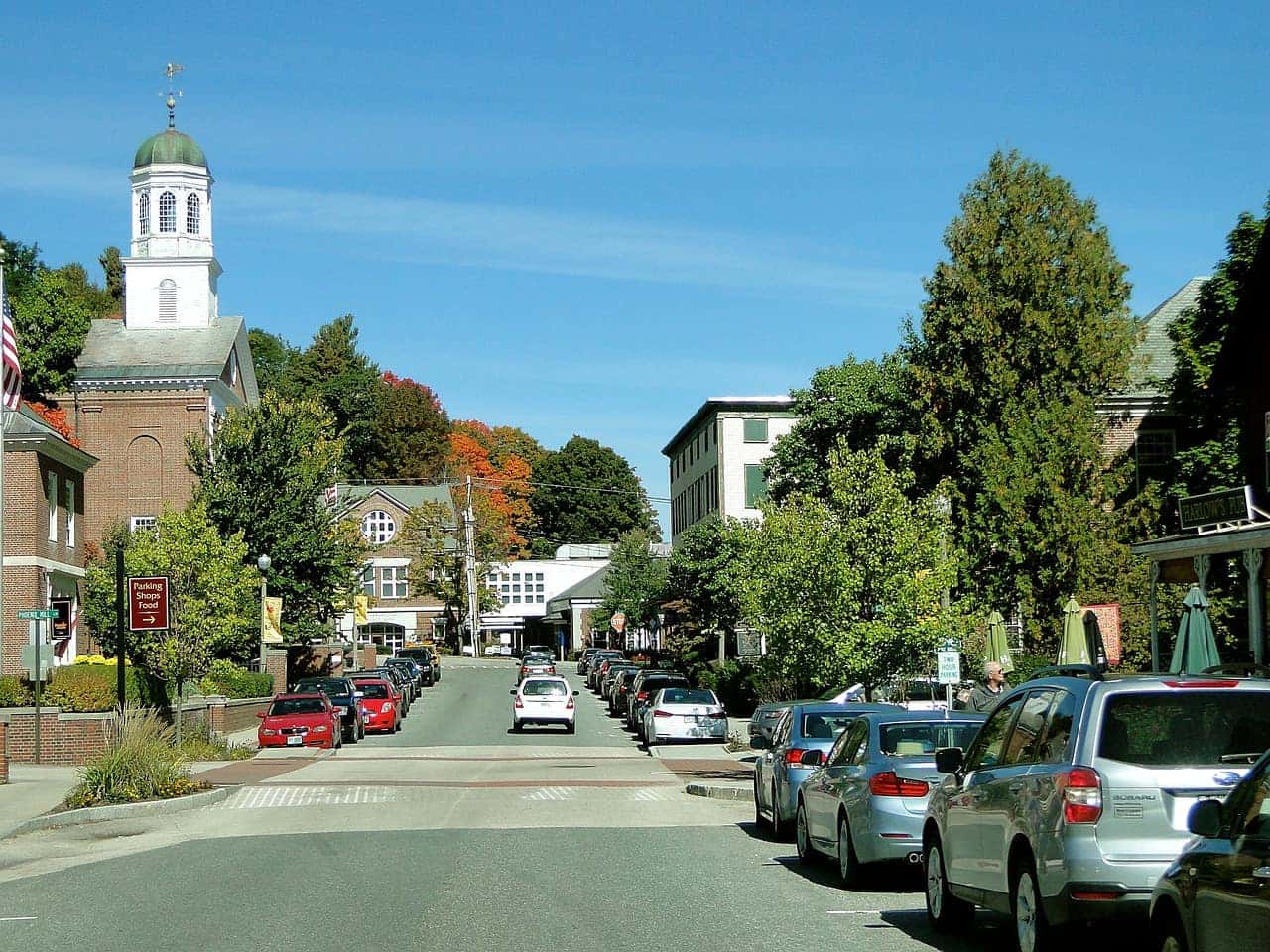
In New York State, a hamlet is not a distinct municipal entity in the same way a city or a village is. Instead, it is an unincorporated community within a larger town. This fundamental difference has significant financial ramifications that impact everything from property taxes and local services to business development and personal finance. Unlike a village, which is an incorporated municipality with its own elected officials, budget, and local services (police, water, sanitation), a hamlet is directly governed by the town it resides within.
Governance, Services, and Their Fiscal Footprint
The unincorporated nature of a hamlet means it does not have its own independent government structure. Services such as police, fire, road maintenance, and sanitation are typically provided by the overarching town or, in some cases, by county departments or special districts. This centralized provision of services means that residents of a hamlet contribute to the town’s general tax base, rather than paying separate village taxes.
From a financial perspective, this can result in both advantages and disadvantages. On one hand, the absence of a separate village government can lead to lower administrative overhead, potentially translating into a more streamlined tax structure. Residents avoid the duplication of services and administrative costs that might exist between a village and its parent town. On the other hand, residents in hamlets may have less direct control over the allocation of funds for specific local improvements within their immediate community, as budget decisions are made at the town level. Investors considering property or business ventures in a hamlet must understand that their primary engagement will be with town-level regulations, zoning, and tax assessments, rather than a distinct hamlet-specific bureaucracy. This singular point of contact can simplify financial due diligence and operational planning.
Property Values and Market Dynamics
The real estate market in New York hamlets presents a unique financial landscape. Because hamlets lack their own distinct government, they often maintain a lower profile compared to incorporated villages, which can influence property values. Generally, homes in hamlets might be more affordable than comparable properties in neighboring villages or cities, primarily due to the absence of village taxes and potentially less demand driven by perceived autonomy or prestige. This makes hamlets attractive to first-time homebuyers, those seeking more land for their money, or investors looking for properties with lower entry costs.
However, the “value” in a hamlet extends beyond just purchase price. Property tax rates are a composite of town, county, and school district levies, often without an additional village tax. This can lead to a lower overall tax burden compared to properties within incorporated villages, a significant factor for long-term financial planning for homeowners and landlords. The market dynamics are also influenced by proximity to amenities, school district quality (which significantly impacts financial desirability), and regional economic health, rather than localized hamlet-specific services. Understanding these dynamics is essential for any financial analysis, whether for personal residence, rental income, or speculative investment. Due diligence must delve into town zoning laws, potential special district fees (e.g., for water or sewer if a special district exists), and the town’s overall fiscal health, as these factors directly impact property valuation and future appreciation.
Economic Vibrancy and Entrepreneurial Opportunities
The economic lifeblood of New York hamlets, while distinct from larger urban centers, often pulsates with unique entrepreneurial spirit and community-driven commerce. These communities, though lacking formal municipal status, can offer fertile ground for specific types of businesses and provide a different financial environment for residents and entrepreneurs.
Local Business Ecosystem and Funding Avenues

Businesses within hamlets operate under the regulatory umbrella of their encompassing town, which implies that permits, zoning, and business licenses are typically handled at the town level. This can simplify the bureaucratic process for some, as there’s no additional layer of village-specific regulations to navigate. Small businesses, particularly those catering to local needs such as diners, general stores, artisan shops, or service providers, often thrive by fostering strong community ties and offering personalized services. The “buy local” movement can be particularly potent in hamlets, supporting the financial viability of small enterprises.
For entrepreneurs considering a hamlet, financial planning should account for regional economic development initiatives, often spearheaded by county or state programs rather than highly localized hamlet-specific grants. Access to capital might come through traditional bank loans, small business administration (SBA) programs, or community development financial institutions (CDFIs) that target rural and underserved areas. Networking with local chambers of commerce (often town or county-wide), business associations, and economic development corporations is vital for understanding the financial incentives and support structures available. The absence of a village government means entrepreneurs often need to be more proactive in seeking out these broader financial resources and community support networks.
Personal Finance and Cost of Living in Hamlets
From a personal finance perspective, living in a New York hamlet often presents a compelling case for affordability. The absence of village taxes, combined with potentially lower property values, can significantly reduce housing costs compared to neighboring incorporated areas. This allows residents to allocate more of their income towards other financial goals, such as savings, investment, or discretionary spending.
The cost of living extends beyond housing, however. While everyday necessities like groceries or fuel might be comparable to nearby areas, transportation costs can sometimes be higher due to less public transit infrastructure, necessitating private vehicle ownership and associated expenses. Conversely, leisure activities might be more nature-oriented and less expensive than urban entertainment. Many residents find opportunities for online income or side hustles, leveraging the quieter environment for focused work while maintaining access to broader digital markets. The financial appeal for families often includes access to good school districts without the premium price tag of more urbanized areas. Understanding the nuanced trade-offs in cost of living is paramount for individuals and families making financial decisions about relocating to a hamlet.
Investment Strategies and Development Potential
New York hamlets, while often overlooked by large-scale developers, hold significant potential for specific types of investment, particularly in real estate and small-scale commercial ventures. The unique financial characteristics of these communities often create niche markets ripe for discerning investors.
Real Estate Investment and Appreciation Prospects
Investing in real estate within New York hamlets can be a strategic move for those with a long-term perspective. As mentioned, lower entry costs and potentially lower tax burdens can translate into attractive cap rates for rental properties. Furthermore, as urban areas become increasingly unaffordable, hamlets located within commuting distance of major employment centers can experience slow but steady appreciation. This is particularly true for hamlets that offer desirable lifestyle amenities like proximity to parks, lakes, or charming Main Streets.
Investors should focus on understanding the town’s comprehensive plan and zoning ordinances, as these dictate permissible development and future growth. Identifying hamlets with stable populations, good school ratings, and accessible infrastructure can mitigate risks and enhance potential returns. Opportunities might include single-family rental homes, multi-family conversions of older properties, or even land acquisition for future development, provided it aligns with town planning. Due diligence should extend to infrastructure capacity (water, sewer, internet), which can significantly impact the feasibility and financial returns of any development project. The slow-growth nature of many hamlets means appreciation might not be rapid, but consistent cash flow and gradual equity building are often achievable.
Small Business Funding and Community-Centric Development
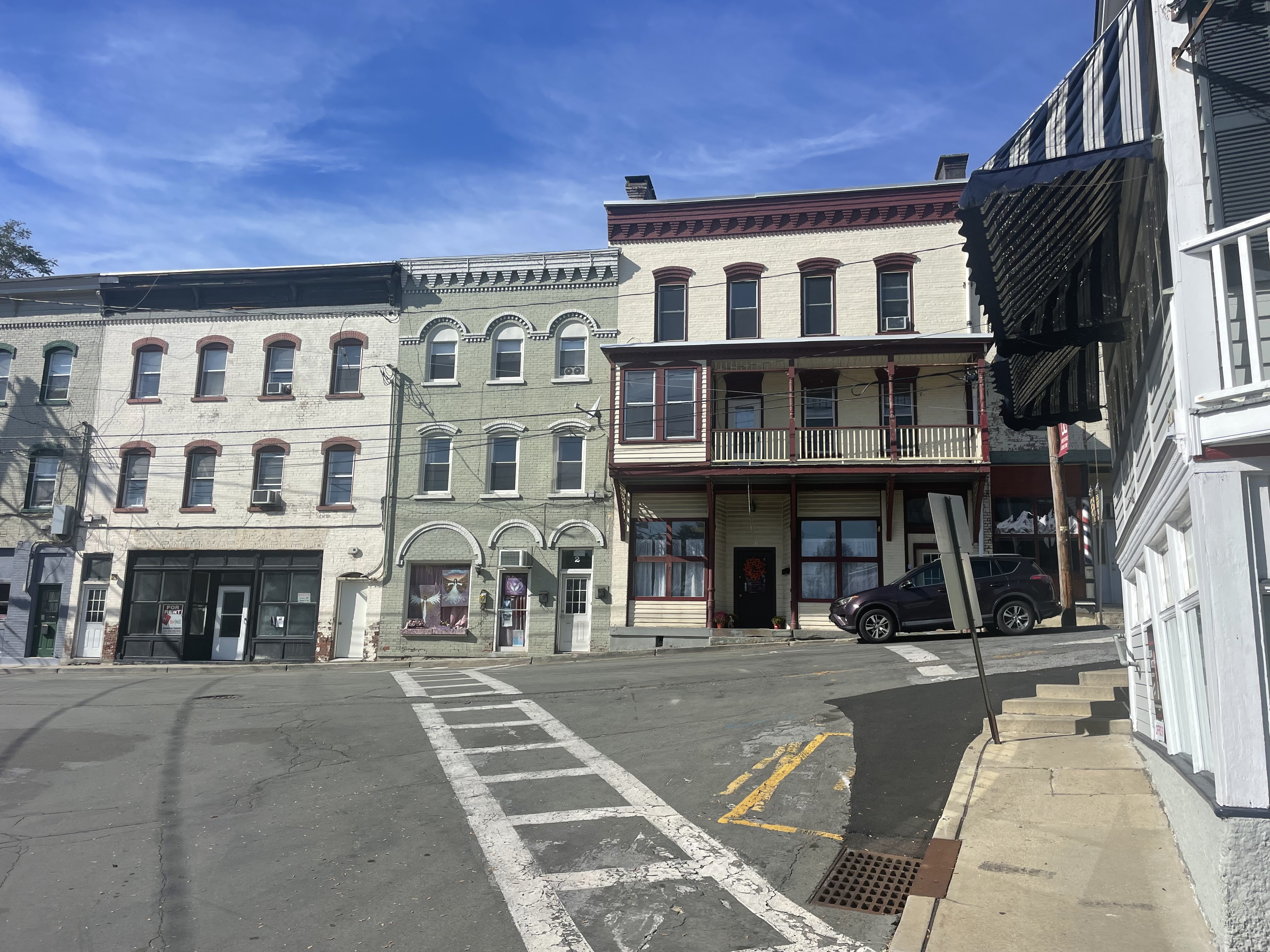
For entrepreneurs and investors interested in commercial development, hamlets offer a different playing field. Instead of large retail chains, the focus is often on supporting and developing local, unique businesses that serve the community and attract visitors. This could include boutique hospitality (B&Bs, unique restaurants), specialized retail, or artisanal production. Funding for such ventures often involves a mix of personal capital, traditional bank loans, and potentially local economic development grants or programs designed to revitalize small towns and rural areas.
Community-centric development also plays a crucial role. Investors who engage with the local community, understand its needs, and align their projects with the hamlet’s character are more likely to find financial success and community support. This might involve participating in town board meetings, collaborating with local business owners, or contributing to community initiatives. Financial models for hamlet-based businesses should account for potentially smaller market sizes but often higher customer loyalty and lower marketing costs due to word-of-mouth. Identifying gaps in local services or products can reveal profitable niches, positioning investments for sustainable growth within the hamlet’s unique economic fabric. The patient investor who understands and appreciates the distinct financial rhythm of New York hamlets is often the one who reaps the most significant rewards.
aViewFromTheCave is a participant in the Amazon Services LLC Associates Program, an affiliate advertising program designed to provide a means for sites to earn advertising fees by advertising and linking to Amazon.com. Amazon, the Amazon logo, AmazonSupply, and the AmazonSupply logo are trademarks of Amazon.com, Inc. or its affiliates. As an Amazon Associate we earn affiliate commissions from qualifying purchases.