
The landscape of personal grooming offers a myriad of choices, each carrying distinct financial implications for both consumers and service providers. Among these, the “half Brazilian bikini wax” stands out as a specific service that, while primarily aesthetic, intertwines deeply with personal budgeting, business finance, and market economics. Understanding this service from a monetary standpoint offers insights beyond mere hair removal, revealing a micro-economy of self-care.
Decoding the Service: Understanding the Investment
Before delving into the financial aspects, it’s crucial to understand what a half Brazilian bikini wax entails, as this definition forms the basis for its perceived value and pricing. From there, we can analyze the direct costs and broader investment considerations.
The Service Defined: Beyond Basic Aesthetics
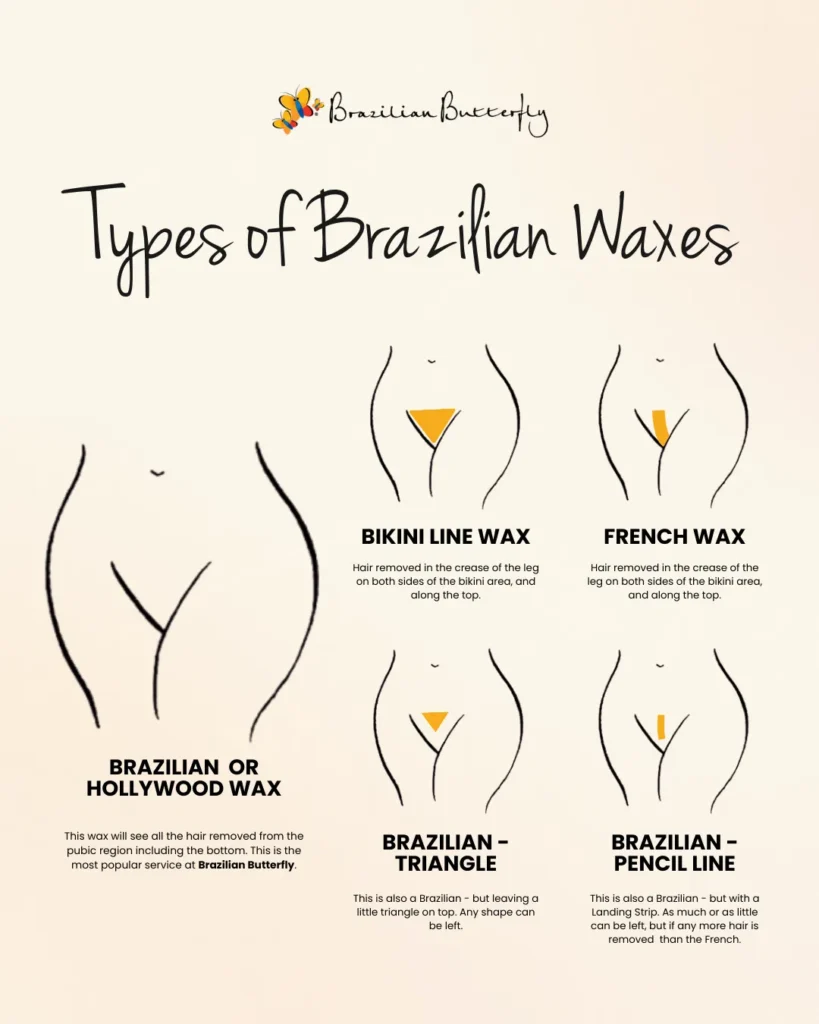
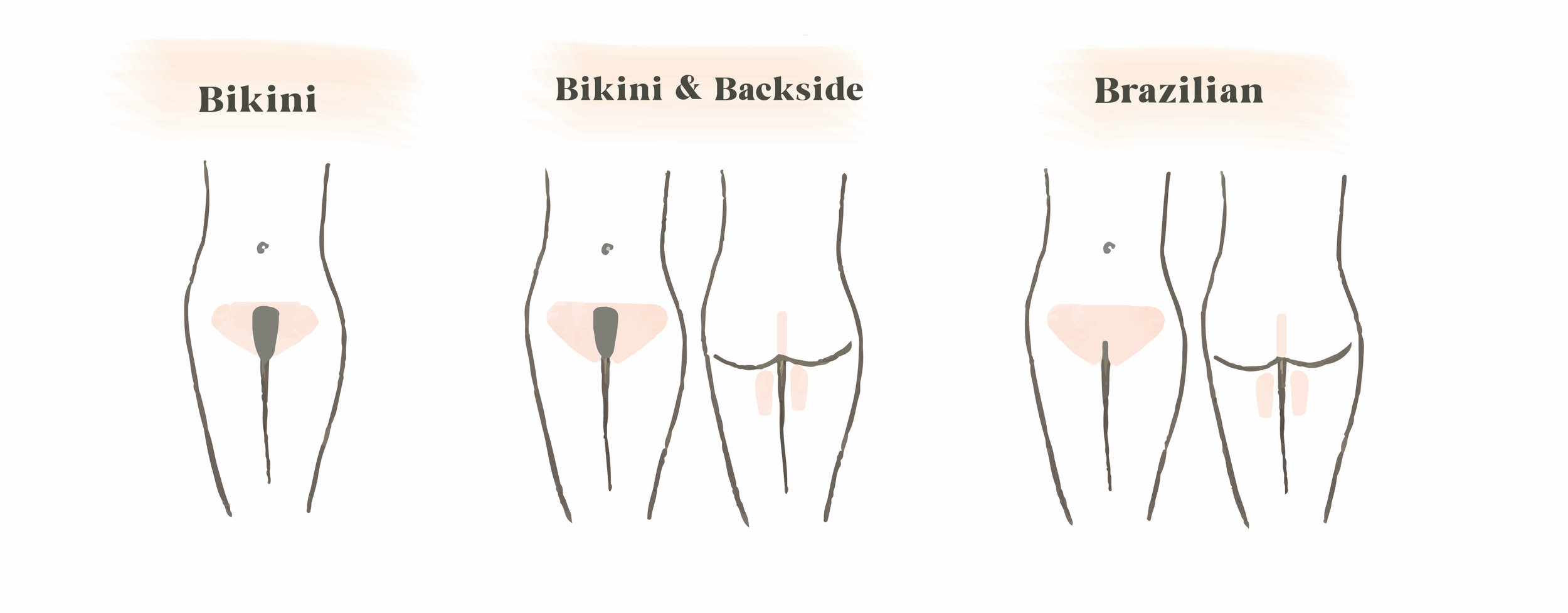
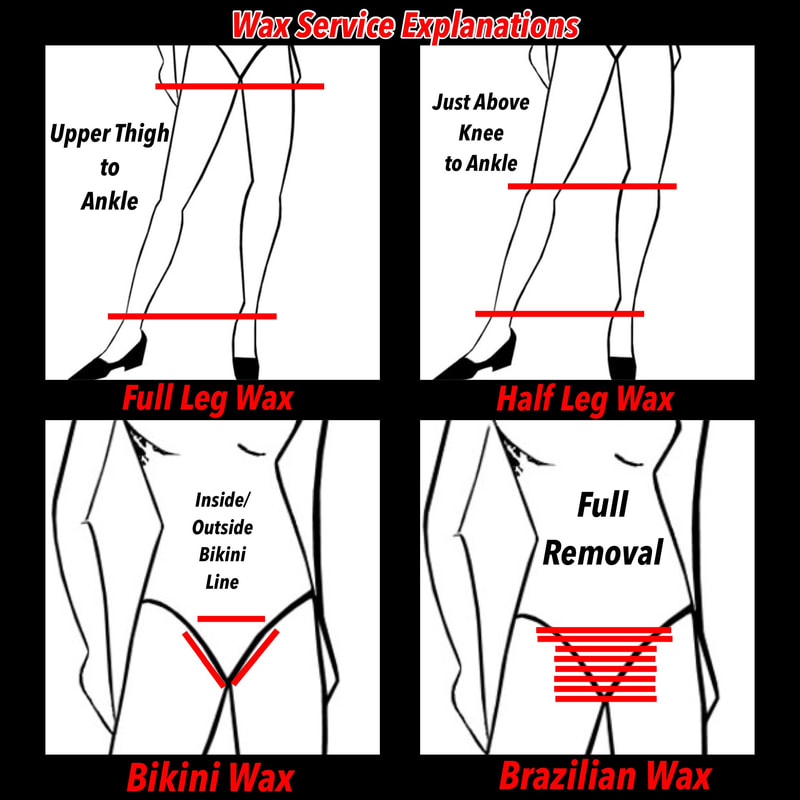
A half Brazilian bikini wax typically involves the removal of most, but not all, pubic hair from the bikini area. Unlike a full Brazilian, which removes all hair from front to back, the half Brazilian often leaves a strip, triangle, or small patch of hair on the pubic mound. This distinction is significant for consumers as it offers a specific aesthetic preference and, often, a slight difference in service duration and complexity, which can translate into varying price points. For salons, this precise definition allows for standardized service offerings and pricing tiers, distinguishing it from a basic bikini wax (sides only) or a full Brazilian. The “investment” here isn’t just the monetary cost but also the time commitment, potential discomfort, and the upkeep required to maintain the desired aesthetic, all of which contribute to its overall value proposition for the individual.
Average Cost Analysis: Regional Variations and Value Proposition
The price of a half Brazilian bikini wax is not uniform; it fluctuates significantly based on geographic location, the prestige of the salon or spa, the experience level of the esthetician, and the quality of products used. In major metropolitan areas, prices can range from $50 to $90 or more per session, while smaller towns might see prices between $30 and $60. These variations are critical for personal finance planning. The “value proposition” of a higher-priced service might include a more luxurious environment, proprietary waxing techniques that reduce discomfort, or premium post-wax care products. Consumers weigh these factors against their budget, deciding whether the perceived added value justifies a higher expenditure. From a business finance perspective, understanding regional pricing benchmarks is essential for competitive positioning and profitability, ensuring prices cover operational costs while remaining attractive to the target demographic.
Hidden Costs and Unexpected Financial Considerations
The quoted price for a half Brazilian is rarely the final expenditure. Consumers must account for several “hidden costs” that impact their overall financial outlay. Tipping, customary in the service industry, typically adds an additional 15-20% to the bill. Furthermore, maintaining the results often requires a regime of aftercare products, such as ingrown hair serums, exfoliating scrubs, and moisturizers, which can range from $10 to $50 per month. The frequency of waxing, usually every 3-6 weeks, also compounds the annual cost. For instance, a $60 wax with a $10 tip and $15 in aftercare products, done every 4 weeks, totals approximately $1,000 per year. Factoring these elements into personal budgeting is crucial for a realistic assessment of the financial commitment, preventing budget overruns and ensuring sustainable self-care practices.
Personal Finance Integration: Budgeting for Self-Care
Integrating personal grooming services like a half Brazilian wax into a comprehensive personal finance strategy requires conscious planning and the utilization of appropriate financial tools.
Incorporating Grooming into Your Personal Budget
Effective personal finance hinges on a well-structured budget. For regular services like a half Brazilian wax, this means allocating a dedicated line item. This isn’t just about earmarking funds; it’s about making conscious choices about discretionary spending. Individuals might choose to reduce expenses in other categories, such as dining out or entertainment, to accommodate their grooming preferences. Budgeting for these services requires foresight, especially considering their recurring nature. Many financial advisors recommend the 50/30/20 rule (50% for needs, 30% for wants, 20% for savings/debt repayment), and personal grooming typically falls under the “wants” category. Strategically placing these expenses ensures that self-care doesn’t derail broader financial goals, promoting a balanced approach to both immediate desires and long-term financial health.
Subscription Models vs. A La Carte: Long-Term Savings
A growing trend in the beauty industry is the introduction of subscription or membership models. Salons often offer discounted rates for clients who commit to monthly or bimonthly waxing packages. For example, an individual wax costing $65 might be reduced to $50 per session under a three-month subscription. Analyzing these models from a personal finance perspective is key to maximizing savings. While requiring an upfront commitment, subscriptions can significantly reduce the per-session cost over time, making regular grooming more affordable. However, consumers must assess their consistency and likelihood of utilizing all sessions within the package’s validity period to ensure they truly benefit. For businesses, these models provide predictable revenue streams and foster client loyalty, offering a win-win scenario when structured correctly.
Financial Tools for Tracking Personal Care Expenses
In the digital age, numerous financial tools can assist individuals in managing their personal care expenditures. Budgeting apps (e.g., Mint, YNAB), spreadsheet templates, and even dedicated expense trackers allow users to categorize and monitor spending. By tagging all waxing-related costs, including the service, tips, and aftercare products, individuals gain clear visibility into their actual outlay. This data is invaluable for making informed financial decisions, identifying areas for potential savings, or reallocating funds. For example, consistent tracking might reveal that switching to a salon with a subscription model or opting for different aftercare products could save hundreds of dollars annually, directly impacting one’s personal financial well-being.
The Business Side: Profitability and Market Dynamics
From the perspective of a salon or independent esthetician, offering a half Brazilian bikini wax is a strategic business decision rooted in profitability, market analysis, and client retention.
Salon Economics: Pricing Strategies and Overhead
For a salon, the pricing of a half Brazilian bikini wax is a delicate balance between covering overheads and remaining competitive. Overhead costs include rent, utilities, insurance, licensing fees, equipment maintenance, and staff wages or commissions. The cost of waxing supplies (wax, strips, pre- and post-wax solutions) also contributes to the per-service cost. A salon’s pricing strategy must ensure a healthy profit margin while attracting sufficient clientele. Premium salons might justify higher prices through luxurious ambiance, specialized training of estheticians, or exclusive product lines, appealing to a segment of the market less price-sensitive. Conversely, budget-friendly establishments focus on volume, offering lower prices to a broader client base. Understanding these economic levers is fundamental to sustainable business operation in the beauty industry.
Market Demand and Competitive Pricing in the Beauty Industry
The demand for services like the half Brazilian bikini wax is influenced by cultural trends, seasonal factors, and disposable income levels. Salons must conduct thorough market research to understand local demand, competitor pricing, and target demographics. Is the local market saturated with waxing services? Are consumers looking for speed and efficiency or a spa-like experience? Competitive pricing involves analyzing what rivals charge for similar services and positioning one’s own prices accordingly – either matching, undercutting, or offering premium pricing justified by superior service or unique selling propositions. This strategic pricing directly impacts a salon’s market share and overall revenue generation. Dynamic pricing, where prices may adjust based on demand or promotions, can also be a valuable tool.
Revenue Generation: Expanding Services and Client Retention
A half Brazilian bikini wax often serves as an entry point for clients into a salon’s broader service menu. Savvy businesses leverage this to expand revenue streams through cross-selling and upselling. Clients coming in for a wax might be introduced to facials, lash services, or retail products. Effective client retention strategies, such as loyalty programs, referral discounts, and personalized follow-ups, are also paramount for long-term profitability. A consistent client base for recurring services like waxing provides a stable foundation for a salon’s finances, reducing the need for constant, costly new client acquisition. Investing in customer relationship management (CRM) systems can help track client preferences and purchase history, facilitating targeted marketing and personalized service, which directly contributes to higher lifetime customer value.
Entrepreneurial Opportunities: The Half Brazilian as a Side Hustle
Beyond established salons, offering a half Brazilian bikini wax presents a viable side hustle or even a foundational business for independent beauty professionals, with its own unique financial considerations.
Starting Your Own Waxing Service: Initial Investment and ROI
For an aspiring esthetician, starting an independent waxing service requires a relatively modest initial investment compared to other business ventures. Key startup costs include esthetician licensing, specialized training, waxing equipment (wax warmer, various types of wax, applicators, strips), sanitation supplies, and a designated workspace (which could be a spare room at home or a rented booth). This initial outlay can range from a few hundred to a few thousand dollars. The Return on Investment (ROI) can be quite attractive given the low recurring product cost per service and relatively high-profit margins. Careful financial planning is essential to project income versus expenses, calculate the break-even point, and understand the timeline for recouping the initial investment.
Online Presence and Marketing for Solo Practitioners
In the digital age, an online presence is non-negotiable for an independent waxing professional. This involves creating a professional website or robust social media profiles (Instagram, TikTok, Facebook) to showcase work, share testimonials, and manage bookings. Marketing efforts should focus on local SEO, targeted social media advertising, and leveraging online booking platforms. Financial investment in marketing can range from free organic content creation to paid advertising campaigns, each with its own ROI. Effective marketing not only attracts new clients but also builds a personal brand, allowing practitioners to potentially command higher prices for their expertise and personalized service, directly impacting their income generation.
Scaling Your Beauty Business: From Side Hustle to Primary Income
Many independent estheticians begin offering a half Brazilian wax as a side hustle, gradually building their client base and financial stability. Scaling this into a primary income source involves several financial strategies. Reinvesting profits into higher-quality products, advanced training, or expanding services (e.g., adding full body waxing, lash lifts, facials) can increase earning potential. As the business grows, considerations shift to managing increased client volume, potentially hiring staff, and exploring commercial space. This transition requires a deeper understanding of business finance, including payroll, tax obligations, and scaling operational efficiency to maintain profitability while expanding, ultimately transforming a small service into a thriving enterprise.
aViewFromTheCave is a participant in the Amazon Services LLC Associates Program, an affiliate advertising program designed to provide a means for sites to earn advertising fees by advertising and linking to Amazon.com. Amazon, the Amazon logo, AmazonSupply, and the AmazonSupply logo are trademarks of Amazon.com, Inc. or its affiliates. As an Amazon Associate we earn affiliate commissions from qualifying purchases.