
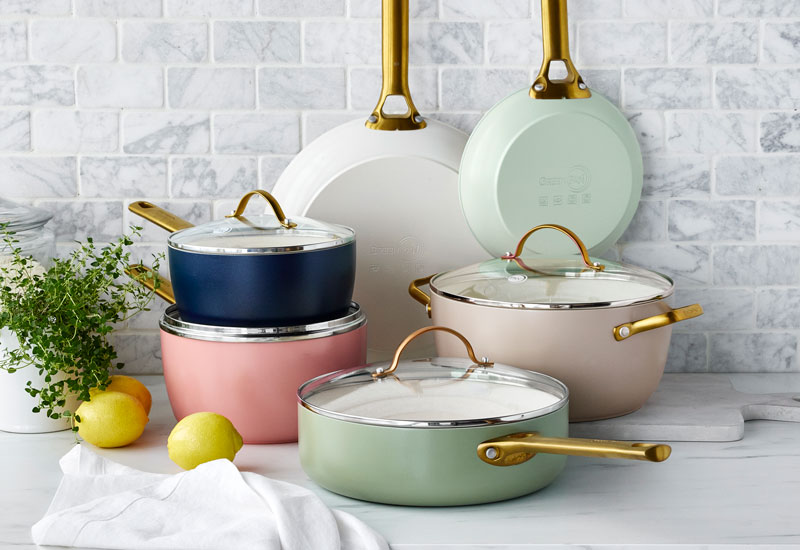
When evaluating the physical assets within a commercial kitchen or the personal equipment in a home culinary space, the conversation has shifted significantly toward material science and sustainability. The “green pan”—a term that has become synonymous with non-stick cookware manufactured without the use of traditional per- and polyfluoroalkyl substances (PFAS)—represents a critical intersection of modern manufacturing innovation and health-conscious consumer demand. To understand what a green pan is, one must look past the marketing terminology and examine the chemical engineering, thermal conductivity, and the evolving landscape of sustainable cookware technology.
The Chemistry of Non-Stick Coatings: A Technological Shift
Traditional non-stick pans have relied for decades on polytetrafluoroethylene (PTFE), commonly known by the brand name Teflon. While PTFE is remarkably effective at creating a hydrophobic, low-friction surface, it is a synthetic fluoropolymer that carries significant baggage regarding environmental persistence and potential chemical degradation at high temperatures.
The PFAS Problem
The classification of green pans revolves primarily around the elimination of PFOA (perfluorooctanoic acid) and other PFAS, often referred to as “forever chemicals.” These compounds have been linked to various environmental hazards and health concerns, leading to a massive regulatory and consumer shift away from conventional non-stick coatings. When a pan is labeled “green,” it generally indicates a move toward ceramic-based non-stick technology rather than fluorinated polymers.
Ceramic Sol-Gel Technology
Green pans typically utilize a sol-gel coating derived from silica, which is essentially sand. This process involves creating a liquid solution that is sprayed onto the metal substrate of the pan—usually aluminum or stainless steel—and then cured at high temperatures. The result is a smooth, glass-like ceramic surface that provides non-stick properties without the chemical bonds associated with PTFE. From a technological standpoint, this is a significant pivot in material engineering, focusing on mineral-based compositions rather than synthetic petro-chemistry.
Performance Metrics and Thermal Engineering
Transitioning to green pans requires an understanding of how these surfaces interact with heat. While the primary appeal is the absence of toxic chemicals, the performance characteristics differ substantially from traditional PTFE coatings, necessitating a shift in user behavior and maintenance protocols.
Heat Conductivity and Distribution
Most high-quality green pans are constructed with a heavy-gauge aluminum core or a stainless-steel base, topped with the ceramic coating. Aluminum is favored for its rapid heat conduction, ensuring that the pan responds quickly to adjustments in burner output. However, because the ceramic surface is naturally more brittle than a polymer-based coating, green pans are highly sensitive to thermal shock. Rapidly changing temperatures, such as taking a hot pan directly from the stove and placing it into cold water, can cause the ceramic layer to micro-crack, leading to a degradation of the non-stick properties over time.
The “Dry Heat” Limitation
Unlike PTFE pans, which are designed to withstand a degree of “forgiveness” in heat management, ceramic green pans are engineered for low-to-medium heat. The chemical bonds of the ceramic sol-gel coating can begin to break down if exposed to consistently high heat (typically above 450°F or 230°C). This is a critical technological distinction: the pan is safer from a toxicological perspective, but it is less durable in terms of high-heat performance. Consequently, users are encouraged to use oils with high smoke points and to avoid the use of cooking sprays, which contain emulsifiers that can polymerize on the ceramic surface and create a sticky, gummy residue that is difficult to remove.

Sustainability and Lifecycle Analysis
The “green” in green pan refers not only to the user’s health but also to the manufacturing footprint. When analyzing the lifecycle of these products, we find a departure from the traditional industrial model of heavy fluorochemical waste.
Reduced Carbon Footprint in Production
The production of traditional PTFE-coated cookware involves complex chemical synthesis and significant waste-management protocols to prevent the release of PFAS into local water supplies. Ceramic coatings, conversely, are largely mineral-based. The curing process for sol-gel coatings generally requires less energy and involves fewer hazardous byproducts, positioning green pans as the preferred choice for companies aiming to reduce their Environmental, Social, and Governance (ESG) impact.
Durability vs. Disposability
A major critique of the green pan market is the longevity of the non-stick surface. Because the ceramic layer is thin and prone to mechanical wear from metal utensils, these pans have a shorter “prime” lifespan compared to traditional hardened anodized cookware. From a sustainability perspective, this creates a paradox: if a pan must be replaced every 18 to 24 months, is it truly “green”? Manufacturers are currently addressing this by integrating diamond-dust or titanium-reinforced ceramic coatings, which increase the Vickers hardness of the surface, thereby extending the utility of the product and reducing the frequency of replacement.
Maintenance and Best Practices for Longevity
For those investing in green pans, maintaining the integrity of the surface is an exercise in disciplined usage. Because the surface is not chemically “slick” in the same way PTFE is, it relies on the microscopic smooth finish of the cured silica. If this surface is compromised, the non-stick functionality vanishes.
Cleaning Protocols
The industry standard for cleaning green pans is hand-washing with a soft sponge and mild detergent. The use of abrasive scrubbers, steel wool, or harsh caustic dishwasher tablets is discouraged, as these will erode the ceramic coating over time. Furthermore, most dishwasher detergents contain aggressive chemicals and high-heat cycles that can cause the ceramic surface to dry out and lose its hydrophobic properties.
Strategic Storage
Storage is another area where material science dictates best practices. Stacking green pans without protection leads to scratching, which creates focal points for food adhesion. Using pan protectors—felt pads or silicone inserts—is not merely a suggestion for keeping the pan looking new; it is a structural necessity to prevent the ceramic coating from chipping. By treating the pan as a delicate piece of precision engineering rather than an industrial workhorse, the owner can significantly extend the usable life of the tool.

The Future of Cookware Innovation
The green pan market is currently at the forefront of a broader trend in kitchen technology. As consumer awareness regarding microplastics and chemical leaching grows, the industry is moving toward even more advanced iterations of non-stick technology. We are beginning to see the rise of hybrid surfaces that combine the durability of cast iron with the non-stick ease of sol-gel coatings.
The “green pan” is more than just a marketing trend; it is a fundamental shift in the relationship between the consumer, the manufacturer, and the chemical composition of our tools. As we move away from persistent synthetic polymers, the focus is shifting toward natural, abundant minerals like silica. While this requires a more nuanced approach to temperature control and maintenance, it represents a necessary evolution in home and professional kitchen safety. Whether one chooses these pans for health benefits, environmental concerns, or simply to stay abreast of the latest culinary technology, the green pan serves as the primary example of how high-performance tools can be redesigned with a safer, more sustainable footprint.
aViewFromTheCave is a participant in the Amazon Services LLC Associates Program, an affiliate advertising program designed to provide a means for sites to earn advertising fees by advertising and linking to Amazon.com. Amazon, the Amazon logo, AmazonSupply, and the AmazonSupply logo are trademarks of Amazon.com, Inc. or its affiliates. As an Amazon Associate we earn affiliate commissions from qualifying purchases.