
In the modern healthcare landscape, the “creatinine test” is far more than a simple biological measurement; it represents a sophisticated intersection of biochemical engineering, data science, and digital health monitoring. As we transition deeper into the era of HealthTech, understanding what a creatinine test is for requires a look through the lens of the technological innovations that make diagnostic precision possible. This article explores the evolution of renal diagnostic tech, the role of artificial intelligence in predictive nephrology, and the future of wearable monitoring systems.
The Evolution of Diagnostic Technology: From Manual Assays to High-Throughput Automation
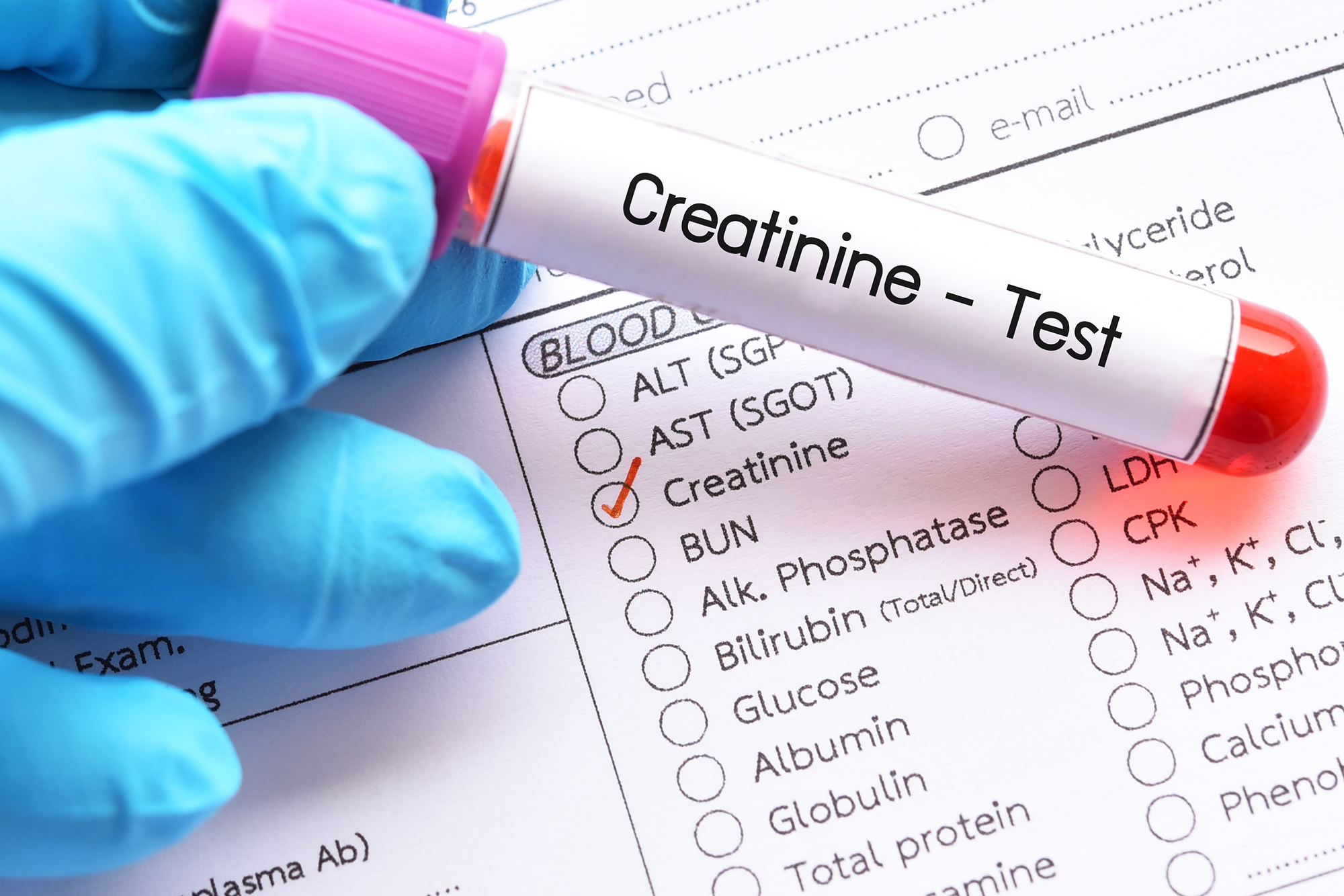
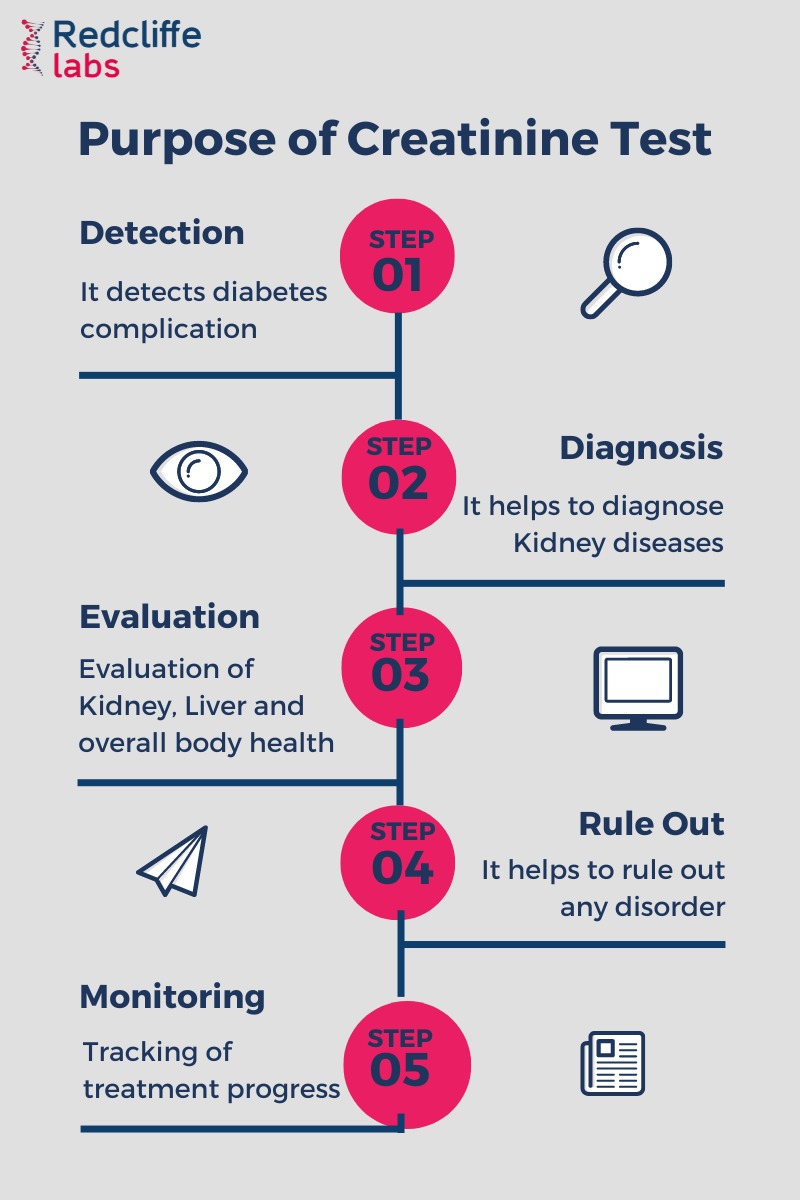
The creatinine test measures the level of creatinine in the blood or urine to gauge how well the kidneys are filtering waste. While the biological premise is decades old, the technology used to perform these tests has undergone a radical digital transformation.

From Manual Assays to Automated Chemistry Analyzers
In the early days of clinical pathology, creatinine levels were determined through manual colorimetric methods, most notably the Jaffe reaction. Today, this process is managed by high-throughput automated chemistry analyzers. These machines are marvels of robotics and optical sensors. Modern analyzers utilize advanced spectrophotometry—a technique that measures how much a chemical substance absorbs light by observing the intensity of light as a beam passes through sample solution.
The software controlling these machines manages complex workflows, ensuring that thousands of samples are processed with minimal human intervention. This automation reduces “analytical noise”—the errors introduced by manual handling—and ensures that the data fed into a patient’s Electronic Health Record (EHR) is both accurate and reproducible.
The Role of Biosensors in Point-of-Care Testing (POCT)
One of the most significant shifts in medical tech is the move from centralized labs to Point-of-Care Testing (POCT). Portable creatinine analyzers now utilize enzymatic biosensors. These sensors consist of a biological recognition element (like the enzyme creatinine amidohydrolase) coupled with a transducer.
When a drop of blood is applied to the sensor, a chemical reaction generates an electrical signal proportional to the creatinine concentration. The tech inside these handheld devices converts this analog signal into a digital value within seconds. This rapid-cycle hardware is essential for emergency departments and intensive care units where immediate data on kidney function can influence life-saving technological interventions, such as the calibration of dialysis machines.
AI and Machine Learning in Interpreting Results: Beyond the Raw Data
In the tech sector, we often say that data is the new oil, but it is useless without refinement. A raw creatinine number means little without context. This is where software algorithms and Artificial Intelligence (AI) have revolutionized the “what” and “why” of the test.
Predictive Analytics for Chronic Kidney Disease (CKD)
Artificial Intelligence is now being used to analyze longitudinal creatinine data—records of a patient’s levels over several years. Machine learning models can identify subtle trends that the human eye might miss. For instance, a “normal” creatinine level that is slowly creeping upward within the reference range might be flagged by a predictive algorithm as an early sign of Chronic Kidney Disease (CKD).
These AI tools integrate creatinine levels with other digital data points, such as age, weight, and comorbidities pulled from the EHR. By applying deep learning architectures, developers have created “Early Warning Systems” (EWS) that alert clinicians to the risk of Acute Kidney Injury (AKI) up to 48 hours before it occurs, potentially saving lives through proactive technological monitoring.
Enhancing GFR Calculations with Algorithmic Precision
The creatinine test is the primary input for calculating the Glomerular Filtration Rate (GFR), which is the gold standard for measuring kidney function. Historically, this was a manual calculation. Today, it is an automated software function.
Sophisticated software suites now use updated equations (like the CKD-EPI 2021 formula) that remove race-based variables to provide more equitable and accurate digital health assessments. By automating these calculations, health systems ensure that every creatinine test result is instantly translated into a meaningful metric of organ performance, allowing for automated staging of kidney disease within the patient’s digital profile.
Wearables and the Future of Continuous Monitoring
The most exciting frontier in the tech niche regarding creatinine testing is the transition from episodic testing (getting a blood draw once a year) to continuous, real-time monitoring.
Smart Patches and Micro-needle Technology
The next generation of wearable tech is moving beyond tracking steps and heart rates to tracking biochemistry. Research and development are currently focused on “smart patches”—wearable biosensors that use microneedles to sample interstitial fluid.
These devices are designed to monitor creatinine levels in real-time. From a tech perspective, this involves miniaturizing the laboratory-on-a-chip (LOC) technology. These chips must be able to perform microfluidic processing, signal transduction, and wireless data transmission (via Bluetooth or NFC) to a smartphone app, all while being powered by a battery the size of a coin. This level of hardware integration represents the pinnacle of current biomedical engineering.
Integrating Lab Data with Digital Health Ecosystems
As creatinine testing becomes more decentralized, the focus shifts to data integration. The “Internet of Medical Things” (IoMT) ensures that a creatinine result from a home-based testing kit or a wearable patch is seamlessly uploaded to the cloud.
Through API integrations, this data can be shared with various stakeholders. For a patient, it might mean a notification on their Apple Health or Google Fit app. For a physician, it means the data is automatically graphed within their clinical dashboard. This ecosystem approach transforms the creatinine test from a static PDF report into a dynamic data stream that informs personalized health interventions.
Data Security and Interoperability in Clinical Testing
With the rise of digital diagnostics, the security of the data generated by a creatinine test has become a paramount concern for IT professionals in the healthcare space.
Blockchain for Secure Laboratory Information Systems (LIS)
Laboratory Information Systems (LIS) are the software backbones of diagnostic centers. To ensure the integrity of creatinine test results, some tech forward-thinking institutions are exploring blockchain technology. By using a decentralized ledger, the “provenance” of a test result can be verified. This prevents unauthorized tampering with medical records and ensures that the data used for clinical decisions is identical to the data generated by the lab’s hardware.
Furthermore, blockchain can facilitate “smart contracts” between laboratories and insurance providers, automating the billing process once a creatinine test result is digitally verified and delivered to the patient’s portal.
The Standardized Language of Health: HL7 and FHIR Protocols
For a creatinine test to be useful across different tech platforms, the data must speak a common language. This is achieved through interoperability standards like HL7 (Health Level Seven) and FHIR (Fast Healthcare Interoperability Resources).
These protocols allow a creatinine result generated by a Siemens analyzer in a hospital to be accurately read by a specialized nephrology software developed by a third-party startup. In the tech world, this seamless exchange of data is what allows for the creation of “Digital Twins”—virtual models of a patient’s physiology that can be used to simulate how a specific medication might affect their kidney function based on their latest creatinine data.
The Digital Transformation of the Diagnostic Journey
In conclusion, when we ask “what a creatinine test is for” in the context of modern technology, the answer extends far beyond biology. It is a vital data input for the digital healthcare engine. It is the catalyst for AI-driven predictive modeling, the focus of cutting-edge wearable hardware development, and a test case for the security and interoperability of the IoMT.
As technology continues to advance, the creatinine test will move further away from the needle and the lab bench, and closer to the sensor and the cloud. We are moving toward a future where our digital devices will monitor our internal chemistry with the same ease that they currently monitor our location or our screen time. In this future, the creatinine test remains the fundamental metric of renal health, but its delivery is powered by the most sophisticated software and hardware human ingenuity has to offer.
aViewFromTheCave is a participant in the Amazon Services LLC Associates Program, an affiliate advertising program designed to provide a means for sites to earn advertising fees by advertising and linking to Amazon.com. Amazon, the Amazon logo, AmazonSupply, and the AmazonSupply logo are trademarks of Amazon.com, Inc. or its affiliates. As an Amazon Associate we earn affiliate commissions from qualifying purchases.