
In the world of personal and business finance, understanding the landscape of the organizations you interact with is a prerequisite for success. Among the most complex yet influential of these organizations is the “government entity.” While the term might sound like legal jargon reserved for constitutional lawyers, it carries profound weight for entrepreneurs, investors, and financial professionals. Whether you are seeking a lucrative government contract, investing in municipal bonds, or navigating the tax implications of public-sector partnerships, defining what a government entity is—and how it functions financially—is the first step toward strategic mastery.
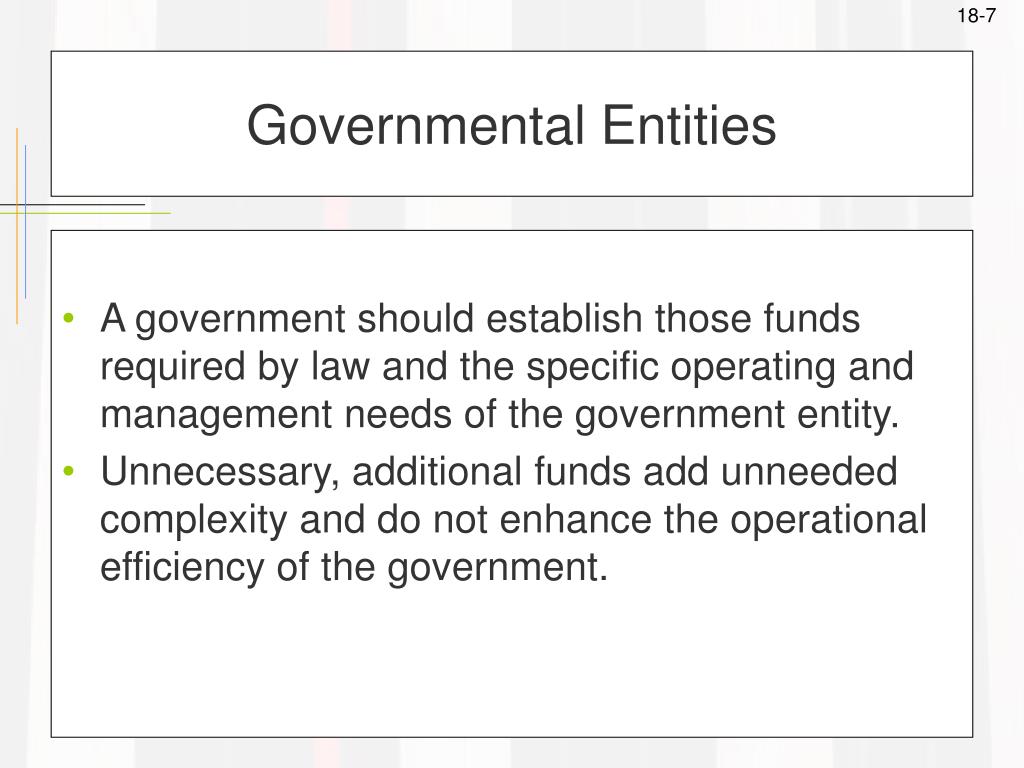
A government entity, at its core, is any organization, agency, or department created by a legislative body to carry out specific public functions. These entities are funded primarily through tax revenue, public fees, or government-issued debt. However, from a financial perspective, they are more than just bureaucratic offices; they are massive economic engines that dictate market regulations, provide capital, and represent some of the most stable debt-issuing bodies in the global economy.
The Hierarchy of Government Entities: From Federal Giants to Local Agencies
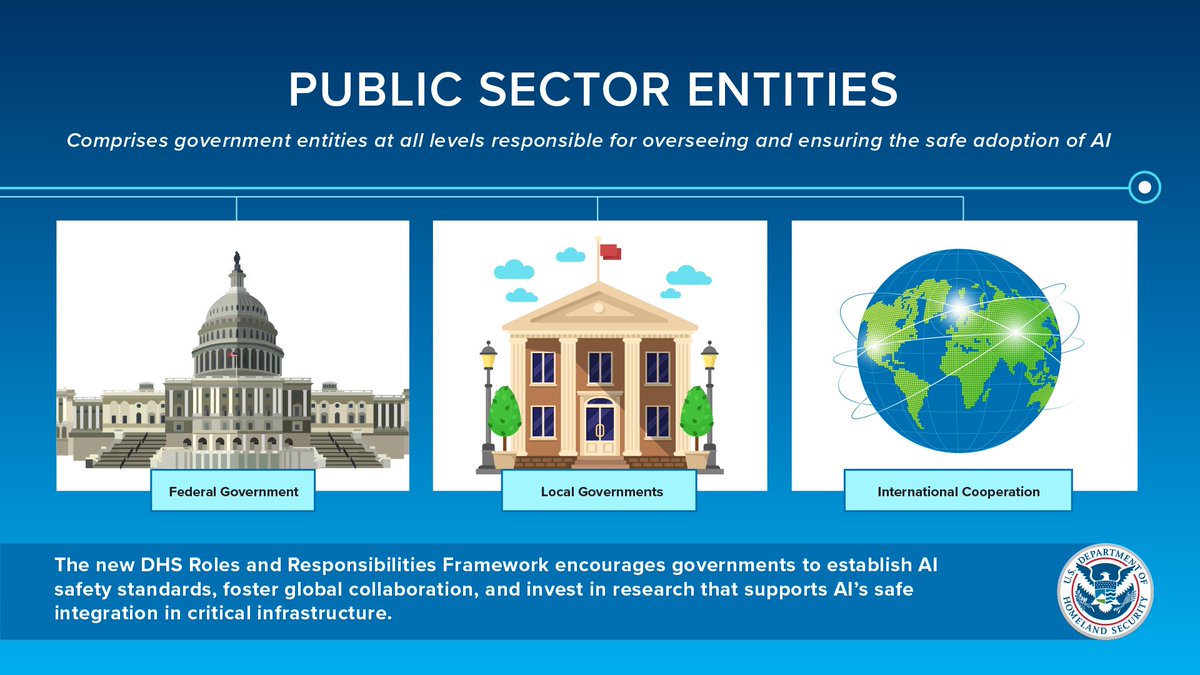
To understand the financial footprint of government entities, one must first recognize that they are not a monolith. They exist in a tiered hierarchy, each with its own budgetary constraints, revenue sources, and regulatory powers.
Federal Departments and Independent Agencies
At the highest level are federal government entities. These include massive departments like the Department of Defense (DoD) or the Department of the Treasury. In the niche of money and business, independent agencies like the Securities and Exchange Commission (SEC) or the Federal Reserve are the most critical. These entities do not just spend money; they regulate the flow of it. For a business owner, a federal entity might be a regulator, but for a government contractor, it is a client with a multi-billion dollar budget that remains relatively stable regardless of consumer market fluctuations.
State and Provincial Authorities
State government entities operate with a degree of sovereignty that allows them to manage their own financial ecosystems. This includes state departments of revenue, transportation authorities, and public university systems. From an investment standpoint, state entities are significant because they issue debt (bonds) to fund infrastructure. These “State-level” entities often have different credit ratings than the federal government, making them a unique asset class for fixed-income investors.
Municipalities and Special-Purpose Districts
The most granular level of government entity is the local or municipal level. This includes cities, counties, and school districts. However, a crucial sub-category often overlooked in business finance is the “Special-Purpose District.” These are independent government entities—such as water districts, port authorities, or regional transit authorities—that exist for one specific function. They have the power to tax residents or charge fees, and they often manage their own independent budgets, making them key players in local economic development and real estate investment.
The B2G Marketplace: How Government Entities Function as Clients
For many entrepreneurs, the most important aspect of a government entity is its role as a purchaser. This is known as the Business-to-Government (B2G) sector. Unlike the B2B or B2C sectors, selling to a government entity involves specialized financial protocols and procurement laws.
The Stability of Public Procurement
One of the primary reasons businesses target government entities is financial stability. While a private corporation might go bankrupt or slash its budget during a recession, a government entity operates on a budget cycle often determined years in advance. For a business, securing a contract with a government entity provides a “recession-proof” revenue stream. These entities are legally required to fulfill their contractual obligations, and their ability to print money or levy taxes makes them the most creditworthy clients in the world.
Navigating the Federal Acquisition Regulation (FAR)
Financial officers must understand that doing business with a government entity requires a higher level of transparency. Most federal entities operate under the Federal Acquisition Regulation (FAR), which dictates how they can spend money. This involves strict auditing of a company’s financial health, overhead rates, and profit margins. To succeed in this niche, a company’s finance department must be equipped to handle rigorous compliance reporting, ensuring that every dollar billed to the public entity is accounted for according to specific statutory requirements.
Grants and Subsidies as Financial Tools
Beyond direct purchasing, government entities serve as a source of non-dilutive capital. Through grants (such as the SBIR program in the U.S.), government entities fund innovation in the private sector without taking equity. For startups and tech-heavy firms, identifying the right government entity—be it the Department of Energy or the Small Business Administration—can be the difference between a failed venture and a fully funded breakthrough.
Financial Reporting and Oversight: GASB vs. FASB

In the world of business finance, the “rules of the game” are defined by accounting standards. While private companies follow the Financial Accounting Standards Board (FASB) guidelines, government entities follow a different set of rules established by the Governmental Accounting Standards Board (GASB).
The Concept of Fund Accounting
The most significant difference in how a government entity manages its money is “Fund Accounting.” Unlike a corporation that focuses on a single bottom line (net income), a government entity must segregate its resources into different funds to ensure they are used for their intended legal purposes. For instance, a city might have a “General Fund” for daily operations and a “Capital Projects Fund” for building a new bridge. Understanding this distinction is vital for anyone analyzing the financial health of a government entity before investing in its debt.
Transparency and the Comprehensive Annual Financial Report (CAFR)
Government entities are held to a high standard of public transparency. They produce what is known as a Comprehensive Annual Financial Report (CAFR). For investors in the “Money” niche, the CAFR is a goldmine of information. It provides a detailed look at the entity’s assets, liabilities, and long-term pension obligations. Analyzing these reports allows investors to assess the risk of “municipal default,” an event that, while rare, can have catastrophic effects on a portfolio.
Audit Requirements and Accountability
Because government entities spend taxpayer money, they are subject to “Yellow Book” audits (Government Auditing Standards). These audits go beyond traditional financial statements to look at “performance auditing”—essentially asking if the entity is achieving its goals efficiently. For businesses partnering with these entities, being aware of these audit cycles is essential for maintaining long-term financial relationships and ensuring contract renewals.
Investing in Government Entities: The World of Municipal Bonds
For individual and institutional investors, government entities represent a core component of a diversified portfolio. This is primarily accessed through the municipal bond market, where government entities borrow money from the public to fund operations and infrastructure.
Tax Advantages of Government Debt
The primary draw of investing in debt issued by a government entity is the tax treatment. In many jurisdictions, the interest earned on municipal bonds is exempt from federal income tax and, in some cases, state and local taxes as well. This “triple-tax-exempt” status makes government entities a preferred vehicle for high-net-worth individuals looking to preserve capital while generating steady, tax-advantaged income.
Assessing Credit Risk in the Public Sector
Not all government entities are created equal. Just as a business has a credit score, government entities have credit ratings provided by agencies like Moody’s or S&P. These ratings are based on the entity’s “tax base”—the economic health of the citizens and businesses within its jurisdiction. A city with a shrinking population and high debt represents a different financial risk than a growing port authority with diversified revenue streams. Understanding the “sovereign risk” or “local credit risk” is a specialized skill set within the world of high-finance.
Social Impact and “Green” Bonds
A new trend in the money niche is the rise of “Social” or “Green” bonds issued by government entities. These are financial instruments where the capital is earmarked for projects with environmental or social benefits, such as clean water systems or affordable housing. This allows investors to align their financial goals with societal impact, all while backed by the taxing power of a government entity.
The Future of Government Entities in a Digital Economy
As we move further into the 21st century, the definition and function of government entities are evolving alongside technology and new financial theories. The “Money” aspect of government is becoming increasingly digital, which has direct implications for how businesses and individuals interact with them.
Central Bank Digital Currencies (CBDCs)
Perhaps the most significant financial shift on the horizon is the development of CBDCs by government entities like the Federal Reserve or the European Central Bank. This would redefine the very nature of “government money,” moving it from a physical or commercial-bank-ledger system to a direct digital relationship between the citizen and the government entity. For businesses, this could streamline B2G payments and reduce the friction of financial compliance.
Public-Private Partnerships (P3s)
The line between a government entity and a private corporation is blurring through Public-Private Partnerships. In these arrangements, a government entity provides the regulatory framework and some capital, while a private firm provides the expertise and operational management. From a business finance perspective, P3s represent a unique asset class that offers the stability of a government entity with the profit-incentive of the private sector.
The Role of Government Entities in Regulatory Sandboxes
In the fintech and crypto sectors, government entities are increasingly using “regulatory sandboxes.” These are controlled environments where the government allows companies to test financial innovations without the full burden of existing regulations. This demonstrates a shift in the government entity’s role from a static regulator to an active participant in the financial evolution of the market.
In conclusion, a government entity is far more than a branch of the state; it is a fundamental pillar of the global financial system. For those in the “Money” niche—be they investors, entrepreneurs, or financial planners—understanding the nuances of how these entities are structured, how they account for their wealth, and how they engage with the private sector is essential. By mastering the complexities of government entities, you can unlock more stable revenue streams, take advantage of unique tax benefits, and navigate the regulatory environment with confidence.
aViewFromTheCave is a participant in the Amazon Services LLC Associates Program, an affiliate advertising program designed to provide a means for sites to earn advertising fees by advertising and linking to Amazon.com. Amazon, the Amazon logo, AmazonSupply, and the AmazonSupply logo are trademarks of Amazon.com, Inc. or its affiliates. As an Amazon Associate we earn affiliate commissions from qualifying purchases.