
In an increasingly digital world, managing personal finances effectively is paramount. While traditional bank accounts and credit cards remain staples for many, a growing segment of the population is discovering the unique utility of prepaid debit cards. These financial tools offer a compelling alternative for managing money, providing a blend of convenience, control, and accessibility without the need for a bank account or a credit check. But with a myriad of options flooding the market, discerning “what is a good prepaid debit card” requires a clear understanding of their mechanics, benefits, and the critical features that differentiate the best from the rest. This article delves into the financial landscape of prepaid debit cards, guiding you through the essential considerations to help you find the perfect fit for your monetary needs.
Understanding Prepaid Debit Cards: Basics and Benefits
Prepaid debit cards occupy a distinct niche in the financial ecosystem, offering a bridge between cash and traditional banking services. They are an excellent tool for specific financial situations, providing flexibility and control often missing from other payment methods.
What Exactly is a Prepaid Debit Card?
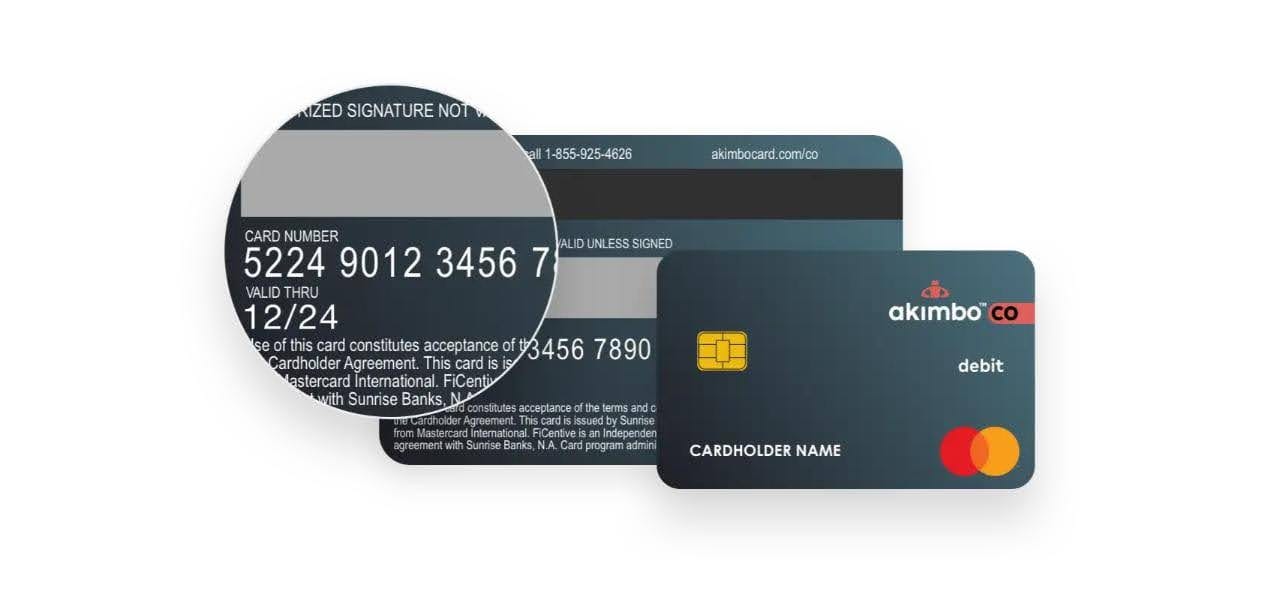
At its core, a prepaid debit card is a payment card that you load with money beforehand. Unlike a traditional debit card, which is linked directly to a bank account, a prepaid card is not. And unlike a credit card, which allows you to borrow money up to a certain limit, a prepaid card only allows you to spend the funds you have loaded onto it. Think of it like a gift card, but one you can reload repeatedly and use almost anywhere a major credit or debit card (like Visa or Mastercard) is accepted.
When you use a prepaid card, the funds are deducted directly from the balance you’ve loaded. This mechanism makes it impossible to overdraw, as transactions will simply be declined if there aren’t sufficient funds. This fundamental difference is a key appeal for many users looking for strict spending control. Setting up a prepaid card typically requires minimal personal information, often just your name, address, and date of birth, and there is no credit check involved, making them accessible to a broad demographic.
Who Can Benefit Most?
The versatility of prepaid debit cards makes them suitable for a diverse range of individuals and financial scenarios:
-
The Unbanked and Underbanked: For those who don’t have a traditional checking account, or have limited access to banking services, a prepaid card offers a vital gateway to the digital economy. It allows them to receive direct deposits, pay bills online, and make purchases without carrying large amounts of cash.
-
Budget-Conscious Individuals: Those struggling with overspending or looking to stick to a strict budget can benefit immensely. By only loading a predetermined amount, users are physically limited in their spending, preventing impulse purchases and accumulating debt.
-
Individuals Building or Rebuilding Credit (Indirectly): While prepaid cards don’t directly build credit history (as they aren’t lines of credit), they can be a stepping stone. They allow users to manage their money responsibly, transition to direct deposit, and build financial habits that can later support opening a traditional bank account or a secured credit card.
-
Parents of Teenagers: Prepaid cards are an excellent way to provide teenagers with spending money, teach them financial responsibility, and monitor their expenditures without giving them access to a main bank account.
-
Travelers: Using a prepaid card for travel can be safer than carrying cash and can protect your primary bank account from potential fraud. You can load a specific amount for your trip, limiting your exposure if the card is lost or stolen.
-
Online Shoppers Concerned About Security: For those who prefer not to use their primary bank card for online purchases, a prepaid card can act as a buffer, safeguarding their main funds from potential data breaches.
Key Advantages They Offer
The appeal of prepaid debit cards stems from several distinct advantages:
-
No Credit Check: Accessibility is a major draw. Anyone can get a prepaid card regardless of their credit history.
-
Spending Control: The “load and spend” model inherently enforces budgeting, preventing overdrafts and debt.
-
Fraud Protection: Many prepaid cards offer similar fraud protection to traditional debit and credit cards, protecting your loaded funds if the card is used without authorization.
-
Direct Deposit Capability: Most good prepaid cards allow users to set up direct deposit for paychecks, government benefits, or tax refunds, often providing access to funds earlier than traditional banks.
-
Online Bill Pay: Conveniently pay utilities, rent, and other bills online, just like with a standard bank account.
-
Convenience: Accepted wherever major credit and debit cards are, making online and in-store purchases seamless.
Navigating the Landscape: Key Features to Look For
Choosing a “good” prepaid debit card is less about finding a universally perfect option and more about identifying the card that best aligns with your individual financial habits and priorities. The market is saturated with choices, each with its own set of features and, crucially, fee structures.
Fee Structures: The Ultimate Decider
Fees are the single most important factor to scrutinize when selecting a prepaid debit card. What might seem like a small charge can quickly erode your loaded funds, undermining the card’s value. A good prepaid card will have transparent, manageable, or ideally, minimal fees.
-
Monthly Maintenance Fees: Many cards charge a monthly fee, which can range from a few dollars to upwards of $10. Look for cards that waive this fee with direct deposit, a minimum monthly load, or simply don’t charge one.
-
Activation Fees: Some cards charge a one-time fee to activate. While often small, it’s an upfront cost to consider.
-
Transaction Fees: While less common for signature-based purchases, some cards might charge for PIN-based transactions, declined transactions, or point-of-sale cash back.
-
Reload Fees: This is a crucial one. How much does it cost to add money to your card? Fees for cash loads at retail locations (like Green Dot) are common. Look for cards that offer free direct deposit and low-cost or free alternative reload methods.
-
ATM Fees: You’ll likely encounter fees for ATM withdrawals, both from the card provider and the ATM owner. Seek cards that are part of extensive fee-free ATM networks.
-
Inactivity Fees: Some cards charge a fee if you don’t use them for a certain period.
-
Balance Inquiry Fees: Unnecessary fees for checking your balance at an ATM. A good card offers free balance checks via app or online.
The goal is to find a card where your typical usage pattern minimizes or eliminates these fees.
Loading and Reloading Options
The ease and cost of adding money to your card directly impact its convenience.
-
Direct Deposit: The most convenient and often free method for most cards, allowing you to set up automatic deposits from your employer or government benefits.
-
Cash Loads: Partners with retail networks (e.g., Green Dot, Vanilla Direct Load) allow you to add cash at thousands of locations. Understand the associated fees.
-
Bank Transfers: Some cards allow you to link an external bank account to transfer funds.
-
Mobile Check Deposit: A growing feature that lets you deposit checks using your smartphone camera.
-
Credit/Debit Card Transfers: Less common and often costly, but some cards allow you to fund them using another card.
A good prepaid card offers multiple, low-cost or free ways to load money, catering to different user preferences.
ATM Access and Network
For those who still need cash, ATM accessibility is vital. Most prepaid cards operate on major networks like Visa or Mastercard, ensuring wide acceptance for purchases. However, ATM fees can be a drain.
-
Fee-Free ATM Networks: Prioritize cards that offer access to large, fee-free ATM networks (e.g., Allpoint, MoneyPass).
-
International Use: If you plan to travel, check for international transaction fees and acceptance abroad.
Online Banking and Mobile Apps
In the digital age, a robust online platform and a user-friendly mobile app are non-negotiable for a good prepaid card. These tools allow you to:
-
Check your balance and transaction history instantly.
-
Set up and manage direct deposits.
-
Pay bills online.
-
Receive alerts for transactions and low balances.
-
Locate nearby reload locations or fee-free ATMs.
-
Temporarily lock or unlock your card for security.
A well-designed app enhances convenience and provides greater control over your funds.
FDIC Insurance
Perhaps the most critical security feature: ensure your prepaid debit card is FDIC-insured. This means your funds (up to $250,000) are protected by the U.S. government in case the issuing bank fails. Most reputable prepaid cards are issued by FDIC-insured banks, but always confirm this for peace of mind.
Top Contenders in the Prepaid Debit Card Market (General Categories)
While specific brand names can fluctuate in features and fees, we can categorize the types of “good” prepaid cards based on the needs they best serve.

Cards for Everyday Spending & Budgeting
These cards excel in offering low or no monthly fees, especially when direct deposit is utilized. They typically come with intuitive mobile apps that provide real-time balance updates, transaction history, and often budgeting tools. Their primary focus is on making daily transactions seamless and cost-effective, helping users stick to a predefined spending limit. Look for cards with free direct deposit, widespread acceptance, and minimal ATM fees through network partnerships.
Cards with Reload Flexibility
For users who frequently load cash, cards that prioritize diverse and low-cost reloading options are key. These cards will often have extensive partnerships with major retail chains, offering a variety of ways to add funds, whether through barcode scanning, purchasing reload packs, or linking external accounts. The “good” cards in this category will keep reload fees transparent and competitive, minimizing the impact on your balance.
Cards with Advanced Features
Some prepaid cards go beyond basic spending, offering features that mimic traditional banking. This can include:
-
Sub-accounts: Allowing users to allocate funds for specific savings goals or different spending categories.
-
Budgeting tools: Built-in features within the app to track spending categories and set limits.
-
Virtual card numbers: For enhanced online shopping security, allowing a one-time use or temporary card number.
-
Early direct deposit: Access to funds a day or two before traditional paydays.
These cards appeal to users seeking more sophisticated financial management tools within a prepaid framework.
Cards for Teenagers/Families
Designed with parental oversight in mind, these cards often feature robust parental controls. Parents can load funds, set spending limits, monitor transactions, and even lock the card through a dedicated app. They provide a safe and controlled environment for younger users to learn about money management without the risks associated with a full bank account.
The Financial Impact: When a Prepaid Card Makes Sense (and When It Doesn’t)
Understanding the optimal use cases for prepaid debit cards is crucial for maximizing their financial benefits and avoiding potential drawbacks.
As a Budgeting Tool
Prepaid cards are arguably one of the most effective budgeting tools available. By acting as a digital envelope system, they force users to operate within a finite amount of money. This prevents overdraft fees, curbs impulsive spending, and helps individuals visualize their spending limits more concretely. For those looking to manage discretionary income, control specific spending categories (like groceries or entertainment), or avoid linking their main bank account to certain purchases, a prepaid card offers an invaluable layer of financial discipline.
For the Unbanked or Underbanked
For the millions without traditional bank accounts, prepaid cards are a lifeline. They provide a secure and convenient way to receive wages via direct deposit, pay bills online, and participate in the digital economy without relying solely on cash or money orders. This access can lead to significant savings on check-cashing fees and improve financial inclusion. A good prepaid card in this context offers low fees, easy reload options, and broad acceptance.
For Travel and Online Security
When traveling, a prepaid card can be a strategic financial safeguard. Loading only the anticipated travel budget minimizes exposure to fraud or theft, protecting your primary bank account. Similarly, for online purchases, using a prepaid card ensures that if a merchant’s data is compromised, only the limited funds on that specific card are at risk, not your entire bank balance. This adds a layer of peace of mind for security-conscious consumers.
The Downsides: Potential Pitfalls
Despite their numerous advantages, prepaid cards are not without their limitations, and it’s essential to consider these before committing:
-
Fees Can Add Up: While some cards are low-fee, others can burden users with a complex array of charges (monthly, reload, ATM, inactivity). These can easily outweigh the convenience if not chosen carefully.
-
No Credit Building: Unlike secured credit cards or even responsible use of traditional credit cards, prepaid cards do not report to credit bureaus and thus do not help build a credit history. This means they won’t help you qualify for loans, mortgages, or better credit card offers.
-
Limited Features Compared to Bank Accounts: While increasingly sophisticated, prepaid cards generally lack features like interest-bearing savings, personal loans, or robust investment options typically found with traditional bank accounts.
-
Fund Protection Varies: While most reputable cards are FDIC-insured, some non-bank-issued cards may not offer the same level of protection. Always verify FDIC insurance.
-
Not Always Accepted Everywhere: While accepted widely, some niche merchants or services (like certain car rental agencies that require a credit hold) may not accept prepaid debit cards.
Making Your Choice: A Step-by-Step Approach
Finding the “good” prepaid debit card for you is a methodical process that requires self-assessment and careful comparison.
Assess Your Needs
Before diving into comparisons, honestly evaluate your own financial situation and goals:
-
Why do you need a prepaid card? (Budgeting, no bank account, travel, teen allowance, online security?)
-
How often will you load money, and how will you do it? (Direct deposit, cash, bank transfer?)
-
How often will you use ATMs, and where?
-
What are your typical spending habits?
-
What features are essential to you? (Mobile app, online bill pay, sub-accounts?)
Your answers will significantly narrow down your options.
Compare Fee Structures Rigorously
This cannot be overstated. Create a spreadsheet or a simple list to compare monthly fees, reload fees, ATM fees (both in-network and out-of-network), and any other potential charges. Look for transparency and prioritize cards with clear, minimal, or waivable fees based on your anticipated usage. Calculate the total potential annual cost for each card under your expected usage scenario.
Evaluate Features vs. Cost
While a low-fee card is attractive, ensure it still offers the features you need. Is a robust mobile app essential? Do you need specific budgeting tools? Prioritize the features that directly address your initial needs assessment, and ensure the cost for those features is reasonable. Sometimes, paying a slightly higher monthly fee might be worth it for superior functionality and convenience.
Read Reviews and Understand Terms
Before making a final decision, consult independent reviews from reputable financial websites and user testimonials. Pay attention to comments regarding customer service, app reliability, and any unexpected fees. Crucially, always read the cardholder agreement thoroughly, focusing on the fine print regarding fees, limitations, and dispute resolution.
Conclusion
Choosing “what is a good prepaid debit card” is a personal journey that hinges on individual financial circumstances and spending habits. There isn’t a single universal answer, but rather a best fit for each user. By understanding the core mechanics of prepaid cards, diligently scrutinizing their fee structures, evaluating available features, and aligning these with your specific needs, you can confidently select a financial tool that empowers your money management goals. Whether you’re seeking a robust budgeting aid, a lifeline to the digital economy, or a secure payment method, a well-chosen prepaid debit card can be an invaluable asset in navigating your financial landscape.
aViewFromTheCave is a participant in the Amazon Services LLC Associates Program, an affiliate advertising program designed to provide a means for sites to earn advertising fees by advertising and linking to Amazon.com. Amazon, the Amazon logo, AmazonSupply, and the AmazonSupply logo are trademarks of Amazon.com, Inc. or its affiliates. As an Amazon Associate we earn affiliate commissions from qualifying purchases.