
Defining a “good” hair dryer transcends mere aesthetics; it delves deep into the technological prowess, ergonomic design, and specialized features engineered to cater to diverse hair types and styling demands. In an era where personal grooming gadgets are increasingly sophisticated, understanding the core components and innovations of modern hair dryers is essential for making an informed choice that elevates both hair health and styling efficiency.
The Technological Core: Motors and Heating Elements
At the heart of every hair dryer lies its motor and heating element, the fundamental components dictating its power, longevity, and drying characteristics. Grasping the nuances of these technologies is the first step toward identifying a superior device.

Motor Types: AC, DC, and Digital Brushless
Historically, hair dryers have utilized two primary motor types:
- AC (Alternating Current) Motors: These are robust, long-lasting, and powerful motors typically found in professional-grade hair dryers. They deliver a strong, consistent airflow, making them ideal for quick drying and heavy-duty use. Their downside can be their heavier weight and a slightly higher noise output.
- DC (Direct Current) Motors: More compact and lighter than AC motors, DC motors are often found in consumer-grade and travel hair dryers. While they offer decent power, they generally have a shorter lifespan than their AC counterparts. Their lighter design makes them more comfortable for extended use and travel.
- Digital Brushless Motors: Representing the cutting edge of hair dryer technology, digital brushless motors are a game-changer. They are significantly smaller, lighter, and more powerful than traditional AC or DC motors. These motors operate with greater efficiency, produce less noise, and have an exceptionally long lifespan, often measured in thousands of hours. Their precision allows for superior airflow control and quieter operation, albeit at a higher price point.
Heating Technologies: Ceramic, Tourmaline, Ionic, and Infrared
Beyond the motor, the heating element and how it interacts with the airflow profoundly impacts hair health and drying results.
- Ceramic Technology: Hair dryers featuring ceramic elements distribute heat more evenly and consistently, preventing hot spots that can damage hair. Ceramic also emits negative ions and far-infrared heat, which helps to dry hair from the inside out, reducing drying time and minimizing heat exposure. This technology is excellent for all hair types, promoting a smoother finish.
- Tourmaline Technology: Tourmaline is a semi-precious mineral that, when heated, emits significantly more negative ions than ceramic. These negative ions break down water molecules quickly, leading to faster drying times and exceptional frizz reduction by sealing the hair cuticle. Tourmaline dryers are particularly beneficial for thick, coarse, or frizzy hair, leaving it shinier and healthier-looking.
- Ionic Technology: Many modern hair dryers incorporate ionic generators to release a high concentration of negative ions. These ions counteract the positively charged water molecules on wet hair, causing them to evaporate more quickly without excessive heat. The result is faster drying, reduced frizz, and a smoother, silkier finish. Ionic technology is especially advantageous for individuals prone to frizz and those seeking a sleek look.
- Infrared Heat: Infrared hair dryers penetrate the hair shaft directly, drying hair from the inside out. This gentler heating method reduces surface heat exposure, preserving hair’s natural moisture and minimizing damage. It’s often paired with ceramic or tourmaline elements for a comprehensive, hair-friendly drying experience.
Key Performance Indicators and Design Considerations
A truly good hair dryer is more than just powerful; it’s a confluence of thoughtful design, intuitive controls, and robust construction.
Power, Airflow, and Speed Settings
- Wattage (W): While a higher wattage (e.g., 1875W to 2000W+) generally indicates more power and faster drying, it’s not the sole determinant. The efficiency of the motor and design of the airflow system play equally critical roles. High wattage is particularly beneficial for thick or long hair that requires more force and heat to dry quickly.
- Airflow (MPH/CFM): The speed and volume of air pushed by the dryer are crucial. Strong, concentrated airflow dramatically reduces drying time. Look for models that offer multiple speed settings, allowing users to adjust the airflow for different styling needs or hair types.
- Heat Settings: Multiple heat settings (low, medium, high) are indispensable. Low heat is ideal for fine or damaged hair, or for setting a style. Medium heat suits most hair types for general drying, while high heat is effective for thick, coarse hair or for rapid drying.
- Cool Shot Button: This feature is non-negotiable for professional-level styling. A blast of cool air helps to seal the hair cuticle, lock in shine, and set a style, providing a longer-lasting finish. A true cool shot should deliver genuinely cold air, not just less hot air.
Ergonomics, Weight, and Noise Level
A hair dryer’s usability hinges on its physical design.
- Weight: Lighter dryers (especially those with digital motors) reduce arm fatigue during longer styling sessions, a significant advantage for both professionals and everyday users.
- Ergonomics: A comfortable grip, balanced weight distribution, and intelligently placed controls enhance the user experience. Buttons should be easily accessible but not prone to accidental activation.
- Noise Level: While powerful dryers tend to be louder, advancements in digital motor technology have led to quieter high-performance models. For many, a less noisy operation significantly improves the drying experience.
Attachments and Accessories
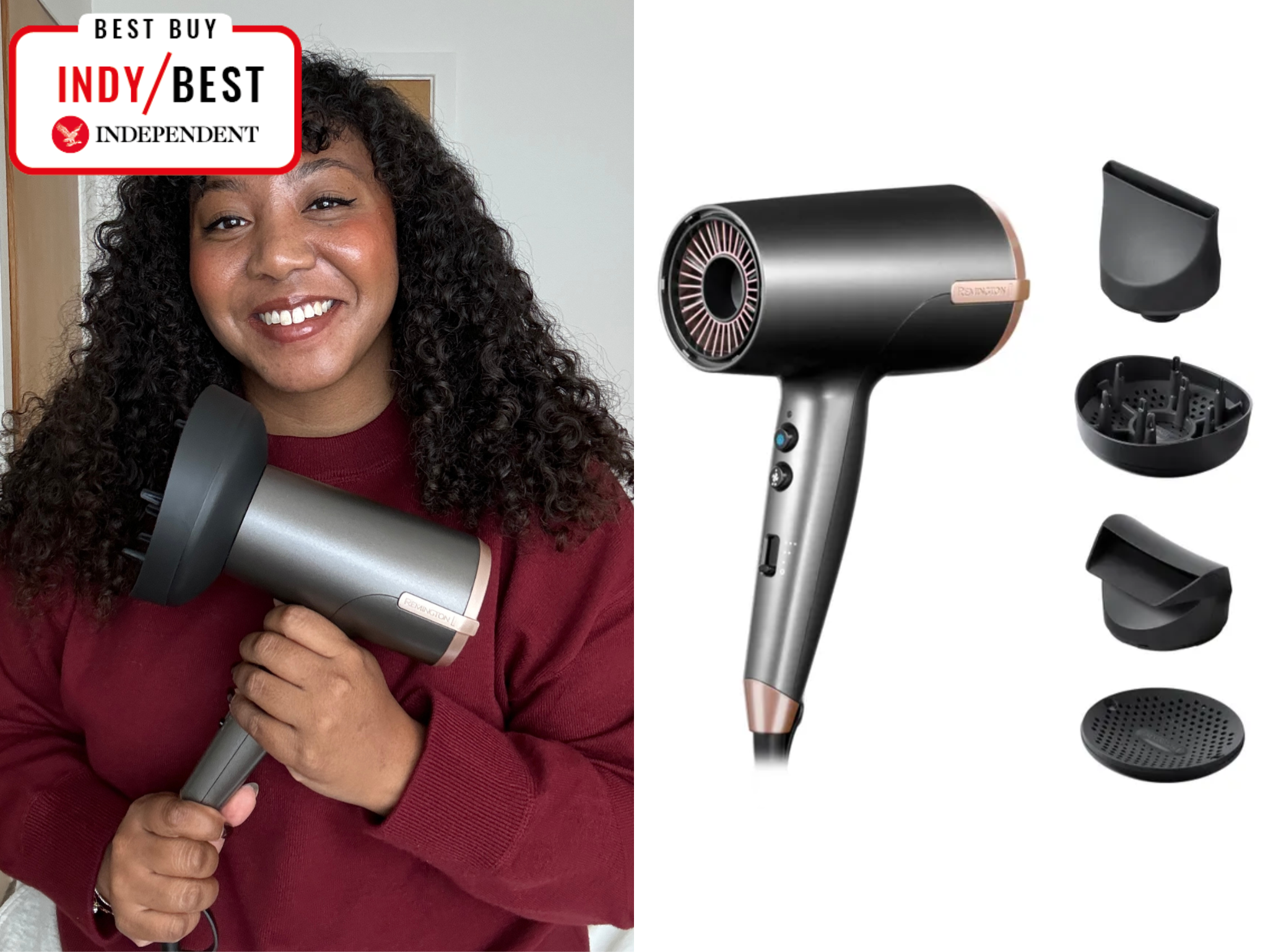
Effective styling often requires specialized attachments.
- Concentrator Nozzles: These narrow the airflow to a concentrated stream, essential for precise styling, smoothing sections of hair, and creating sleek looks. Different widths cater to various styling techniques.
- Diffusers: Designed for curly or wavy hair, diffusers disperse air gently over a larger area, helping to define curls, reduce frizz, and add volume without disturbing the natural curl pattern. The size and shape of the diffuser can impact results.
- Other Attachments: Some high-end models offer specialized combs, brushes, or even magnetic attachments for ease of use and versatility.
Tailoring Technology to Hair Type and Styling Goals
The “goodness” of a hair dryer is subjective and heavily dependent on the user’s specific hair type and desired outcomes.
For Fine, Thin, or Damaged Hair
Individuals with delicate hair require a gentle touch. Look for dryers with:
- Lower wattage and gentle heat settings: To prevent excessive heat exposure and damage.
- Ionic and ceramic technology: To dry hair gently, reduce frizz, and impart shine without over-drying.
- Multiple speed options: To allow for lower airflow, minimizing tangles and stress on fragile strands.
For Thick, Coarse, or Frizzy Hair
These hair types benefit from power and specialized frizz-fighting tech.
- High wattage (1875W+): For faster drying times through thicker sections.
- Tourmaline and ionic technology: To aggressively combat frizz and smooth the hair cuticle for a sleek finish.
- Strong, consistent airflow: To penetrate dense hair effectively.
For Curly or Wavy Hair
Preserving curl definition is paramount.
- Diffuser attachment: Essential for even, gentle drying that enhances natural curls without causing frizz.
- Lower heat and speed settings: To minimize disruption to the curl pattern.
- Ionic or ceramic technology: To reduce frizz and maintain moisture.
The Future of Hair Drying: Smart Features and Longevity
As technology permeates every aspect of our lives, hair dryers are also becoming smarter and more durable.
Smart Sensors and Connectivity
Emerging models are incorporating advanced sensors that:
- Measure hair temperature: Adjusting heat output dynamically to prevent overheating and damage.
- Detect distance from hair: Optimizing airflow and temperature for consistent results.
- Bluetooth/App Connectivity: Allowing users to customize settings, track usage, and even receive personalized styling advice. While nascent, these features promise a new level of personalized hair care.
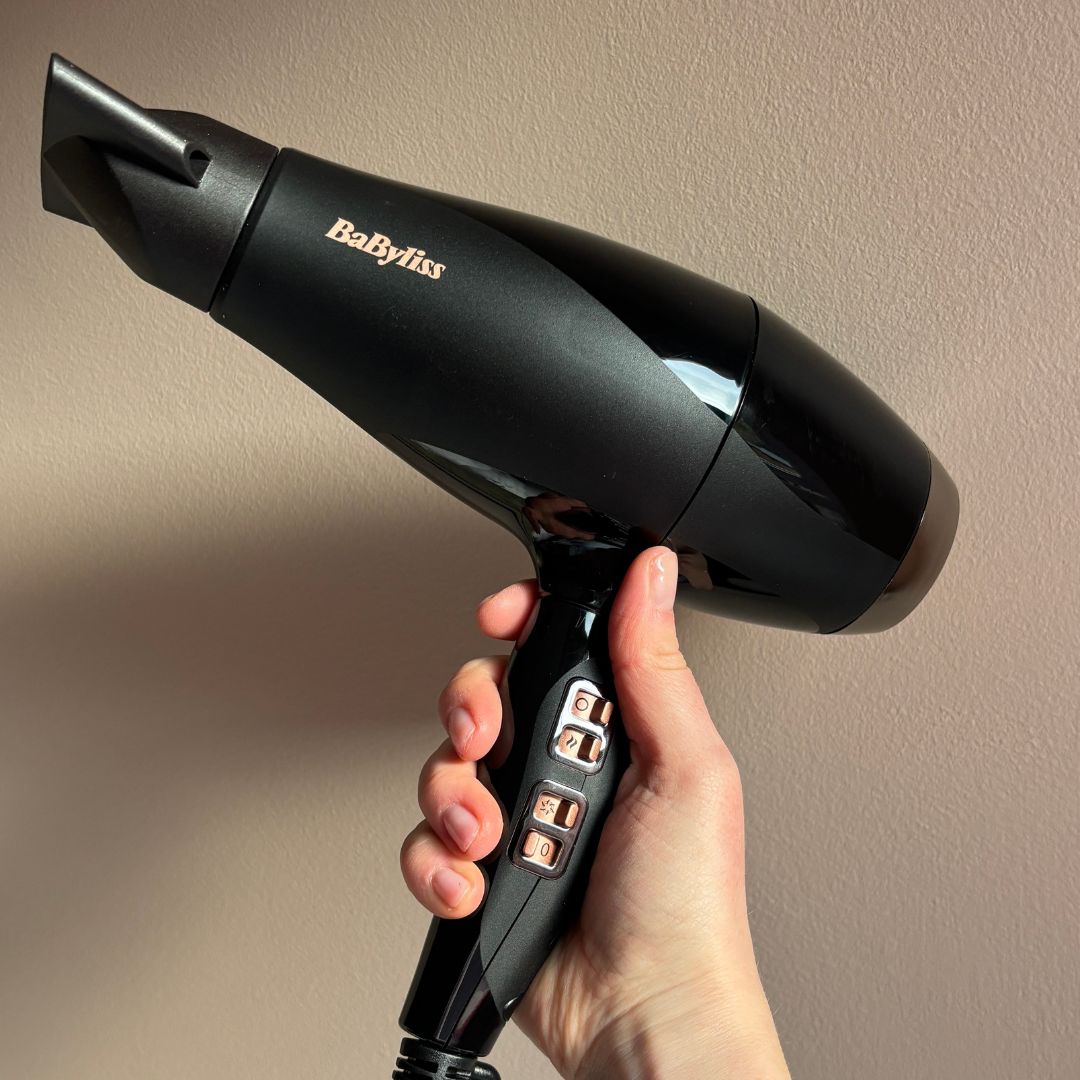
Build Quality and Safety
A good hair dryer is an investment, and its longevity is a key factor.
- Durable Materials: High-quality plastics, robust internal components, and professional-grade cords contribute to a dryer’s lifespan.
- Removable Air Filter: Essential for easy cleaning, preventing dust and hair buildup that can strain the motor and reduce efficiency. Regular cleaning ensures consistent performance and extends the life of the appliance.
- Safety Features: An ALCI (Appliance Leakage Current Interrupter) safety plug is crucial for preventing electrocution, especially when using the dryer near water. Overheating protection circuits are also vital for user safety and device preservation.
In conclusion, identifying a good hair dryer means looking beyond flashy marketing and focusing on the underlying technology. It requires assessing the motor type, heating elements, power, airflow capabilities, ergonomic design, and specialized attachments. Most importantly, it involves matching these technological attributes to your unique hair type and styling aspirations. By understanding these core principles, consumers can select a high-performance gadget that not only meets their immediate drying needs but also contributes to the long-term health and vitality of their hair.
aViewFromTheCave is a participant in the Amazon Services LLC Associates Program, an affiliate advertising program designed to provide a means for sites to earn advertising fees by advertising and linking to Amazon.com. Amazon, the Amazon logo, AmazonSupply, and the AmazonSupply logo are trademarks of Amazon.com, Inc. or its affiliates. As an Amazon Associate we earn affiliate commissions from qualifying purchases.