
In the modern smart kitchen, the garbage disposal is often the unsung hero of the appliance suite. While we marvel at AI-integrated refrigerators and precision induction cooktops, the garbage disposal remains a critical piece of engineering that manages organic waste, protects plumbing infrastructure, and contributes to a more sustainable household. Choosing a “good” garbage disposal in the current market requires more than a cursory glance at price tags; it necessitates an understanding of motor technology, material science, and acoustic engineering.
As we transition toward more efficient “green” homes, the technology behind food waste disposers has evolved. No longer just a spinning blade in a canister, the modern disposal is a sophisticated gadget designed to handle high-torque demands while maintaining whisper-quiet operation. This guide explores the technical specifications, mechanical innovations, and smart features that define a high-quality garbage disposal today.
Understanding the Core Technology: Induction vs. Permanent Magnet Motors
At the heart of every garbage disposal lies its motor. The “tech” of the motor determines how quickly the unit reaches its maximum speed, how it handles tough fibers, and how long the device will last before mechanical failure.
The Reliability of Induction Motors
Induction motors are the traditional workhorses of the disposal world. These motors operate using an electromagnetic field to turn the rotor, meaning there are no brushes to wear out over time. One of the primary advantages of induction technology is its consistent speed. Regardless of the load, an induction motor maintains a steady RPM (rotations per minute), usually ranging between 1,725 and 1,800.
From a technical standpoint, induction motors are heavier and often more durable. They are favored by brands that prioritize longevity and quiet operation, as the lack of physical contact in the electromagnetic drive reduces friction and mechanical noise. However, they take a fraction of a second longer to reach full speed compared to their counterparts.
The High-Torque Performance of Permanent Magnet Motors
In contrast, permanent magnet motors use high-energy magnets to create a constant magnetic field. This allows the motor to reach its maximum RPM—often exceeding 2,600 to 2,800 RPM—almost instantaneously upon being switched on. This “liquidator” effect provides high initial torque, which is essential for preventing jams before they happen.
Because permanent magnet motors are typically smaller and lighter than induction motors, they allow for more compact appliance designs. For tech-savvy homeowners looking for a “jam-proof” experience, the high-speed centrifugal force generated by these motors is a significant engineering advantage.
The Mechanics of Grinding: Multistage Systems and Material Science
The “grinding” in a garbage disposal isn’t actually performed by sharp blades, but by impellers that throw food against a stationary grind ring. The quality of this process is defined by the number of grinding stages and the materials used in construction.
Two-Stage vs. Three-Stage Grinding Tech
A standard disposal typically features a single-stage grind. However, high-end “good” disposals utilize multi-stage technology.
- Stage One: The food is pulverized against the grind ring.
- Stage Two: The slurry passes through a secondary cutter to break down tougher fibers (like celery or onion skins).
- Stage Three: A final “micro-grind” ensures that the particles are small enough to flow through pipes like liquid, significantly reducing the risk of clogs in the home’s plumbing or the city’s sewer system.
From a technical perspective, multi-stage grinding represents the pinnacle of waste management tech. It allows the appliance to process items that were previously “forbidden,” such as small bones or fibrous rinds, by sheer force of mechanical refinement.
Anti-Jamming and Auto-Reverse Innovations
One of the most frustrating technical failures in a kitchen is a jammed disposal. Modern engineering has solved this through “Auto-Reverse” logic. Using a microprocessor or a specialized sensor, the disposal can detect when the impellers are met with excessive resistance. The motor then automatically reverses the direction of the spin to clear the obstruction. This intelligent response prevents motor burnout and eliminates the need for manual “wrenching” from beneath the sink.
Acoustic Engineering: How High-End Disposals Minimize Noise
For many users, the primary metric of a “good” disposal is how little they hear it. Making a high-torque motor and a grinding chamber quiet is a significant feat of acoustic engineering.
Sound Limiter Technology and Vibration Isolation
In lower-end models, the vibration of the motor is transferred directly to the sink, which acts like a giant speaker, amplifying the noise. High-tech disposals utilize “SoundSeal” or similar vibration-isolation technology. This involves using specialized rubber mounts (anti-vibration mounts) between the disposal and the sink flange, as well as between the disposal and the discharge pipe.
By decoupling the appliance from the plumbing and the cabinetry, engineers can reduce decibel levels by up to 60% compared to standard models.
Insulated Outer Shells and Baffle Design
The internal grinding chamber in a premium disposal is often wrapped in high-density foam or acoustic insulation. Furthermore, the design of the sink baffle (the rubber gasket at the drain) is engineered to allow water in while trapping sound waves inside the chamber. This combination of material science and fluid dynamics ensures that even while grinding ice or hard pits, the noise remains a dull hum rather than a deafening roar.
Installation Trends and Integrated Controls
As we move toward the “connected home,” the way we interact with our garbage disposals is changing. Integration and ease of installation are now key components of the gadget’s value proposition.
Integrated Air Switches and Wireless Controls
The traditional wall switch is being replaced by the “Air Switch.” This tech uses a puff of air sent through a PVC tube to trigger the electrical relay, allowing the button to be mounted directly on the countertop near the sink without any risk of electrical shock with wet hands.
More advanced iterations now include wireless remote switches that can be adhered anywhere, or even voice-activated modules that integrate with smart home ecosystems like Alexa or Google Home. While seemingly excessive, these features provide accessibility and safety benefits that define a modern “good” disposal.
Power Cord vs. Hardwired Configurations
From a technical setup perspective, the industry is moving toward “Plug-and-Play” models. Most high-quality units now come with pre-installed power cords, moving away from the complex hardwiring of the past. This modular approach allows for easier upgrades—if your motor tech becomes obsolete or wears out after a decade, swapping the unit becomes a five-minute DIY task rather than a professional electrical job.
Choosing the Right Specifications for Your Smart Kitchen
To determine what constitutes a “good” disposal for your specific technical needs, you must look at the horsepower (HP) and duty cycle ratings.
Horsepower Scaling for Household Needs
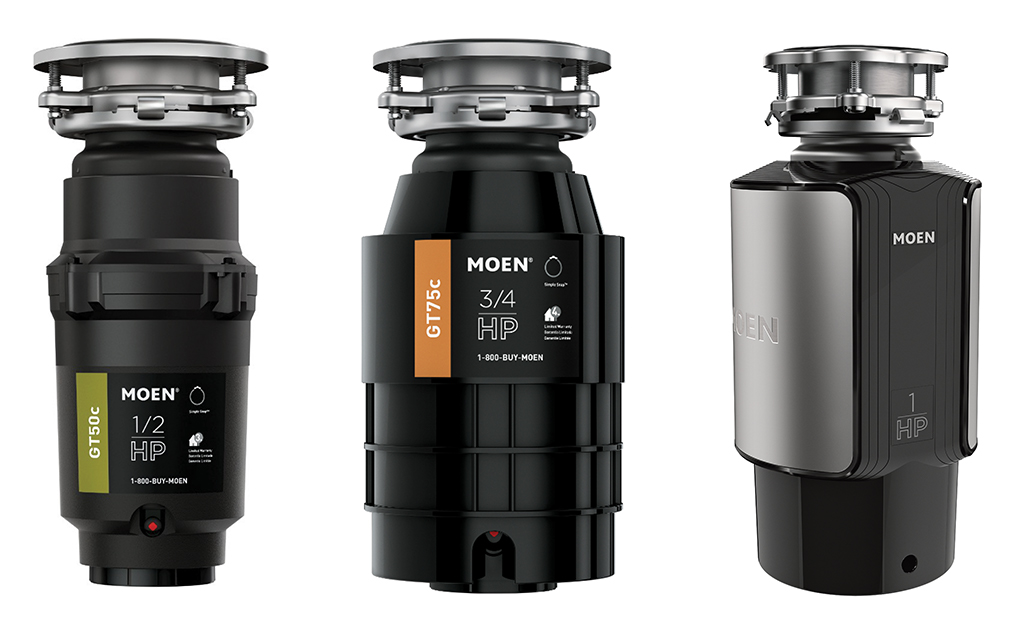
- 1/2 HP: These are the “entry-level” gadgets. They are suitable for light use but lack the torque for heavy-duty grinding or advanced acoustic insulation.
- 3/4 HP: The “sweet spot” for most tech-focused households. At this level, you begin to see stainless steel grinding components (which resist corrosion) and significantly better soundproofing.
- 1.0 HP and Above: These are the professional-grade units. They are designed for large families or home chefs who process significant amounts of organic waste. These units almost always feature multi-stage grinding and the most advanced motor logic available.
Material Longevity: The Shift to Stainless Steel
A disposal is a harsh environment characterized by moisture, acidity, and physical impact. A “good” disposal is defined by its use of stainless steel for the grind ring, impellers, and swivel lugs. While galvanized steel is cheaper, it is prone to corrosion over a 5-to-10-year period. Stainless steel ensures that the mechanical tolerances of the grinding system remain precise for the lifespan of the motor, preventing the “vibration creep” that leads to leaks and failure.
Conclusion: The Disposal as a Tech Essential
The question “what is a good garbage disposal” is no longer answered by price alone. It is answered by the synergy of motor efficiency, acoustic dampening, and material durability. A high-quality disposal is an investment in the “infrastructure” of your smart home. By opting for a unit with a permanent magnet motor for high torque, multi-stage grinding for fine particulate processing, and advanced vibration isolation, you are ensuring a more efficient, quieter, and more sustainable kitchen environment.
As appliance technology continues to advance, the humble garbage disposal remains at the forefront of domestic engineering, proving that even the most utilitarian tools can be perfected through thoughtful design and technical innovation.
aViewFromTheCave is a participant in the Amazon Services LLC Associates Program, an affiliate advertising program designed to provide a means for sites to earn advertising fees by advertising and linking to Amazon.com. Amazon, the Amazon logo, AmazonSupply, and the AmazonSupply logo are trademarks of Amazon.com, Inc. or its affiliates. As an Amazon Associate we earn affiliate commissions from qualifying purchases.