
In an era defined by constant connectivity and personal expression, our vehicles have evolved beyond mere transportation; they are extensions of our digital lives, our personal spaces, and often, our second offices. Within this mobile sanctuary, few elements contribute more to the driving experience than the sound system. Whether you’re a daily commuter seeking solace in a podcast, a road-trip enthusiast craving a concert on wheels, or an audiophile meticulous about every frequency, the quality of your car’s audio system is paramount. But with a dizzying array of options and technical jargon, the quest for a “good car speaker brand” can feel overwhelming. This article will cut through the noise, guiding you through the technological nuances, brand reputations, and financial considerations to help you make an informed decision that resonates with your personal preferences and budget.

Our exploration will not only delve into the nuts and bolts of car audio technology, connecting to the very core of “Tech” advancements and gadgets, but also scrutinize the powerful influence of “Brands” – their heritage, innovation, and marketing strategies. Furthermore, we’ll address the crucial “Money” aspect, examining how to make a smart investment in your car’s sound, balancing performance with affordability. By understanding these intertwined facets, you’ll be equipped to define “good” not just in abstract terms, but in a way that truly serves your needs.
Understanding Car Audio Technology: Beyond Just Volume
To truly appreciate a good car speaker brand, one must first grasp the foundational technologies that underpin sound reproduction. It’s not simply about how loud a speaker can get, but rather how faithfully it can recreate the intricate tapestry of music, speech, or any audio signal. This deep dive into the “Tech” aspects of car audio will illuminate the science behind crisp highs, rich mids, and thumping lows.
Key Components of a Car Speaker System
A typical car speaker system is a symphony of specialized components, each designed to handle specific frequency ranges:
- Woofers: These are the workhorses for low-frequency sounds – the bass. Larger cones (typically 6.5 inches to 12 inches or more) are designed to move more air, producing deep, resonant bass notes crucial for genres like hip-hop, electronic, and rock.
- Tweeters: At the other end of the spectrum, tweeters handle high-frequency sounds – the treble. Small, dome-shaped speakers (typically 0.5 to 1.5 inches) made from materials like silk, aluminum, or titanium ensure clarity for cymbals, vocals, and high-pitched instruments. Their precise placement is critical for accurate sound imaging.
- Mid-range Speakers: As the name suggests, these drivers cover the crucial middle frequencies, where most vocals and instruments reside. Often overlooked, a quality mid-range speaker is essential for a full, natural soundstage, preventing music from sounding hollow or muddy.
- Crossovers: These are electronic filters that split the audio signal into different frequency bands, directing lows to woofers, mids to mid-range speakers, and highs to tweeters. Passive crossovers use capacitors and inductors, while active crossovers (often found in more advanced systems) use electronic circuits, allowing for more precise tuning and often requiring an external amplifier.
- Amplifiers: While many head units have built-in amplification, external amplifiers provide dedicated power to speakers, significantly improving volume, clarity, and dynamic range. They prevent distortion at higher volumes and allow speakers to perform at their full potential, especially for power-hungry subwoofers.
Decoding Audio Specifications
Navigating speaker specifications can feel like deciphering a foreign language, but understanding a few key metrics can reveal much about a speaker’s performance potential:
- Frequency Response: Expressed in Hertz (Hz), this range (e.g., 20 Hz – 20,000 Hz) indicates the lowest and highest frequencies a speaker can reproduce. A wider, flatter frequency response generally signifies more accurate sound reproduction across the entire audio spectrum.
- RMS Power vs. Peak Power: RMS (Root Mean Square) power rating indicates the continuous power a speaker can handle without damage, reflecting its real-world performance. Peak power, a much higher number, is the maximum power a speaker can briefly tolerate. Always prioritize RMS power when matching speakers to an amplifier.
- Sensitivity: Measured in decibels (dB), sensitivity indicates how efficiently a speaker converts amplifier power into sound. A higher sensitivity rating means the speaker will play louder with less power, making it a good choice for systems with lower-powered head units or external amplifiers.
- Impedance: Measured in Ohms (Ω), impedance represents the electrical resistance a speaker presents to the amplifier. Most car speakers are 4-ohm. Matching the speaker’s impedance to the amplifier’s output rating is crucial to prevent overheating and ensure optimal performance.
The Impact of Digital Sound Processing (DSP) and AI in Modern Car Audio
The digital revolution has profoundly impacted car audio. Modern head units and external processors often incorporate Digital Sound Processing (DSP) to fine-tune the audio signal. DSP allows for precise equalization, time alignment (compensating for different speaker distances to the listener), and crossover adjustments, transforming even modestly priced speakers.
Beyond traditional DSP, the integration of Artificial Intelligence (AI) is beginning to shape the future of in-car audio. AI-driven algorithms can analyze cabin acoustics in real-time, adapting sound profiles to vehicle speed, road noise, or even the number of occupants. Imagine a system that automatically adjusts bass levels as you accelerate onto the highway or enhances vocal clarity during a phone call, all seamlessly managed by smart software. While still in its nascent stages, AI tools are poised to offer unprecedented levels of personalization and acoustic optimization, pushing the boundaries of what’s possible in a car sound system.
Navigating the Brand Landscape: Reputation and Innovation
In the competitive world of car audio, a brand is more than just a name; it represents a promise of quality, a history of innovation, and a distinct sound signature. Understanding the “Brand” landscape is crucial for making an informed decision, as reputation, design philosophy, and marketing all play significant roles.
The Pillars of a Reputable Speaker Brand
What separates a truly good car speaker brand from the multitude of options? Several key pillars contribute to a brand’s enduring reputation:
- Quality Control: Consistency is paramount. Reputable brands invest heavily in rigorous testing and quality control processes, ensuring that every speaker leaving the factory meets strict performance and durability standards. This translates to fewer defects and a longer lifespan for your investment.
- Research and Development (R&D): Leading brands are constantly pushing the envelope, investing in R&D to develop new materials, driver technologies, and acoustic designs. This commitment to innovation is what drives advancements like lighter, stiffer cone materials, more efficient motor structures, and improved soundstaging.
- Customer Service and Support: Even the best products can encounter issues. A brand known for excellent customer service, clear warranty policies, and readily available support channels provides peace of mind and builds trust.
- Legacy and Heritage: Many top brands have decades of experience in audio engineering, refining their craft over generations. This heritage often translates into a deep understanding of acoustics and a distinctive “house sound” that loyal customers come to appreciate.
Top-Tier Car Speaker Brands: A Deep Dive
While “best” is subjective and often depends on personal taste and budget, certain brands consistently rise to the top for their quality, performance, and innovation. Here are a few examples, highlighting their strengths:
- Pioneer: A household name in car audio, Pioneer offers a vast range of products from budget-friendly options to high-end component systems. Known for reliability, good value, and a balanced sound profile, they are often a go-to for general upgrades. Their integration with modern head units and infotainment systems is also a strong point.
- JBL: Part of the Harman International portfolio, JBL is renowned for its powerful, dynamic sound, particularly favored by bass enthusiasts. Their speakers often deliver high sensitivity, meaning they can get loud with less power, making them a great choice for upgrading factory systems without adding an external amplifier immediately.
- Alpine: Alpine is a premium brand often associated with high-fidelity sound and sophisticated system integration. They excel in producing crisp, clear highs and detailed mid-range frequencies, appealing to audiophiles. Their product ecosystem, from head units to amplifiers and speakers, is designed to work seamlessly together.
- JL Audio: For serious bass enthusiasts and those seeking competition-grade audio, JL Audio is a benchmark. They are specialists in subwoofers and amplifiers, known for their robust build quality and earth-shattering low-frequency reproduction. Their component speakers also offer exceptional clarity and power handling.
- Focal: A French brand synonymous with high-end luxury audio, Focal brings uncompromising sound quality to the car environment. Their speakers use exotic materials like Flax and Beryllium, offering incredibly detailed, accurate, and natural sound reproduction. Focal products represent a significant investment, but deliver an unparalleled listening experience for the discerning audiophile.
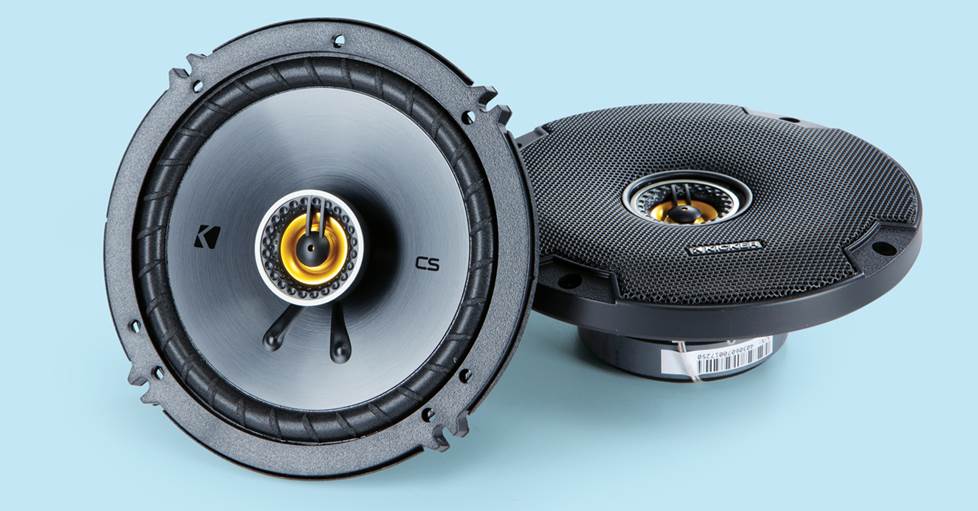
- Kicker: Kicker focuses on delivering powerful, impactful sound with a strong emphasis on bass. They are popular among those looking to upgrade their car’s volume and punch, without necessarily breaking the bank for ultra-high-fidelity. Kicker speakers and subwoofers are known for their ruggedness and ability to handle significant power.
- Infinity/Harman Kardon: Another brand under the Harman International umbrella, Infinity offers a blend of performance and value. Their speakers often feature unique technologies like Plus One+ woofer cones for increased cone area, resulting in improved bass output. They provide a clear, balanced sound that’s a significant upgrade over most factory systems.
Emerging Brands and Niche Players
While established giants dominate the market, the digital age has also paved the way for emerging brands and niche players to carve out their own space. Leveraging direct-to-consumer models, savvy marketing, and a focus on specific audio niches (e.g., extreme bass, ultra-compact designs, specific sound signatures), these brands can offer innovative solutions and competitive pricing. They often thrive by adopting new manufacturing techniques or specializing in integration with smart car technologies, appealing to a tech-savvy audience looking for something beyond the mainstream. This dynamic environment encourages continuous innovation across the entire industry.
The Financial Aspect: Investing in Your Car’s Sound
Upgrading your car’s audio system is an investment, and like any investment, it requires careful consideration of your “Money” and personal finance. It’s not just about the sticker price of the speakers, but understanding the overall value proposition, potential costs of installation, and how different components contribute to the final sound.
Budgeting for Better Sound: Where to Allocate Your Funds
When planning an audio upgrade, it’s crucial to understand that a car’s sound system is only as strong as its weakest link. A holistic approach to budgeting is key:
- Speakers: These are often the first port of call for upgrades. Good quality component speakers (separate woofers, tweeters, and crossovers) will typically offer the best soundstage and clarity compared to coaxial speakers (all drivers integrated into one unit).
- Head Unit (Receiver): This is the control center of your audio system. An aftermarket head unit can offer better pre-amp outputs, more precise equalization, modern connectivity (Bluetooth, Apple CarPlay, Android Auto), and often, better built-in amplification than a factory unit. If your budget allows, upgrading the head unit can significantly improve the overall sound quality, even with factory speakers.
- Amplifier: While not strictly necessary for all upgrades, an external amplifier provides dedicated, clean power to your speakers, dramatically improving volume, dynamic range, and clarity, especially when paired with higher-quality speakers.
- Subwoofer: For those who crave deep, impactful bass, a subwoofer is a must. These dedicated low-frequency drivers often require a separate amplifier and an enclosure.
- Sound Deadening: Often overlooked, applying sound deadening material to your car’s doors and trunk can significantly reduce road noise and vibrations, allowing your speakers to perform more effectively and sound much clearer. This is a highly cost-effective upgrade that benefits any system.
The Value Proposition: Is a Premium Brand Worth the Investment?
The question of whether a premium brand is “worth it” depends largely on your listening habits and expectations. For casual listeners, a mid-range brand offering solid performance and reliability might be perfectly adequate. However, for audiophiles or those who spend significant time in their car, investing in a premium brand can offer substantial benefits:
- Superior Sound Quality: Premium brands often use higher-grade materials, more advanced engineering, and tighter tolerances, resulting in more accurate, detailed, and immersive sound.
- Durability and Longevity: Higher-end components are typically built to last, with robust construction that can withstand the harsh automotive environment (temperature fluctuations, vibrations). This can translate to fewer replacements and a better long-term return on investment.
- Resale Value: A high-quality aftermarket audio system, especially from a reputable premium brand, can sometimes add to the resale value of your vehicle, particularly for enthusiasts.
- Enhanced Driving Experience: For many, exceptional audio transforms the driving experience, making commutes more enjoyable and road trips more memorable. This intangible benefit can be priceless.
DIY vs. Professional Installation: Cost-Benefit Analysis
Once you’ve chosen your components, the next financial consideration is installation.
- DIY (Do-It-Yourself): For the technically inclined, installing car speakers can be a rewarding side hustle or a way to save money. There are countless online tutorials (connecting to the “Tech” and “Productivity” aspects of our website themes) and community forums providing guidance. However, DIY requires tools, patience, and a willingness to troubleshoot. Incorrect wiring can damage components or even lead to electrical issues.
- Professional Installation: Hiring a professional installer, while an added cost, ensures the job is done correctly and safely. Professionals have specialized tools, expertise in wiring, sound deadening, and acoustic tuning, and often offer warranties on their work. For complex systems involving amplifiers, subwoofers, and advanced DSP, professional installation is almost always recommended to unlock the system’s full potential and prevent costly mistakes. Weigh the potential savings of DIY against the risk of error and the assurance of a professional job.
Making the Right Choice: A Personalized Approach
Ultimately, the “good” car speaker brand is the one that best suits your individual needs, preferences, and financial constraints. There’s no one-size-fits-all answer, but by applying the principles discussed, you can make a highly personalized and satisfying decision.
Matching Speakers to Your Vehicle and Listening Habits
Your car’s acoustics play a significant role. Smaller cars might benefit from compact, efficient speakers, while larger vehicles can accommodate more powerful systems. The type of music you listen to is also crucial. If you’re a bass-head, prioritize brands known for their subwoofers and powerful woofers. If classical music or jazz is your preference, focus on brands lauded for their clarity, soundstage, and detailed mid-range and treble. Consider whether you prefer a “live concert” feel or a more analytical, neutral sound signature.
Leveraging Reviews and Online Communities
In the digital age, information is abundant. Before making a purchase, leverage online reviews (a direct link to the “Tech” theme of “Gadgets, Reviews”). Consult reputable audio enthusiast forums and communities. These platforms offer real-world experiences, comparisons, and advice from users who have tested various brands and configurations. Pay attention to consistent feedback regarding sound quality, durability, and customer support. However, always take individual opinions with a grain of salt and cross-reference information from multiple sources.
The Future of Car Audio: Integration and Smart Features
The trajectory of car audio is increasingly intertwined with broader technology trends. Future car audio systems will likely feature deeper integration with vehicle infotainment systems, potentially offering seamless over-the-air updates for DSP profiles or even AI-driven sound optimization. We can expect more personalized sound zones within the cabin, advanced noise cancellation technologies, and further enhancements through smart features that adapt to external conditions or even your mood. As car manufacturers increasingly integrate advanced driver-assistance systems (ADAS) and autonomous driving features, the car cabin will become an even more critical personal space, demanding superior audio to enhance entertainment, communication, and overall comfort. Keeping an eye on these technology trends will ensure your investment remains relevant and enjoyable for years to come.
In conclusion, the journey to finding a good car speaker brand is a blend of scientific understanding, brand discernment, and financial prudence. It’s about more than just components; it’s about crafting an auditory experience that elevates your time behind the wheel. By considering the technological intricacies, appreciating the reputation and innovation of leading brands, and making a calculated financial investment, you can confidently choose a car speaker brand that delivers the soundtrack to your life on the road.
aViewFromTheCave is a participant in the Amazon Services LLC Associates Program, an affiliate advertising program designed to provide a means for sites to earn advertising fees by advertising and linking to Amazon.com. Amazon, the Amazon logo, AmazonSupply, and the AmazonSupply logo are trademarks of Amazon.com, Inc. or its affiliates. As an Amazon Associate we earn affiliate commissions from qualifying purchases.