
In an era of economic volatility and shifting labor markets, the quest for the “perfect” business has evolved. It is no longer just about passion; it is about financial viability, scalability, and risk-adjusted returns. When asking what a good business is to start, one must look through the lens of capital efficiency and market demand. A truly good business is one that solves a high-value problem with manageable overhead, allowing the founder to build equity while maintaining healthy cash flow.
In the modern financial landscape, the most successful ventures are those that leverage digital leverage or fill specialized gaps in the service economy. This guide explores the most lucrative business models currently available, focusing on the financial mechanics that make them sustainable.
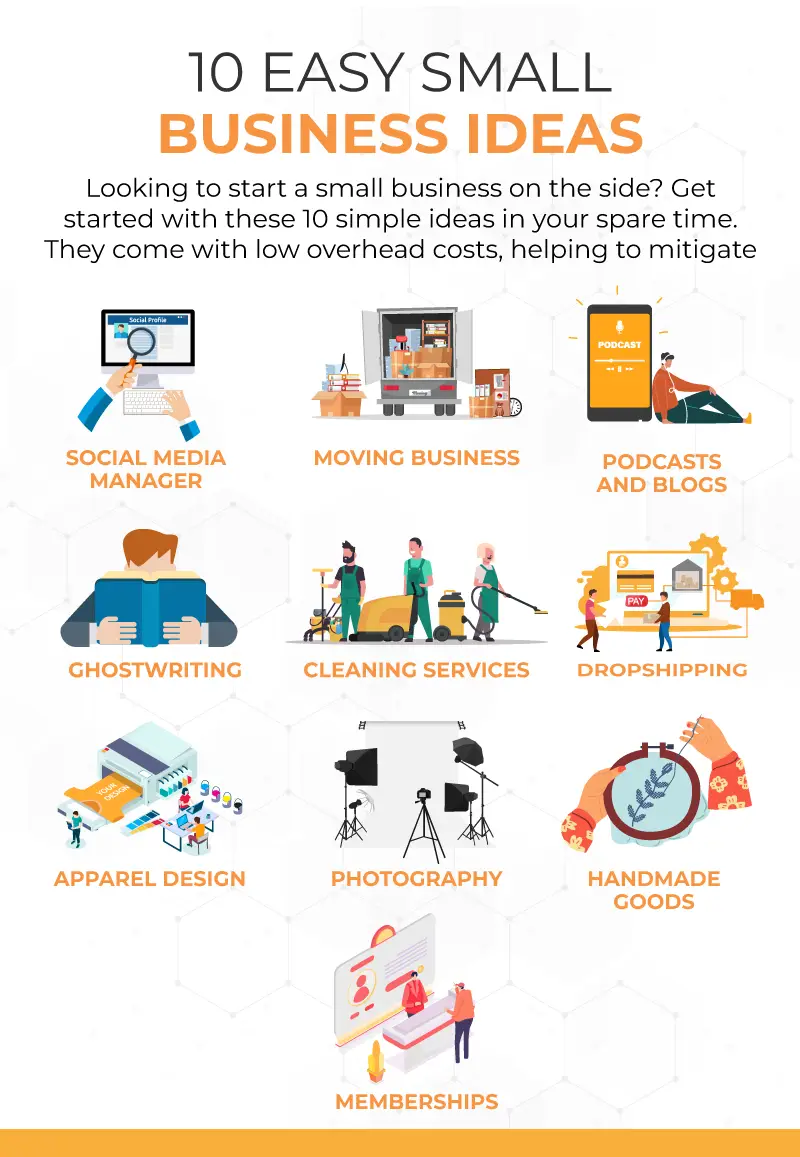
Evaluating Profitability and Low-Barrier Entry Points
The most significant hurdle for any new entrepreneur is the initial capital outlay. Traditionally, starting a business required significant loans or personal savings to cover physical storefronts and inventory. Today, the most “financially sound” businesses often start with a “lean” model, focusing on high profit margins and low initial investment.
The Rise of Service-Based Arbitrage
One of the most efficient ways to generate immediate cash flow is through service-based arbitrage. This involves identifying a high-demand professional service—such as copywriting, digital marketing, or specialized bookkeeping—and positioning yourself as the premium solution provider.
From a money perspective, service businesses are superior because they typically have a profit margin of 70% to 90%. Because you are selling expertise rather than physical goods, your “Cost of Goods Sold” (COGS) is primarily your time. As the business grows, you can transition into an agency model, hiring subcontractors to fulfill the work while you focus on business development and financial oversight.
Content Monetization and Passive Income Streams
While often dismissed as a hobby, digital content creation has matured into a sophisticated business model with diverse revenue streams. A good business in this niche focuses on “evergreen” topics—finance, health, or professional productivity—that attract high-value advertisers.
The financial strength of a content-based business lies in its recurring revenue. Through a combination of affiliate marketing, sponsored placements, and digital products (like e-books or courses), a well-positioned site or channel can generate passive income that far exceeds the initial labor cost. The key is to view content as a financial asset that appreciates over time, providing a high Return on Investment (ROI) on the hours spent creating it.
Investing in Scale: From Small Side Hustles to Sustainable Enterprises
Starting a business is about income; scaling a business is about wealth. To move from a side hustle to a legitimate enterprise, a founder must understand the transition from being a technician to being a Chief Financial Officer (CFO) of their own life.
Capital Allocation and Bootstrapping vs. Funding
A “good” business to start is one that can be bootstrapped—meaning it is funded by its own sales rather than outside investment. This allows the founder to retain 100% equity. When you own 100% of a business that nets $100,000 a year, you are often in a better financial position than a founder who owns 10% of a business netting $1 million but carries heavy debt or VC obligations.
Strategic capital allocation involves reinvesting the first 20-30% of profits back into the business to automate processes. Whether it is investing in better financial software to track tax liabilities or hiring a virtual assistant to handle low-value tasks, the goal is to increase the “revenue per employee hour.”
Financial Modeling for New Ventures
Before launching, a successful entrepreneur creates a rigorous financial model. This isn’t just a budget; it’s a projection of various scenarios (Best Case, Expected Case, and Worst Case). A business is only “good” if it can survive the “Worst Case” scenario for six months.
Key metrics to track include:
- Customer Acquisition Cost (CAC): How much do you spend to get one client?
- Lifetime Value (LTV): How much total revenue will that client bring in?
- Burn Rate: How much cash are you spending monthly before reaching profitability?
If the LTV is at least three times the CAC, the business model is financially healthy and ready for scale.

High-Growth Niches in the Modern Financial Landscape
Identifying a “good” business also requires looking at where the money is moving. Wealth is currently shifting toward specialized services that help other businesses save money or manage their digital presence.
Specialized Financial Consulting and Bookkeeping
As the gig economy grows, millions of small business owners are struggling to manage their own finances. Starting a specialized bookkeeping or tax strategy business is one of the most stable moves an entrepreneur can make. Unlike “trendy” businesses, financial services are a “recession-proof” necessity.
The beauty of this model is the recurring nature of the revenue. Clients pay monthly retainers, providing the business owner with a predictable cash flow. Furthermore, as tax laws become more complex, the value of an expert who can navigate “Money” issues increases, allowing for premium pricing.
E-commerce and Lean Inventory Management
E-commerce remains a powerhouse, but the “good” way to start today is through “Print-on-Demand” or “Private Label” models that minimize “dead stock.” Dead stock is capital tied up in inventory that isn’t moving—a cardinal sin in personal finance.
By using a lean inventory model, you can test product-market fit without risking thousands of dollars. Once a product proves profitable, you can invest in bulk inventory to improve margins. This staged approach protects your personal net worth while allowing for the explosive growth potential that only retail can offer.
Risk Management and Long-Term Wealth Preservation
A business is only as good as its ability to protect the owner’s financial future. Many entrepreneurs fall into the trap of “lifestyle creep,” where they spend their business profits on personal luxuries rather than building a moat around their enterprise.
Diversifying Income to Protect Your Primary Asset
A smart business owner treats their company as one part of a larger investment portfolio. Once the business is consistently profitable, the goal should be to “take money off the table.” This means paying yourself a set salary and moving excess profit into traditional investments like index funds, real estate, or high-yield savings accounts.
This diversification ensures that if the market for your business shifts (e.g., a change in government regulation or a new competitor), your personal financial survival is not at risk. A “good” business is a cash cow that feeds your long-term wealth, not a black hole that requires constant personal infusions of cash.
Tax Efficiency and Legal Structuring
Finally, the financial viability of a business is heavily influenced by how much of your profit you actually get to keep. Choosing the right legal structure—whether it’s an LLC, an S-Corp, or a Sole Proprietorship—can result in thousands of dollars in tax savings annually.
In the “Money” niche, understanding self-employment tax, deductible business expenses, and retirement account contributions (like a SEP IRA or Solo 401k) is vital. A business that earns $80,000 but is optimized for taxes can often leave the owner with more liquid cash than a business that earns $100,000 but is structured inefficiently.
Conclusion: The Ultimate Definition of a “Good” Business
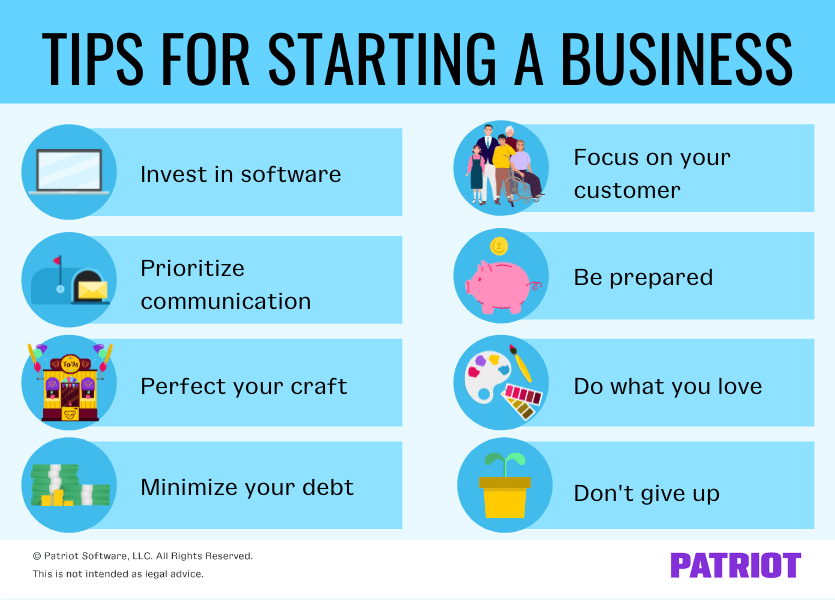
What is a good business to start? It is a venture that aligns with three core financial principles: low overhead, high scalability, and predictable cash flow. Whether you choose to launch a service-based agency, a specialized financial consultancy, or a lean e-commerce brand, the focus must remain on the numbers.
By prioritizing profit margins over prestige and cash flow over “coolness,” you position yourself not just as a business owner, but as an investor in your own future. The best business is the one that provides you with the freedom to reinvest in your life, building a foundation of wealth that lasts long after the initial startup phase has passed. Stick to the fundamentals of money management, focus on high-value problems, and the “goodness” of the business will be reflected in your bottom line.
aViewFromTheCave is a participant in the Amazon Services LLC Associates Program, an affiliate advertising program designed to provide a means for sites to earn advertising fees by advertising and linking to Amazon.com. Amazon, the Amazon logo, AmazonSupply, and the AmazonSupply logo are trademarks of Amazon.com, Inc. or its affiliates. As an Amazon Associate we earn affiliate commissions from qualifying purchases.