
Understanding what constitutes a “good” blood sugar range is fundamental to managing diabetes and maintaining overall health. While this might seem like a purely medical topic, the principles of optimal management and the tools used to achieve it are deeply intertwined with the domains of technology, branding, and financial literacy. This article will explore what a healthy blood sugar range looks like, and how we can leverage the advancements and strategies from the worlds of tech, brand building, and personal finance to not just monitor, but actively optimize our blood glucose levels.

The Science Behind the Numbers: Defining a Healthy Blood Sugar Range
Before we delve into the broader applications, it’s crucial to establish the baseline. Blood sugar, or blood glucose, is the primary sugar found in your blood and is your body’s main source of energy. It comes from the food you eat. Hormones, primarily insulin and glucagon, help regulate blood sugar levels.
Understanding Fasting and Post-Meal Glucose Levels
A “good” blood sugar range isn’t a single, static number. It fluctuates throughout the day based on your meals, activity levels, and even stress. Medical professionals typically define target ranges for two key scenarios:
Fasting Blood Glucose
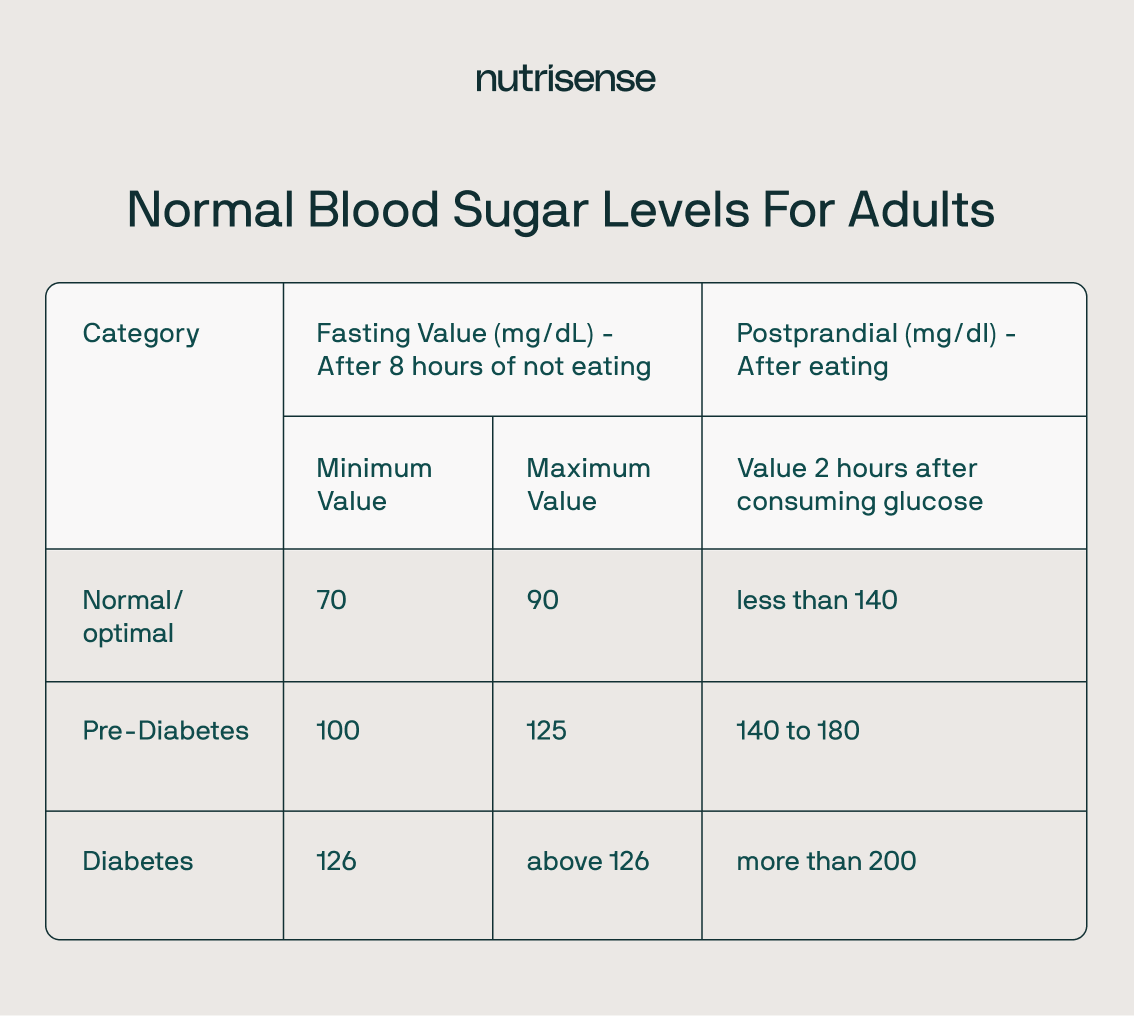
This refers to your blood sugar level after an overnight fast, usually around 8-12 hours without eating or drinking anything other than water. For most adults without diabetes, a healthy fasting blood sugar range is typically 70 to 99 milligrams per deciliter (mg/dL).
- Below 70 mg/dL: This is considered hypoglycemia, or low blood sugar. Symptoms can include dizziness, shakiness, confusion, and even loss of consciousness in severe cases.
- Above 100 mg/dL: This indicates hyperglycemia, or high blood sugar. Consistently high levels, especially if untreated, can lead to serious long-term complications.
Post-Meal Blood Glucose
This measurement is taken 1-2 hours after the start of a meal. For most adults without diabetes, a healthy post-meal blood sugar range is typically less than 140 mg/dL.
- Around 1-2 hours after eating, your blood sugar should start to come back down towards your fasting level.
- Consistently elevated post-meal readings above 140 mg/dL can be a sign of prediabetes or diabetes.
The Importance of HbA1c
While daily readings provide snapshots, the Hemoglobin A1c (HbA1c) test offers a longer-term perspective, reflecting your average blood sugar level over the past 2-3 months. This is because glucose in your blood binds to hemoglobin, a protein in red blood cells. The higher your blood sugar, the more glucose binds to hemoglobin.
- For most adults with diabetes, the target HbA1c level is generally below 7%. This can vary based on individual factors, age, and other health conditions.
- An HbA1c below 5.7% is considered normal.
- An HbA1c between 5.7% and 6.4% indicates prediabetes.
- An HbA1c of 6.5% or higher on two separate tests indicates diabetes.
It’s crucial to remember that these are general guidelines. Your doctor will determine the optimal blood sugar range for you based on your age, overall health, any existing medical conditions (like kidney disease or cardiovascular issues), and whether you have diabetes or are at risk.
Leveraging Technology for Precision Monitoring and Management
The “Tech” pillar of our website is perhaps the most directly applicable to understanding and managing blood sugar. Technology has revolutionized how we monitor and control glucose levels, transforming a once cumbersome process into a more integrated and proactive approach.
Smart Glucose Meters and Continuous Glucose Monitors (CGMs)
Gone are the days of solely relying on a finger prick a few times a day. Modern technology offers far more sophisticated tools:
- Smart Glucose Meters: These devices connect wirelessly to your smartphone or computer, automatically logging your readings. They often come with companion apps that can track trends, identify patterns, and even offer insights into how your diet and exercise affect your glucose. Features like trend arrows and customizable alerts for high or low readings enhance proactive management.
- Continuous Glucose Monitors (CGMs): This is a game-changer. CGMs consist of a small sensor inserted under the skin (usually on the arm or abdomen) that continuously measures glucose levels in the interstitial fluid. This data is transmitted wirelessly to a receiver, smartphone app, or insulin pump.
- Real-time Data: CGMs provide glucose readings every few minutes, offering a comprehensive view of your glucose fluctuations throughout the day and night.
- Trend Arrows: These visual cues indicate whether your glucose is rising, falling, or stable, allowing you to make immediate adjustments to your food intake, activity, or medication.
- Alarms and Alerts: CGMs can be programmed to alert you when your glucose is approaching a high or low threshold, preventing dangerous situations before they occur. This is particularly invaluable for those prone to nocturnal hypoglycemia.
- Data Sharing: Many CGMs allow you to share your data with caregivers, family members, or your healthcare team, fostering better support and collaboration.
The Role of AI and Machine Learning in Glucose Management
The data generated by smart meters and CGMs is incredibly rich, and Artificial Intelligence (AI) is unlocking its full potential.
- Predictive Analytics: AI algorithms can analyze your glucose data, diet logs, exercise patterns, and even sleep quality to predict future glucose trends. This allows for more precise insulin dosing, meal planning, and proactive adjustments to lifestyle.
- Personalized Insights: AI can identify subtle patterns that might be missed by human observation. For example, it might correlate a specific type of food with a delayed glucose spike or identify how certain stress levels impact your readings.
- Automated Insulin Delivery (AID) Systems: These are the pinnacle of glucose management tech. AID systems, often referred to as “artificial pancreas” technology, combine a CGM and an insulin pump with sophisticated algorithms. The CGM continuously monitors glucose levels, and the algorithm automatically adjusts insulin delivery in real-time to keep glucose within a target range. This significantly reduces the burden of manual insulin management and can lead to improved glycemic control.
Wearable Technology and Health Apps
Beyond dedicated glucose monitoring devices, the broader landscape of wearable technology and health apps plays a crucial role:
- Activity Trackers: Devices like smartwatches can track your steps, heart rate, sleep, and calorie expenditure. This information is vital for understanding how physical activity impacts your blood sugar. When integrated with glucose monitoring data, you can see the direct correlation.
- Dietary Tracking Apps: These apps allow you to log your meals, providing insights into carbohydrate intake, macronutrient balance, and calorie counts. When paired with glucose data, they help identify specific foods that cause significant spikes or dips.
- Digital Health Platforms: Many platforms consolidate data from various health devices and apps, providing a holistic view of your well-being. These platforms are increasingly incorporating AI to offer personalized recommendations for diet, exercise, and stress management, all with the ultimate goal of optimizing blood sugar.
Building Your “Health Brand” for Better Blood Sugar Control
The “Brand” pillar might seem less intuitive, but it’s profoundly important. Think of your health as your most valuable personal brand. How you manage it, communicate about it, and present it to yourself and others significantly influences your success.
Personal Branding for Health Goals
- Defining Your Health Identity: What does optimal health look like for you? What are your core values related to well-being? Articulating these can serve as your personal health mission statement. For someone focused on blood sugar, this might be “To achieve stable glucose levels through informed lifestyle choices and proactive monitoring, empowering me to live a vibrant and energetic life.”
- Consistency and Authenticity: Just as a strong corporate brand is built on consistent messaging and authentic actions, your health brand thrives on consistency. This means adhering to your meal plans, exercise routines, and medication schedules even when it’s inconvenient. Authenticity comes from making genuine commitments to your well-being, not just following trends.
- Visualizing Success: Creating a personal brand often involves visual elements. For health, this could mean setting inspiring visual goals – perhaps photos of activities you want to be able to do, or images of healthy meals you aspire to create. This visual reinforcement can boost motivation.
Corporate Identity and Health Initiatives
While this article focuses on personal health, it’s worth noting how corporate branding influences employee well-being. Companies with strong health-focused corporate identities often invest in:
- Wellness Programs: These can include subsidized gym memberships, on-site health screenings (including glucose checks), nutrition counseling, and stress management workshops.
- Healthy Workplace Culture: This involves promoting active breaks, providing healthy food options in cafeterias, and fostering an environment that supports work-life balance, which indirectly impacts stress and, consequently, blood sugar.
Reputation Management for Your Health
Your “health reputation” is how you perceive your own health and how you communicate it.
- Self-Talk: Positive self-talk (“I am capable of managing my blood sugar”) is crucial. Negative self-talk (“I’ll never get this right”) can become a self-fulfilling prophecy.
- Communication with Healthcare Providers: Building a strong, trusting relationship with your doctor is key. This involves open and honest communication about your challenges, successes, and concerns. This “brand partnership” ensures you receive the best possible guidance.
- Social Support: Sharing your health journey with a trusted network (family, friends, support groups) can build a positive “brand” for your efforts. This can involve accountability partners who help you stay on track.
The Financial Blueprint for Blood Sugar Management
The “Money” pillar is often overlooked in health discussions, but it’s intrinsically linked to our ability to access the tools and resources necessary for optimal blood sugar management.
Personal Finance for Health Investments
Managing blood sugar often requires ongoing financial commitment. Understanding personal finance principles is crucial for making it sustainable:
- Budgeting for Healthcare: This includes factoring in the costs of:
- Medication: Insulin, oral diabetes medications, and other prescriptions.
- Supplies: Test strips, lancets, alcohol swabs, CGM sensors, pump infusion sets.
- Doctor Visits and Specialist Consultations: Endocrinologists, dietitians, eye doctors, podiatrists.
- Health Insurance Premiums and Co-pays.
- Utilizing Health Savings Accounts (HSAs) and Flexible Spending Accounts (FSAs): If available through your employer, these accounts offer tax advantages for medical expenses, making essential supplies and treatments more affordable.
- Long-Term Financial Planning: Investing in your health now can prevent more costly complications down the line. This proactive approach aligns with sound financial planning – the earlier you invest in preventative measures, the greater the long-term savings.
Investing in Health-Related Technology and Services
The tech tools mentioned earlier can be significant investments, but their value in improving quality of life and preventing costly health issues is immense.
- Evaluating ROI on Health Tech: Consider the cost of a CGM or an insulin pump not just as an expense, but as an investment in better health outcomes. The potential savings from avoiding hospitalizations, managing complications, and improving daily energy levels can far outweigh the upfront cost.
- Researching and Comparing Financial Tools: Just as you’d research financial tools for investing, apply the same diligence to healthcare. Compare insurance plans, understand coverage for diabetes supplies and technology, and look for discount programs or patient assistance programs for medications.
Online Income and Side Hustles for Health Expenses
For some, managing ongoing health expenses might require additional income streams.
- Leveraging Skills for Side Hustles: If your health allows, consider online side hustles that can generate extra income to cover healthcare costs. This could range from freelance writing or graphic design to virtual assistance or online tutoring.
- Financial Literacy for Health: Understanding concepts like compound interest can help you make your healthcare savings grow. Similarly, understanding tax deductions related to medical expenses can free up more money for your health.

Conclusion: A Holistic Approach to Optimal Blood Sugar
Achieving and maintaining a “good” blood sugar range is not solely a medical endeavor. It’s a dynamic process that benefits immensely from a holistic approach, integrating the power of modern technology, the strategic discipline of personal branding, and the financial foresight of sound money management.
By embracing the cutting-edge tools offered by the Tech world, we gain unprecedented insights and control over our glucose levels. By cultivating a strong personal Brand focused on health, we foster the motivation, discipline, and self-advocacy needed for sustained success. And by intelligently managing our Money, we ensure we have the resources to access the best care and tools available.
Ultimately, understanding what a good blood sugar range is becomes more than just knowing numbers; it’s about empowering yourself with knowledge, leveraging innovative solutions, and building a sustainable framework for a healthier, more vibrant life. This integrated approach, encompassing tech, brand, and money, provides the most robust pathway to achieving your optimal blood sugar goals.
aViewFromTheCave is a participant in the Amazon Services LLC Associates Program, an affiliate advertising program designed to provide a means for sites to earn advertising fees by advertising and linking to Amazon.com. Amazon, the Amazon logo, AmazonSupply, and the AmazonSupply logo are trademarks of Amazon.com, Inc. or its affiliates. As an Amazon Associate we earn affiliate commissions from qualifying purchases.