
Defining a “good” auto insurance rate is less about identifying a magic number and more about understanding value, personalized risk, and smart financial management. In the realm of personal finance, auto insurance stands as a non-negotiable expense for most drivers, yet its cost can fluctuate wildly, making the search for an optimal rate a critical exercise. A truly good rate is one that provides comprehensive coverage appropriate for your specific needs and risk profile, at the lowest possible premium, without compromising financial security in the event of an incident. It’s a balance between cost, protection, and peace of mind, tailored to an individual’s financial capacity and driving habits.
The Multifaceted Nature of a “Good” Rate
Unlike a simple commodity price, an auto insurance premium reflects a complex algorithm of risk assessment. What might be a good rate for one driver could be woefully inadequate or excessively priced for another. Therefore, evaluating your rate demands a personalized perspective. It’s not just about paying less; it’s about paying the right amount for the right coverage.
Beyond the Bottom Line: Value and Coverage
A low premium might seem attractive initially, but it’s essential to scrutinize what that rate actually covers. Inadequate coverage can lead to significant out-of-pocket expenses following an accident, effectively negating any premium savings. Conversely, over-insuring can lead to paying for protection you don’t necessarily need. A good rate strikes this balance, ensuring you have sufficient liability limits, appropriate collision and comprehensive coverage, and any essential add-ons like uninsured motorist protection or roadside assistance, all at a competitive price.
Personalization is Key
Your personal circumstances, including where you live, what you drive, and how you drive, heavily influence your insurance premiums. A “good” rate for a young driver in an urban area with a sports car will inherently be higher than for an experienced driver in a rural area with a modest sedan, even if both are getting the “best” rate available for their profile. Understanding this personalization is the first step toward realistically assessing your auto insurance costs.
Key Factors Influencing Your Auto Insurance Premium
Insurers consider a vast array of data points to calculate your premium. Understanding these factors can empower you to identify areas where you might be able to reduce your costs.
Driver-Related Factors
Your personal details play a significant role.
Age and Driving Experience
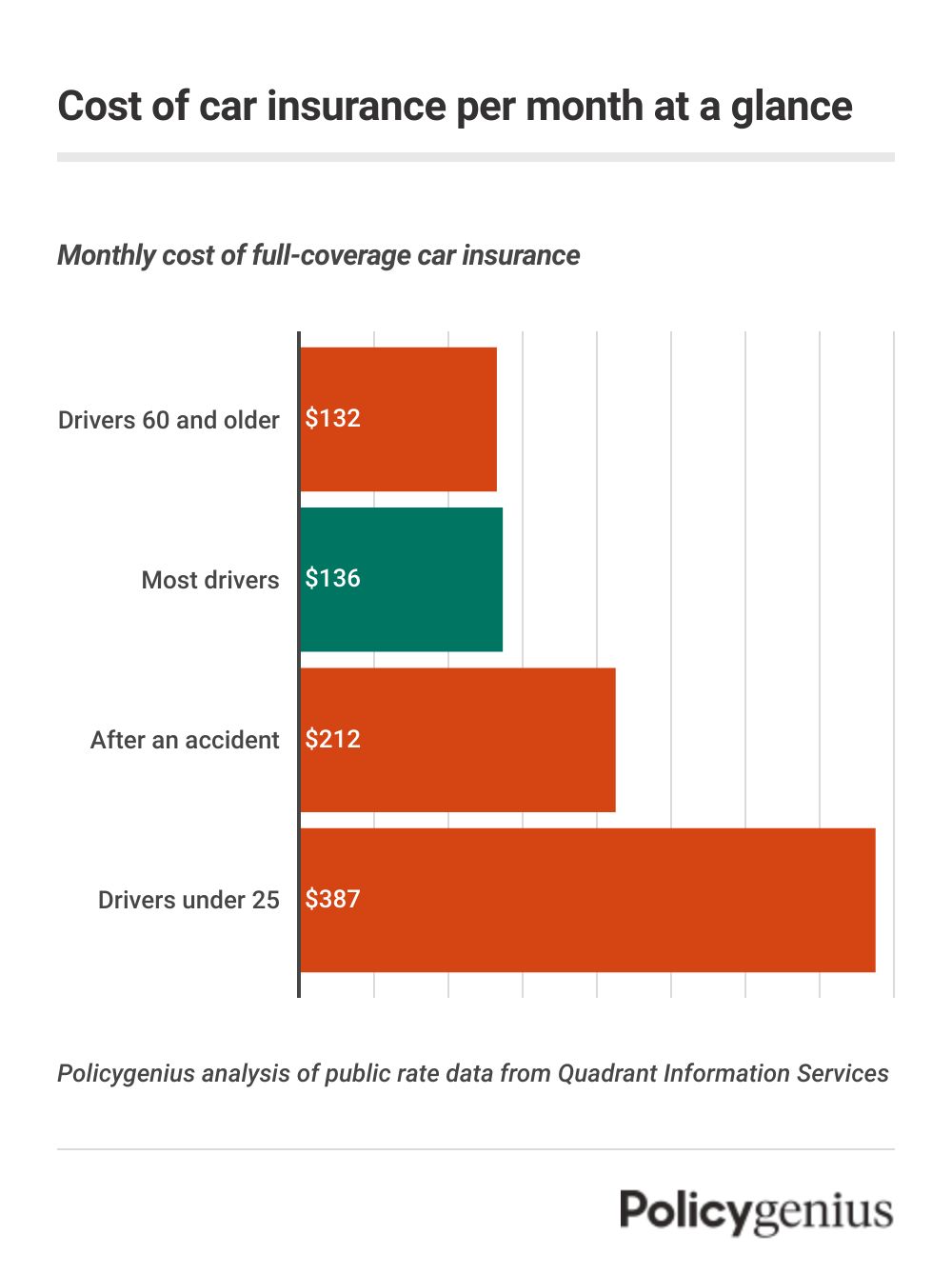
Younger, less experienced drivers, especially those under 25, typically face higher premiums due to statistical data linking their age group to a higher incidence of accidents. As drivers gain experience and maintain a clean record, rates generally decrease.
Driving Record
A clean driving record with no accidents or moving violations is perhaps the most significant factor in securing lower rates. Conversely, past claims, tickets, or DUIs will inevitably drive premiums up.
Credit Score
In many states, insurers use a credit-based insurance score to help predict the likelihood of future claims. A higher credit score often correlates with lower premiums, as it’s statistically linked to fewer claims.
Location
Where you live and park your car impacts your rate. Urban areas with higher traffic density, crime rates, and greater risk of accidents or theft often lead to higher premiums than suburban or rural areas.
Marital Status
Married individuals often pay less for auto insurance, as statistics suggest they are less likely to be involved in accidents than single, divorced, or widowed drivers.
Vehicle-Related Factors
The car you drive is another major determinant of your premium.
Make, Model, and Year
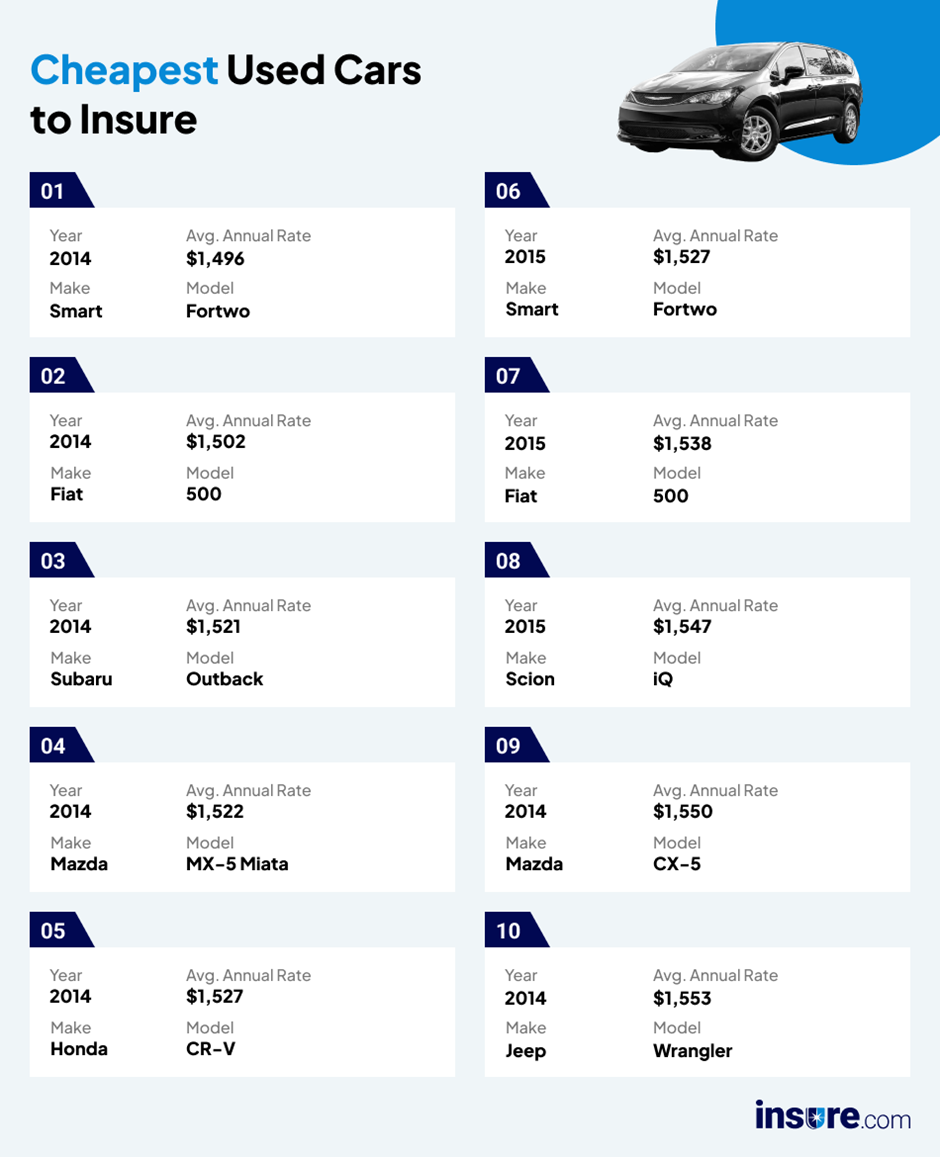
Newer, more expensive cars, luxury vehicles, and sports cars typically cost more to insure due to higher repair costs, greater theft risk, and potentially higher horsepower that encourages aggressive driving. Safer, less expensive, and more common vehicles often have lower premiums.
Safety Features
Cars equipped with advanced safety features (e.g., anti-lock brakes, airbags, adaptive cruise control, lane-keeping assist) can qualify for discounts, as these features reduce the risk of accidents or injuries.
Anti-Theft Devices
Vehicles with alarm systems, immobilizers, or tracking devices may also receive discounts, as they reduce the risk of theft.
Coverage-Related Factors
The specific types and amounts of coverage you choose directly impact your premium.
Coverage Limits and Deductibles
Higher liability limits provide more financial protection but result in higher premiums. Similarly, choosing a lower deductible (the amount you pay out-of-pocket before your insurance kicks in for collision or comprehensive claims) will lead to higher premiums, and vice-versa.
Additional Coverages
Adding optional coverages like rental car reimbursement, roadside assistance, or gap insurance will increase your overall premium.
Strategies for Securing a Better Auto Insurance Rate

Finding a good rate often requires proactive effort and smart decision-making.
Shop Around Regularly
This is perhaps the most crucial strategy. Insurance companies use different underwriting criteria and have varying appetites for risk, meaning quotes for the exact same coverage can differ significantly from one insurer to another.
Compare Quotes Annually
It’s advisable to compare quotes from multiple insurers at least once a year, or whenever you experience a significant life change (e.g., moving, getting married, buying a new car, improving your credit score). Online comparison tools and independent agents can streamline this process.
Maximize Available Discounts
Most insurers offer a wide array of discounts that can significantly reduce your premium.
Bundling Policies
Many companies offer discounts for bundling auto insurance with other policies, such as home, renters, or life insurance.
Multi-Vehicle Discounts
If you insure more than one car with the same company, you’ll typically receive a discount.
Good Driver/Student Discounts
Maintaining a clean driving record for a certain period can earn you a discount. Students with good grades may also qualify for a discount.
Telematics Programs
Participate in usage-based insurance programs (often through a smartphone app or device plugged into your car) that monitor your driving habits. Safe drivers can earn substantial discounts.
Professional and Affinity Group Discounts
Some insurers offer discounts for members of certain professional organizations, alumni associations, or other groups.
Adjust Your Coverage and Deductibles
Strategically modifying your policy can reduce costs, but always ensure you maintain adequate protection.
Increase Your Deductible
If you have a healthy emergency fund, consider raising your collision and comprehensive deductibles. A higher deductible means lower premiums, but ensure you can comfortably pay that amount if you need to file a claim.
Drop Unnecessary Coverage
For older cars that have depreciated significantly, it might be financially prudent to drop collision and comprehensive coverage if the annual premium for these coverages outweighs the car’s market value.
Review Your Liability Limits
While higher liability limits are generally recommended, especially if you have significant assets, periodically review your financial situation to ensure your limits are still appropriate.
Improve Your Driver Profile
Making long-term changes to your driving habits and financial behavior can lead to sustained savings.
Maintain a Clean Driving Record
Avoiding accidents and traffic violations is the most direct path to lower premiums over time.
Improve Your Credit Score
As mentioned, a better credit score can lead to lower insurance rates in many states. Focus on paying bills on time, reducing debt, and maintaining a healthy credit history.
How to Evaluate Your Current and Prospective Rates
Assessing whether your current rate is “good” or if a new quote is superior involves more than just looking at the monthly or annual premium.
Comprehensive Comparison
When comparing quotes, ensure you are comparing apples to apples. The coverage limits, deductibles, and any added features must be identical across all quotes for a true comparison. A lower premium on one quote might hide significantly less coverage.
Read Policy Details Carefully
Understand the fine print, including exclusions, claims processes, and any specific terms and conditions. A good rate comes from a reputable insurer with a transparent policy. Check financial strength ratings for insurance companies to ensure they can pay out claims.
Consider Customer Service and Claims Experience
While not directly part of the rate, the quality of customer service and the efficiency of the claims process are integral to the overall value of an insurance policy. A slightly higher premium with an insurer known for excellent service might be a “better” rate in the long run than a rock-bottom price with a company notorious for difficult claims. Online reviews and industry ratings can provide insights.
The Financial Impact of Smart Insurance Choices
Choosing a good auto insurance rate is a fundamental aspect of sound personal financial management. Over the lifetime of driving, even small annual savings on premiums can accumulate into significant sums that can be redirected toward investments, debt repayment, or other financial goals. More importantly, securing the right coverage at a competitive price provides essential financial protection against unforeseen events, preventing potentially catastrophic out-of-pocket expenses that could derail your financial stability. A good auto insurance rate isn’t merely a cost; it’s an investment in your peace of mind and financial security. By taking a proactive, informed approach, drivers can consistently ensure they are getting optimal value from their auto insurance, balancing cost-effectiveness with robust protection.
aViewFromTheCave is a participant in the Amazon Services LLC Associates Program, an affiliate advertising program designed to provide a means for sites to earn advertising fees by advertising and linking to Amazon.com. Amazon, the Amazon logo, AmazonSupply, and the AmazonSupply logo are trademarks of Amazon.com, Inc. or its affiliates. As an Amazon Associate we earn affiliate commissions from qualifying purchases.